

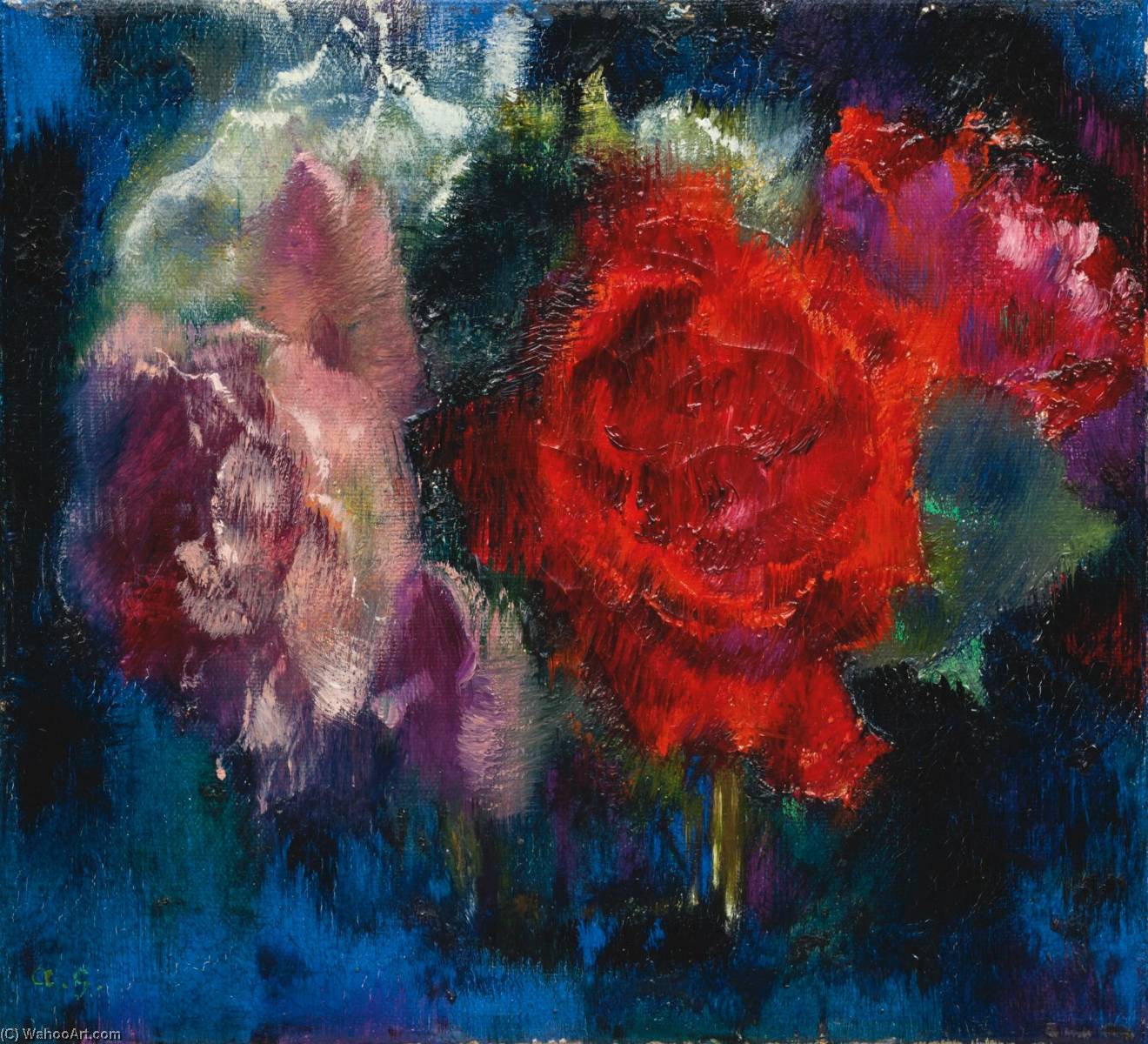
 プレビュー
プレビュー
 プリントを購入
 シェアする
シェアする シェアする
シェアする
 詳細を見る
詳細を見る

 ダウンロード
 似ている作品
 X線調査
X線調査 スライドショー
Rosen, 1928
 詳細を見る
詳細を見る
オンラインプレビューをはるかに凌ぐ、高解像度で鮮明なデジタル画像をご購入いただけます。
各ファイルは、社内の専門家が高度なツールと熟練した手作業によるレタッチを用いて、細心の注意を払って準備されています。すべての画像において、卓越した鮮明度、正確な色彩再現性、そして繊細なディテールを保証いたします。
最終ファイルは、プロフェッショナルな編集・印刷環境ですぐにご利用いただけるよう最適化された状態で、72時間以内にメールにてお届けいたします。これは、一流のデザインスタジオ、出版社、ギャラリーから信頼されているものと同等の品質です。
デジタル画像のご注文に付随する特典
高品質なデジタル画像配信を、確かな品質で。
ArtsDot.com を選ぶことは、単に画像を手に入れることではありません。それは、プロの手によって精密に仕上げられ、満足保証が付いた高品質なデジタルアートワークを受け取ることを意味します。ご注文いただいた際に自動的に付随する内容は、以下の通りです:

メールですぐにお届け
ご注文から72時間以内に、高解像度のデジタル画像ファイルがメールでお手元に届きます。すぐにそのままご利用いただけます。

AI技術で最適化されたデジタルファイル
お客様の作品は、高度なAIツールと専門家による手作業の編集を組み合わせてプロフェッショナルに最適化されており、細部のディテール、鮮明さ、そして正確な色再現性を最大限に引き出しています。

一生涯無料の再送サービス
ファイルを誤って削除したり、紛失してしまったりしましたか?ご安心ください。いつでも無料で再送いたします。

輸入手数料は一切かかりません
関税や手数料、配送料を気にすることなく、お気に入りのアートワークをすぐにお楽しみいただけます。デジタルダウンロードは常に免税です。

色彩再現の保証
プロ仕様のツールとカラーマネジメント技術を用いることで、デジタル画像が元の色を最大限に忠実に再現することを保証いたします。

60日間満足保証
ご購入いただいたデジタル画像にご満足いただけない場合は、60日以内であれば、修正または100%の返金(理由を問う必要はありません)をさせていただきます。

100% 返金保証
ご満足いただけない場合は、デジタルファイルを受け取ってから60日以内であれば、理由を問わず全額返金いたします。

まとめ買い割引
3枚購入で10%OFF - 5枚購入で15%OFF - 10枚以上購入で20%OFF。クリエイティブなプロジェクト、ギャラリー、エージェンシーに最適です。
関連作品








作家の略歴
Tom Thomson: A Pioneer of the Canadian Wilderness
Thomas John Thomson, born August 5th, 1877, in the small farming community of Claremont, Ontario, remains one of Canada’s most enigmatic and beloved artists. His life, tragically cut short at just 39 years old in 1917, is shrouded in a captivating blend of fact and legend, fueling endless speculation about his artistic journey and untimely demise. While biographical details remain sparse – largely pieced together from anecdotes and family recollections – Thomson’s impact on the development of modern Canadian art is undeniable. He wasn't a formally trained artist at the outset; instead, he began as an itinerant engraver, honing his skills in the meticulous world of commercial illustration before embarking on a transformative path toward capturing the raw beauty and untamed spirit of the Canadian wilderness. This shift occurred around 1909, coinciding with his immersion within a vibrant circle of artists in Toronto – including Lawren Harris, A.Y. Jackson, and Franklin Carmichael – who challenged him to embrace a bolder, more expressive approach to painting. Thomson quickly absorbed their techniques and philosophies, rapidly surpassing them in skill and vision, establishing himself as a pivotal figure in the nascent Group of Seven.Early Years: Roots in Rural Ontario
Thomson’s childhood was deeply rooted in the traditions of rural Ontario. Born into a large family – sixth of ten children – he spent his formative years on a farm near Leith, on the Bruce Peninsula. This experience instilled within him a profound connection to nature and an appreciation for the rhythms of the seasons. His father, a skilled hunter and fisherman, imparted invaluable knowledge about woodland lore and animal behavior, while his mother fostered a love of literature and learning. The family’s musical inclinations – singing in the church choir and playing instruments – further nurtured Thomson's artistic sensibilities. A brief interruption to his education due to illness at age two underscored his resilience and adaptability. Crucially, he spent time with Dr. William Brodie, a local naturalist, collecting specimens and developing an acute observational eye for detail—a skill that would later become central to his art. This early exposure to both the practicalities of rural life and the wonders of the natural world provided the foundation upon which his artistic career was built.From Engraving to Impressionism: A Transformation in Style
Thomson’s initial foray into the professional world involved apprenticeship as a foundry worker and machine shop operator, experiences that instilled discipline and technical proficiency. However, it was his work as a pen artist and etcher for Maring & Ladd engraving firm in Chatham, Ontario, that truly ignited his artistic passion. Here, he developed his lettering skills and learned to translate natural scenes onto paper with remarkable precision. This period marked a significant turning point, as he began experimenting with color and capturing the fleeting effects of light and atmosphere – hallmarks of Impressionism. The rejection of a proposal of marriage by Alice Lambert in 1904 is often cited as a catalyst for this shift, prompting him to seek solace and inspiration within the vastness of the Canadian wilderness. His move to Seattle, Washington, where his brothers were establishing a business college, offered further exposure to diverse artistic styles and techniques, broadening his creative horizons.The Wilderness Years: Painting the Soul of Canada
Thomson’s most celebrated work emerged during his years spent exploring and painting in the Canadian wilderness – primarily in Algonquin Park and the Muskoka region. He eschewed academic conventions, favoring a direct, emotionally resonant style that prioritized capturing the essence of the landscape rather than meticulous detail. His paintings are characterized by bold brushstrokes, vibrant colors, and an intense sense of atmosphere—evoking both the grandeur and vulnerability of the natural world. He often depicted scenes of wildlife – deer, moose, bears – rendered with a remarkable understanding of animal behavior and movement. Thomson’s work wasn't simply about portraying landscapes; it was about conveying his deep connection to nature and expressing his profound respect for its power and beauty. His paintings are imbued with a sense of melancholy and longing, reflecting the isolation and solitude he often experienced in the wilderness.Legacy and Influence
Tom Thomson’s tragically short career left behind a remarkably influential body of work. Though only 56 paintings are definitively attributed to him, they have had an immeasurable impact on Canadian art. He is considered a key figure in the development of the Group of Seven, though he never formally joined their collective. His innovative approach to color and brushwork paved the way for subsequent generations of Canadian landscape painters. His work continues to resonate with viewers today, offering a powerful reminder of the beauty and fragility of the natural world—and the enduring legacy of a truly remarkable artist. The mystery surrounding his life only adds to his allure, fueling ongoing research and debate about the man behind the iconic images that capture the soul of Canada.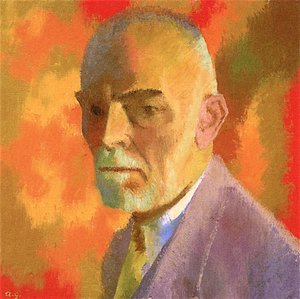
augusto giacometti
1877 - 1947
プロフィール概要
- Artistic Movement Or Style: Group of Seven
- Artists Or Movements Influenced By This Artist:
- Group of Nine
- Modern Canadian art
- Artists Who Influenced This Artist:
- William Morris
- Gustave Moreau
- Date Of Birth: August 5, 1877
- Date Of Death: 1917
- Full Name: Tom Thomson
- Nationality: Canadian
- Notable Artworks:
- The West Wind
- Lake Superior – Autumn
- Northern Lights
- Place Of Birth: Claremont, Ontario

