 プレビュー
プレビュー
 シェアする
シェアする シェアする
シェアする
 詳細を見る
詳細を見る

 ダウンロード
 似ている作品
 X線調査
X線調査 スライドショー
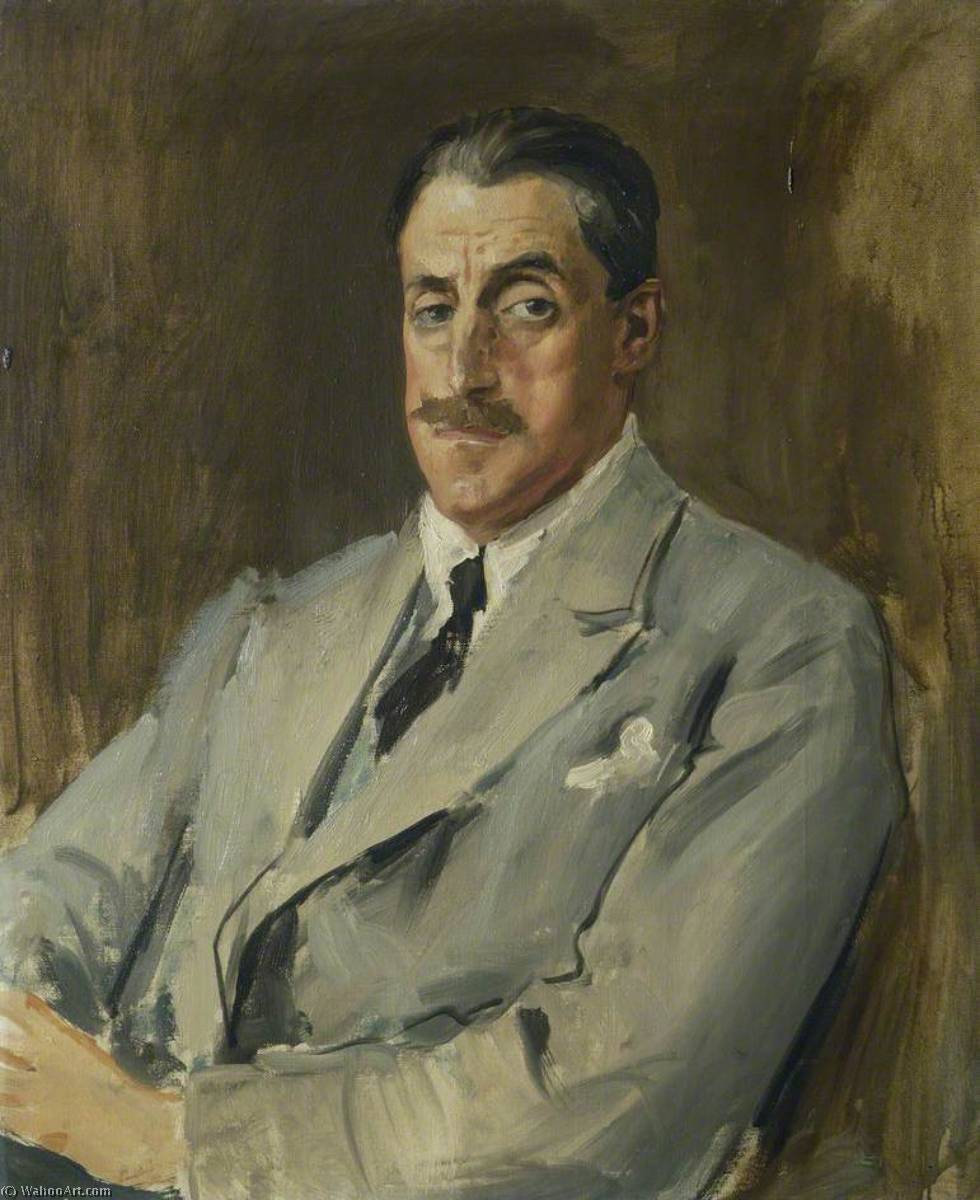
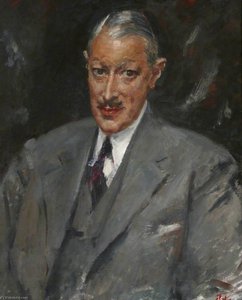
Dr Louis C. G. Clarke (1881–1960), Fellow (1929–1960)
 Oil On Canvas
- WallArt
- Post-Impressionism
 1922
1922 74.0 x 61.0 cm
 Trinity Hall
 詳細を見る
詳細を見る
ジークレー/アートプリント
迅速な制作と多彩な仕上げオプションを備えた、ミュージアムクオリティのジークレーまたはキャンバスプリント。 ( 手描きの絵画を購入 画像を購入)




P118B $10

P118H $10

P118W $10

P438Z $10

P508JH $12

P508YH $12

P805H $10

P805Z $10

P919BZ $10

P919G $10

P919XJ $10

P959ZH $10

P968JZ $12

W106C $8

W218G $10

W218JH $8

W218Y $10

W307PJ $10

W316G $10

W316PJ $8

W316Y $10

W398PJ $8

W4111J $10

W500HY $15

W500JH $15

W692G $12

W849H $8

W940BG $15

W953PJ $8




作品のオリジナル比率に合わせた、当店の規定サイズからお選びください。

特定のフレームやスペースに合わせて、ご自身でサイズを指定することも可能です。選択されたサイズが元の画像の比率と一致しない場合、作品をトリミングするか、鏡面反射または単色での塗りつぶしによって画像を拡張いたします。制作を開始する前に、ご確認用のデジタルモックアップをお送りいたします。
画面上のプレビューには、実際のトリミングや拡張は反映されませんのでご注意ください。最終的な構図を正確に確認できるのは、モックアップのみとなります。
カスタムサイズも承っておりますが、元の比率を維持するためには、あらかじめ用意されたリストからサイズを選択することをお勧めいたします。


 ガラスオプションは、110cm未満のサイズでのみご利用いただけます。

Dr Louis C. G. Clarke (1881–1960), Fellow (1929–1960)
ジークレー/アートプリント
複製画のサイズ
-


合計金額
$ 62
A Portrait of Purpose: Dr. Louis C. G. Clarke by Augustus Edwin John
The image before you—a meticulously rendered portrait of Dr. Louis C. G. Clarke, painted in 1922 by the esteemed Welsh artist Augustus Edwin John—is more than a simple likeness; it’s a carefully constructed tableau of intellect, quiet authority, and understated dignity. John, a master of capturing the essence of his subjects through subtle shifts in expression and gesture, has here created an image that speaks volumes about the man he depicts – a Fellow of Trinity Hall, Cambridge, and a figure deeply embedded within the intellectual landscape of the early 20th century.
The composition itself is deceptively simple. Dr. Clarke sits in a comfortable armchair, his hands crossed with a gesture suggesting both contemplation and readiness. His gaze, direct and unwavering, meets the viewer’s head-on, inviting engagement and demanding respect. John's characteristic use of loose brushstrokes and a muted color palette—dominated by earthy browns, greys, and subtle greens—creates an atmosphere of quiet introspection. The background, featuring a richly upholstered couch and a chair, provides context without distracting from the central figure; it’s a space that suggests both scholarly pursuits and moments of relaxed reflection.
The Artist's Hand: John's Technique and Style
Augustus Edwin John was renowned for his ability to imbue his portraits with a remarkable sense of immediacy. He eschewed the overly polished, idealized representations favored by some of his contemporaries, instead opting for a more direct and emotionally resonant approach. Notice how John captures the subtle lines etched around Dr. Clarke’s eyes – evidence of a life lived with thought and perhaps a touch of melancholy. The artist's masterful use of light and shadow sculpts the face, revealing the contours of bone and muscle while simultaneously conveying a sense of depth and character.
John’s style is often described as Post-Impressionist, drawing inspiration from both classical portraiture and the vibrant colors and expressive brushwork of Impressionism. However, he always maintained his own distinctive voice, prioritizing psychological insight over mere visual representation. The slightly asymmetrical arrangement of Dr. Clarke's clothing—a dark suit and tie—and the subtle tilt of his head contribute to a sense of dynamism and movement within the static image.
A Man of Cambridge: Context and Significance
Understanding the historical context surrounding this portrait is crucial to appreciating its full significance. Dr. Louis C. G. Clarke was a prominent figure at Trinity Hall, Cambridge, where he served as a Fellow from 1929 until his death in 1960. Trinity Hall was a hub of intellectual activity during this period, attracting scholars and thinkers from across Europe. Clarke himself was a respected academic, contributing to the fields of philosophy and theology.
The portrait itself likely served as a visual record of Dr. Clarke’s status within the university community. It's a testament to John's skill in capturing not just physical likeness but also the intellectual presence of his subject. The image speaks to the values of Cambridge at that time – a dedication to learning, scholarship, and reasoned discourse.
Symbolism and Emotional Resonance
Beyond its biographical details, the portrait holds a quiet power of symbolism. Dr. Clarke’s posture—composed yet approachable—suggests a man of integrity and confidence. His direct gaze invites us to contemplate his thoughts and experiences. The muted color palette evokes a sense of seriousness and introspection, while the subtle details—the texture of the fabric, the sheen of the tie—add layers of visual interest.
Ultimately, this portrait is not merely a representation of Dr. Louis C. G. Clarke; it’s an exploration of character, intellect, and the enduring legacy of Cambridge scholarship. It's a work that invites us to pause, reflect, and consider the quiet dignity of a man who dedicated his life to the pursuit of knowledge.
関連作品
アーティストの略歴
ウェールズのボヘミアン:オーガスタス・エドウィン・ジョンの生涯と芸術
オーガスタス・エドウィン・ジョンは、20世紀初頭のイギリス美術において重要な人物として台頭しました。彼の人生は、彼が制作したキャンバスと同様に活気に満ちて型破りでした。1878年1月4日、ウェールズのテンビーで生まれ、幼少の頃から母親の影響を受け、絵を描くことを愛する心を与えられました。この初期の励ましは、17歳でテンビー美術学校に通うことにつながり、彼の自然な才能がすぐに明らかになりました。しかし、その後のロンドン大学ユニバーシティ・カレッジのスレード美術学校(1894-1898)への入学が、彼の芸術的発展を真に加速させました。そこで、ヘンリー・トンクスの指導の下、彼は卓越した描写力を磨き、卒業前ですでに有望な才能として認められました。1897年、テンビーでのダイビング事故で頭部を負傷し、劇的な転換期が訪れました。この出来事は彼の性格を大きく変え、人生と芸術の両方を特徴づける新たな自発性と大胆さを解き放ちました。影響と様式の形成
ジョンの芸術的感性は、特にピーター・パウル・ルーベンスの古い巨匠たちに深く根ざしていました。ルーベンスのダイナミックな構図と豊かな色彩は彼に共鳴しました。同時に、彼はマティスやゴーギャンといったフランスの同時代作家の革新を取り入れ、伝統的なアカデミックな制約を拒否しました。ピュヴィ・ド・シャヴァンヌの微妙なトーン調和も彼の美的ビジョンに消えない痕跡を残しました。これらの多様な影響が融合し、鮮やかな色合い、流動的な筆致、そして被写体の本質をとらえるという強い焦点によって特徴づけられる独特の様式を形成しました。彼は単なる肖像画に関心があったのではなく、個々の存在を定義する内面の世界、つかの間の感情を明らかにしようと努めました。この追求は彼に肖像画の分野で卓越した才能を発揮させ、彼は並外れた能力を持っていました。ポートレートとジプシー伝承:人生を最大限に生きた
オーガスタス・エドウィン・ジョンは、おそらく貴族や文学界の著名人の印象的な肖像画で最もよく知られています。彼のキャンバスは、デイヴィッド・ロイド・ジョージ、ジェームズ・ジョイス、ジョージ・バーナード・ショーといった人物を命を与え、単なる描写を超えた心理的な深みを持って描かれました。1909年の*カスパー*(若々しい無邪気さの痛切な表現)や、アーチボルド・ヘンリー・マクドナルド・シンクレア(1924年)、フランシス・ヘンリー・クリタル(1919年)の肖像画は、彼のジャンルの習熟を例証しています。しかし、ジョンの芸術的関心は従来の肖像画の範囲を超えていました。ロマーニ文化への深い魅力が彼に遊牧生活へと導き、家族とともに長期間キャラバンで旅をしました。この没入的な経験は彼の芸術に深く影響を与え、自由、放浪癖、そして自然界の美というテーマを注入しました。ジプシー伝承協会(Gypsy Lore Society)の会長を務めたことは、彼がコミュニティを理解し、そのユニークなライフスタイルを祝うことに尽力したことを確固たるものにしました。1935年の*空軍整備士 ショー*(T.E.ローレンスを描いた肖像画)は、複雑な人物を卓越した感性で捉える彼の能力のもう一つの証です。複雑な遺産:認知と再評価
キャリアを通じて、ジョンは広範な称賛と批判的な変動の両方を経験しました。当初、革新的な油彩スケッチ技術と人物画で祝福された彼は、一部の批評家からは過度に華やかであるか、絵画的な洗練さに欠けていると見なされました。第一次世界大戦中に戦争画家として従軍し、カナダ軍に所属した彼は、兵士たちの記憶に残る肖像画を制作しましたが、不幸な事件が彼をイギリスに召還することになりました。これらの課題にもかかわらず、オーガスタス・エドウィン・ジョンはイギリスの美術史において重要な存在であり続けました。彼は同時代人の芸術家の中で、広範な大衆の認知を得た数少ない人物の一人であり、イギリス国内でポスト印象派を普及させる上で重要な役割を果たしました。1942年にメリット勲章を受賞し、彼の人生と芸術的哲学は2つの自伝、『キアロスクーロ』(1952年)と『仕上げのタッチ』(1964年に死後に出版)に記録されました。第二次世界大戦後、彼の評判はいくらか衰退しましたが、近年では初期作品の活気と独創性、特にその初期作品に対する評価が新たに高まっています。妹グウェン・ジョンの芸術的業績もまた、モダニズム運動に大きく貢献し、彼の遺産をさらに豊かにしています。- 生年月日: 1878年1月4日、ウェールズのテンビー
- 没年月日: 1961年10月31日、イングランドのフォーディングブリッジ
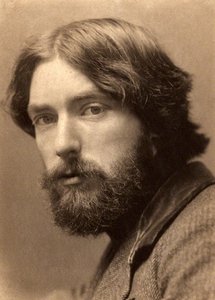
オーガスタス・エドウィン・ジョン
1878 - 1961 , アメリカ合衆国
基本情報
- Artistic Movement Or Style: ポスト印象派
- Artists Or Movements Influenced By This Artist: ['現代英国絵画']
- Artists Who Influenced This Artist:
- ルーベンス
- マティス
- ゴーギャン
- Date Of Birth: 1878年1月4日
- Date Of Death: 1961年10月31日
- Full Name: オーガスタス・エドウィン・ジョン
- Nationality: ウェールズ人
- Notable Artworks (List Of Titles):
- キャスパー
- エア・メカニック・ショウ
- デイビッド・ジョン
- Place Of Birth (City And Country): ウェールズ、テンビー
関連記事

ジョン・コンスタブルの傑作25選:英国風景画の巨匠が描く自然と光の詩 | ArtsDot
ジョン・コンスタブルの傑作25選。英国風景画の巨匠が描く自然と光の詩の世界へ。ロマン主義を代表する絵画、デダム・ヴェールやヘイ・ウェインなど、ArtsDotで高品質なアートプリントをお楽しみください。インテリアに深みと感動を。コレクションはこちら。

ジョン・シンガー・サージェント:至高の25選 - 美と光の肖像画の世界 | ArtsDot
ジョン・シンガー・サージェントの至高の25選。肖像画、写実主義、光と影の表現が美しい作品群を紐解きます。マダムXや少女の肖像など、時代を超えて愛される名作をArtsDotで鑑賞。高品質なアート複製で、お部屋に美術館のような空間を。今すぐコレクションをご覧ください。
Romantic Realism's Finest: 10 Masterpieces for Your Home | ArtsDot
Explore 10 defining masterpieces of Romantic Realism! Discover Courbet, Millet & Daumier's powerful paintings—capturing emotion and social realities. Find museum-quality reproductions for your home at ArtsDot.com.
John Frederick Lewis: Orientalism, Detail & Genre Painting in 19th-Century British Art
Explore the captivating Orientalist paintings of John Frederick Lewis! Discover his mastery of detail, genre scenes & influence on 19th-century British art. Learn about his life, techniques & legacy at ArtsDot.
John Augustus Atkinson: Romantic Visions of Rural England & Genre Painting's Evolution
Explore the captivating world of John Augustus Atkinson (1775-1830), a key figure in British Romanticism and genre painting. Discover his stunning Russian history scenes, naval art & delicate watercolors. Learn about his legacy at ArtsDot.