

 シェアする
シェアする シェアする
シェアする
 詳細を見る
詳細を見る

 ダウンロード
 似ている作品
 スライドショー
 統計情報
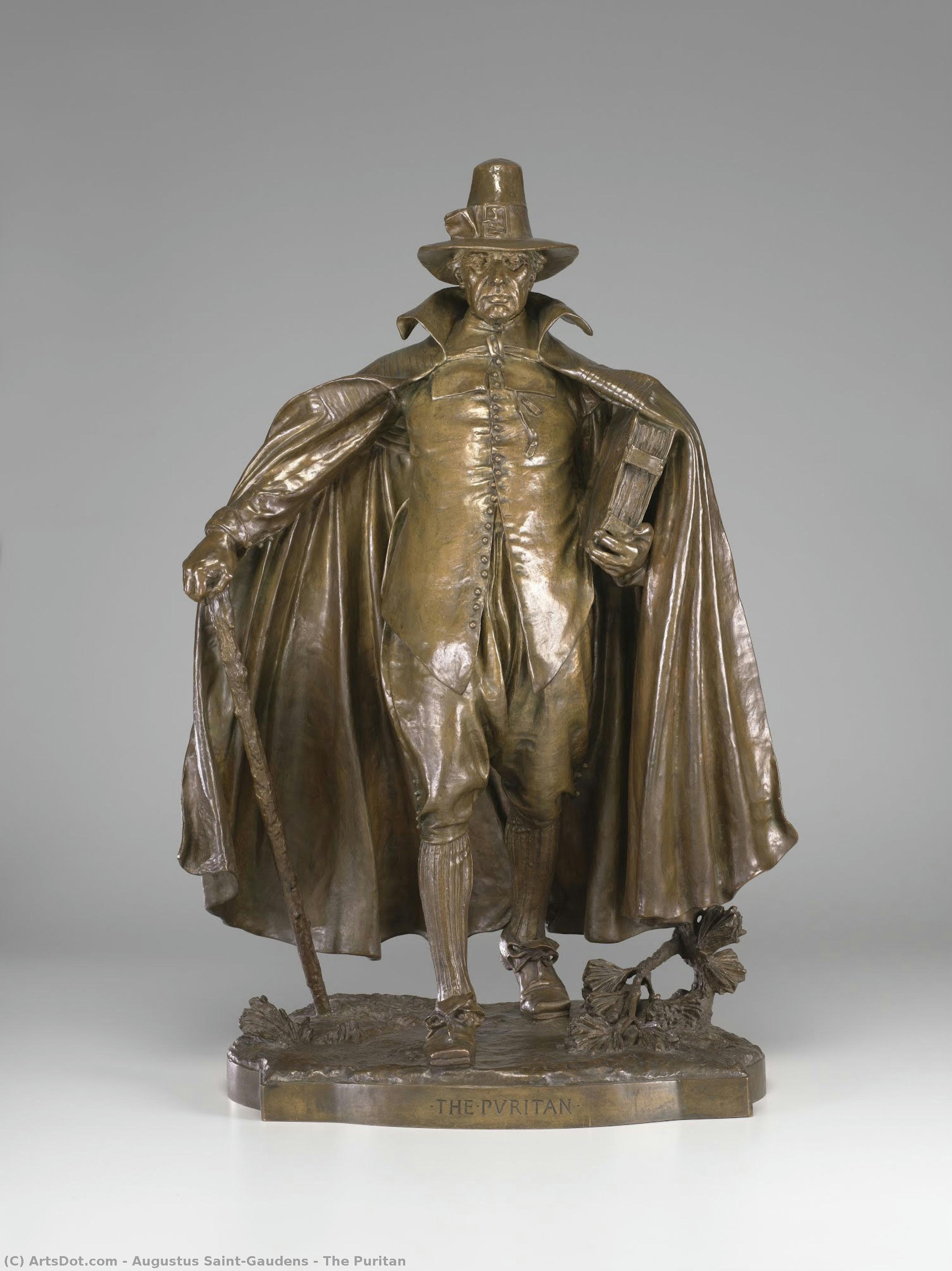
統計情報The Puritan


 詳細を見る
詳細を見る
オンラインプレビューをはるかに凌ぐ、高解像度で鮮明なデジタル画像をご購入いただけます。
各ファイルは、社内の専門家が高度なツールと熟練した手作業によるレタッチを用いて、細心の注意を払って準備されています。すべての画像において、卓越した鮮明度、正確な色彩再現性、そして繊細なディテールを保証いたします。
最終ファイルは、プロフェッショナルな編集・印刷環境ですぐにご利用いただけるよう最適化された状態で、72時間以内にメールにてお届けいたします。これは、一流のデザインスタジオ、出版社、ギャラリーから信頼されているものと同等の品質です。
デジタルアート
個人での鑑賞、印刷、クリエイティブなプロジェクト用に、高解像度ファイルをダウンロードできます。 ( プリント版に切り替え 手描きの絵画を購入)
デジタル画像のご注文に付随する特典
高品質なデジタル画像配信を、確かな品質で。
ArtsDot.com を選ぶことは、単に画像を手に入れることではありません。それは、プロの手によって精密に仕上げられ、満足保証が付いた高品質なデジタルアートワークを受け取ることを意味します。ご注文いただいた際に自動的に付随する内容は、以下の通りです:

メールですぐにお届け
ご注文から72時間以内に、高解像度のデジタル画像ファイルがメールでお手元に届きます。すぐにそのままご利用いただけます。

AI技術で最適化されたデジタルファイル
お客様の作品は、高度なAIツールと専門家による手作業の編集を組み合わせてプロフェッショナルに最適化されており、細部のディテール、鮮明さ、そして正確な色再現性を最大限に引き出しています。

一生涯無料の再送サービス
ファイルを誤って削除したり、紛失してしまったりしましたか?ご安心ください。いつでも無料で再送いたします。

輸入手数料は一切かかりません
関税や手数料、配送料を気にすることなく、お気に入りのアートワークをすぐにお楽しみいただけます。デジタルダウンロードは常に免税です。

色彩再現の保証
プロ仕様のツールとカラーマネジメント技術を用いることで、デジタル画像が元の色を最大限に忠実に再現することを保証いたします。

100日間満足保証
ご購入いただいたデジタル画像にご満足いただけない場合は、100日以内であれば、理由を問わず修正または100%の返金対応をさせていただきます。

100% 返金保証
ご満足いただけない場合は、デジタルファイルを受け取ってから100日以内であれば、理由を問わず全額返金いたします。

まとめ買い割引
3枚購入で10%OFF - 5枚購入で15%OFF - 10枚以上購入で20%OFF。クリエイティブなプロジェクト、ギャラリー、エージェンシーに最適です。
A Portrait of Faith and Frontier
Augustus Saint-Gaudens’s “The Puritan,” a bronze sculpture unveiled in 1887, is more than just a depiction of a historical figure; it's a potent distillation of the American spirit – a blend of rugged individualism, unwavering faith, and the pioneering ethos that shaped early New England. Standing nearly eight feet tall, this imposing figure embodies the ideals of a bygone era, capturing not merely an appearance but a complex set of values deeply rooted in the nation’s formative years.

A Masterclass in Realism and Symbolism
Saint-Gaudens, a leading figure of the Beaux-Arts movement, possessed an unparalleled ability to imbue his sculptures with both anatomical accuracy and profound symbolic meaning. “The Puritan” exemplifies this skill perfectly. The figure’s stance—firmly planted on the ground, walking stick firmly grasped—conveys a sense of resolute determination. His downcast eyes suggest introspection and a deep connection to something beyond the material world, while the weighty Bible held aloft represents his unwavering faith. Notice the deliberate details: the folds of the voluminous cloak, hinting at both practicality and spiritual protection; the weathered face, etched with lines that speak of hardship and resilience; and the simple, yet dignified attire reflecting the austere lifestyle of a Puritan.
The sculpture’s setting—a stylized representation of the New England wilderness—further reinforces its thematic core. Pine branches scattered at his feet symbolize the land he tilled and the challenges he faced, while the overall composition evokes a sense of solitude and self-reliance. The choice to depict an idealized settler rather than a specific historical figure speaks volumes about Saint-Gaudens’s intention: to capture the *essence* of Puritanism—its core values—rather than a literal portrait.
The Art of Bronze: Technique and Craftsmanship
“The Puritan” is a testament to Saint-Gaudens' mastery of bronze casting. Created using the lost-wax method, a technique dating back to antiquity, the sculpture showcases remarkable detail and surface quality. The artist skillfully employed tooling marks – deliberate indentations created by hand – to accentuate the texture of the fabric, the contours of the face, and the weight of the walking stick. These marks are not imperfections but rather integral elements of the artwork’s aesthetic, adding a sense of tactile richness and demonstrating the sculptor's intimate engagement with his medium.
The application of patina—a chemical treatment that alters the surface color of bronze—further enhances the sculpture’s visual appeal. The warm browns and bronzes create a sense of age and authenticity, while subtle variations in tone highlight the three-dimensionality of the figure. The meticulous attention to detail, from the delicate rendering of the hands to the subtly textured cloak, underscores Saint-Gaudens' commitment to realism and his profound understanding of human form.
A Legacy Enduring
“The Puritan” quickly became one of Saint-Gaudens’s most celebrated works, replicated in numerous versions across America and beyond. Its enduring popularity reflects its ability to resonate with viewers on a deeply emotional level – evoking feelings of pride, resilience, and the pioneering spirit that defines the American identity. Today, it stands as a powerful symbol of New England history and a timeless representation of faith, fortitude, and the pursuit of a better world. Reproductions of this iconic sculpture continue to grace homes and institutions, offering a tangible connection to a pivotal moment in American history.
関連作品
作家の略歴
A Legacy Forged in Bronze: The Life and Art of Augustus Saint-Gaudens
Born in Dublin, Ireland, in 1848, Augustus Saint-Gaudens’s journey to becoming one of America's most celebrated sculptors began with humble origins. His early life was marked by a transatlantic shift; at just six months old, his family immigrated to New York City, where his father practiced the trade of shoemaking. This blend of Irish and French heritage would subtly inform Saint-Gaudens’s artistic sensibility—a unique fusion of classical ideals and an emerging American identity. From a young age, he displayed a remarkable aptitude for visual arts, initially honing his skills as an apprentice cameo cutter before formally studying at the Cooper Union and the National Academy of Design. These formative years laid the groundwork for a career that would redefine sculpture in the United States, moving beyond mere imitation to embrace a distinctly American voice.European Influences and Artistic Development
The pursuit of artistic mastery led Saint-Gaudens across the Atlantic to Europe in 1867. He first immersed himself in the vibrant art scene of Paris, studying at the École des Beaux-Arts under François Jouffroy. This period was crucial, exposing him to the prevailing academic style and the rich sculptural traditions of France. However, it was his subsequent sojourn to Rome that truly solidified his artistic foundation. Surrounded by the remnants of classical antiquity, Saint-Gaudens absorbed the principles of form, composition, and naturalism that would become hallmarks of his work. He wasn’t simply replicating ancient models; he was internalizing a philosophy of art—a belief in the power of sculpture to convey emotion, narrative, and enduring human values. His early works, like *Hiawatha*, reveal this nascent synthesis of classical technique with contemporary subject matter, hinting at the innovative path he would forge. He returned to New York in 1875, equipped not just with technical skill but a refined artistic vision.Monuments to Memory: Major Achievements and Artistic Style
Saint-Gaudens’s career blossomed in the late 19th and early 20th centuries, marked by a series of monumental commissions that cemented his reputation as America's premier sculptor. The *Admiral David Farragut Monument* (1881) in New York City was an early triumph, showcasing his ability to capture both grandeur and psychological depth. However, it was the *Robert Gould Shaw Memorial* (1884-1897), dedicated on Boston Common, that truly established him as a master storyteller in bronze. This poignant depiction of the 54th Massachusetts Volunteer Infantry Regiment—one of the first African American units to fight in the Civil War—was revolutionary for its time. Saint-Gaudens eschewed traditional heroic poses, instead portraying the soldiers in a dynamic march, conveying both their courage and vulnerability with remarkable realism. Standing Lincoln (1884-1887) in Chicago, replicated in other locations, stands as another testament to his skill in portraiture, capturing the solemnity and wisdom of the 16th President. His later works, such as the *William Tecumseh Sherman Monument* (1892-1903) and the equestrian statue of *General John Logan* (1894-1897), continued to demonstrate his mastery of scale and composition. Beyond monumental public art, Saint-Gaudens also left an indelible mark on American coinage, designing the iconic $20 “Double Eagle” and $10 “Indian Head” gold coins—widely regarded as some of the most beautiful coins ever minted.The Cornish Colony and a Lasting Influence
Saint-Gaudens’s influence extended beyond his own artistic output. In 1885, he established the "Cornish Colony" in New Hampshire, transforming a rural farm into a thriving artistic community. This haven attracted painters, sculptors, writers, and architects—a gathering of creative minds that fostered innovation and collaboration. The Cornish Colony became a symbol of the American Renaissance, embodying a spirit of artistic experimentation and national pride. Saint-Gaudens was not only a prolific artist but also a dedicated teacher, mentoring a generation of sculptors who carried on his legacy. His emphasis on naturalism, technical skill, and emotional depth profoundly shaped the course of American sculpture. He championed the Beaux-Arts ideal—a commitment to classical forms and rigorous training—while simultaneously forging a uniquely American aesthetic that celebrated the nation’s history, heroes, and ideals. His work continues to inspire awe and admiration, reminding us of the power of art to commemorate, to provoke thought, and to elevate the human spirit.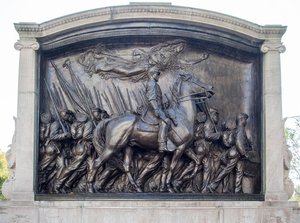
Augustus Saint-Gaudens
1848 - 1907