

 プレビュー
プレビュー
 シェアする
シェアする シェアする
シェアする
 詳細を見る
詳細を見る

 ダウンロード
 似ている作品
 X線調査
X線調査 スライドショー
 Stats
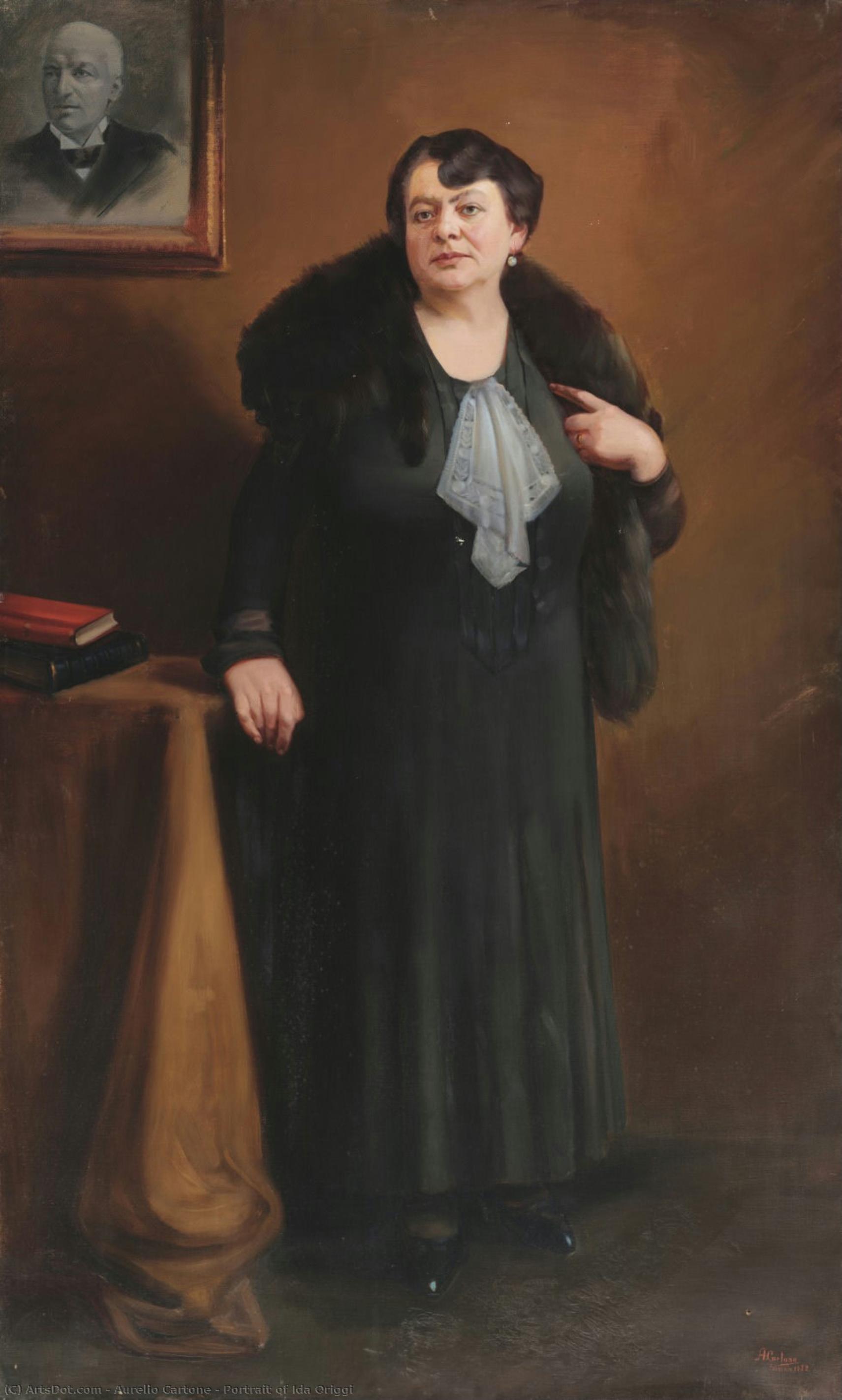
StatsPortrait of Ida Origgi


 詳細を見る
詳細を見る
手描き油彩複製画
当社のアーティストが、お客様のご希望のサイズと額縁に合わせて、キャンバスに手描きで制作する油彩画です。 ( Switch to Print Switch to Digital Image)




































作品のオリジナル比率に合わせた、当店の規定サイズからお選びください。

特定のフレームやスペースに合わせて、ご希望のサイズをご入力いただけます。選択されたサイズが元の画像の比率と異なる場合、アートワークをトリミングするか、手描きで要素を追加して絵画を拡張いたします。デジタルモックアップ を制作し、制作開始前にご確認(承認)をいただきます。
画面上のプレビューは、実際のトリミングや拡張を正確に反映しているものではありません。最終的な構図は、モックアップによってのみ正確にご確認いただけます。
カスタムサイズもご利用いただけますが、元の比率を維持するためには、あらかじめ用意されたリストからサイズを選択することをお勧めいたします。
ご注文後、ArtsDot.com チームより詳細な指示をお送りするとともに、仕上がりイメージ(モックアップ)をご提供いたします。


 ガラスオプションは、110cm未満のサイズでのみご利用いただけます。

Portrait of Ida Origgi
複製技法
複製画のサイズ
-


合計金額
$ 263
関連作品




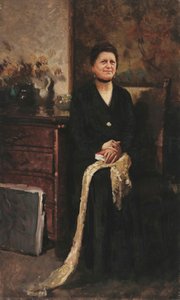
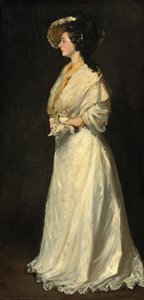
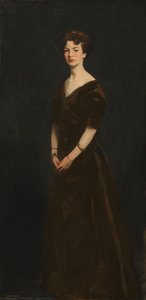
アーティストの略歴
Aurelio Cartone: Bridging Renaissance Echoes and Impressionistic Vision
Born in the vibrant cultural heart of Milan on December 10, 1910, Aurelio Cartone emerged as a compelling figure within the landscape of twentieth-century Italian painting. His artistic journey began amidst a period of profound intellectual fervor, a time when the shadows of modernism were lengthening across Europe, yet the grandeur and humanist ideals of the Renaissance remained an undeniable anchor for the Italian spirit. From his earliest years, Cartone displayed an extraordinary affinity for the human form, a passion that would become the cornerstone of his life's work. This innate talent led him to the prestigious Accademia di Belle Arti Brera in Milan, where he underwent rigorous training under the guidance of masters such as Dario Gobbi and Angelo Landi da Salò. These mentors, renowned for their skill in portraiture and pastel, helped cultivate in Cartone a unique duality: a meticulous devotion to anatomical accuracy paired with an expressive, emotive brushwork that breathed life into every subject.
The evolution of Cartone’s style is a fascinating study in the synthesis of tradition and innovation. While his formative years were deeply steeped in the spirit of the Florentine Renaissance—drawing inspiration from the monumental precision of Michelangelo and the atmospheric depth of Leonardo da and Vinci—he did not remain tethered to the past. As he matured, Cartone transitioned from a strict realism toward a more fluid, Impressionistic approach. He began to embrace vibrant color palettes and loose, rhythmic brushstrokes designed to capture the fleeting nuances of light and atmosphere. This stylistic fusion allowed him to create canvases that possessed both a palpable sense of immediacy and a profound psychological depth. For over fifteen years, particularly starting from his professional debut in 1932, he favored the medium of pastel, finding it the most delicate vehicle for expressing his sensitive perception of his subjects.
The Soul Within the Portrait
Cartone’s oeuvre is defined by its intimate focus on portraiture, serving as a visual chronicle of Milanese and Italian high society. His studio became a destination for the era's most notable figures, ranging from the ecclesiastical elite, such as Cardinal Camillo Caccia Dominioni, to the aristocracy, including the Contesses Mocenigo and Donà Dalle Rose of Venice. Through his lens, these individuals were transformed from mere social icons into complex psychological studies. His technique involved an extraordinary analysis of expression, where a subtle light in the eyes or the slight curve of a mouth could convey a spectrum of emotions—from a gentle, romantic smile to a haunting, motionless melancholy. This ability to render the essence of a personality through balanced tones and poetic light elevated his work beyond mere likeness, imbuing it with a lasting emotional resonance.
One of the most poignant examples of his narrative power is found in his Portrait of Ida Origgi. Executed in his early twenties, this work showcases his burgeoning post-impressionist style through the use of bright, luminous colors. The painting serves not only as a tribute to a woman who was both a friend and a patron but also as a testament to the artist's ability to weave personal history into his art. Even when faced with the complexities of commission and the scrutiny of artistic commissions, Cartone’s dedication to capturing the human spirit remained unshakeable. His portraits often contained hidden layers of meaning, such as the inclusion of his father, Luigi, within certain compositions, reflecting a deeply personal connection to his subjects.
Legacy and Historical Significance
The historical significance of Aurelio Cartone lies in his ability to navigate the tension between the classical heritage of Italy and the burgeoning modern movements of the twentieth century. He did not seek to reject the masters of the past, but rather to translate their principles of form and dignity into a contemporary visual language. His work stands as a bridge between eras, maintaining the structural integrity of the Renaissance while embracing the sensory freedom of Impressionism.
Throughout his career, Cartone achieved several notable milestones that solidified his place in the annals of Italian art:
- Mastery of Medium: His specialized use of pastel allowed for a unique softness and textural richness that became a hallmark of his portraiture.
- Cultural Documentation: His portraits provided an invaluable visual record of the intellectual, political, and social elite of Milan during a transformative era in Italian history.
- Stylistic Synthesis: He successfully integrated the anatomical precision of the Accademia Brera tradition with the light-driven experimentation of modernism.
Though he passed away in 1969, leaving behind a legacy of grace and psychological insight, Cartone’s influence persists. His ability to find the eternal within the ephemeral—to capture a permanent soul through a fleeting moment of light—ensures that his work remains a vital subject of study for those captivated by the enduring power of the human form.
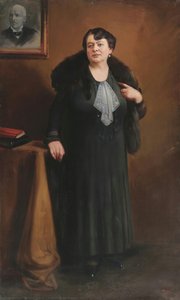
Aurelio Cartone
1910 - 1969 , Italy
基本情報
- Artistic Movement Or Style: Realism & Impressionism
- Artists Or Movements Influenced By This Artist: ['Cubism']
- Artists Who Influenced This Artist: ['Italian Renaissance']
- Date Of Birth: 1910
- Full Name: Aurelio Cartone
- Nationality: Italian
- Notable Artworks: ['Portrait of Ida Origgi']
- Place Of Birth: Milan, Italy