

 プレビュー
プレビュー
 シェアする
シェアする シェアする
シェアする
 詳細を見る
詳細を見る

 ダウンロード
 似ている作品
 X線調査
X線調査 スライドショー
 Stats
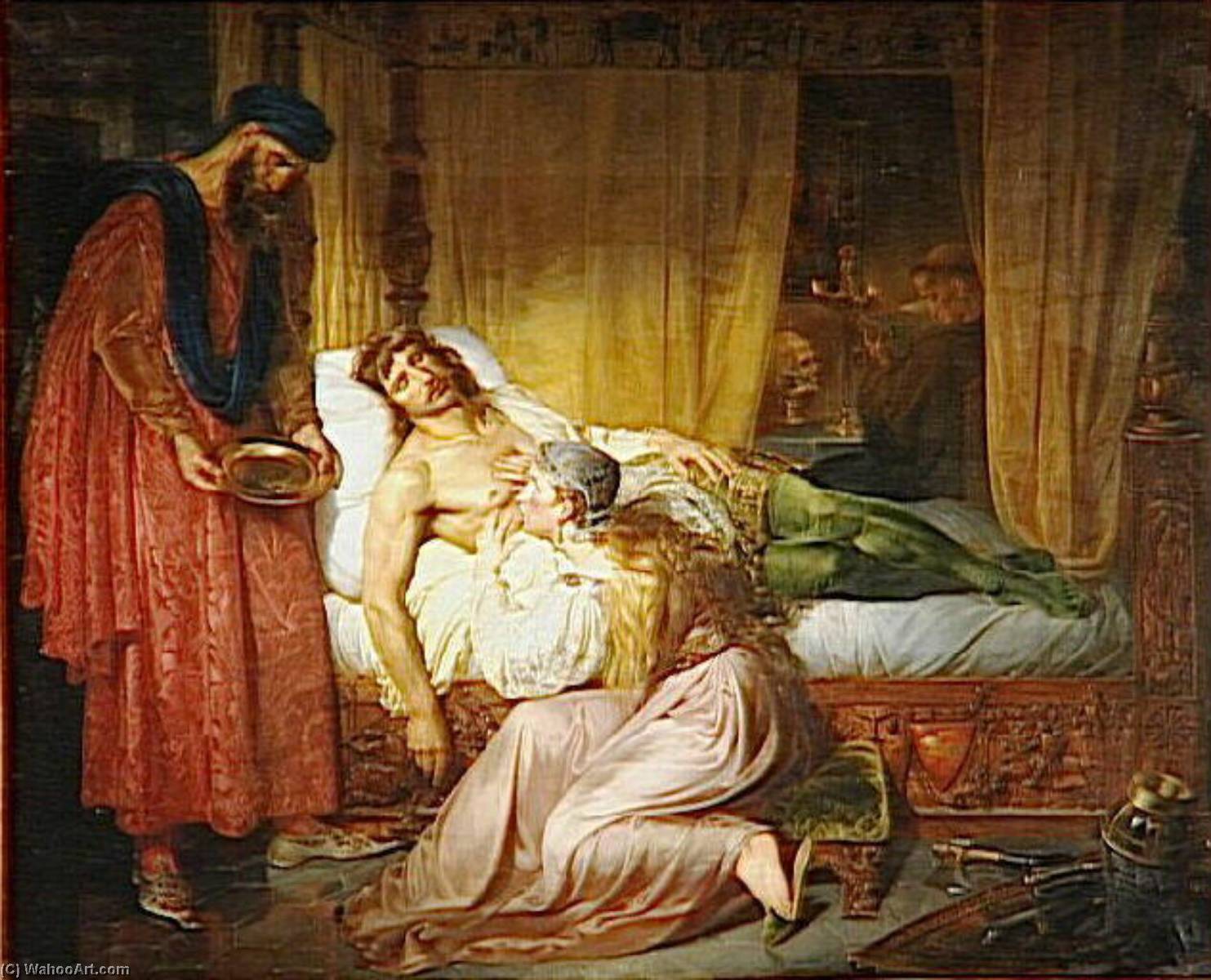
StatsLe dévouement de la Princesse Sibylle
 詳細を見る
詳細を見る
手描き油彩複製画
当社のアーティストが、お客様のご希望のサイズと額縁に合わせて、キャンバスに手描きで制作する油彩画です。 ( Switch to Print Switch to Digital Image)




































作品のオリジナル比率に合わせた、当店の規定サイズからお選びください。

特定のフレームやスペースに合わせて、ご希望のサイズをご入力いただけます。選択されたサイズが元の画像の比率と異なる場合、アートワークをトリミングするか、手描きで要素を追加して絵画を拡張いたします。デジタルモックアップ を制作し、制作開始前にご確認(承認)をいただきます。
画面上のプレビューは、実際のトリミングや拡張を正確に反映しているものではありません。最終的な構図は、モックアップによってのみ正確にご確認いただけます。
カスタムサイズもご利用いただけますが、元の比率を維持するためには、あらかじめ用意されたリストからサイズを選択することをお勧めいたします。
ご注文後、ArtsDot.com チームより詳細な指示をお送りするとともに、仕上がりイメージ(モックアップ)をご提供いたします。


 ガラスオプションは、110cm未満のサイズでのみご利用いただけます。

Le dévouement de la Princesse Sibylle
複製技法
複製画のサイズ
-


合計金額
$ 288
関連作品









アーティストの略歴
The Brief, Brilliant Flame of Félix Auvray
In the grand tapestry of nineteenth-century French art, few threads are as poignant or as tragically short-lived as that of Joseph Félix Henri Auvray. Born in 1800 in the historic city of Cambrai, Auvray emerged during a period of profound transition in the European aesthetic landscape. While history often remembers the giants of the era who lived to see the rise of Impressionism, Auvray’s life was a concentrated burst of Neoclassical and Romantic fervor, extinguished far too soon by his death in 1833. His journey began under the tutelage of Momal in Valenciennes, but it was his move to Paris that truly ignited his artistic spirit, placing him under the mentorship of the legendary Antoine-Jean Gros. This lineage connected Auvray directly to the heart of French academic excellence, infusing his early works with a sense of dramatic scale and historical gravity.
Auvray’s oeuvre, though limited by his untimely passing, serves as a window into the soul of historical painting. He possessed a remarkable ability to breathe life into the distant past, utilizing the grand narratives of religion and chivalry to explore human emotion. His technique was characterized by a mastery of light and shadow, a skill likely honed under Gros, which allowed him to create compositions that felt both monumental and deeply intimate. When he exhibited works such as St. Louis a Prisoner in 1824, he demonstrated an early command over the psychological weight of his subjects, moving beyond mere illustration to capture the profound isolation and spiritual resilience of the historical figure.
Mastery of the Historical Narrative
The true strength of Auvray’s artistry lay in his capacity for storytelling through the medium of oil. He did not merely paint scenes; he staged them with a theatrical precision that commanded the viewer's attention. His later works, such as Gautier de Châtillon defending St. Louis against the Saracens, showcase a sophisticated use of movement and conflict. In these compositions, the clash of steel and the chaos of battle are tempered by a classical restraint, ensuring that the underlying moral or spiritual significance is never lost amidst the action. This balance between the Romantic impulse toward drama and the Neoclassical devotion to structure defined his unique contribution to the French school.
Beyond the battlefield, Auvray explored the quiet, contemplative depths of religious iconography. His depictions of saints and biblical figures were marked by a certain luminous quality, where light seemed to emanate from the subjects themselves, suggesting a divine presence within the earthly realm. This ability to weave the sacred into the tangible made his work resonate deeply with the sensibilities of his contemporary audience, who sought in art both an escape into legend and a reflection of their own spiritual convictions.
Legacy and Artistic Lineage
Though his physical presence in the art world was brief, Auvray’s influence rippled through his family and his era. He was part of a significant artistic brotherhood; his brother, Louis Auvray, would go on to become a distinguished sculptor and art critic, ensuring that the name Auvray remained synonymous with French aesthetic rigor well into the late nineteenth century. The preservation of Félix Auvray's works in institutions such as the Musée des Beaux-Arts de Cambrai ensures that his mastery of historical composition continues to be studied by those seeking to understand the transition from the rigid structures of the past to the emotive freedom of the future.
To reflect on the life of Félix Auvray is to contemplate the ephemeral nature of genius. His career, though spanning only a few decades, left an indelible mark on the tradition of French historical painting. Through his disciplined brushwork and his profound empathy for his subjects, he captured the essence of an age caught between the echoes of antiquity and the approaching dawn of modernity.
auvray félix
1800 - 1833
基本情報
- Artistic Movement Or Style: Romanticism
- Artists Or Movements Influenced By This Artist: ['Baroque']
- Artists Who Influenced This Artist: ['Eugène Delacroix']
- Date Of Birth: 1800
- Date Of Death: 1833
- Full Name: Félix Nadar
- Nationality: French
- Notable Artworks:
- La famille Auvray
- La tunique de Joseph
- Place Of Birth: Paris, France