

 プレビュー
プレビュー
 シェアする
シェアする シェアする
シェアする
 詳細を見る
詳細を見る

 ダウンロード
 似ている作品
 X線調査
X線調査 スライドショー
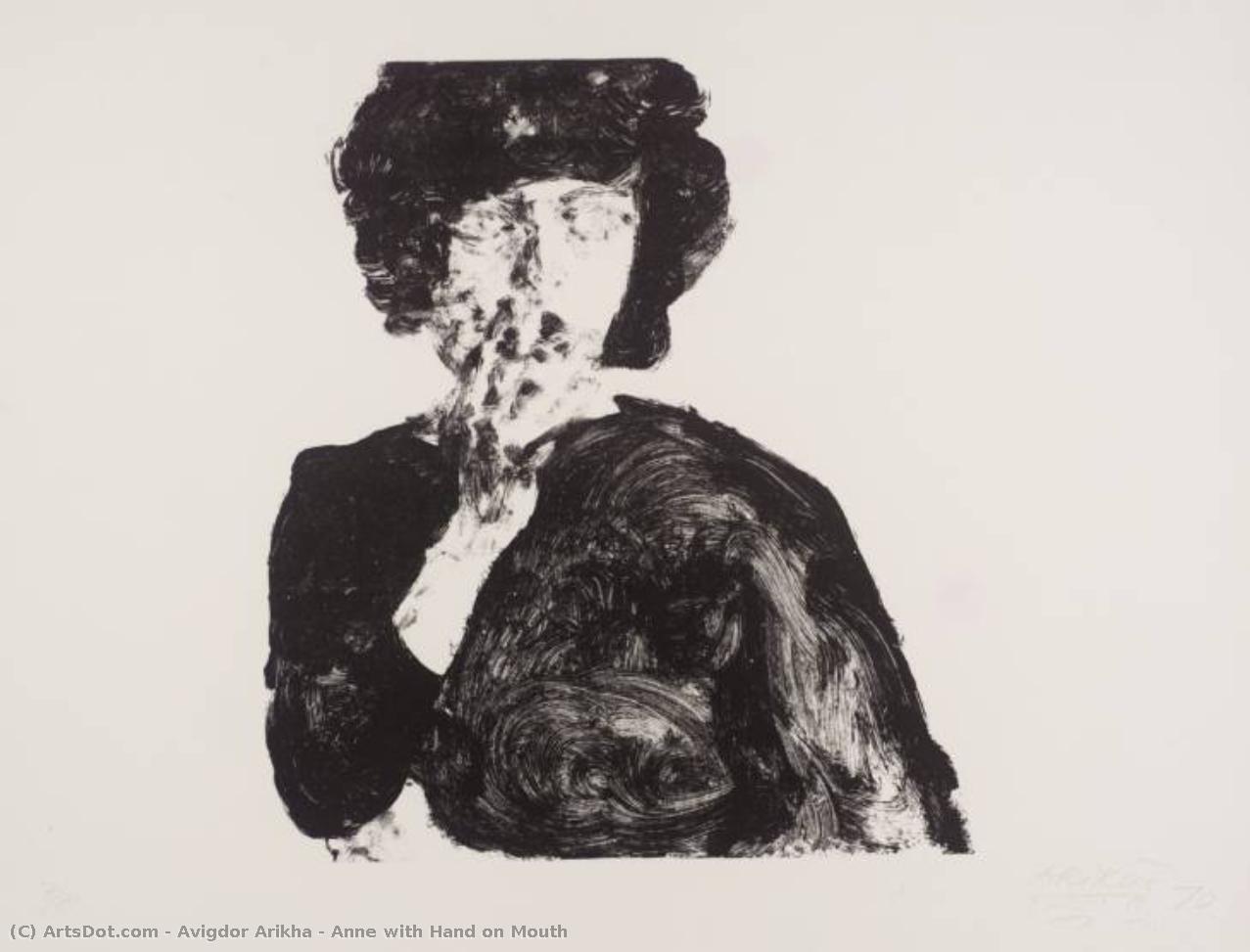
Anne with Hand on Mouth


 詳細を見る
詳細を見る
ジークレー/アートプリント
迅速な制作と多彩な仕上げオプションを備えた、ミュージアムクオリティのジークレーまたはキャンバスプリント。 ( 手描きの絵画を購入 画像を購入)




P118B $10

P118H $10

P118W $10

P438Z $10

P508JH $12

P508YH $12

P805H $10

P805Z $10

P919BZ $10

P919G $10

P919XJ $10

P959ZH $10

P968JZ $12

W106C $8

W218G $10

W218JH $8

W218Y $10

W307PJ $10

W316G $10

W316PJ $8

W316Y $10

W398PJ $8

W4111J $10

W500HY $15

W500JH $15

W692G $12

W849H $8

W940BG $15

W953PJ $8




作品のオリジナル比率に合わせた、当店の規定サイズからお選びください。

特定のフレームやスペースに合わせて、ご自身でサイズを指定することも可能です。選択されたサイズが元の画像の比率と一致しない場合、作品をトリミングするか、鏡面反射または単色での塗りつぶしによって画像を拡張いたします。制作を開始する前に、ご確認用のデジタルモックアップをお送りいたします。
画面上のプレビューには、実際のトリミングや拡張は反映されませんのでご注意ください。最終的な構図を正確に確認できるのは、モックアップのみとなります。
カスタムサイズも承っておりますが、元の比率を維持するためには、あらかじめ用意されたリストからサイズを選択することをお勧めいたします。


 ガラスオプションは、110cm未満のサイズでのみご利用いただけます。

Anne with Hand on Mouth
ジークレー/アートプリント
複製画のサイズ
-


合計金額
$ 62
作品詳細説明
The Weight of Silence: Unpacking Avigdor Arikha’s ‘Anne with Hand on Mouth’
Avigdor Arikha's “Anne with Hand on Mouth,” created in 1970, isn’t merely a portrait; it’s an arresting study in psychological depth and the subtle language of gesture. Born to Jewish parents in Romania amidst the turmoil of war and displacement, Arikha’s early life profoundly shaped his artistic vision – a sensitivity to vulnerability, loss, and the unspoken narratives etched onto human faces. This particular work, rendered in stark monochrome, immediately draws the viewer into a space of quiet contemplation, inviting us to decipher the story held within the woman's gaze and the deliberate act of covering her mouth.
- A Legacy of Trauma: Arikha’s personal history—his father’s death in a concentration camp, his own survival through drawing scenes of deportation—infuses his work with an undeniable sense of urgency and a profound awareness of human suffering. This isn't a detached observation; it’s a visceral engagement with the realities of displacement and the enduring scars of trauma.
- The Shift to Drawing: Following a period of abstract painting, Arikha made a pivotal decision in 1965 to abandon abstraction and dedicate himself solely to drawing directly from life. This commitment to immediacy—to capturing the essence of a subject within a single sitting—is evident in the raw energy and emotional intensity of “Anne with Hand on Mouth.”
The Language of Line: Technique and Composition
What immediately commands attention is Arikha’s masterful use of line. It's not employed to meticulously recreate form, but rather as a vehicle for conveying texture, emotion, and movement. Thick, overlapping lines create a dense, almost tactile surface—a sense of roughness and immediacy that contrasts sharply with the smooth background. The linework isn’t precise; it’s gestural, suggesting a rapid, impulsive creation process, mirroring perhaps the intensity of the subject's internal experience.
- Monochromatic Drama: The restricted color palette—a symphony of black, white, and shades of grey—amplifies the emotional impact. It’s not a neutral backdrop; it’s a deliberate choice that heightens the sense of drama and introspection.
- Tight Composition: The cropped composition focuses entirely on the woman's face and upper torso, eliminating any distractions and intensifying the viewer’s engagement with her expression. The hand obscuring her mouth becomes the undeniable focal point, demanding our attention and prompting questions about what she is withholding.
Symbolism of Silence: Interpretation and Emotion
The gesture of covering the mouth is laden with symbolic weight. It’s a potent image of silence, restraint, secrecy, or perhaps even defiance. In many cultures, the hand over the mouth signifies a refusal to speak, a desire to protect oneself from harm, or an attempt to conceal a painful truth. Within the context of Arikha's biography—his own experiences with displacement and loss—the gesture takes on an added layer of significance, suggesting a struggle to articulate trauma or a deliberate effort to maintain inner composure in the face of adversity.
Consider the potential interpretations:- Suppressed Emotion: Is she holding back tears? A confession? A secret?
- Defiance: Could it be a subtle act of resistance against an oppressive force?
- Introspection: Perhaps she is lost in thought, grappling with her own identity and place in the world.
A Window into the Artist’s Soul
“Anne with Hand on Mouth” isn't simply a portrait; it’s a deeply personal statement from Arikha himself—a testament to his ability to capture the complexities of human emotion through line and shadow. It stands as a powerful example of his unique artistic vision, blending historical context, psychological insight, and technical mastery into a work that continues to resonate with viewers today. Reproductions of this piece offer a remarkable opportunity to bring Arikha’s evocative world into your own space, inviting contemplation and sparking dialogue about the enduring power of art to reveal the hidden depths of the human experience.
関連作品
アーティストの略歴
生い立ちと背景
- 誕生: ルーマニア、ラダウチ(1929年)
- 逝去: 2010年
- ヴィクトル・ドゥガチュ(後のアヴィグドール・アリカ)は、ルーマニアのブコビナ地方、ラダウチに住むドイツ語を話すユダヤ人の両親のもとに生まれました。
- 彼は同じくブコビナのチェルノヴィッツで育ちました。
- 1941年、彼の家族はルーマニアが管理する強制収容所、トランスニストリアへの強制送還に直面し、その過酷な環境の中で父を亡くしました。
- アリカは、目の当たりにした送還の光景をスケッチすることで生き延び、その作品は国際赤十字の代表団へと届けられました。
芸術的発展とスタイル
- 移住と教育: 1944年、妹と共にパレスチナへ移住。1948年までキブツ・マアレ・ハハミシャで生活し、エルサレムのベザレル美術学校にて学問を深めました(1ス期1946-1949)。
- 初期のキャリアと抽象表現: 奨学金を得てパリのエコール・デ・ボザールへ留学(1949年)。そこでフレスコ技法を習得しました。1954年からはパリに定住し、1950年代後半には抽象画家としての道を歩み始めます。
- 素描への転換と絵画への回帰: 1965年、彼は一度絵筆を置き、8年間にわたり、あらゆる主題を一度の座り込みで描き切る「生写し」の素描に没頭しました。その後、1973年に再び油彩画へと戻ります。
- 独自のシグネチャー・スタイル: アリカは、事前の下絵を描かず、自然光のみの下で被写体を直接描くという唯一無二のスタイルを確立しました。この手法は、瞬時性と自発性を極限まで追求したものです。
- 影響を受けたもの: 中国の水墨画にインスピレーションを受け、友人のアンリ・カルティエ=ブレッソンと同様に、「決定的な瞬間」を捉えるという共通の理念を持っていました。
- 主題: 肖像画、ヌード、静物画、風景画で知られます。それらは写実的に描かれながらも、モンドリアンなどの抽象芸術から受けた空間構成の教訓が息づいています。
主要な業績と評価
- 批評家による称賛: 『エコノミスト』誌において、「20世紀の最後の数十年における、おそらく最高の実在を描く画家」と評されました。
- 依頼画と肖像画: エリザベス皇太后(1983年)や、スコットランド国立肖像画ギャラリーに収蔵されているロード・ホーム元首相(1988年)など、数々の重要な肖像画を手掛けました。また、フランス国家のためにカトリーヌ・ドヌーヴ(1990年)を、リール市のためにピエール・モローを描いています。
- 展覧会: ロンドンやニューヨークで頻繁に展示を行い、20回を超える個展を開催しました。
- 回顧展: 1998年にはイスラエル美術館(絵画)とテルアビブ美術館(版画・素描)で大規模な回顧展が開催されました。他にもスコットランド国立近代美術館、大英博物館、フランス国立図書館、ティッセン=ボルネミッサ美術館などで展示が行われています。
- 受賞と栄誉: 金賞、レ・レト・デ・ザール・エ・デ・レットル勲章、パリ市芸術大賞、文学・科学芸術賞、そしてレジオンドヌルシオン勲章のシュヴァリエなど、数多くの栄誉に輝きました。
美術史における意義
- モダニズムの架け橋: 美術批評家のマルコ・リヴィングストンは、アリカについて「純粋な抽象というモダニズムの前衛と、ルネサンスまで遡る観察的な素描・絵画の伝統を繋ぐ存在」であると述べています。
- ポスト抽象表現主義: 彼は「ポスト抽象的具象画家」と見なされています。純粋な抽象化の教訓を空間構成の中に保持しながらも、その枠組みを超えた表現を実現しました。
- 直接的な観察へのこだわり: 下書きや写真に頼らず、生きた対象を直接描くというアリカの信念は、多くの現代アーティストとは一線を画すものであり、即時的な知覚の重要性を強調しました。
- 遺産: 彼の作品は、イスラエル美術館、テルアビブ美術館、スコットランド国立近代美術館、大英博物館、フランス国立図書館、ティッセン=ボルネミッサ美術館など、世界中の権威あるコレクションに収蔵されています。
美術史家・作家としての側面
- 学術的貢献: アリカは画家としてだけでなく、尊敬を集める美術史家、そして美術に関する作家でもありました。
- カタログと著作: ルーヴル美術館でのプッサンやアングルの展覧会カタログを執筆したほか、『Ingres, Fifty Life Drawings』、『Peinture et Regard』、『On Depiction』といった著作を残しています。
- 講演活動: プリンストン大学、イェール大学、フリック・コレクションなどの名門機関において、広く講演を行いました。
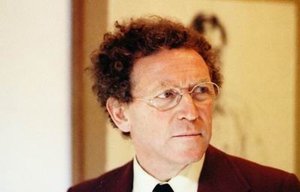
アヴィドール・アリハ
1929 - 2010 , ルーマニア
基本情報
- Artistic Movement Or Style: ポスト抽象表現主義
- Artists Who Influenced This Artist:
- アンリ・カルティエ=ブレッソン
- モンドリアン
- Date Of Birth: 1929年4月28日
- Date Of Death: 2010年4月29日
- Full Name: アヴィドール・アリハ
- Nationality:
- イスラエル人
- フランス人
- ルーマニア人
- Place Of Birth: ルーマニア、ラダウチ
関連記事

White on Canvas: 10 Masterpieces & Timeless Elegance for Your Home Decor
Explore 10 iconic white paintings by Monet, Whistler & Rothko! Discover the stories behind these serene masterpieces and their impact on art history. Find museum-quality reproductions for your home decor at .

Dark Masterpieces: 10 Iconic Paintings Dominated by Black Tones |
Explore 10 iconic paintings dominated by black tones, from Rembrandt’s chiaroscuro to Goya's dark expressions. Discover the stories behind these masterpieces & find museum-quality art reproductions for your home at .

Monochrome Visions: Exploring the Aesthetic & Historical Significance of Black & White Photography
Explore the rich history & artistic power of black and white photography. From early techniques to iconic masters like Ansel Adams, discover why monochrome continues to captivate art lovers today. Expert insights for collectors.
Top 10 Lithographs That Revolutionized Art | ArtsDot
Explore 10 legendary lithographs by Toulouse-Lautrec, Munch & Picasso that redefined art! Discover the stories behind these iconic prints and find museum-quality reproductions for your home decor at ArtsDot.com. Explore the full collection online.
Avigdor Arikha: A Life in Painting – From Witness to Abstraction
Explore the life and work of Avigdor Arikha, a master painter celebrated for his striking portraits and commitment to painting directly from life. Discover his journey from trauma to abstraction & lasting influence.

