

 プレビュー
プレビュー
 プリントを購入
 シェアする
シェアする シェアする
シェアする
 詳細を見る
詳細を見る

 ダウンロード
 似ている作品
 X線調査
X線調査 スライドショー
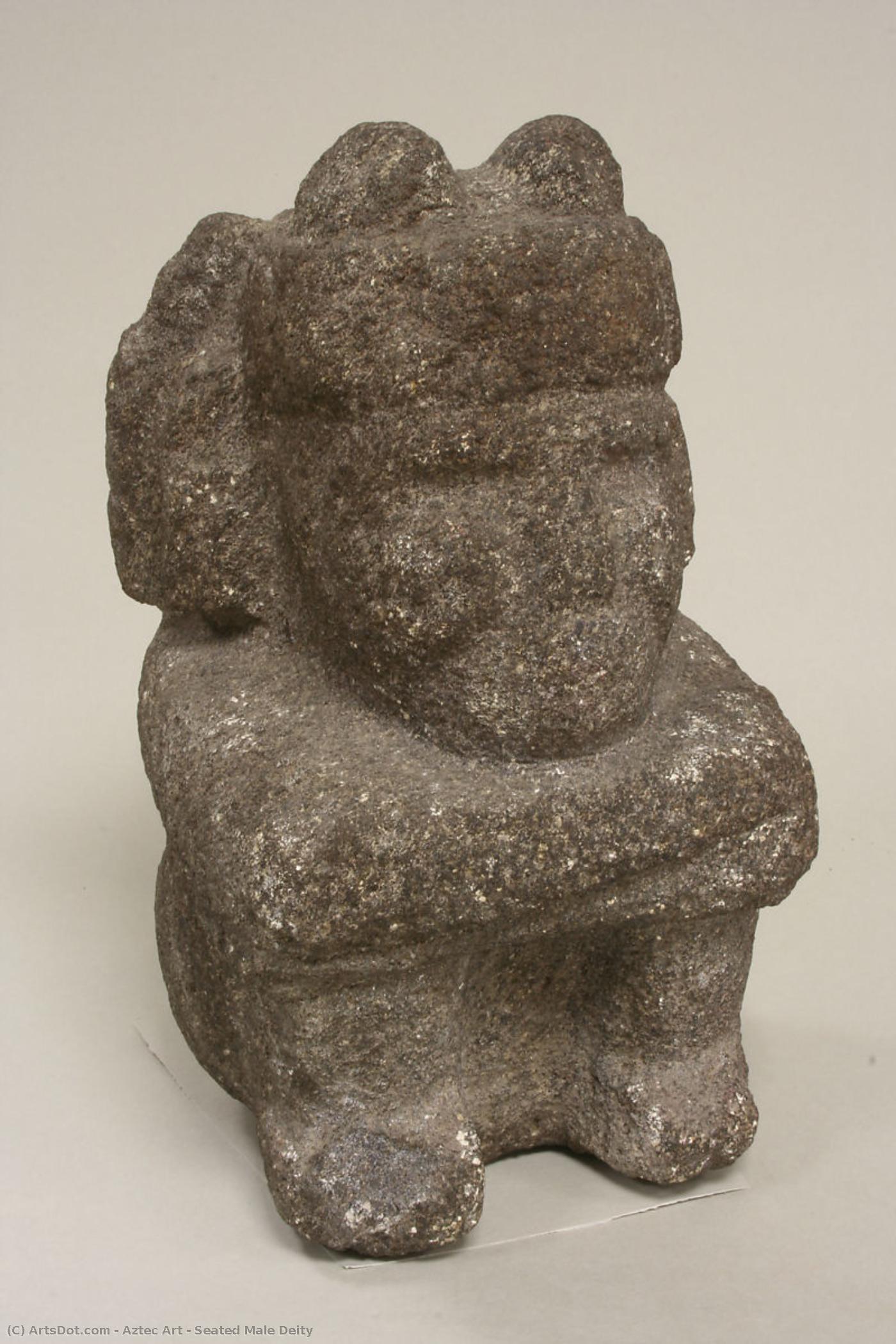
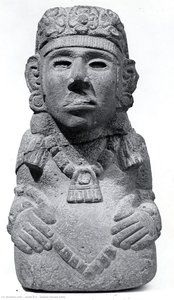
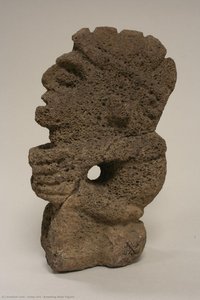
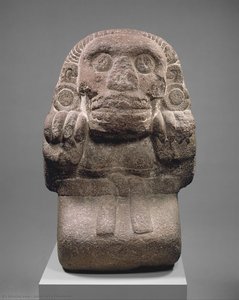
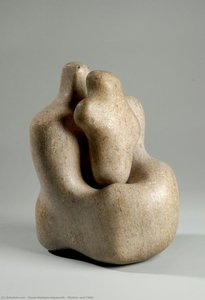
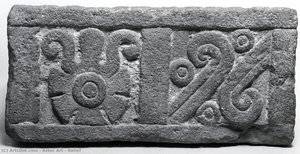
Seated Male Deity


 詳細を見る
詳細を見る
オンラインプレビューをはるかに凌ぐ、高解像度で鮮明なデジタル画像をご購入いただけます。
各ファイルは、社内の専門家が高度なツールと熟練した手作業によるレタッチを用いて、細心の注意を払って準備されています。すべての画像において、卓越した鮮明度、正確な色彩再現性、そして繊細なディテールを保証いたします。
最終ファイルは、プロフェッショナルな編集・印刷環境ですぐにご利用いただけるよう最適化された状態で、72時間以内にメールにてお届けいたします。これは、一流のデザインスタジオ、出版社、ギャラリーから信頼されているものと同等の品質です。
デジタル画像のご注文に付随する特典
高品質なデジタル画像配信を、確かな品質で。
ArtsDot.com を選ぶことは、単に画像を手に入れることではありません。それは、プロの手によって精密に仕上げられ、満足保証が付いた高品質なデジタルアートワークを受け取ることを意味します。ご注文いただいた際に自動的に付随する内容は、以下の通りです:

メールですぐにお届け
ご注文から72時間以内に、高解像度のデジタル画像ファイルがメールでお手元に届きます。すぐにそのままご利用いただけます。

AI技術で最適化されたデジタルファイル
お客様の作品は、高度なAIツールと専門家による手作業の編集を組み合わせてプロフェッショナルに最適化されており、細部のディテール、鮮明さ、そして正確な色再現性を最大限に引き出しています。

一生涯無料の再送サービス
ファイルを誤って削除したり、紛失してしまったりしましたか?ご安心ください。いつでも無料で再送いたします。

輸入手数料は一切かかりません
関税や手数料、配送料を気にすることなく、お気に入りのアートワークをすぐにお楽しみいただけます。デジタルダウンロードは常に免税です。

色彩再現の保証
プロ仕様のツールとカラーマネジメント技術を用いることで、デジタル画像が元の色を最大限に忠実に再現することを保証いたします。

100日間満足保証
ご購入いただいたデジタル画像にご満足いただけない場合は、100日以内であれば、修正または100%の返金(理由を問う必要はありません)をさせていただきます。

100% 返金保証
ご満足いただけない場合は、デジタルファイルを受け取ってから100日以内であれば、理由を問わず全額返金いたします。

まとめ買い割引
3枚購入で10%OFF - 5枚購入で15%OFF - 10枚以上購入で20%OFF。クリエイティブなプロジェクト、ギャラリー、エージェンシーに最適です。
A Glimpse of Ancient Majesty: The Seated Male Deity
The Aztec Empire, a civilization that flourished in Mesoamerica for centuries, left behind a legacy of breathtaking artistry and profound spiritual belief. Among its most compelling creations stands the “Seated Male Deity,” often referred to as Ehecatl – a figure embodying both divine authority and the raw power of nature. This remarkable sculpture, carved from volcanic basalt, offers a captivating window into the cosmology and artistic sensibilities of this extraordinary culture. Its weathered surface whispers tales of rituals performed under open skies, of priests interpreting the will of the gods, and of a society deeply intertwined with the rhythms of the natural world.
Dating back to the Post-Classic period (roughly 900-1521 CE), this piece exemplifies the distinctive style of Aztec art. Unlike the highly realistic depictions found in earlier Olmec sculpture, the Seated Male Deity embraces a stylized and symbolic approach. Geometric forms dominate, creating a sense of deliberate abstraction rather than striving for photographic accuracy. The figure’s posture – seated with hands resting on his knees – is imbued with an air of serene contemplation, while the elaborate headdress, composed of stepped layers, speaks to hierarchical power and connection to the celestial realm. Notice the careful attention to detail in the carving; each line and angle contributes to a larger narrative, inviting viewers to decipher its hidden meanings.
Decoding Symbolism: The Deity’s Attributes
The symbolism embedded within the Seated Male Deity is rich and multifaceted, reflecting the complex religious beliefs of the Aztecs. The figure's overall form immediately evokes associations with wind – a connection reinforced by his name, Ehecatl, which translates to “Breath of Wind” or “Wind God.” The headdress, particularly its stepped design, likely represents the layers of the heavens and the connections between the earthly realm and the divine. The hands resting on his knees suggest a posture of authority and wisdom, embodying the role of a mediator between humanity and the gods.
Beyond wind, the deity’s attributes also hint at other significant concepts within Aztec cosmology. Some scholars interpret the headdress as representing the sun, while others see echoes of maize – a staple crop and symbol of life and fertility. The overall impression is one of a figure embodying both earthly sustenance and celestial power, reflecting the Aztecs' understanding of their place in the universe.
Craftsmanship and Materials: A Testament to Skill
The creation of this sculpture demanded exceptional skill and patience from Aztec artisans. Carved meticulously from dark grey or brown basalt – a volcanic rock readily available in Mesoamerica – each element was painstakingly shaped using stone tools, chisels, and abrasives. The surface texture is deliberately left rough and uneven, reflecting the natural state of the stone and the hand-crafted nature of the work. This deliberate choice adds to the sculpture’s ancient and weathered appearance, evoking a sense of timelessness and connection to the past.
The technique employed involved removing material from the stone through repeated hammering and polishing, revealing the desired form with remarkable precision. The absence of extensive smoothing or finishing suggests that the artisans prioritized conveying symbolic meaning over achieving a perfectly polished surface – a testament to their artistic vision and understanding of how form communicates essence.
A Legacy in Stone: Connecting with Ancient Wisdom
The “Seated Male Deity” transcends its physical form, offering a powerful connection to the spiritual and cultural heritage of the Aztec Empire. Its enduring presence speaks to the Aztecs’ profound reverence for nature, their complex religious beliefs, and their remarkable artistic abilities. Today, reproductions of this iconic sculpture continue to captivate audiences worldwide, serving as reminders of a civilization that sought to understand its place within the vastness of the cosmos.
Whether displayed in a museum or incorporated into an interior design scheme, this artwork invites contemplation and reflection. It’s more than just a beautiful object; it's a tangible link to a vibrant past, a testament to human creativity, and a symbol of enduring wisdom.

作家の略歴
石の残響:アステカ帝国の芸術とその遺産を辿る
「アステカ」という名は、ナワトル語で「多様な形態を持つ人々」を意味するātl-ce-tlācati–tlānに由来します。その響きは、数世紀にわたってメソアメリカを支配した、広大で複雑な帝国の姿を思い起こさせます。アステカの人々は、単なる戦士や征服者ではありませんでした。彼らは極めて芸術的な精神を持つ人々であり、壮大な建築から繊細な羽毛細工、神聖な儀式から日用品に至るまで、生活のあらゆる側面に緻密な美を織り込んでいました。彼らの芸術は単なる装飾ではなく、厳格な構造と驚くべき革新性を併せ持つ社会における、宗教的信仰、政治的権力、歴史的物語、そして社会階層を伝える、鮮やかな「言語」そのものだったのです。
14世紀初頭、アステカ帝国の中心地であるテノチティトランで産声を上げた彼らの芸術的伝統は、それ以前のメソアメリカ文明の遺産に深く根ざしていました。巨大な頭部像や洗練された暦体系を持つオルメカ、巨大なピラミッドと都市計画で知られるテオティワカン、そして金属工芸と彫刻の達人であったトルテカ。これら先代の文明が紡いできた豊かな芸術のタペストリーを、アステカは受け継ぎました。しかし、彼らは単なる模倣者ではありませんでした。彼らはこれらの影響を独自の美意識と融合させ、大胆な色彩、複雑な幾何学模様、そして象徴的な表現を特徴とする、唯一無二のスタイルを確立させたのです。
権力のパレット:素材と技法
アステカの芸術は驚くほど多様であり、目を見張るような幅広い素材と技法が用いられていました。なかでも石彫は重要な地位を占め、神々や統治者、神話上の生き物を描いた記念碑的な彫刻にその極致が見られます。1946年に発見された巨大な「太陽の石(暦石)」は、彼らの素材への習熟を示す証左です。それは暦の情報と宇宙論的な象徴性を組み合わせた、複雑で層を成す石の浮き彫りでした。また、熟練した職人たちは木、粘土、そしてとりわけ鮮やかなケツァールの羽をはじめとする羽毛、さらには翡翠、ターコイズ、黒曜石、黄金といった素材を操り、富と地位の両方を表現しました。
アステカ芸術において、最も視覚的な衝撃を与えるのはおそらく羽毛細工でしょう。緻密に作られた冠、マント、盾などの装飾品は、数千枚もの羽を細心の注意を払って配置することで作り上げられました。その工程には、計り知れない技術と忍耐が必要とされたのです。これらの品々は単に美しいだけでなく、権威や宗教的献身、そして社会的な階級を示す強力な象徴でもありました。色彩そのものにも特定の意味が込められていました。青は天を、緑は豊穣を、赤は戦いを、そして黄色は太陽を表していたのです。
さらに、アステカの芸術家たちはモザイク細工の達人でもありました。小さく精密にカットされた石のタイルを用いて、見事な装飾パネルを作り上げたのです。これらのモザイクは神殿や宮殿、邸宅を彩り、建築空間に視覚的な豊かさを添えました。陶器も同様に素晴らしく、複雑な幾何学模様や、動物や神々の姿が精巧に描かれていました。
象徴の言語:主題とモチーフ
アステカの芸術は象徴性に満ちており、一つひとつの図像には、神官や書記、統治者が慎重に解釈を必要とする幾層もの意味が込められていました。中心的な神である戦と太陽の神ウィツィロポチトリは、羽毛や貴石で飾られた豪華な冠を被った姿で頻繁に描かれました。また、知識、知恵、創造に関連する羽毛を持つ蛇の神ケツァルコアトルも、彼らのパンテオンにおいて重要な地位を占め、数多くの芸術作品に登場しています。
太陽周期と儀礼周期を驚くほど高度に組み合わせた暦体系も、繰り返されるモチーフの一つでした。暦の図像、文字、天文学的な記号は、彫刻やモザイク、そして「コデックス(絵文書)」の中に組み込まれ、アステカの人々の時間と宇宙に対する深い理解を反映していました。主食であるトウモロコシの表現は、生命の維持と豊穣を象徴し、ジャガー、ワシ、ヘビ、ハミングバードといった動物のイメージは、力、勇気、そして神聖さに関連する象徴的な意味を帯びていました。
断片に宿る遺産:芸術の歴史的意義
1521年、スペインの征服者たちの手によってアステカ帝国が突如として崩壊したことは、メソアメリカ文化にとって壊滅的な損失となりました。悲劇的なことに、彼らの芸術的遺産の多くは征服の過程で破壊されました。神殿は打ち砕かれ、彫刻は粉々にされ、コデックスは焼き払われたのです。しかし、こうした喪失にもかかわらず、アステカ芸術の断片は今日まで生き残り、この驚異的な文明を知るための極めて貴重な手がかりを与えてくれています。
顕著な例としては、アステカの高度な天文学と数学の知識を示す記念碑的な「太陽の石」、世界中の美術館に保存されている緻密な羽毛細工の冠やマント、そして歴史的記録や宗教的信仰、暦の情報を記した手書きの書物である現存するコデックスなどが挙げられます。メキシコの「アンドレス・ブライステン・コレクション」には、アステカの芸術伝統を照らし出す重要なラテンアメリカ美術が収蔵されています。
アステカ帝国の芸術的遺産が放つ影響力は、現代のアーティストやデザイナーにもインスピレーションを与え続けています。彼らの革新的な技法、象徴的なイメージ、そして自然との深い結びつきは、今もなお世界中の人々の心に響いています。アステカの芸術を辿ることは、単なる歴史への鑑賞ではありません。それは、人間の創造性、独創性、そして精神的な深遠さを証明する、複雑で魅惑的な文明の核心へと向かう旅なのです。
アステカ帝国やその他の著名な芸術家によるさらなる作品をご覧になるには、ArtsDot.com を訪れてください。
アステカ帝国
1300 - 1521
プロフィール概要
- Artistic Movement Or Style: メソアメリカ美術
- Artists Or Movements Influenced By This Artist: ['現代美術']
- Artists Who Influenced This Artist:
- オルメカ
- テオティワカン
- トルテカ
- Date Of Birth: 1300年 (テノチティトラン)
- Date Of Death: 1521年
- Full Name: アステカ帝国
- Nationality: メキシコ
- Notable Artworks:
- アステカ・カレンダー
- 太陽のピラミッド
- メシカの羽毛細工
- Place Of Birth: メキシコ、テノチティトラン