

 プレビュー
プレビュー
 シェアする
シェアする シェアする
シェアする
 詳細を見る
詳細を見る

 ダウンロード
 似ている作品
 X線調査
X線調査 スライドショー
 統計情報
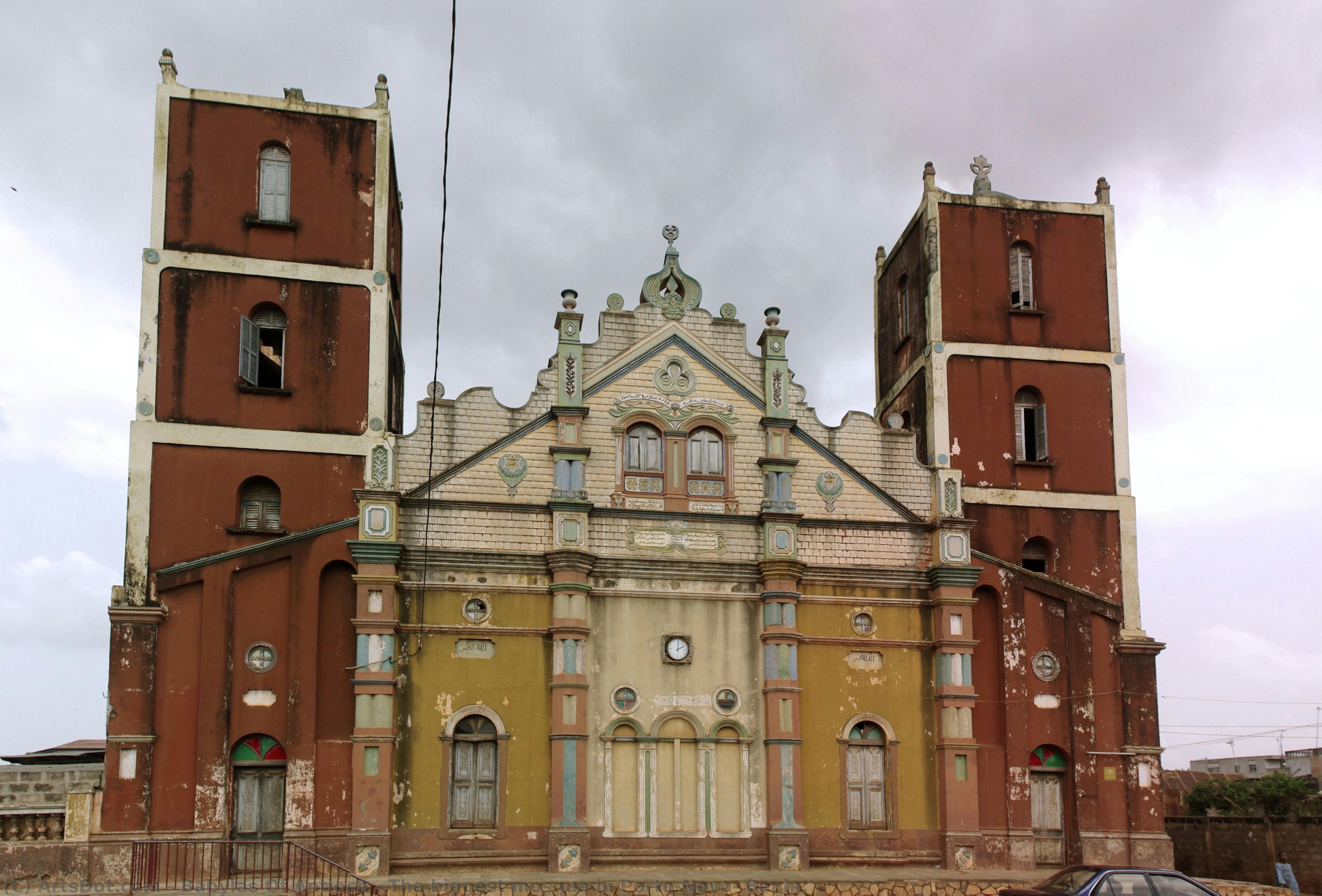
統計情報The biggest mosque in Porto-Novo, Benin.


 詳細を見る
詳細を見る
オンラインプレビューをはるかに凌ぐ、高解像度で鮮明なデジタル画像をご購入いただけます。
各ファイルは、社内の専門家が高度なツールと熟練した手作業によるレタッチを用いて、細心の注意を払って準備されています。すべての画像において、卓越した鮮明度、正確な色彩再現性、そして繊細なディテールを保証いたします。
最終ファイルは、プロフェッショナルな編集・印刷環境ですぐにご利用いただけるよう最適化された状態で、72時間以内にメールにてお届けいたします。これは、一流のデザインスタジオ、出版社、ギャラリーから信頼されているものと同等の品質です。
デジタルアート
個人での鑑賞、印刷、クリエイティブなプロジェクト用に、高解像度ファイルをダウンロードできます。 ( プリント版に切り替え 手描きの絵画を購入)
デジタル画像のご注文に付随する特典
高品質なデジタル画像配信を、確かな品質で。
ArtsDot.com を選ぶことは、単に画像を手に入れることではありません。それは、プロの手によって精密に仕上げられ、満足保証が付いた高品質なデジタルアートワークを受け取ることを意味します。ご注文いただいた際に自動的に付随する内容は、以下の通りです:

メールですぐにお届け
ご注文から72時間以内に、高解像度のデジタル画像ファイルがメールでお手元に届きます。すぐにそのままご利用いただけます。

AI技術で最適化されたデジタルファイル
お客様の作品は、高度なAIツールと専門家による手作業の編集を組み合わせてプロフェッショナルに最適化されており、細部のディテール、鮮明さ、そして正確な色再現性を最大限に引き出しています。

一生涯無料の再送サービス
ファイルを誤って削除したり、紛失してしまったりしましたか?ご安心ください。いつでも無料で再送いたします。

輸入手数料は一切かかりません
関税や手数料、配送料を気にすることなく、お気に入りのアートワークをすぐにお楽しみいただけます。デジタルダウンロードは常に免税です。

色彩再現の保証
プロ仕様のツールとカラーマネジメント技術を用いることで、デジタル画像が元の色を最大限に忠実に再現することを保証いたします。

100日間満足保証
ご購入いただいたデジタル画像にご満足いただけない場合は、100日以内であれば、理由を問わず修正または100%の返金対応をさせていただきます。

100% 返金保証
ご満足いただけない場合は、デジタルファイルを受け取ってから100日以内であれば、理由を問わず全額返金いたします。

まとめ買い割引
3枚購入で10%OFF - 5枚購入で15%OFF - 10枚以上購入で20%OFF。クリエイティブなプロジェクト、ギャラリー、エージェンシーに最適です。
関連作品







作家の略歴
Babylas of Antioch: A Silent Witness to Faith and Translation
The name Babylas, meaning “little” or “humble,” belies the monumental impact this Syrian patriarch has had on Christian history. Born in Antakya, a city nestled at the crossroads of empires – Roman, Byzantine, Armenian, Syriac, and Arab – during the late 3rd century AD, Babylas’s life was tragically cut short by persecution under Emperor Decius. Yet, his story transcends mere martyrdom; it's a narrative interwoven with theological debate, political maneuvering, and, most remarkably, the very first documented instance of a saint’s remains being moved – “translated” – for religious veneration. His legacy isn’t etched in grand monuments or elaborate iconography, but rather in the quiet persistence of faith and the profound shift it initiated within Christian practice.
Babylas’s ascent to the episcopacy of Antioch was a product of turbulent times. The city, once a vibrant center of Roman power and Hellenistic culture, had become a battleground for theological disputes surrounding Arianism – a challenge to the divinity of Christ. He succeeded Zebinnus in 237 AD, inheriting a church grappling with internal divisions and external pressures. His early years were marked by navigating the complexities of imperial politics and the ever-present threat of persecution. Legend quickly grew around his character; accounts depict him as a man of unwavering conviction, refusing to compromise his beliefs even when faced with threats from Emperor Philip the Arab. The story of his refusal to allow Philip entry into the Easter Vigil service – demanding penance for the emperor’s role in the murder of the young Gordian III – became a cornerstone of his hagiography, solidifying his image as a fearless defender of orthodoxy.
The Decian Persecution and Martyrdom
Babylas's tragic end occurred during the brutal Decian persecution (250-251 AD), a period of intense religious repression orchestrated by Emperor Decius. His steadfast refusal to renounce his faith led to imprisonment and ultimately, death. The Acts of the Martyrs, preserved through centuries of tradition, detail his suffering in vivid terms – a testament to the unwavering spirit that defined him. He died in prison, a martyr for his beliefs, solidifying his place as one of the earliest recognized saints within the Eastern Orthodox Church. The circumstances surrounding his demise are shrouded in some mystery; accounts suggest he was subjected to torture before succumbing to his wounds.
The Extraordinary Translation – A Revolutionary Act
What distinguishes Babylas from many other early martyrs is the extraordinary event that followed his death: the translation of his remains. Just a few years after his passing, Emperor Julian the Apostate, attempting to counter the influence of Christianity and restore pagan worship, ordered the construction of a new church dedicated to Babylas in Daphne, a suburb of Antioch. However, rather than simply erecting a tomb, Julian orchestrated the removal of Babylas’s body from its original burial site and transported it to this newly built sanctuary. This act – the deliberate relocation of a saint's remains – was unprecedented at the time. It established a precedent that would become commonplace in subsequent centuries, transforming the practice of relic veneration into a central element of Christian devotion. Historians believe Julian’s motives were complex, likely a combination of political expediency and genuine attempts to neutralize the spiritual power associated with the saint.
Legacy and Historical Significance
Babylas's legacy extends far beyond his individual martyrdom. He represents a pivotal moment in Christian history – the emergence of relic veneration as a significant religious practice. The translation of his remains wasn’t merely a symbolic gesture; it fundamentally altered how Christians interacted with saints and their legacies. It created a tangible link between the living and the dead, fostering a sense of intimacy and connection that profoundly shaped Christian spirituality. Furthermore, Babylas's story highlights the complex interplay between faith, politics, and imperial power in the early centuries of Christianity. His life serves as a reminder of the sacrifices made by those who defended their beliefs against overwhelming odds.
Modern Recognition and Remembrance
Today, Babylas is venerated primarily within the Eastern Orthodox and Eastern Catholic Churches of the Byzantine rite, with his feast day falling on September 4th in the Eastern tradition and January 24th in the Roman Rite. His story continues to be recounted and celebrated, a testament to his enduring significance. The rediscovery of his remains in the late Middle Ages and their subsequent relocation to Cremona further cemented his place as a key figure in Christian history. Babylas of Antioch – a humble patriarch who, through his unwavering faith and a single, revolutionary act, left an indelible mark on the spiritual landscape of Christendom.
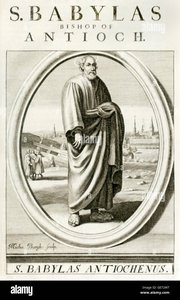
babylas of antioch
Syrian Arab Republic
プロフィール概要
- Artistic Movement Or Style: Early Christian Saints
- Artists Or Movements Influenced By This Artist: ['Eastern Orthodox Church']
- Artists Who Influenced This Artist: ['Peter Chrysostom']
- Date Of Birth: Antakya, Syria (237)
- Date Of Death: 253
- Full Name: Babylas of Antioch
- Nationality: Syrian
- Notable Artworks: ['San Babila e i tre piccoli martiri']
- Place Of Birth: Antakya, Syrian Arab Republic