

 プレビュー
プレビュー
 シェアする
シェアする シェアする
シェアする
 詳細を見る
詳細を見る

 ダウンロード
 似ている作品
 X線調査
X線調査 スライドショー
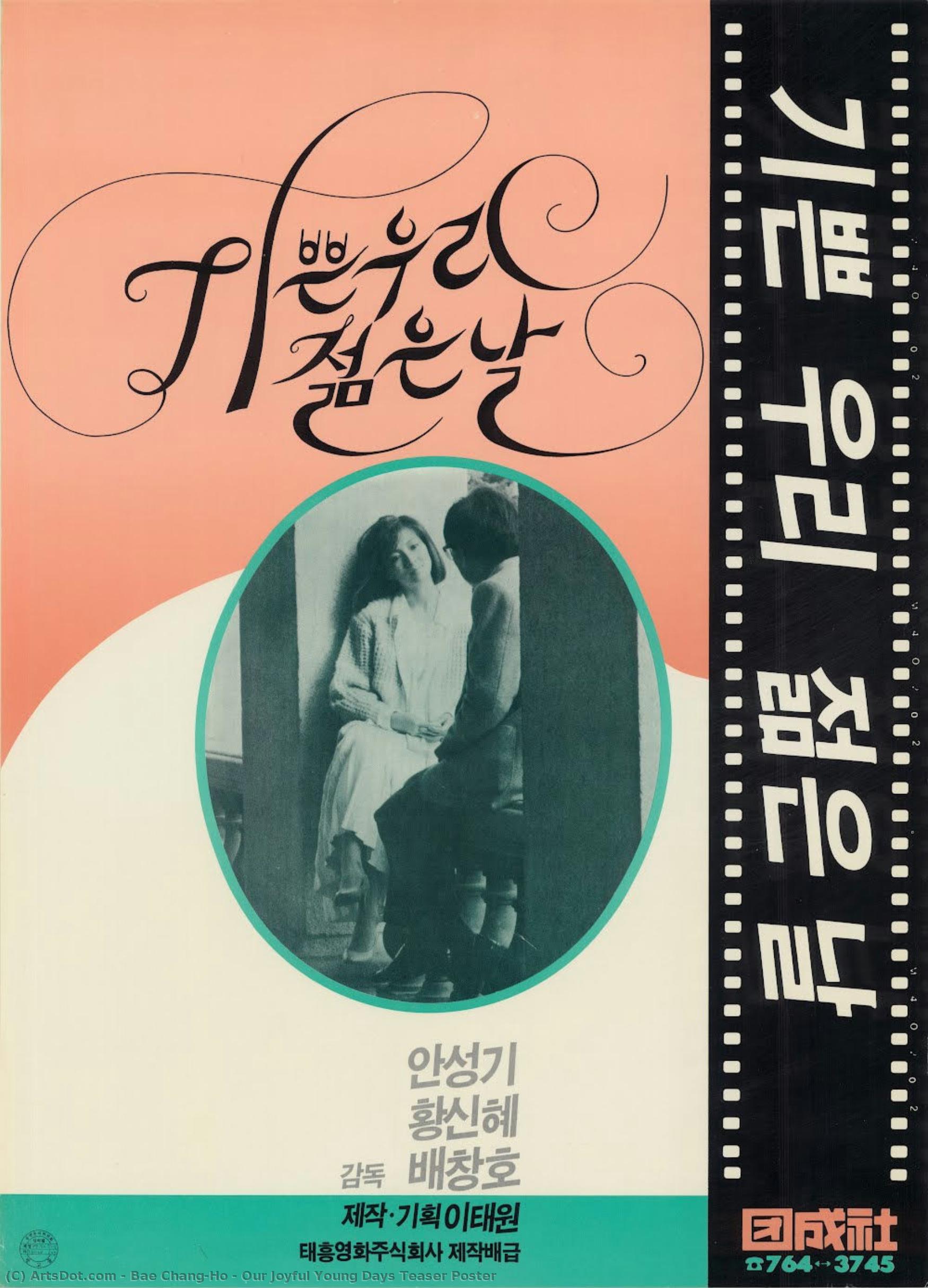
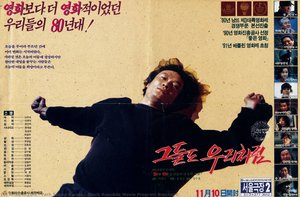
Our Joyful Young Days Teaser Poster
 Contemporary Realism
 1987
1987- Contemporary
 38.0 x 53.0 cm
 韓国映画アーカイブ
 詳細を見る
詳細を見る
ジークレー/アートプリント
迅速な制作と多彩な仕上げオプションを備えた、ミュージアムクオリティのジークレーまたはキャンバスプリント。 ( 手描きの絵画を購入 画像を購入)




P118B $10

P118H $10

P118W $10

P438Z $10

P508JH $12

P508YH $12

P805H $10

P805Z $10

P919BZ $10

P919G $10

P919XJ $10

P959ZH $10

P968JZ $12

W106C $8

W218G $10

W218JH $8

W218Y $10

W307PJ $10

W316G $10

W316PJ $8

W316Y $10

W398PJ $8

W4111J $10

W500HY $15

W500JH $15

W692G $12

W849H $8

W940BG $15

W953PJ $8




作品のオリジナル比率に合わせた、当店の規定サイズからお選びください。

特定のフレームやスペースに合わせて、ご自身でサイズを指定することも可能です。選択されたサイズが元の画像の比率と一致しない場合、作品をトリミングするか、鏡面反射または単色での塗りつぶしによって画像を拡張いたします。制作を開始する前に、ご確認用のデジタルモックアップをお送りいたします。
画面上のプレビューには、実際のトリミングや拡張は反映されませんのでご注意ください。最終的な構図を正確に確認できるのは、モックアップのみとなります。
カスタムサイズも承っておりますが、元の比率を維持するためには、あらかじめ用意されたリストからサイズを選択することをお勧めいたします。


 ガラスオプションは、110cm未満のサイズでのみご利用いただけます。

Our Joyful Young Days Teaser Poster
ジークレー/アートプリント
複製画のサイズ
-


合計金額
$ 62
A Cinematic Glimpse into Nostalgia
In the evocative realm of the Our Joyful Young Days Teaser Poster, we are transported back to a pivotal era of South Korean cultural transformation. This piece serves as more than just a promotional artifact; it is a window into the tender, intimate moments that defined a generation. The painting captures a profound sense of connection, depicting a woman in a luminous white dress seated gracefully upon the lap of a man dressed in somber black. Their proximity suggests a shared secret, a quiet sanctuary carved out from the bustling world around them. Through the soft interplay of light and shadow, the artist invites us to witness a moment of stillness, where the weight of the outside world fades into the background, leaving only the warmth of human companionship.
The composition is masterfully balanced, utilizing the surrounding environment to frame this central intimacy. Scattered throughout the scene are several chairs—one to the left, one behind the couple, and another to the right—which act as silent witnesses to this private encounter. These elements introduce a sense of domesticity and lived-in reality, suggesting that this moment of joy is nestled within the fabric of everyday life. The arrangement of these objects creates a rhythmic depth, guiding the viewer's eye from the periphery toward the heart of the emotional narrative, making the scene feel both expansive and deeply personal.
The Vision of Bae Chang-ho
To understand the soul of this artwork, one must look to the legacy of its creator, Bae Chang-ho. As a titan of 1980s Korean cinema, Chang-ho’s work has always been a poignant chronicle of youth, societal shifts, and the bittersweet nature of love. This poster embodies the very essence of his directorial style—melodramatic yet deeply grounded in the realities of a nation undergoing rapid modernization. The painting reflects the themes found in his cinematic masterpieces, where the anxieties of a changing society are often juxtaposed against the enduring, simple beauty of romantic connection.
For the discerning collector or interior designer, this piece offers a unique opportunity to possess a fragment of film history. The technique used here emphasizes texture and atmosphere, making it an ideal centerpiece for spaces that value storytelling and emotional depth. Whether placed in a contemporary gallery setting or a classic study, the Our Joyful Young Days Teaser Poster radiates a timeless elegance. It is a work that does not merely decorate a wall but breathes life into a room, offering a continuous dialogue between the past's romanticism and the present's appreciation for fine, evocative art.
関連作品

アーティストの略歴
Bae Chang-ho: A Voice of Youth and Societal Change in Korean Cinema
Bae Chang-ho, born on May 16th, 1953, in Daegu, South Korea, is a cinematic figure inextricably linked to the vibrant and transformative period of 1980s Korean cinema. More than just a director, he’s a chronicler of youthful anxieties, burgeoning social shifts, and the bittersweet realities of love and loss – themes that continue to resonate deeply with audiences today. His work isn't simply entertainment; it’s a poignant reflection on a nation grappling with rapid modernization and the evolving identity of its younger generation. Initially trained as an elementary school teacher, Chang-ho’s decision to pursue filmmaking marked a significant departure, fueled by a desire to capture the complexities of contemporary Korean life through the lens of narrative storytelling.Early Career and Breakthrough Success
Chang-ho's directorial debut, *People of Kkobang Neighborhood* (1982), immediately established him as an artist attuned to the nuances of everyday Korean society. This film, a quiet observation of life in a working-class neighborhood, showcased his early talent for capturing authentic human experiences and subtle emotional landscapes. However, it was with *Whale Hunting* (1984) that he truly burst onto the scene, achieving critical acclaim and commercial success. The film’s exploration of male friendship, youthful ambition, and the pressures of societal expectations – all set against the backdrop of a burgeoning fishing industry – quickly cemented Chang-ho's reputation as a director capable of blending intimate character studies with broader social commentary. This early work demonstrated a willingness to tackle difficult subjects with sensitivity and nuance, qualities that would become hallmarks of his subsequent films.The Melodramatic Heart of the 80s
The mid-1980s witnessed a golden age for Korean melodrama, and Chang-ho became one of its most prominent voices. Films like *Our Sweet Days of Youth* (1987), *Hello, God!* (1987), and *The Dream* (1990) are considered classics of this era, characterized by their emotionally charged narratives, memorable soundtracks, and exploration of themes such as first love, heartbreak, and the search for meaning. These films weren’t simply romantic dramas; they were deeply embedded in the social context of a rapidly changing Korea, reflecting anxieties about tradition versus modernity, family expectations, and individual desires. *Our Sweet Days of Youth*, in particular, stands out for its evocative portrayal of youthful idealism and the disillusionment that often accompanies it.Exploring Complex Themes and Artistic Evolution
As the decade progressed, Chang-ho’s work began to evolve beyond straightforward melodrama. *Stairways of Heaven* (1992) offered a more introspective look at grief and loss, while *The Young Man* (1994) delved into themes of identity and alienation. His later films, such as *Love Story* (1996), *My Heart* (2000), and *The Last Witness* (2001), continued to grapple with complex social issues, often exploring the darker side of human relationships and the challenges of navigating a rapidly changing world. Notably, *Deep Blue Night* (1985) is frequently cited as a pivotal work, showcasing his mastery of visual storytelling and his ability to evoke powerful emotions through subtle details and evocative imagery.Legacy and Influence
Bae Chang-ho’s impact on Korean cinema is undeniable. He played a crucial role in establishing the 1980s as a period of significant artistic innovation, paving the way for future generations of Korean filmmakers. His films continue to be studied and celebrated for their insightful portrayal of youth culture, social change, and the complexities of human emotion. He’s considered one of the most commercially successful directors of his era, yet he consistently prioritized artistic integrity over immediate financial gain. His work serves as a powerful reminder of the enduring power of cinema to reflect and shape our understanding of the world around us – a legacy that continues to inspire filmmakers and audiences alike.
Bae Chang-ho
1953 - , South Korea
基本情報
- Artistic Movement Or Style: Korean melodrama
- Artists Or Movements Influenced By This Artist: ['Korean New Wave']
- Artists Who Influenced This Artist: ['None specified']
- Date Of Birth: May 16, 1953
- Full Name: Bae Chang-ho
- Nationality: South Korean
- Notable Artworks:
- People of Kkobang Neighborhood
- Whale Hunting
- Our Sweet Days of Youth
- Hello, God!
- The Dream
- Stairways of Heaven
- Love Story
- My Heart
- Place Of Birth: Daegu, South Korea
関連記事

White on Canvas: 10 Masterpieces & Timeless Elegance for Your Home Decor
Explore 10 iconic white paintings by Monet, Whistler & Rothko! Discover the stories behind these serene masterpieces and their impact on art history. Find museum-quality reproductions for your home decor at .

Dark Masterpieces: 10 Iconic Paintings Dominated by Black Tones |
Explore 10 iconic paintings dominated by black tones, from Rembrandt’s chiaroscuro to Goya's dark expressions. Discover the stories behind these masterpieces & find museum-quality art reproductions for your home at .

Monochrome Visions: Exploring the Aesthetic & Historical Significance of Black & White Photography
Explore the rich history & artistic power of black and white photography. From early techniques to iconic masters like Ansel Adams, discover why monochrome continues to captivate art lovers today. Expert insights for collectors.
Mars Black Masterpieces: 10 Iconic Paintings & Timeless Art Decor Ideas
Delve into the power of 'Mars Black' with 10 iconic paintings by masters like Rembrandt & Caravaggio. Explore dramatic chiaroscuro, gothic art, and timeless beauty. Find museum-quality reproductions & elevate your home decor on .

The Subtleties of White: Exploring Absence, Light & Symbolism in Art History
Explore the profound symbolism & history of white in art! From ancient purity to modern abstraction, discover how artists have used absence & light. Expert insights from ArtsDot.