

 プレビュー
プレビュー
 プリントを購入
 シェアする
シェアする シェアする
シェアする
 詳細を見る
詳細を見る

 ダウンロード
 似ている作品
 X線調査
X線調査 スライドショー
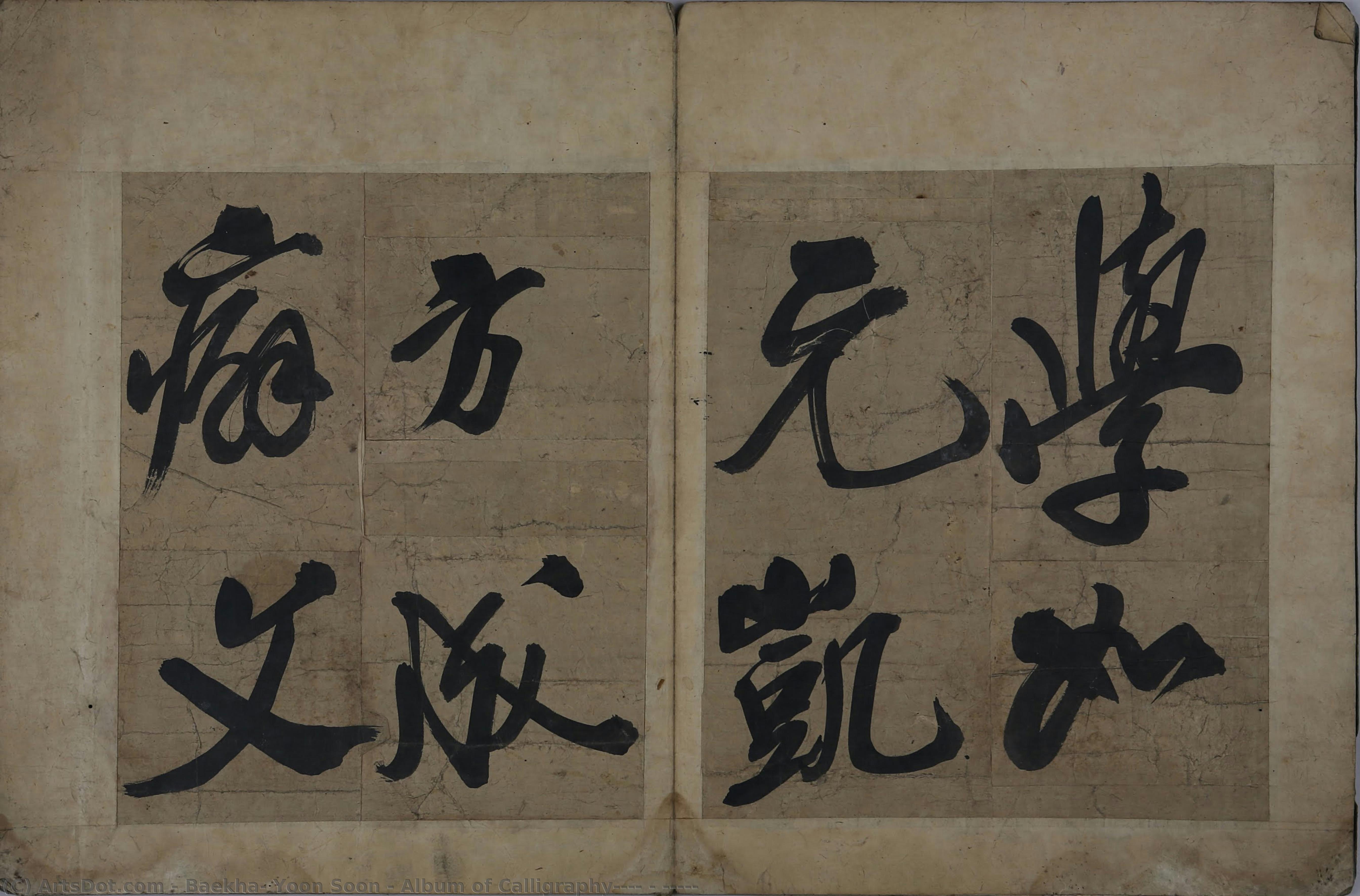
Album of Calligraphy(白下帖 : 送劉戶曹)

 詳細を見る
詳細を見る




































作品のオリジナル比率に合わせた、当店の規定サイズからお選びください。

特定のフレームやスペースに合わせて、ご希望のサイズをご入力いただけます。選択されたサイズが元の画像の比率と異なる場合、アートワークをトリミングするか、手描きで要素を追加して絵画を拡張いたします。デジタルモックアップ を制作し、制作開始前にご確認(承認)をいただきます。
画面上のプレビューは、実際のトリミングや拡張を正確に反映しているものではありません。最終的な構図は、モックアップによってのみ正確にご確認いただけます。
カスタムサイズもご利用いただけますが、元の比率を維持するためには、あらかじめ用意されたリストからサイズを選択することをお勧めいたします。
ご注文後、ArtsDot.com チームより詳細な指示をお送りするとともに、仕上がりイメージ(モックアップ)をご提供いたします。


 ガラスオプションは、110cm未満のサイズでのみご利用いただけます。

Album of Calligraphy(白下帖 : 送劉戶曹)
複製技法
複製画のサイズ
-


合計金額
$ 263
関連作品







アーティストの略歴
A Life Dedicated to Brush and Bureaucracy: Baekha, Yoon Soon (1680–1741)
Baekha, Yoon Soon, a name resonating through the annals of Joseon Dynasty calligraphy, was more than just an artist; he embodied the Confucian ideal of the scholar-official. Born in Seoul, Korea, in 1680 and passing away in 1741, his life unfolded against a backdrop of refined courtly culture and intellectual pursuit. He navigated the complexities of bureaucratic service while simultaneously cultivating a profound mastery of the calligraphic arts—a testament to the dedication and discipline characteristic of his era. Yoon Soon wasn’t merely transcribing characters; he was breathing life into them, imbuing each stroke with personal expression and historical weight. His journey began within the established traditions of Korean calligraphy but blossomed into a unique style that earned him lasting recognition as one of the foremost calligraphers of the 18th century.The Path of Learning: Influences and Early Development
Yoon Soon’s artistic foundation was laid through rigorous study under esteemed masters, most notably Wongyo Yi Gwangsa—a pivotal figure in Joseon calligraphy. This mentorship proved crucial, providing him with a solid grounding in the classical techniques passed down through generations. However, Yoon Soon didn't simply replicate his teacher’s style. He absorbed the principles of balance, structure, and brush control but actively sought to forge his own path. He delved into the works of earlier Chinese masters like Wang Xizhi, whose fluid and dynamic scripts captivated him. This engagement with Chinese calligraphy wasn’t about imitation; it was a process of understanding the underlying philosophy and adapting those principles to suit Korean sensibilities. Early examples of his work demonstrate this careful balance—a respect for tradition coupled with an emerging individuality that would define his later achievements. He understood calligraphy not just as visual art, but as a profound expression of moral character and intellectual depth.The Albums of Expression: Major Works and Artistic Style
Baekha, Yoon Soon is particularly celebrated for his albums of calligraphy, exquisite collections showcasing his skill in various scripts. Among these, the album featuring the poem by Do Yeon-myeong stands out as a prime example of his artistry. The delicate balance between form and content, the controlled energy of each brushstroke, and the overall harmony of the composition reveal a calligrapher at the peak of his powers. He wasn’t simply copying verses; he was interpreting them through the language of line and space, adding layers of meaning beyond the literal text. Beyond poetry, Yoon Soon also dedicated himself to transcribing Buddhist scriptures, most notably portions of the *Shurangama Sutra*. These works demonstrate a different facet of his talent—a meditative quality that reflects the spiritual depth he brought to his practice. His semi-cursive script, characterized by its flowing rhythm and elegant forms, became a hallmark of his style. He favored a restrained palette, typically employing black ink on high-quality paper, allowing the nuances of his brushwork to take center stage.A Bureaucrat’s Brush: The Intersection of Art and Official Life
Yoon Soon's life as a bureaucrat profoundly influenced his artistic practice—and vice versa. His position within the Joseon court afforded him access to valuable resources, including fine materials and opportunities for study. More importantly, it instilled in him a sense of discipline, precision, and attention to detail that translated directly into his calligraphy. The Confucian values he upheld as an official – integrity, learning, and social responsibility – are subtly woven into the fabric of his art. He wasn’t creating purely aesthetic objects; he was embodying these ideals through the act of writing. His calligraphic works often served as gifts to colleagues or expressions of personal sentiment within a network of scholarly exchange. This context is crucial for understanding his work—it wasn't created in isolation but rather as part of a vibrant intellectual and social milieu.Legacy and Historical Significance
Baekha, Yoon Soon’s impact on Korean calligraphy extends far beyond the beauty of his individual works. He helped to elevate the status of calligraphy within Joseon society, demonstrating its potential as a powerful medium for artistic expression and moral cultivation. His influence can be seen in the work of subsequent generations of calligraphers who sought to emulate his style and carry forward his legacy. He is remembered not only for his technical skill but also for his ability to infuse his art with personal meaning and historical context. Today, his albums are treasured as national treasures, offering a glimpse into the refined world of Joseon Dynasty culture and the enduring power of the written word. Yoon Soon’s dedication to both scholarship and artistry continues to inspire artists and scholars alike, solidifying his place as a pivotal figure in Korean art history. His work stands as a testament to the harmonious integration of intellectual pursuit, artistic expression, and moral integrity.
baekha, yoon soon
1680 - 1741 , South Korea
基本情報
- Artistic Movement Or Style: Calligraphy
- Artists Who Influenced This Artist: ['Wongyo Yi Gwangsa']
- Date Of Birth: 1680
- Date Of Death: 1741
- Full Name: Yoon Soon Baekha
- Nationality: Korean
- Notable Artworks:
- Album of Calligraphy
- Shurangama Sutra scripts
- Place Of Birth: Seoul, Korea

