

 プレビュー
プレビュー
 プリントを購入
 シェアする
シェアする シェアする
シェアする
 詳細を見る
詳細を見る

 ダウンロード
 似ている作品
 X線調査
X線調査 スライドショー
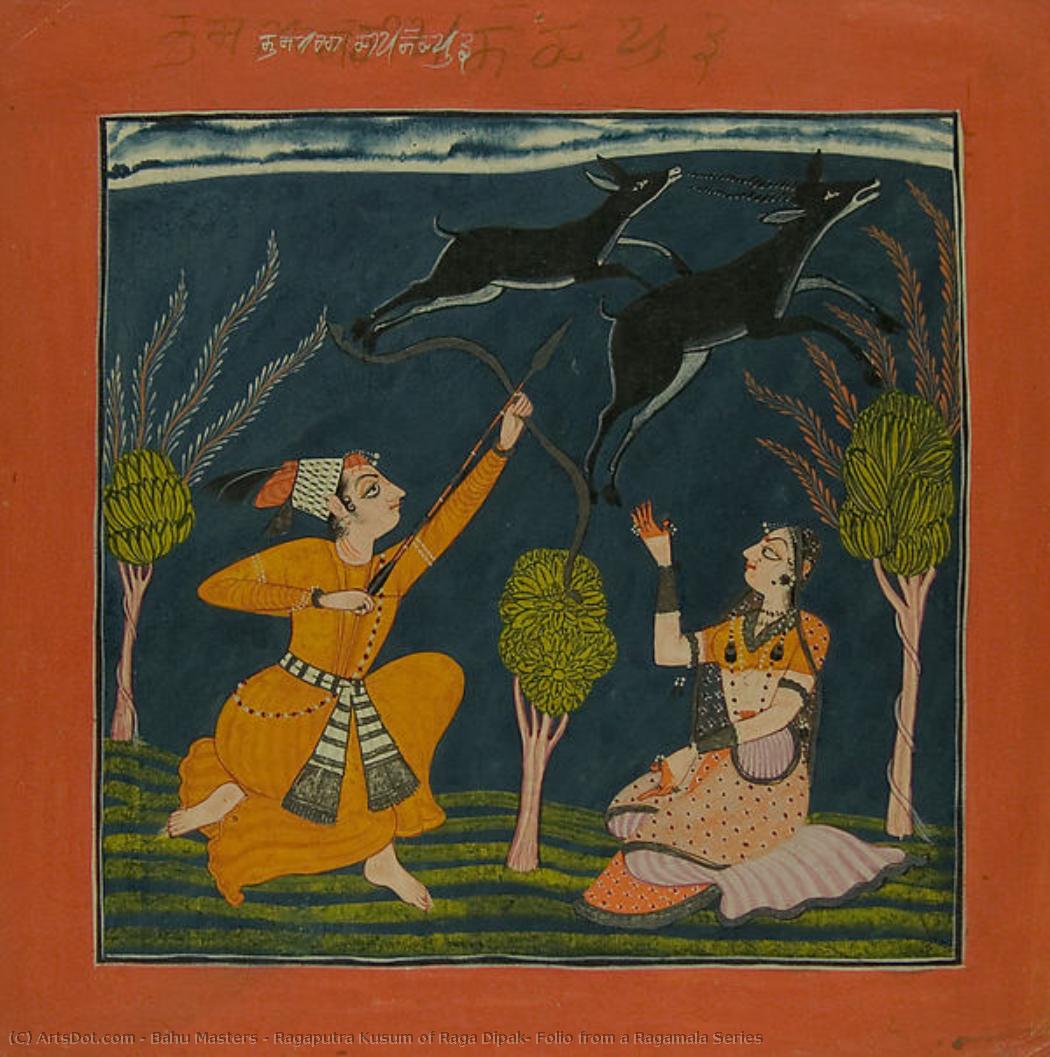
Ragaputra Kusum of Raga Dipak: Folio from a Ragamala Series
 1720
1720 21.0 x 21.0 cm
 詳細を見る
詳細を見る




































作品のオリジナル比率に合わせた、当店の規定サイズからお選びください。

特定のフレームやスペースに合わせて、ご希望のサイズをご入力いただけます。選択されたサイズが元の画像の比率と異なる場合、アートワークをトリミングするか、手描きで要素を追加して絵画を拡張いたします。デジタルモックアップ を制作し、制作開始前にご確認(承認)をいただきます。
画面上のプレビューは、実際のトリミングや拡張を正確に反映しているものではありません。最終的な構図は、モックアップによってのみ正確にご確認いただけます。
カスタムサイズもご利用いただけますが、元の比率を維持するためには、あらかじめ用意されたリストからサイズを選択することをお勧めいたします。
ご注文後、ArtsDot.com チームより詳細な指示をお送りするとともに、仕上がりイメージ(モックアップ)をご提供いたします。


 ガラスオプションは、110cm未満のサイズでのみご利用いただけます。

Ragaputra Kusum of Raga Dipak: Folio from a Ragamala Series
複製技法
複製画のサイズ
-


合計金額
$ 263
作品解説
関連作品


アーティストの略歴
The Enigmatic World of Bahu Masters: A Sufi Poet’s Legacy
Born in the heartland of Shorkot, Jhang, within the fertile province of Punjab, Pakistan, Bahu Masters emerged as a compelling voice in both Pakistani art and literature. His origins trace back to a family steeped in the traditions of Mughal military service – his father, Bayazid Muhammad, held an officer’s commission within the Mughal army, while his mother, Rasti, hailed from a lineage of respect and standing. This heritage would subtly yet profoundly shape his worldview and artistic expression. Bahu Masters wasn't merely a poet; he was a pivotal figure in perpetuating the mystic tradition known as Sarwari Qadiri, belonging to the esteemed Qadiri Sufi order. His life was one dedicated to exploring the depths of spiritual understanding and translating those insights into evocative verse.A Prolific Scholar Rooted in Tradition
Bahu Masters received a rigorous early education within the established Islamic system, immersing himself in the intricacies of Arabic, Persian, and Islamic theology. This foundational knowledge provided the bedrock for his later explorations of Sufism. He became an extraordinarily prolific writer, with over forty books attributed to him—a testament to his relentless intellectual curiosity and spiritual devotion. While he penned extensively in Persian, often delving into specialized aspects of Islam and its mystical dimensions, it was his poetry in Punjabi that truly captured the hearts of the people and secured his enduring fame. This choice wasn’t accidental; Punjabi allowed him a direct connection with the common soul, bypassing scholarly barriers to reach a wider audience with the essence of Sufi teachings.The Language of the Soul: Poetry as Spiritual Expression
The poetry of Bahu Masters is characterized by its deeply spiritual and mystical themes—a direct reflection of his Qadiri Sufi background. He didn’t simply write *about* spirituality; he embodied it within his verses, using language as a vehicle to convey the ineffable experience of divine connection. His work isn't easily categorized as mere religious writing; rather, it is an exploration of the human condition through the lens of love, longing, and ultimate unity with the Divine. He masterfully employed metaphorical language and symbolism—drawing upon both Persian poetic traditions and indigenous Indian imagery—to create a unique aesthetic that resonated deeply with his contemporaries and continues to captivate readers today. The recurring motifs in his poetry often center around themes of *fana* (annihilation of the self) and *baqa* (subsistence in God), central tenets of Sufi philosophy.Influences and Artistic Development
Bahu Masters’ artistic style represents a fascinating confluence of Persian and Indian influences. The refined elegance and intellectual depth of Persian poetry, inherited through his scholarly upbringing, were skillfully interwoven with the vibrant cultural tapestry of Punjab. This synthesis is particularly evident in his use of imagery—often blending floral motifs, natural landscapes, and references to local folklore with classical Sufi symbolism. While direct artistic works like paintings are not widely attributed to him, it’s important to consider the broader context of Mughal art during his lifetime. The 17th century, a period when Bahu Masters was active, witnessed a flourishing of miniature painting, textiles, and decorative arts within the Mughal empire. The Victoria and Albert Museum in London houses an impressive collection of these works, offering insight into the aesthetic environment that likely influenced Bahu Masters’ sensibilities. Furthermore, the earlier Ilkhanid art movement—known for its unique blend of Persian, Chinese, and Islamic artistic elements—also contributed to the rich visual vocabulary available to artists of his era.A Lasting Legacy: Impact on Punjabi Literature & Beyond
Bahu Masters’ impact on the development of Punjabi literature and poetry is undeniable. He elevated the language from a primarily oral tradition to one capable of expressing complex philosophical ideas, paving the way for future generations of poets and writers. His work not only enriched the literary landscape but also played a crucial role in popularizing Sufi teachings within Punjab and beyond. The enduring appeal of his poetry lies in its universal themes—the search for meaning, the power of love, and the longing for spiritual fulfillment. He remains a revered figure in Pakistani culture, celebrated as a master poet, a devoted Sufi mystic, and a pivotal voice in the region’s artistic heritage. His legacy continues to inspire artists, scholars, and seekers alike, ensuring that his message of love, peace, and unity resonates through time.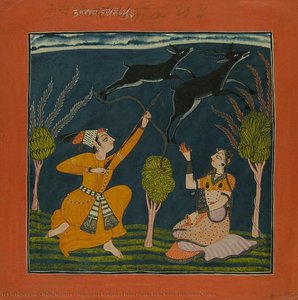
bahu masters
Pakistan
基本情報
- Artistic Movement Or Style: World Goes Pop
- Artists Or Movements Influenced By This Artist: ['Influences various contemporary artists']
- Artists Who Influenced This Artist: ['Influenced by diverse artists within the World Goes Pop movement']
- Date Of Death: Living
- Notable Artworks: ['Various works featured in The World Goes Pop exhibition']
- Place Of Birth: WahooArt

