

 プレビュー
プレビュー
 プリントを購入
 シェアする
シェアする シェアする
シェアする
 詳細を見る
詳細を見る

 ダウンロード
 似ている作品
 X線調査
X線調査 スライドショー
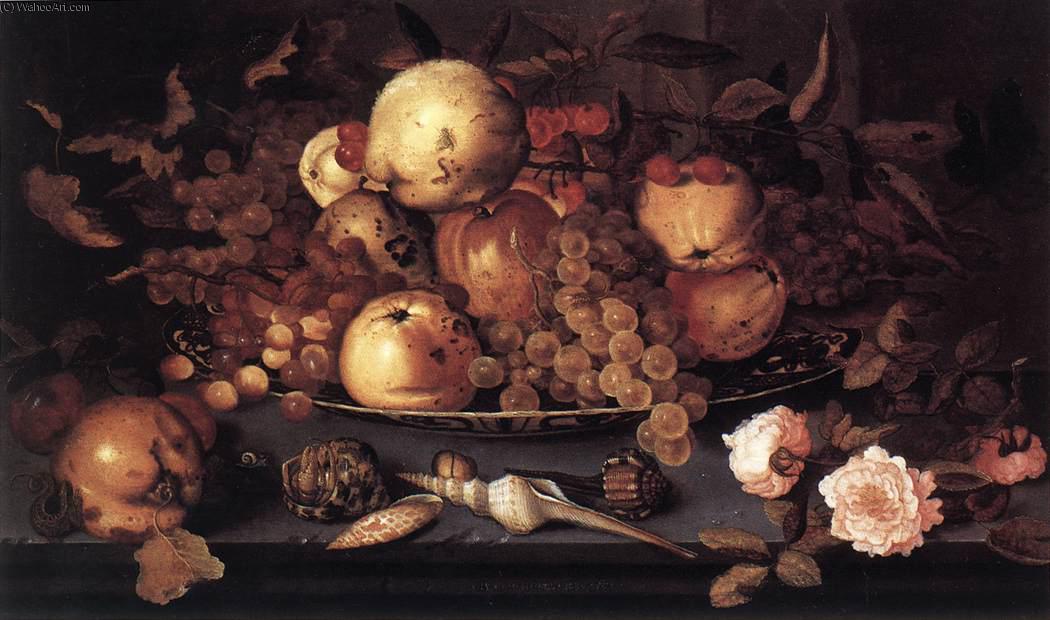
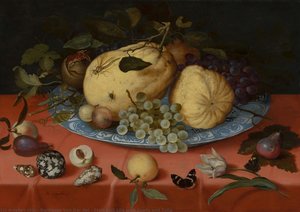
Still-life with Dish of Fruit


 詳細を見る
詳細を見る




P118B $10

P118H $10

P118W $10

P438Z $10

P508JH $12

P508YH $12

P805H $10

P805Z $10

P919BZ $10

P919G $10

P919XJ $10

P959ZH $10

P968JZ $12

W106C $8

W218G $10

W218JH $8

W218Y $10

W307PJ $10

W316G $10

W316PJ $8

W316Y $10

W398PJ $8

W4111J $10

W500HY $15

W500JH $15

W692G $12

W849H $8

W940BG $15

W953PJ $8




作品のオリジナル比率に合わせた、当店の規定サイズからお選びください。

特定のフレームやスペースに合わせて、ご希望のサイズをご入力いただけます。選択されたサイズが元の画像の比率と異なる場合、アートワークをトリミングするか、手描きで要素を追加して絵画を拡張いたします。デジタルモックアップ を制作し、制作開始前にご確認(承認)をいただきます。
画面上のプレビューは、実際のトリミングや拡張を正確に反映しているものではありません。最終的な構図は、モックアップによってのみ正確にご確認いただけます。
カスタムサイズもご利用いただけますが、元の比率を維持するためには、あらかじめ用意されたリストからサイズを選択することをお勧めいたします。
ご注文後、ArtsDot.com チームより詳細な指示をお送りするとともに、仕上がりイメージ(モックアップ)をご提供いたします。


 ガラスオプションは、110cm未満のサイズでのみご利用いただけます。

Still-life with Dish of Fruit
複製技法
複製画のサイズ
-


合計金額
$ 263
作品解説
Balthasar van der Ast’s Still Life with Dish of Fruit: A Baroque Masterpiece
Within the opulent world of 17th-century Dutch painting, Balthasar van der Ast stands as a singular figure—a master of still life who transcended mere representation to capture the very essence of nature's bounty. His “Still Life with Dish of Fruit,” housed within the Staatliche Museen in Berlin, is not simply a depiction of apples and pears; it’s an invitation into a meticulously crafted world brimming with symbolism, scientific observation, and profound beauty. Van der Ast, born in Middelburg around 1593, inherited his artistic sensibilities from his stepfather, Ambrosius Bosschaert the Elder, a renowned flower painter who instilled in him a deep appreciation for detail and naturalism.
The painting itself is executed with breathtaking precision in oil on canvas. Van der Ast’s technique is characterized by an almost obsessive attention to texture—the velvety blush of an apple, the waxy sheen of a pear, the delicate fuzz of a peach are rendered with astonishing realism. He employs a subtle use of chiaroscuro – the interplay of light and shadow – to create depth and volume, making the fruit appear to practically spill from the dish. Notice how he doesn’t simply paint the fruits; he captures their very form, their weight, and their inherent vitality. The composition is carefully balanced, drawing the eye across the table towards a central point of intense visual interest: the overflowing dish itself.
The Language of Symbolism
Beyond its technical brilliance, “Still Life with Dish of Fruit” is rich in symbolic meaning—a hallmark of van der Ast’s oeuvre. The inclusion of various fruits – apples, oranges, pears, and grapes – was not arbitrary; each held specific significance within the context of 17th-century Dutch culture. Apples, for instance, were often associated with paradise, innocence, and knowledge, while oranges represented wealth and exoticism. The presence of flowers—roses, tulips, and possibly lilies—further amplified these themes, adding layers of meaning related to beauty, love, and mortality. Van der Ast was deeply influenced by the humanist philosophy prevalent during his time, which emphasized the study of nature as a means of understanding God’s creation and humanity's place within it.
Furthermore, van der Ast’s meticulous rendering of insects—beetles, flies, and even a lizard—was not merely decorative. These creatures were often seen as symbols of transience and decay, reminding viewers of the fleeting nature of beauty and life itself. The inclusion of these elements served to elevate the still life beyond a simple arrangement of objects, transforming it into a meditation on mortality and the cyclical rhythms of nature.
A Window into the Baroque Era
“Still Life with Dish of Fruit” is a quintessential example of Baroque painting—a style characterized by its dramatic use of light and shadow, its opulent colors, and its emphasis on realism. The painting’s rich palette – dominated by warm reds, yellows, and greens – creates a sense of warmth and abundance. The dark background provides a stark contrast to the vibrant fruits and flowers, further enhancing their visual impact. This masterful use of composition and color reflects the Baroque aesthetic's desire to evoke emotion and create a powerful sensory experience for the viewer.
Painted around 1620, this work exemplifies the flourishing art scene in Delft during that period. Van der Ast’s studio became a hub for artistic innovation, attracting talented pupils who continued his legacy of meticulous observation and symbolic representation. The painting's placement within the Staatliche Museen highlights its enduring significance as a masterpiece of Dutch Golden Age art.
Bringing the Masterpiece Home
Reproductions of “Still Life with Dish of Fruit” offer an exceptional opportunity to bring this extraordinary work into your home or office. Whether you choose a high-quality canvas print or a meticulously crafted oil painting, you’ll experience the same breathtaking detail and emotional depth as the original. Consider how the vibrant colors and intricate textures will complement your existing décor, adding a touch of Baroque elegance and timeless beauty to any space. This isn't just a picture; it's an invitation to contemplate the wonders of nature, the passage of time, and the enduring legacy of Balthasar van der Ast.
関連作品
アーティストの略歴
極小の宇宙を操る巨匠:バルタザール・ファン・デル・アスト
かつて前例のない繁栄と科学的好奇心に彩られた17世紀のオランダ、その黄金の光の中に、バルタザール・ファン・デル・アストは極小の傑作を創り出すヴィルトゥオーゾとして姿を現しました。1593年頃にミデルブルフで生まれたヴァン・デル・アストは、単に物体を描写しただけではありません。彼はキャンバスの上に、静かなるドラマを演出したのです。彼の人生は、ゼーラント州の隆盛する商人文化と深く結びついていました。裕福な羊毛商人であるハンス・ヴァン・デ・アストの息子として生まれた彼は、単なる社会的な安定だけでなく、後に彼の名高い静物画の主人公となるエキゾチックな品々や貴重な標本たちと、幼少期から親密に触れ合う機会を得たのです。
彼の芸術的魂の軌跡は、ボスハールト家との繋がりによって、取り返しのつかないほど決定づけられました。家族の絆を通じて、ヴァン・デル・アストは義父となる伝説的なアンブロシウス・ボスハールト(父)の門下生となりました。この師弟関係の下で、彼は顕微鏡レベルの観察力を要求される「花卉画」に不可欠な、緻密な精密さを習得しました。この卓越した系譜は、繊細な色調の階調と、自然界の物理的な質感に対する深い敬意を特徴とする技法を磨き上げる糧となりました。そして、彼はこの完璧さの追求において孤独ではありませんでした。義理の兄たちと共に、光と影の繊動な相互作用を重視する様式的な動きを育み、単なる植物学的な写生を、存在そのものへの深い瞑想へと昇華させたのです。
貝殻と花々が奏でる交響曲
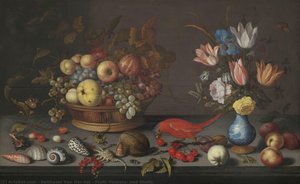
同時代の多くの画家たちが、ただ花の儚い美しさにのみ焦点を当てていた一方で、ヴァン・デル・アストは貝殻学への先駆的な探求を通じて、歴史にその名を刻みました。彼は貝殻画の開拓者となり、海生生物の石灰化した残骸を、まるで最も柔らかな花びらであるかのような畏敬の念をもって扱いました。「プラム、チェリー、そして貝殻のある静物画」といった作品を見れば、異なる質感が見事なまでに融合している様子に目を見張ることでしょう。果実のみずみずしく半透明な皮と、エキゾチックな貝殻の硬く真珠のような光沢が、鮮やかな対比を成しています。この情熱は単なる審美的なものではなく、博物学への科学的関心の高まりや、オランダの海上貿易が世界へと広がっていった時代の精神を反映していたのです。
彼の構図は、しばしば富の誇示や植物学的な正確さを超えた役割を果たしていました。ヴァン・デル・アストの絵画を凝視することは、ヒューマニズム哲学に根ざした複雑な象徴の網目と対話することに他なりません。その配置の中には、次のような意味が込められています。
- 生命の儚さ: 萎れゆく花びらや、自らが宿る美しさを食い尽くしていく昆虫たちを通じて表現されています。
- 科学的観察: 大航海時代と知識への渇望を反映した、種の一種一種に対する緻密な記録です。
- ヴァニタスの主題: 果実の腐敗が痛切な「メメント・モリ(死を忘るな)」として機能する、死への繊細な警鐘です。
遺産と芸術的意義
バルタザール・ヴァン・デル・アストの影響は、ユトレヒトにある自身の工房を遥かに超えて広がっていました。ローランド・サヴェリのような画家を地元のギルドに迎え入れることで、彼は色彩のトーンとリアリズムが花開く環境を整える一翼を担いました。無機質な物体に生命感を吹き込む彼の能力――果実の間を這い回るトカゲや昆虫の描写に見られるその特質――は、オランダ黄金時代における新たな基準を打ち立てました。彼は静物画というジャンルを、単なる静止した配置から、よりダイナミックで呼吸するような現実へと進化させたのです。
今日、彼の作品は大英博物館からヨーロッパの主要な美術館に至るまで、世界中のコレクションの礎石として鎮座しています。葉に宿る露の一滴や、貝殻の虹色の輝きを捉えた一筆一筆の中に、彼の遺産は生き続けています。バルタザール・ヴァン・デル・アストは、スティルフェン(静物画)の巨匠であり続けました。極小のものの中に無限を見出すことを世界に教え、自然界の謙虚な物体を永遠の美の象徴へと変貌させた芸術家として。
バルタザール・ファン・デル・アスト
1593 - 1657 , オランダ
基本情報
- Artistic Movement Or Style: 黄金時代絵画
- Artists Or Movements Influenced By This Artist: オランダ・バロック
- Artists Who Influenced This Artist: アンブロシウス・ボスハルト
- Date Of Birth: 1593年
- Date Of Death: 1657年
- Full Name: バルタザール・ファン・デル・アスト
- Nationality: オランダ
- Notable Artworks:
- 棚の上の果物と貝殻
- チューリップ
- トカゲと貝殻
- Place Of Birth: オランダ、ミデルブルフ
関連記事
Early Netherlandish Masters: 10 Paintings That Revolutionized Art & Decor
Journey into the Early Netherlandish Renaissance! Explore 10 iconic paintings by Jan van Eyck, Rogier van der Weyden & more. Discover stunning detail, symbolism, and oil painting techniques. Find museum-quality art reproductions for your home at ArtsDot.com.
Hugo van der Goes: Devotion, Innovation & the Psychological Depth of Early Netherlandish Painting
Explore the revolutionary art of Hugo van der Goes – a master of Early Netherlandish painting renowned for his dramatic realism, psychological depth & profound influence on Renaissance artists. Discover his iconic works and lasting legacy.

レンブラント傑作25選:光と影の巨匠、魂を揺さぶる名画の世界 | ArtsDot
レンブラントの傑作25選。光と影の魔術師が描いた魂を揺さぶる名画の世界へ。美術史に残る自画像、夜警、宗教画…ArtsDotで高品質なアートプリントやインテリアアートをお楽しみください。コレクションはこちら→
Early Netherlandish Masters: 10 Paintings That Revolutionized Art & Decor
Journey into the world of Early Netherlandish painting! Explore 10 masterpieces by Jan van Eyck, Rogier van der Weyden & more. Discover stunning detail, symbolism & Renaissance art for your home decor. Find museum-quality reproductions on ArtsDot.com
Abraham Hendricksz van Beyeren: Pioneering Dutch Still Life & the Banquet Tradition
Explore the captivating world of Dutch Golden Age still life with Abraham van Beyeren. Discover his innovative techniques, symbolic banquet scenes & lasting influence on art history. Learn about collecting these masterpieces.

