

 プレビュー
プレビュー
 シェアする
シェアする シェアする
シェアする
 詳細を見る
詳細を見る

 ダウンロード
 似ている作品
 X線調査
X線調査 スライドショー
 統計情報
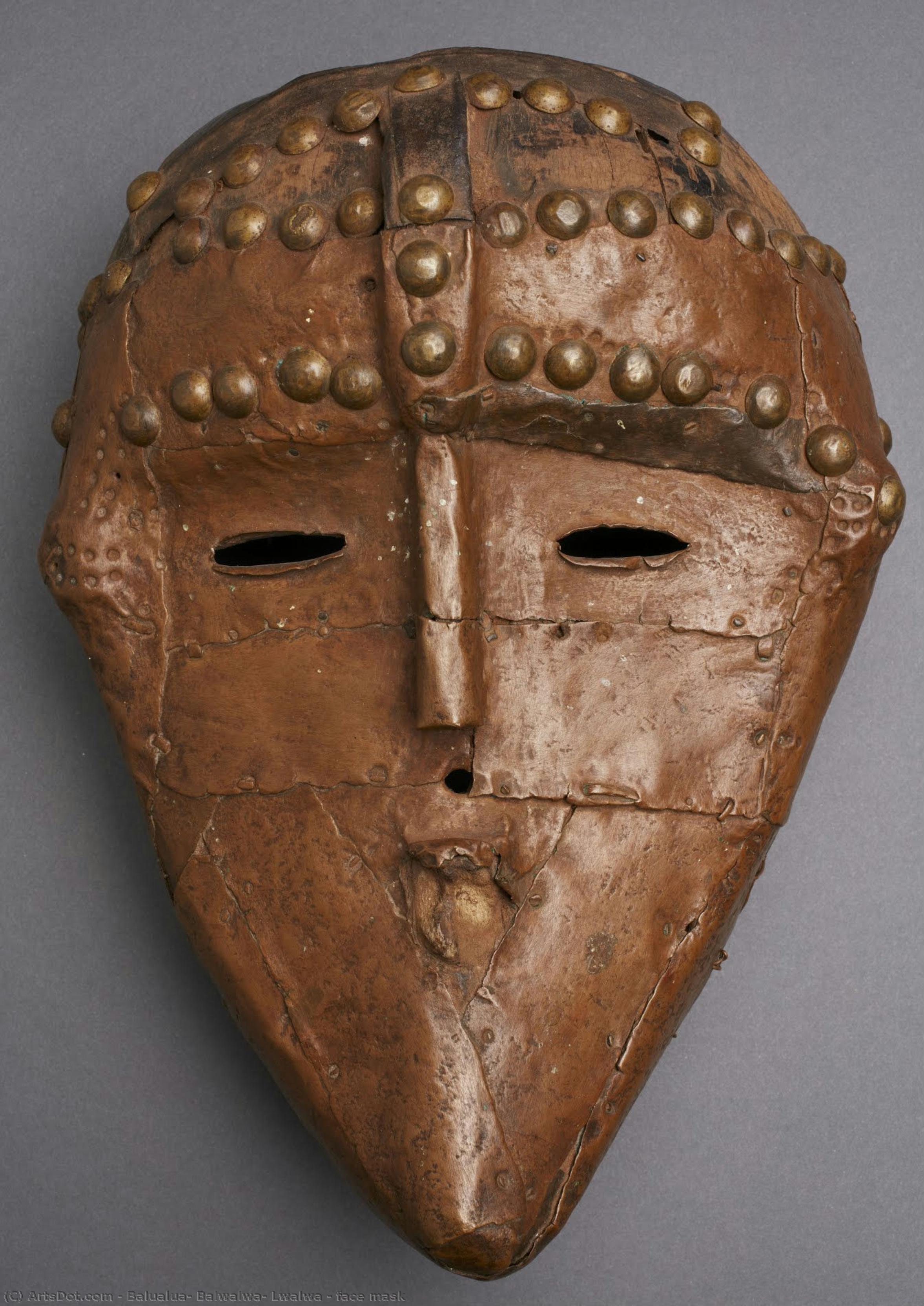
統計情報face mask

 詳細を見る
詳細を見る
手描き油彩複製画
当社のアーティストが、お客様のご希望のサイズと額縁に合わせて、キャンバスに手描きで制作する油彩画です。 ( プリント版に切り替え デジタル画像販売へ切り替え)




































作品のオリジナル比率に合わせた、当店の規定サイズからお選びください。

特定のフレームやスペースに合わせて、ご希望のサイズをご入力いただけます。選択されたサイズが元の画像の比率と異なる場合、アートワークをトリミングするか、手描きで要素を追加して絵画を拡張いたします。デジタルモックアップ を制作し、制作開始前にご確認(承認)をいただきます。
画面上のプレビューは、実際のトリミングや拡張を正確に反映しているものではありません。最終的な構図は、モックアップによってのみ正確にご確認いただけます。
カスタムサイズもご利用いただけますが、元の比率を維持するためには、あらかじめ用意されたリストからサイズを選択することをお勧めいたします。
ご注文後、ArtsDot.com チームより詳細な指示をお送りするとともに、仕上がりイメージ(モックアップ)をご提供いたします。


 ガラスオプションは、110cm未満のサイズでのみご利用いただけます。

face mask
複製技法
複製画のサイズ
-


合計金額
$ 263
関連作品










アーティストの略歴
The Enigmatic Geometry of the Lwalwa: A Legacy Forged in Masks
Deep within the dense forests and river valleys of the Democratic Republic of Congo and Angola lies a world largely untouched by modern time – the realm of the Lwalwa, or Balualua, Balwalwa, and lwalwa people. More than just a tribal group, they represent a unique artistic tradition, most famously embodied in their extraordinary masks, objects that defy easy categorization and offer a profound glimpse into a complex cosmology and social structure. These aren’t merely decorative pieces; they are conduits to the spirit world, instruments of ritual power, and tangible embodiments of ancestral wisdom – a legacy meticulously crafted over centuries.
The Lwalwa’s artistic journey began with the Kete people, who migrated from the region now encompassing the Kasai River area. Unlike their neighbors, the Luluwa, the Lwalwa developed a strikingly distinct style, one characterized by an almost austere geometric abstraction. Their masks eschew organic forms and representational imagery, instead relying on sharply angled planes, smooth surfaces, and meticulously constructed geometric shapes – reminiscent of stylized bird beaks, particularly prominent in their noses. This deliberate departure from naturalism speaks to a worldview where the visible world is merely a reflection of deeper spiritual realities.
A Society Structured Around Ritual and Craft
The Lwalwa’s social fabric is intricately woven with ritual and artistic practice. At the heart of their community lies the *bangongo* society, a powerful secret order responsible for overseeing initiation ceremonies, mediating between the living and the dead, and maintaining balance within the village. Sculpting masks isn't simply an art form; it’s a sacred duty, traditionally passed down through families – a lineage of artisans holding immense social and spiritual authority. The most skilled sculptors are revered as leaders, possessing not only artistic talent but also a deep understanding of ancestral knowledge and spiritual practices.
The role of masks within the *bangongo* rituals is paramount. Worn by initiates during circumcision ceremonies and other important rites of passage, these masks served as intermediaries between the human and spirit realms. The complex choreography of masked dances was believed to appease the ancestors, ensuring continued prosperity and protection for the community. Interestingly, women and children were strictly excluded from witnessing these powerful performances, highlighting the deeply guarded nature of Lwalwa spiritual traditions.
The Geometry of Belief: Symbolism in Form
The geometric style of the Lwalwa masks is not arbitrary; it’s profoundly symbolic. The sharp angles and planes are believed to represent the forces of nature – the sun, the moon, the wind – while the smooth surfaces symbolize the earth. The bird-like noses, particularly prominent in many masks, are thought to embody specific spirits or ancestors, each with its own unique power and influence. Researchers like Dr. David Coulson have noted that the masks’ forms often mirror the shapes of tools used in hunting rituals, suggesting a direct connection between artistic creation and practical survival.
Furthermore, the masks' lack of ornamentation is deliberate. The Lwalwa believe that excessive adornment would distract from the spiritual essence of the object and potentially offend the spirits. The focus remains squarely on form and structure – a testament to their belief in the inherent power of geometric abstraction to communicate with the unseen world.
A Legacy Preserved: Recent Discoveries and Continued Research
Despite centuries of relative isolation, Lwalwa art has begun to attract increasing international attention. Museums like The Metropolitan Museum of Art have acquired significant examples of their masks, providing invaluable insights into this unique artistic tradition. Ongoing research continues to shed light on the complex social structures, spiritual beliefs, and historical influences that shaped the development of Lwalwa artistry.
The work of scholars like Dr. David Coulson, who has dedicated decades to studying the Lwalwa people and their art, is crucial in preserving this fragile cultural heritage. Efforts are underway to support sustainable tourism initiatives that benefit local communities while safeguarding the integrity of Lwalwa traditions. The masks of the Lwalwa remain a potent symbol of resilience, creativity, and the enduring power of ancestral knowledge – a testament to a people who have skillfully navigated the complexities of their world through art and ritual.
balualua, balwalwa, lwalwa
Democratic Republic of the Congo
基本情報
- Artistic Movement Or Style: Geometric masks
- Artists Or Movements Influenced By This Artist: ['African tribal art']
- Artists Who Influenced This Artist: ['Luluwa peoples']
- Full Name: Balualua, Balwalwa, Lwalwa
- Nationality: Congolese
- Notable Artworks: ['Mfondo (mask)']
- Place Of Birth: Democratic Republic of Congo