 シェアする
シェアする シェアする
シェアする
 詳細を見る
詳細を見る

 ダウンロード
 似ている作品
 スライドショー
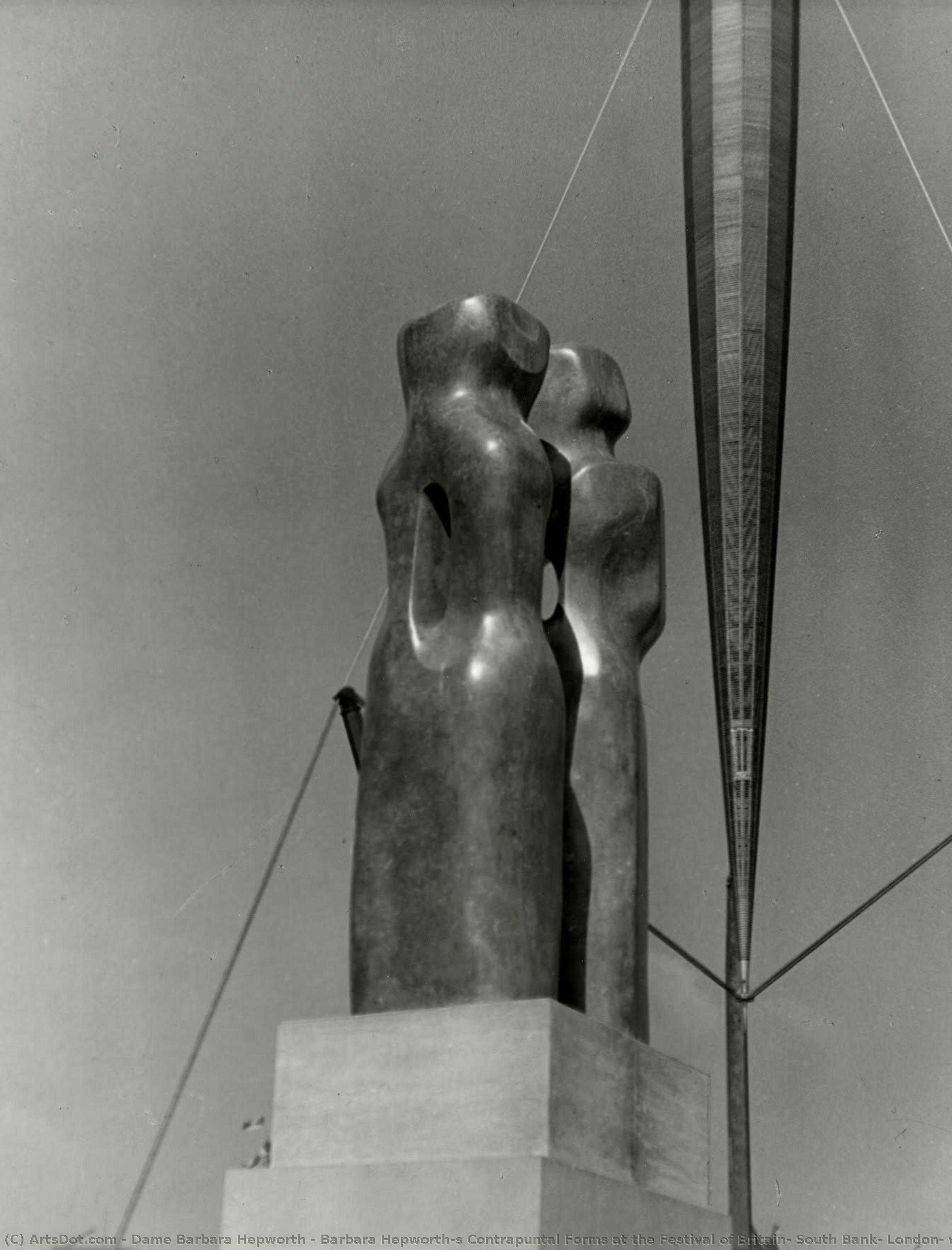
Barbara Hepworth’s Contrapuntal Forms at the Festival of Britain, South Bank, London, with the Skylon, 1951. Photograph by Anthony Panting


 詳細を見る
詳細を見る
ジークレー/アートプリント
迅速な制作と多彩な仕上げオプションを備えた、ミュージアムクオリティのジークレーまたはキャンバスプリント。 ( 手描きの絵画を購入 画像を購入)




































作品のオリジナル比率に合わせた、当店の規定サイズからお選びください。

特定のフレームやスペースに合わせて、ご自身でサイズを指定することも可能です。選択されたサイズが元の画像の比率と一致しない場合、作品をトリミングするか、鏡面反射または単色での塗りつぶしによって画像を拡張いたします。制作を開始する前に、ご確認用のデジタルモックアップをお送りいたします。
画面上のプレビューには、実際のトリミングや拡張は反映されませんのでご注意ください。最終的な構図を正確に確認できるのは、モックアップのみとなります。
カスタムサイズも承っておりますが、元の比率を維持するためには、あらかじめ用意されたリストからサイズを選択することをお勧めいたします。


 ガラスオプションは、110cm未満のサイズでのみご利用いただけます。

Barbara Hepworth’s Contrapuntal Forms at the Festival of Britain, South Bank, London, with the Skylon, 1951. Photograph by Anthony Panting
ジークレー/アートプリント
複製画のサイズ
-


合計金額
$ 62
作品詳細説明
A Moment Frozen in Modernist Grace
In this evocative black and white photograph by Anthony Panting, we are transported back to the summer of 1951, a pivotal moment in British cultural history. The image captures Barbara Hepworth’s Contrapuntal Forms as they stood prominently at the Festival of Britain on London's South Bank. Set against the backdrop of the iconic Skylon, the composition presents a masterclass in modernist balance. The photograph does more than merely document a physical installation; it captures a dialogue between sculpture and space. Through the lens of Panting, the metallic surfaces of Hepworth’s work catch the light in ways that suggest movement and rhythm, creating a visual melody—a true contrapuntal arrangement where each form plays its part in a larger, harmonious whole.
The interplay of shadows and highlights within this monochromatic frame emphasizes the tactile nature of the sculptures. Even through a two-dimensional medium, one can sense the weight and the deliberate curvature of the metal. The presence of a solitary figure on the periphery serves as a poignant scale reference, grounding these abstract, ethereal shapes in the human experience. This juxtaposition between the monumental, avant-garde structures and the quiet observation of a passerby invites the viewer to contemplate our relationship with the built environment and the enduring power of abstract art to command attention within a bustling urban landscape.
The Spirit of Abstraction and Post-War Optimism
To understand the profound impact of this scene, one must consider the historical heartbeat of the Festival of Britain. Emerging from the shadows of World War II, the festival was a celebration of recovery, innovation, and a bright, design-led future. Hepworth’s sculptures were at the vanguard of this movement, embodying the spirit of Unit One—the art collective she co-founded to bridge the gap between surrealism and pure abstraction. Her work during this period moved away from traditional figurative sculpture toward organic, hollowed forms that explored the relationship between interior and exterior space.
The technique displayed in these forms is nothing short of revolutionary for its time. By utilizing negative space—the "pierced" form—Hepworth allowed light and air to become active participants in the sculpture itself. In this photograph, we see how those voids interact with the surrounding architecture of the South Bank, creating a sense of transparency and lightness. For the modern collector or interior designer, this piece represents more than just an aesthetic choice; it is an invitation to embrace the concept of spatial fluidity. Bringing a reproduction of such a moment into a contemporary space offers a sophisticated touch of mid-century elegance, evoking a sense of intellectual depth and historical continuity.
An Enduring Legacy for the Modern Interior
For those seeking to curate a collection that speaks to strength, balance, and timelessness, this photographic capture of Hepworth’s vision is an incomparable choice. The stark, clean lines of the modernist era continue to resonate in contemporary minimalism, making such imagery a perfect focal point for high-end residential or gallery settings. The emotional impact of the work lies in its ability to evoke tranquility through structure; it is a study in how geometry can feel deeply organic and soulful.
Owning a high-quality reproduction of this historical moment allows one to preserve the legacy of Dame Barbara Hepworth within a personal sanctuary. Whether placed in a sunlit study or a grand living hall, the image serves as a window into an era of profound artistic courage. It is a tribute to the ability of art to reshape our perception of the world, turning a simple public installation into an eternal dance of form and light.
関連作品
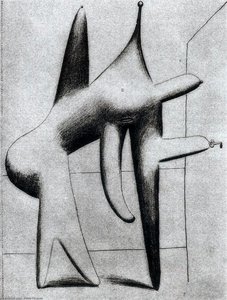
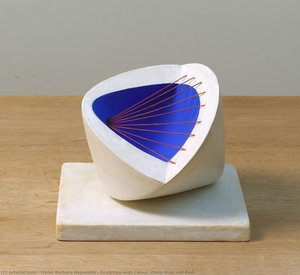
アーティストの略歴
生い立ちと教育
バーバラ・ヘプワース卿は、イギリスの彫刻家および芸術家としてその名を馳せた人物であり、1903年1月10日、ヨークシャーのウェイクフィールドに生を受けました。彼女の芸術への道は、1920年にリーズ・スクール・オブ・アートに入学したことから始まり、その後、郡の奨学金を得てロンドンのロイヤル・カレッジ・オブ・アート(RCA)へと進みました。1921年から学びを深め、1924年には見事にディプロマを授与されました。芸術的キャリア
- バーバラ・ヘプワース卿の作品は、モダニズム、とりわけ近代彫刻の真髄を体現しています。彼女は、国際的な名声を手にした数少ない女性芸術家の一人でした。
- 1933年、彼女はベン・ニッコールやポール・ナッシュらと共に「ユニット・ワン」という芸術運動を共同設立しました。これは、イギリスの芸術界においてシュルレアリスムと抽象表現を融合させることを目的とした挑戦的な試みでした。
- ヘプワースの初期の作品は、抽象的な性質を特徴としており、パリを拠点とする芸術運動「アブストラクション・クレアシオン」への関わりも、彼女の作風形成に大きな影響を与えました。
代表作と展覧会
- ブロンズ彫刻である「Oval Form (Trezion)」は、アメリカ合衆国フォートワースにあるキンベル美術館のコレクションとして収蔵されています。(ArtsDotで詳細を見る)
- 彫刻作品である「Two Forms」は、イギリスのウェイクフィールドにあるヘプワース・ウェイクフィールドにて展示されています。(ArtsDotで詳細を見る)
- 大理石の彫刻である「Totem」もまた、ヘプワース・ウェイクフィールドのコレクションの一部を構成しています。(ArtsDotで詳細を見る)
遺産と美術館コレクション
バーバラ・ヘプワースの作品は世界的に高く評価されており、彼女の彫刻や絵画は、世界各地の様々な美術館のコレクションに組み込まれています。彼女の名を冠したヘプワース・ウェイクフィールドには、ヘプワース自身の傑作をはじめ、著名な芸術家たちによる数多くの名品が収蔵されています。(ヘプワース・ウェイクフィールドについて詳しくはこちら(ArtsDot))結び
バーバラ・ヘプワース卿が近代イギリス彫刻において切り拓いた先駆的な業績は、美術史に消えることのない足跡を残しました。彼女の遺志は、今なお多くの芸術家や愛好家たちにインスピレーションを与え続けており、その作品群は、彼女の革新的な精神と芸術的才能を物語る不朽の証として輝き続けています。 バーバラ・ヘプワースの詳細(Wikipedia)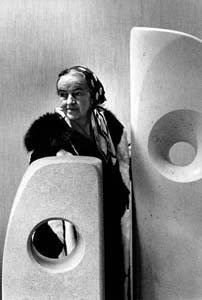
バーバラ・ヘップワース
1903 - 1975
基本情報
- Artistic Movement Or Style: モダニズム、抽象主義
- Artists Or Movements Influenced By This Artist:
- アブストラクション・クレアシオン
- ユニット・ワン
- Artists Who Influenced This Artist:
- ヘンリー・ムーア
- ベン・ニッコール
- Date Of Birth: 1903-01-10
- Date Of Death: 1975-05-20
- Full Name: バーバラ・ヘップワース
- Nationality: イギリス
- Notable Artworks:
- オーバル・フォーム (トレジオン)
- トゥー・フォームズ
- トーテム
- Place Of Birth: イギリス、ウェイクフィールド
関連記事
Barbara Hepworth: A Sculptural Dialogue with Form, Space & the Human Condition
Explore the profound world of Barbara Hepworth's sculpture. Discover her artistic evolution, iconic forms, and lasting influence on modern art. A guide for collectors & enthusiasts.

Bronze Sculptures That Defined Art History | ArtsDot
Journey through art history with our Top 10 bronze sculptures! Explore masterpieces by Rodin, Michelangelo & more. Discover stories behind iconic statues and find museum-quality reproductions for your home decor at ArtsDot.com.

The Enduring Form: Exploring Themes & Techniques in Sculpture Across Historical Periods
Explore the rich history of sculpture from ancient masterpieces to contemporary innovations. Discover key techniques, influential artists & investment potential for discerning art collectors.

The Enduring Form: Sculpture Across History, Technique & Emotional Resonance
Explore the rich history of sculpture with ArtsDot. Discover key techniques, influential artists & investment potential for discerning collectors. Expert insights into valuing and collecting timeless masterpieces.

Bronze Age to Modern Masters: 10 Sculptures That Redefined Art | ArtsDot
Journey through art history with 10 legendary bronze sculptures – from Michelangelo's David to Rodin’s Thinker. Explore the stories, techniques & timeless beauty of these masterpieces. Find museum-quality reproductions & elevate your home decor on ArtsDot.com.