

 プレビュー
プレビュー
 プリントを購入
 シェアする
シェアする シェアする
シェアする
 詳細を見る
詳細を見る

 ダウンロード
 似ている作品
 X線調査
X線調査 スライドショー
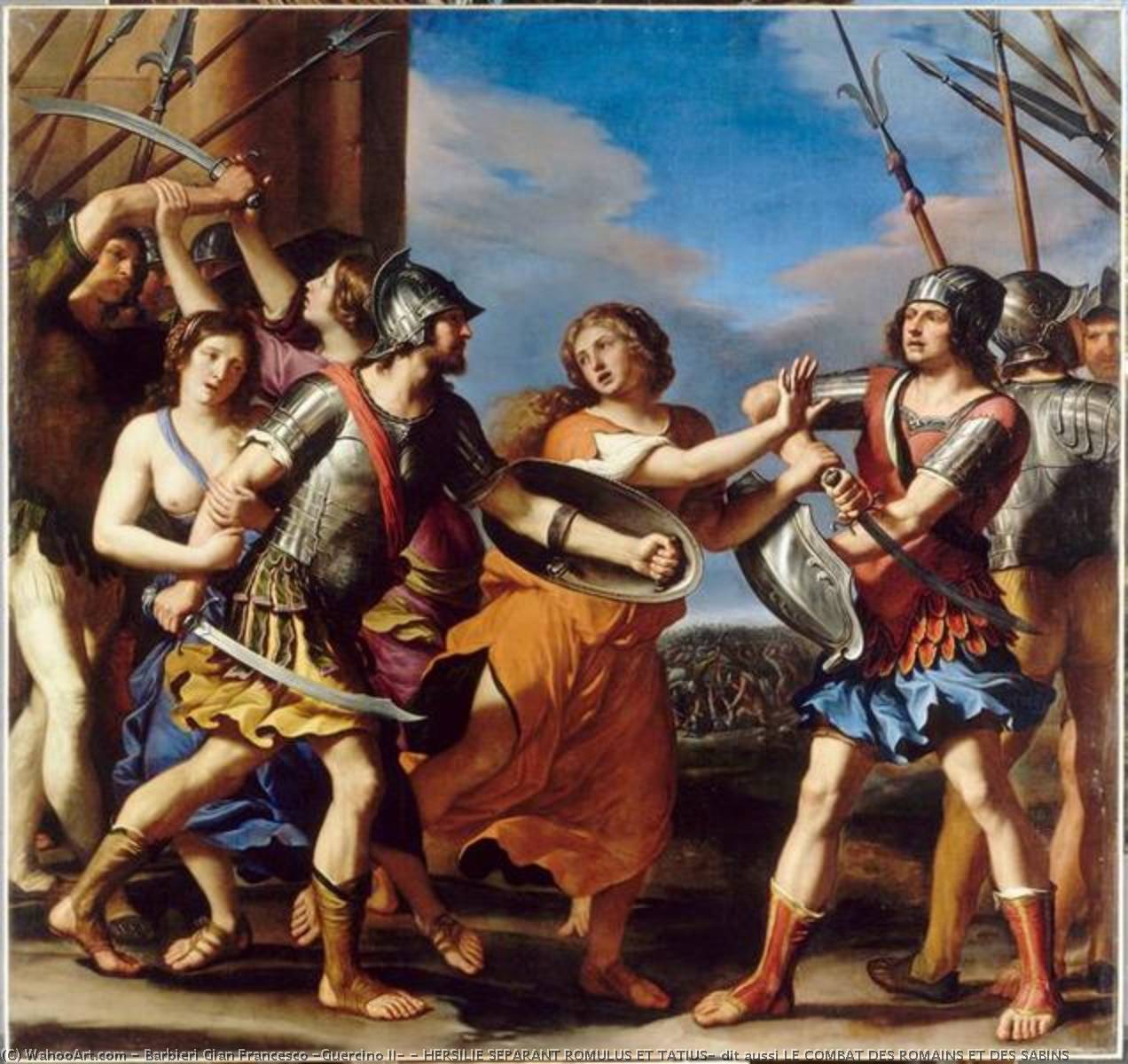
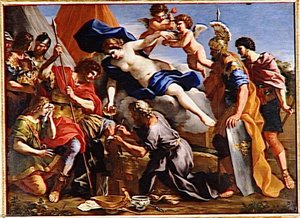
HERSILIE SEPARANT ROMULUS ET TATIUS, dit aussi LE COMBAT DES ROMAINS ET DES SABINS


 詳細を見る
詳細を見る
オンラインプレビューをはるかに凌ぐ、高解像度で鮮明なデジタル画像をご購入いただけます。
各ファイルは、社内の専門家が高度なツールと熟練した手作業によるレタッチを用いて、細心の注意を払って準備されています。すべての画像において、卓越した鮮明度、正確な色彩再現性、そして繊細なディテールを保証いたします。
最終ファイルは、プロフェッショナルな編集・印刷環境ですぐにご利用いただけるよう最適化された状態で、72時間以内にメールにてお届けいたします。これは、一流のデザインスタジオ、出版社、ギャラリーから信頼されているものと同等の品質です。
デジタル画像のご注文に付随する特典
高品質なデジタル画像配信を、確かな品質で。
ArtsDot.com を選ぶことは、単に画像を手に入れることではありません。それは、プロの手によって精密に仕上げられ、満足保証が付いた高品質なデジタルアートワークを受け取ることを意味します。ご注文いただいた際に自動的に付随する内容は、以下の通りです:

メールですぐにお届け
ご注文から72時間以内に、高解像度のデジタル画像ファイルがメールでお手元に届きます。すぐにそのままご利用いただけます。

AI技術で最適化されたデジタルファイル
お客様の作品は、高度なAIツールと専門家による手作業の編集を組み合わせてプロフェッショナルに最適化されており、細部のディテール、鮮明さ、そして正確な色再現性を最大限に引き出しています。

一生涯無料の再送サービス
ファイルを誤って削除したり、紛失してしまったりしましたか?ご安心ください。いつでも無料で再送いたします。

輸入手数料は一切かかりません
関税や手数料、配送料を気にすることなく、お気に入りのアートワークをすぐにお楽しみいただけます。デジタルダウンロードは常に免税です。

色彩再現の保証
プロ仕様のツールとカラーマネジメント技術を用いることで、デジタル画像が元の色を最大限に忠実に再現することを保証いたします。

60日間満足保証
ご購入いただいたデジタル画像にご満足いただけない場合は、60日以内であれば、修正または100%の返金(理由を問う必要はありません)をさせていただきます。

100% 返金保証
ご満足いただけない場合は、デジタルファイルを受け取ってから60日以内であれば、理由を問わず全額返金いたします。

まとめ買い割引
3枚購入で10%OFF - 5枚購入で15%OFF - 10枚以上購入で20%OFF。クリエイティブなプロジェクト、ギャラリー、エージェンシーに最適です。
作品の詳細
A Dramatic Encounter: Guercino’s “The Combat of Romulus and Titus”
Giovanni Francesco Barbieri, known as Guercino (1591 – 1666), emerged from the silk weaving heartland of Sassuolo, Emilia-Romagna, Italy, to become one of Bolognese Baroque’s most distinctive voices. His artistic journey began under Alessandro Magnasco's tutelage, absorbing Caravaggio’s revolutionary naturalism and mastering the profound influence of chiaroscuro – a technique that would define his unparalleled landscape paintings and illuminate his emotionally charged religious compositions. Despite a relatively brief career, Guercino’s legacy persists as an exemplar of Baroque artistry, particularly in conveying visceral drama and capturing the sublime beauty of the natural world.The Subject Matter: Mythic Conflict Embodied
“Hersilie séparant Romulus et Tatius,” or “The Combat of Romulus and Titus,” depicts a pivotal moment from Roman mythology – the confrontation between Romulus and Titus Sabinus over the rightful succession to Rome’s leadership. The painting vividly portrays the struggle for power, capturing the tension and physicality of battle with remarkable precision. Two figures dominate the scene: Romulus, wielding a sword with fierce determination, engages in combat with Titus Sabinus, who defends his claim to the throne. Surrounding them are additional soldiers, some actively participating in the fray while others observe the unfolding drama with apprehension. The composition is carefully balanced, emphasizing the central conflict and conveying an atmosphere of intense urgency.Stylistic Innovation: Guercino’s Unique Vision
Guercino's distinctive style transcends mere imitation; it represents a radical departure from prevailing artistic conventions. He eschewed Caravaggio’s theatrical darkness for a softer, more luminous palette—a characteristic he termed “luminosity”—creating landscapes imbued with ethereal beauty and conveying profound emotional depth. This luminosity is particularly evident in the depiction of the Roman countryside, where rolling hills and distant mountains bathe in diffused sunlight. Guercino's brushstrokes are loose and expressive, prioritizing tonal variation over meticulous detail, resulting in textured surfaces that capture the dynamism of movement and imbue the scene with palpable energy.Technique: Mastering Light and Shadow
The artist’s masterful manipulation of light and shadow—a cornerstone of Baroque painting—is central to Guercino's artistic achievement. He skillfully employs chiaroscuro not merely for dramatic effect but as a tool for conveying psychological realism. The interplay between illuminated areas and darkened recesses sculpts the figures, highlighting musculature and emphasizing emotional states. Furthermore, Guercino’s meticulous attention to atmospheric perspective—the gradual blurring of distant objects—creates an illusion of depth that enhances the painting's immersive quality. This technique underscores Guercino’s commitment to capturing not just what is seen but also how it feels to experience the grandeur of the Roman landscape and the intensity of human conflict.Symbolism: Mythic Allegory and Moral Reflection
Beyond its narrative depiction of a mythological confrontation, “The Combat of Romulus and Titus” resonates with deeper symbolic meanings. The struggle between Romulus and Titus represents the broader conflict between order and chaos—between tradition and innovation—a theme that reflects the anxieties of the Baroque era. Guercino’s use of luminous color symbolizes divine grace and spiritual enlightenment, contrasting sharply with the darkness associated with evil and mortality. The painting serves as a moral reflection on human ambition and the importance of upholding justice and righteousness, reminding viewers of the enduring values enshrined in classical mythology.Emotional Impact: Capturing Sublime Beauty
Ultimately, Guercino’s “The Combat of Romulus and Titus” transcends mere visual representation; it evokes profound emotional responses from the viewer. The painting's dramatic composition and luminous palette instill a sense of awe and wonder—a testament to Guercino’s ability to capture the sublime beauty of the natural world while simultaneously conveying the visceral intensity of human struggle. It invites contemplation on themes of heroism, sacrifice, and moral responsibility, leaving an indelible impression on those who engage with its artistic power.関連作品

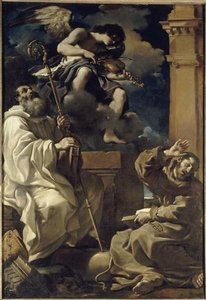
作家の略歴
The Master of Light and Shadow: The Life of Guercino
Born Giovanni Francesco Barbieri around 1591 in the serene town of Sassuolo, Italy, the artist who would become known to history as Guercino emerged as one of the most luminous figures of the Bolognese Baroque. His name, a nickname meaning "the squinting one," perhaps alludes to the intense, focused gaze with which he approached his canvas, a gaze that captured the very essence of human emotion and divine light. Growing up in the Emilia-Region, a territory rich with artistic tradition, Barbieri was destined to become a central pillar of the Italian Baroque movement, weaving together the dramatic naturalism of the era with a profound, poetic sensibility.
The foundations of his genius were laid during his early training, where he absorbed the stylistic nuances of the Bolognese school. While much of his formative years remain shrouded in the mists of history, his artistic lineage is clearly traced through his engagement with the works of masters like Alessandro Magnasco. This early exposure introduced him to the transformative power of chiaroscuro—the dramatic interplay between deep, velvety shadows and piercing highlights. As he matured, Guercino did not merely mimic existing styles; he synthesized them, creating a visual language that felt both grounded in reality and elevated by spiritual grace.
A Synthesis of Caravaggesque Drama and Bolognese Grace
The trajectory of Guercino’s career was irrevocably altered by the revolutionary influence of Caravaggio. The sheer psychological depth and uncompromising realism found in Caravaggio's work acted as a catalyst for Barbieri, prompting him to explore the more visceral aspects of the human condition. In his hands, the starkness of Caravaggism was softened by a uniquely Bolognese elegance, resulting in compositions that possessed an uncanny sense of atmosphere. He mastered the ability to use light not just as a tool for visibility, but as a narrative force capable of guiding the viewer's eye through complex biblical and mythological landscapes.
This mastery is perhaps most evident when examining his approach to religious iconography. In works such as The Liberation of St Peter, executed in 1622, one can witness the breathtaking tension between the divine and the earthly. The painting serves as a testament to his ability to capture a moment of miraculous intervention through emotive expression and dramatic lighting. Similarly, his mythological explorations, such as Venus and Cupid, demonstrate a sophisticated command of color and form, where the tenderness of the subjects is balanced by the heavy, atmospheric shadows that define his signature style.
Legacy and Artistic Significance
Guercino’s contribution to the Baroque era extends far beyond the mere depiction of scenes; he redefined the emotional landscape of seventeenth-century painting. His ability to imbue even the most tranquil landscapes with a sense of spiritual contemplation allowed him to bridge the gap between the intense drama of the early Baroque and the more lyrical, classical tendencies that would follow. His influence resonated throughout Europe, inspiring generations of painters to seek the balance between naturalistic truth and idealized beauty.
Throughout his prolific life, which concluded in 1666, Guercino remained a steadfast architect of light. His achievements can be summarized through several key artistic pillars:
- Mastery of Chiaroscuro: The use of extreme light and shadow to create depth, volume, and psychological tension.
- Emotional Naturalism: A commitment to portraying human figures with an honesty that resonates with the viewer's own empathy.
- Atmospheric Landscapes: The creation of settings that feel lived-in and spiritually charged, moving beyond mere backdrops to become active participants in the narrative.
- Stylistic Synthesis: The seamless blending of Caravaggio’s dramatic realism with the refined traditions of the Bolognese school.
Today, the works of Guercino continue to captivate audiences in museums across the globe, standing as enduring monuments to a period of unparalleled artistic innovation. He remains a definitive voice of the Baroque, reminding us that art is at its most powerful when it illuminates both the physical world and the unseen depths of the human soul.
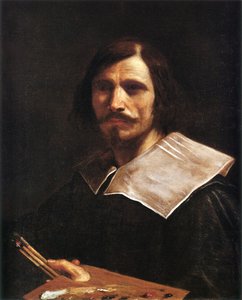
barbieri gian francesco (guercino il)
1591 - 1666
プロフィール概要
- Artistic Movement Or Style: Baroque painting
- Artists Or Movements Influenced By This Artist: ['Italian Baroque']
- Artists Who Influenced This Artist:
- Caravaggio
- Annibal Rigaudi
- Date Of Birth: 1591
- Date Of Death: 1666
- Full Name: Giovanni Francesco Barbieri
- Nationality: Italian
- Notable Artworks:
- San Cesare Vespasiano Chapel Altarpiece
- The Martyrdom of Saint Cecilia
- Place Of Birth: Borgo San Lorenzo, Tuscany

