 プレビュー
プレビュー
 シェアする
シェアする シェアする
シェアする
 詳細を見る
詳細を見る

 ダウンロード
 似ている作品
 X線調査
X線調査 スライドショー
聖ペテルの解放


 詳細を見る
詳細を見る
ジークレー/アートプリント
迅速な制作と多彩な仕上げオプションを備えた、ミュージアムクオリティのジークレーまたはキャンバスプリント。 ( 手描きの絵画を購入 画像を購入)




P118B $10

P118H $10

P118W $10

P438Z $10

P508JH $12

P508YH $12

P805H $10

P805Z $10

P919BZ $10

P919G $10

P919XJ $10

P959ZH $10

P968JZ $12

W106C $8

W218G $10

W218JH $8

W218Y $10

W307PJ $10

W316G $10

W316PJ $8

W316Y $10

W398PJ $8

W4111J $10

W500HY $15

W500JH $15

W692G $12

W849H $8

W940BG $15

W953PJ $8




作品のオリジナル比率に合わせた、当店の規定サイズからお選びください。

特定のフレームやスペースに合わせて、ご自身でサイズを指定することも可能です。選択されたサイズが元の画像の比率と一致しない場合、作品をトリミングするか、鏡面反射または単色での塗りつぶしによって画像を拡張いたします。制作を開始する前に、ご確認用のデジタルモックアップをお送りいたします。
画面上のプレビューには、実際のトリミングや拡張は反映されませんのでご注意ください。最終的な構図を正確に確認できるのは、モックアップのみとなります。
カスタムサイズも承っておりますが、元の比率を維持するためには、あらかじめ用意されたリストからサイズを選択することをお勧めいたします。


 ガラスオプションは、110cm未満のサイズでのみご利用いただけます。

聖ペテルの解放
ジークレー/アートプリント
複製画のサイズ
-


合計金額
$ 62
作品詳細説明
サルチェレ・ヴェスパシアーノ聖堂の解放 - クエルチーニ 作品について
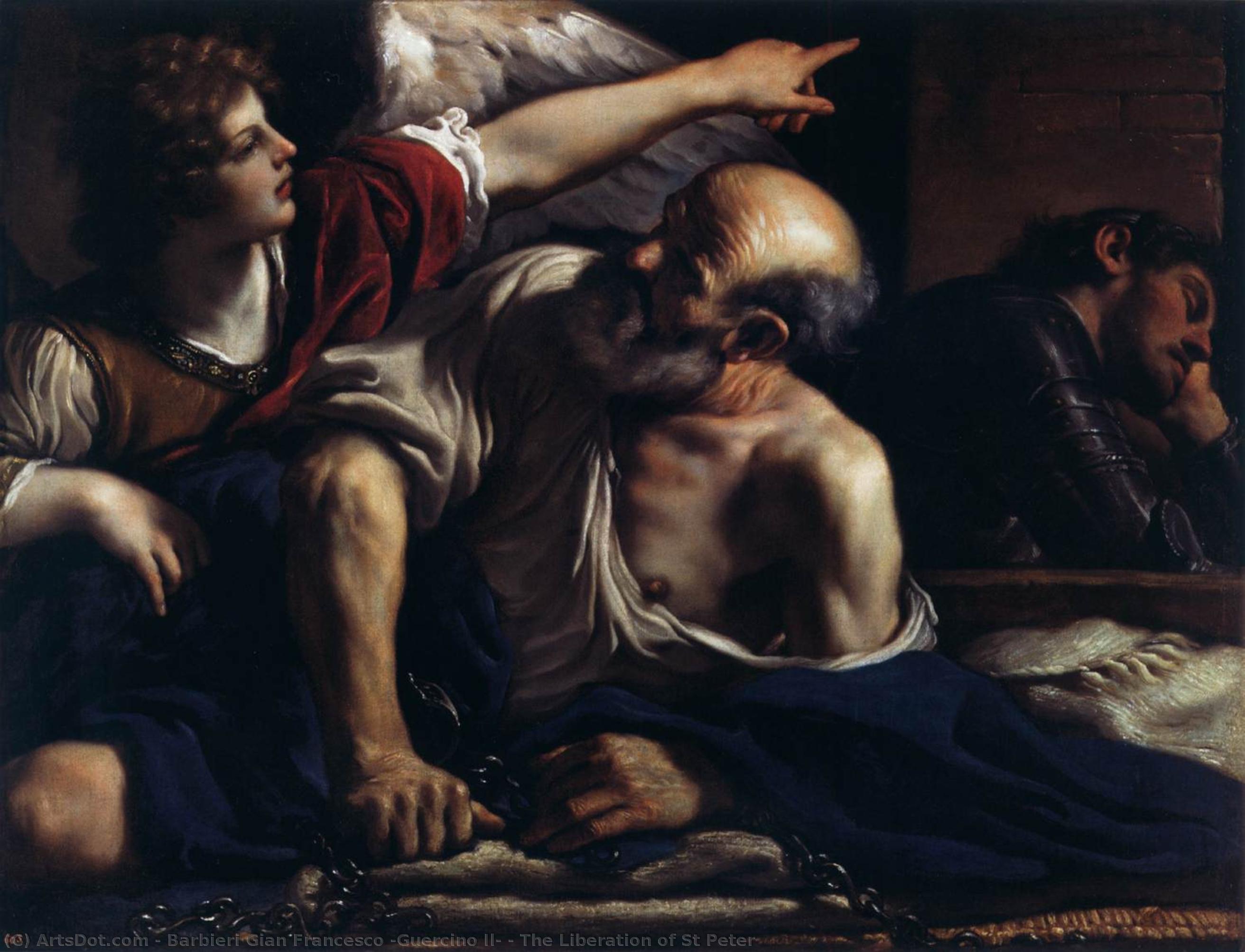
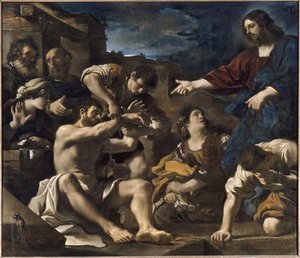
クエルチーニ(ジョヴァンニ・フランチェスコ・バルビエリ)は、イタリアのボローニャで生まれ、約1591年に活動を開始したバロック絵画家です。彼の作品は特に風景画と宗教的なイコンにおいて傑出しており、当時の芸術家たちに大きな影響を与えました。彼はアレッサンドロ・マグナスコから指導を受け、カラヴァッジョの影響を受けた劇的な表現技法を習得しました。この指導は、クエルチーニがバロック絵画の独特なスタイルを確立する上で重要な役割を果たしました。彼の作品はイタリア美術史において特別な地位を占めています。 ### 作品の詳細と特徴 「サルチェレ・ヴェスパシアーノ聖堂の解放」は、1622年にクエルチーニが制作したバロック絵画です。この作品は、聖ペテロスの解放という劇的な場面を描写しており、前景には3人の人物が主要な役割を果たしています。1人はもう1人の男性を指し示し、もう1人は床に臥せている様子で、女性は近くに立ちます。その他にも多くの人々が登場します。特に左上の角付近に立つ人物と右側に配置された2人の人物は、この場面のドラマ性をさらに強調しています。クエルチーニの絵画技法の特徴として、カラヴァッジョの影響を受けた劇的なコントラスト表現(スクァルチェロ)が挙げられます。彼は光と影を巧みに使い分け、聖ペテロスの解放という重要な瞬間を効果的に表現しました。この作品は特に聖ペテロスの解放というテーマにおいて深い宗教的意義を持っています。 ### 歴史的背景と芸術的影響 クエルチーニの活動時期はバロック美術の黄金時代にあたり、彼の作品は当時の芸術家たちに大きな刺激を与えました。彼はカラヴァッジョやマグナスコといった優れた画家たちから指導を受け、バロック絵画の表現技法を洗練させました。彼の作品はイタリア美術史において重要な位置を占めており、特に風景画における自然主義的な描写は後の芸術家に影響を与え続けました。「サルチェレ・ヴェスパシアーノ聖堂の解放」は、当時の宗教的な情熱と芸術的な革新を象徴する作品と言えるでしょう。この絵画は単なる美しい芸術作品としてだけでなく、バロック美術の歴史的背景と芸術的影響を理解するための貴重な資料となります。 ### 色彩とテクスチャによる表現力 クエルチーニの絵画における色彩とテクスチャの使い方は非常に特徴的です。彼は豊かな青色や黄土色、オレンジ色などを用いて、これらの色調を繊細に変化させながら光と影を効果的に表現しました。特に聖ペテロスの解放という場面において、クエルチーニは光の微妙なニュアンスとテクスチャの変化によって、観る者に感動的な感情を呼び起こします。彼の絵画技法は単なる技術的なスキルだけでなく、芸術家としての感受性と情熱が込められた表現力の一つの現れと言えるでしょう。この作品はクエルチーニの卓越した芸術的才能を示すとともに、バロック美術における色彩とテクスチャによる表現力の重要性を物語っています。関連作品


アーティストの略歴
The Master of Light and Shadow: The Life of Guercino
Born Giovanni Francesco Barbieri around 1591 in the serene town of Sassuolo, Italy, the artist who would become known to history as Guercino emerged as one of the most luminous figures of the Bolognese Baroque. His name, a nickname meaning "the squinting one," perhaps alludes to the intense, focused gaze with which he approached his canvas, a gaze that captured the very essence of human emotion and divine light. Growing up in the Emilia-Region, a territory rich with artistic tradition, Barbieri was destined to become a central pillar of the Italian Baroque movement, weaving together the dramatic naturalism of the era with a profound, poetic sensibility.
The foundations of his genius were laid during his early training, where he absorbed the stylistic nuances of the Bolognese school. While much of his formative years remain shrouded in the mists of history, his artistic lineage is clearly traced through his engagement with the works of masters like Alessandro Magnasco. This early exposure introduced him to the transformative power of chiaroscuro—the dramatic interplay between deep, velvety shadows and piercing highlights. As he matured, Guercino did not merely mimic existing styles; he synthesized them, creating a visual language that felt both grounded in reality and elevated by spiritual grace.
A Synthesis of Caravaggesque Drama and Bolognese Grace
The trajectory of Guercino’s career was irrevocably altered by the revolutionary influence of Caravaggio. The sheer psychological depth and uncompromising realism found in Caravaggio's work acted as a catalyst for Barbieri, prompting him to explore the more visceral aspects of the human condition. In his hands, the starkness of Caravaggism was softened by a uniquely Bolognese elegance, resulting in compositions that possessed an uncanny sense of atmosphere. He mastered the ability to use light not just as a tool for visibility, but as a narrative force capable of guiding the viewer's eye through complex biblical and mythological landscapes.
This mastery is perhaps most evident when examining his approach to religious iconography. In works such as The Liberation of St Peter, executed in 1622, one can witness the breathtaking tension between the divine and the earthly. The painting serves as a testament to his ability to capture a moment of miraculous intervention through emotive expression and dramatic lighting. Similarly, his mythological explorations, such as Venus and Cupid, demonstrate a sophisticated command of color and form, where the tenderness of the subjects is balanced by the heavy, atmospheric shadows that define his signature style.
Legacy and Artistic Significance
Guercino’s contribution to the Baroque era extends far beyond the mere depiction of scenes; he redefined the emotional landscape of seventeenth-century painting. His ability to imbue even the most tranquil landscapes with a sense of spiritual contemplation allowed him to bridge the gap between the intense drama of the early Baroque and the more lyrical, classical tendencies that would follow. His influence resonated throughout Europe, inspiring generations of painters to seek the balance between naturalistic truth and idealized beauty.
Throughout his prolific life, which concluded in 1666, Guercino remained a steadfast architect of light. His achievements can be summarized through several key artistic pillars:
- Mastery of Chiaroscuro: The use of extreme light and shadow to create depth, volume, and psychological tension.
- Emotional Naturalism: A commitment to portraying human figures with an honesty that resonates with the viewer's own empathy.
- Atmospheric Landscapes: The creation of settings that feel lived-in and spiritually charged, moving beyond mere backdrops to become active participants in the narrative.
- Stylistic Synthesis: The seamless blending of Caravaggio’s dramatic realism with the refined traditions of the Bolognese school.
Today, the works of Guercino continue to captivate audiences in museums across the globe, standing as enduring monuments to a period of unparalleled artistic innovation. He remains a definitive voice of the Baroque, reminding us that art is at its most powerful when it illuminates both the physical world and the unseen depths of the human soul.
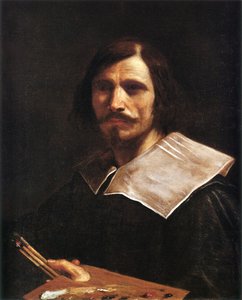
barbieri gian francesco (guercino il)
1591 - 1666
基本情報
- Artistic Movement Or Style: Baroque painting
- Artists Or Movements Influenced By This Artist: ['Italian Baroque']
- Artists Who Influenced This Artist:
- Caravaggio
- Annibal Rigaudi
- Date Of Birth: 1591
- Date Of Death: 1666
- Full Name: Giovanni Francesco Barbieri
- Nationality: Italian
- Notable Artworks:
- San Cesare Vespasiano Chapel Altarpiece
- The Martyrdom of Saint Cecilia
- Place Of Birth: Borgo San Lorenzo, Tuscany
関連記事
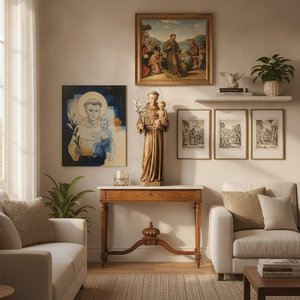
Discover the Divine: Inspiring Saint Anthony Artworks to Elevate Your Home Decor
Transform your home with the profound beauty of Saint Anthony artworks. Explore exquisite Baroque reproductions by Murillo and Zurbarán, hand-painted on 100% cotton canvas to bring divine serenity and timeless elegance to your interior design.
Guercino: A Baroque Master Between Caravaggism & Classicism – Exploring Innovation & Emotional Depth
Explore the captivating world of Guercino, a Baroque master bridging Caravaggism & Classicism. Discover his dramatic chiaroscuro, emotional depth, and lasting influence on art history with ArtsDot.

The Dramatic Flourish: Exploring the Baroque Movement's Enduring Legacy in Art History
Explore the dramatic world of Baroque art! Discover iconic artists like Caravaggio & Rubens, defining techniques, and its lasting impact on art history. Expert insights for collectors & enthusiasts at ArtsDot.

バロック美術を極めた至宝:時代を彩る10大名作の世界
バロック美術の華!カラヴァッジョ、ベルニーニら巨匠が創り上げた10大名作を徹底解剖。ドラマチックな色彩と豪華絢爛の世界観に触れ、至宝のアートプリントで空間を彩ろう。ArtsDot.comで美術館品質の複製と洗練されたインテリアを見つけましょう!

The Golden Age Reforged: Dramatic Realism & Religious Zeal in Spanish Baroque Art
Explore the dramatic world of Spanish Baroque art! Discover masters like Zurbarán & the powerful influence of religious zeal on painting techniques – a guide for collectors and enthusiasts.