

 プレビュー
プレビュー
 プリントを購入
 シェアする
シェアする シェアする
シェアする
 詳細を見る
詳細を見る

 ダウンロード
 似ている作品
 X線調査
X線調査 スライドショー
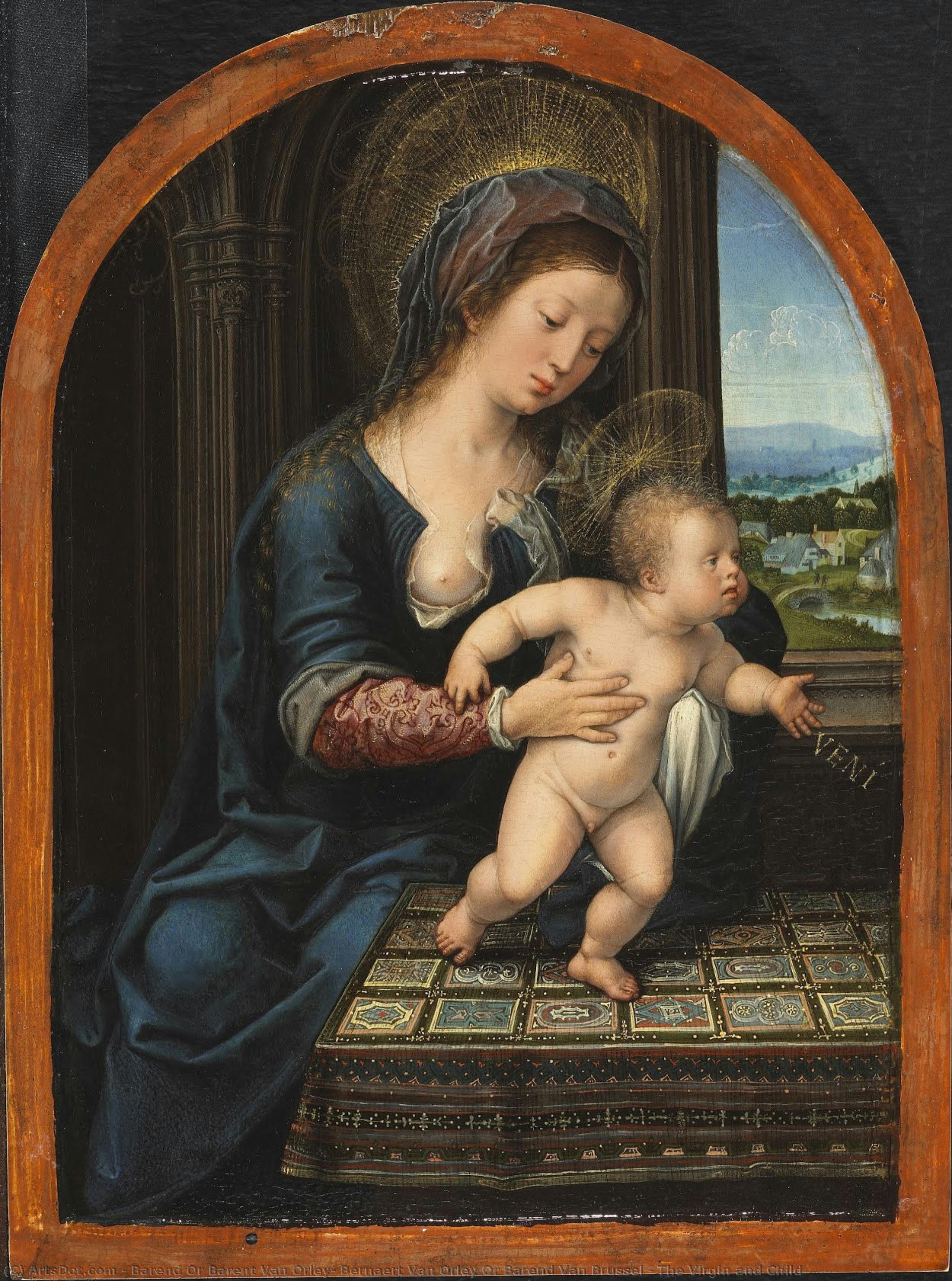
The Virgin and Child
 Acrylic On Canvas
- WallArt
- Romanist Renaissance
 1520
1520 24.0 x 18.0 cm
 国立カナダ美術館
 詳細を見る
詳細を見る
オンラインプレビューをはるかに凌ぐ、高解像度で鮮明なデジタル画像をご購入いただけます。
各ファイルは、社内の専門家が高度なツールと熟練した手作業によるレタッチを用いて、細心の注意を払って準備されています。すべての画像において、卓越した鮮明度、正確な色彩再現性、そして繊細なディテールを保証いたします。
最終ファイルは、プロフェッショナルな編集・印刷環境ですぐにご利用いただけるよう最適化された状態で、72時間以内にメールにてお届けいたします。これは、一流のデザインスタジオ、出版社、ギャラリーから信頼されているものと同等の品質です。
デジタル画像のご注文に付随する特典
高品質なデジタル画像配信を、確かな品質で。
ArtsDot.com を選ぶことは、単に画像を手に入れることではありません。それは、プロの手によって精密に仕上げられ、満足保証が付いた高品質なデジタルアートワークを受け取ることを意味します。ご注文いただいた際に自動的に付随する内容は、以下の通りです:

メールですぐにお届け
ご注文から72時間以内に、高解像度のデジタル画像ファイルがメールでお手元に届きます。すぐにそのままご利用いただけます。

AI技術で最適化されたデジタルファイル
お客様の作品は、高度なAIツールと専門家による手作業の編集を組み合わせてプロフェッショナルに最適化されており、細部のディテール、鮮明さ、そして正確な色再現性を最大限に引き出しています。

一生涯無料の再送サービス
ファイルを誤って削除したり、紛失してしまったりしましたか?ご安心ください。いつでも無料で再送いたします。

輸入手数料は一切かかりません
関税や手数料、配送料を気にすることなく、お気に入りのアートワークをすぐにお楽しみいただけます。デジタルダウンロードは常に免税です。

色彩再現の保証
プロ仕様のツールとカラーマネジメント技術を用いることで、デジタル画像が元の色を最大限に忠実に再現することを保証いたします。

60日間満足保証
ご購入いただいたデジタル画像にご満足いただけない場合は、60日以内であれば、修正または100%の返金(理由を問う必要はありません)をさせていただきます。

100% 返金保証
ご満足いただけない場合は、デジタルファイルを受け取ってから60日以内であれば、理由を問わず全額返金いたします。

まとめ買い割引
3枚購入で10%OFF - 5枚購入で15%OFF - 10枚以上購入で20%OFF。クリエイティブなプロジェクト、ギャラリー、エージェンシーに最適です。
Bernard van Orley: A Renaissance Visionary Shaping Flemish Art
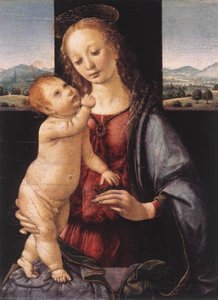
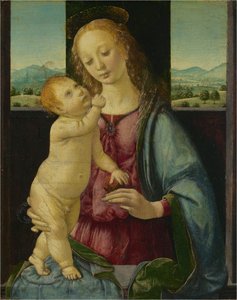
Bernard van Orley (between 1487 and 1491 – January 6, 1541), also known as Barent or Barent van Orley, Bernaert van Orley or Barend van Brussel, stands as a remarkable testament to the flourishing artistic spirit of the Flemish Renaissance. Born in Brussels—likely amidst a family deeply rooted in tapestry design—his formative years instilled within him an appreciation for meticulous craftsmanship and visual storytelling. Despite eschewing the grand pilgrimage to Italy that characterized many of his contemporaries, Van Orley possessed an astute understanding of artistic currents originating from Raphael’s Rome, aligning himself with the Romanist movement – a trend championed by Italian Renaissance aesthetics amongst Flemish painters. This deliberate choice fostered a distinctive style marked by elegance and refined observation. ### Early Influences and Artistic Training Details surrounding van Orley's early life remain somewhat elusive, reflecting the limitations of archival records from the period. However, it is known that he received his initial artistic training from Valentin van Orley, his father—a celebrated tapestry designer—establishing him firmly within the influential milieu of Bruges and Antwerp. This familial connection undoubtedly nurtured a predisposition for visual precision and an understanding of decorative arts – skills that would prove invaluable throughout his prolific career. The influence of Flemish Mannerism is palpable in his early works, demonstrating a fascination with stylized forms and subtle expressive gestures. ### The Romanist Style: Embracing Italian Renaissance Ideals Van Orley’s artistic trajectory decisively shifted upon encountering the stylistic innovations emanating from Raphael’s Rome. Recognizing the transformative potential of Italian Renaissance aesthetics, he embraced the Romanist movement—a trend that championed idealized beauty and harmonious composition amongst Flemish painters. This engagement wasn't merely superficial; it involved a profound internalization of Raphael’s principles regarding disegno – careful drawing and anatomical accuracy – resulting in paintings imbued with an unparalleled sense of grace and serenity. He skillfully blended classical ideals with humanist sensibilities, creating images that resonated deeply with the intellectual climate of his time. ### Notable Works: “The Virgin and Child” - A Masterpiece of Delicate Composition Among Van Orley’s oeuvre stands "The Virgin and Child," a captivating panel executed around 1520-1530. This artwork exemplifies the Romanist style's hallmark – a meticulously crafted scene featuring Mary cradling Jesus, bathed in diffused natural light emanating from a window. The composition is dominated by geometric lines converging towards the central figures, reflecting Raphael’s influence and prioritizing clarity of form. Delicate drapery folds contribute to the overall sense of tranquility, mirroring the humanist preoccupation with idealized beauty. Furthermore, Van Orley's masterful use of color—muted hues accented by subtle tonal variations—enhances the painting’s emotional impact, conveying a profound reverence for maternal devotion and divine grace. ### Legacy and Influence: Shaping Flemish Artistic Tradition Bernard van Orley’s contribution to Flemish art transcends mere stylistic imitation; he established himself as a pivotal figure in shaping artistic tradition. His unwavering commitment to disegno and humanist ideals solidified his reputation as one of the foremost artists of his era, inspiring subsequent generations of painters who sought to emulate his refined aesthetic sensibilities. “The Virgin and Child,” alongside other celebrated works—such as "Virgin and Child near a Fountain"—continues to captivate audiences today, serving as enduring reminders of the splendor and intellectual depth of the Flemish Renaissance. His legacy persists not only in the visual realm but also in fostering an appreciation for artistic excellence and humanist values – qualities that remain profoundly relevant in contemporary art discourse.関連作品
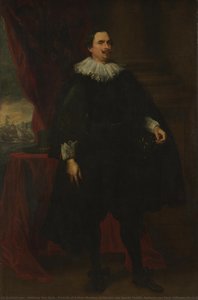
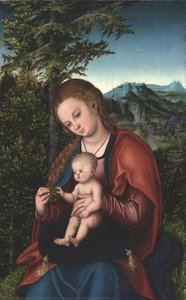
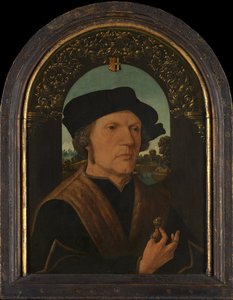
作家の略歴
The Renaissance Soul of Brussels
In the heart of a burgeoning Brussels, where the scent of damp wool and the rhythmic clatter of looms defined the urban landscape, Barend van Orley emerged as a titan of the Flemish Renaissance. Born into an era of profound artistic transition, his very lineage was woven into the fabric of the arts; as the son of the esteemed tapestry designer Valentin van Orley, his childhood was likely an immersive education in the intricate textures and grand narratives required for the great tapestries of Europe. This early exposure to the meticulous craftsmanship of the Brussels workshops provided a foundation that would eventually allow him to transcend the boundaries of mere decoration, elevating the medium of tapestry to a level of painterly sophistication previously unseen in the Low Countries.
A Synthesis of Northern Realism and Italian Grace
While many of his contemporaries embarked on arduous pilgrimages to the sun-drenched studios of Italy, van Orley achieved a remarkable feat of artistic osmosis, absorbing the revolutionary aesthetics of Raphael’s Rome from afar. He became a leading figure of the Romanist movement, a stylistic bridge that married the unflinching, microscopic realism characteristic of the Netherlandish tradition with the idealized proportions and classical grandeur of the Italian Renaissance. In his hands, the heavy, tactile world of Flemish painting—where every fold of velvet and glint of gold could be felt through the gaze—met the harmonious compositions and balanced grace of the South. This synthesis created a visual language that was both intimately familiar to Northern patrons and breathlessly modern, characterized by a profound command over light, shadow, and the human form.
A Legacy Woven in Paint and Thread
Van Orley’s genius lay in his extraordinary versatility, an ability to command the brush, the loom, and the stained-glass window with equal mastery. His oeuvre is a testament to a creator who saw no distinction between the monumental scale of a tapestry design and the delicate intimacy of a religious oil painting. Whether depicting the profound gravity of the Last Judgement or the tender grace of a Virgin and Child, his work consistently radiated a sense of divine order and earthly beauty. Beyond his individual masterpieces, his historical significance is cemented by his role as a pivotal link in the evolution of Northern art, ensuring that the traditions of his ancestors were not merely preserved but transformed for a new age. Through his prolific output and the continuation of his family’s artistic lineage, Barend van Orley left an indelible mark on the cultural identity of the Flemish Renaissance, leaving behind a legacy as enduring as the very tapestries he helped to define.
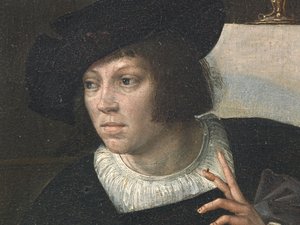
プロフィール概要
- Artistic Movement Or Style: Italianizing Flemish Renaissance
- Artists Or Movements Influenced By This Artist: ['Romanists']
- Artists Who Influenced This Artist: ['Raphael']
- Date Of Birth: c.1487
- Date Of Death: January 6, 1541
- Full Name: Bernard van Orley
- Nationality: Flemish
- Notable Artworks:
- The Haneton Triptych
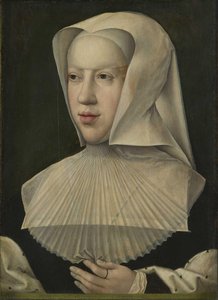
- Portrait of Margareta van Oostenrijk
- Altarpiece of Calvary
- Place Of Birth: Brussels, Belgium

