

 プレビュー
プレビュー
 プリントを購入
 シェアする
シェアする シェアする
シェアする
 詳細を見る
詳細を見る

 ダウンロード
 似ている作品
 X線調査
X線調査 スライドショー
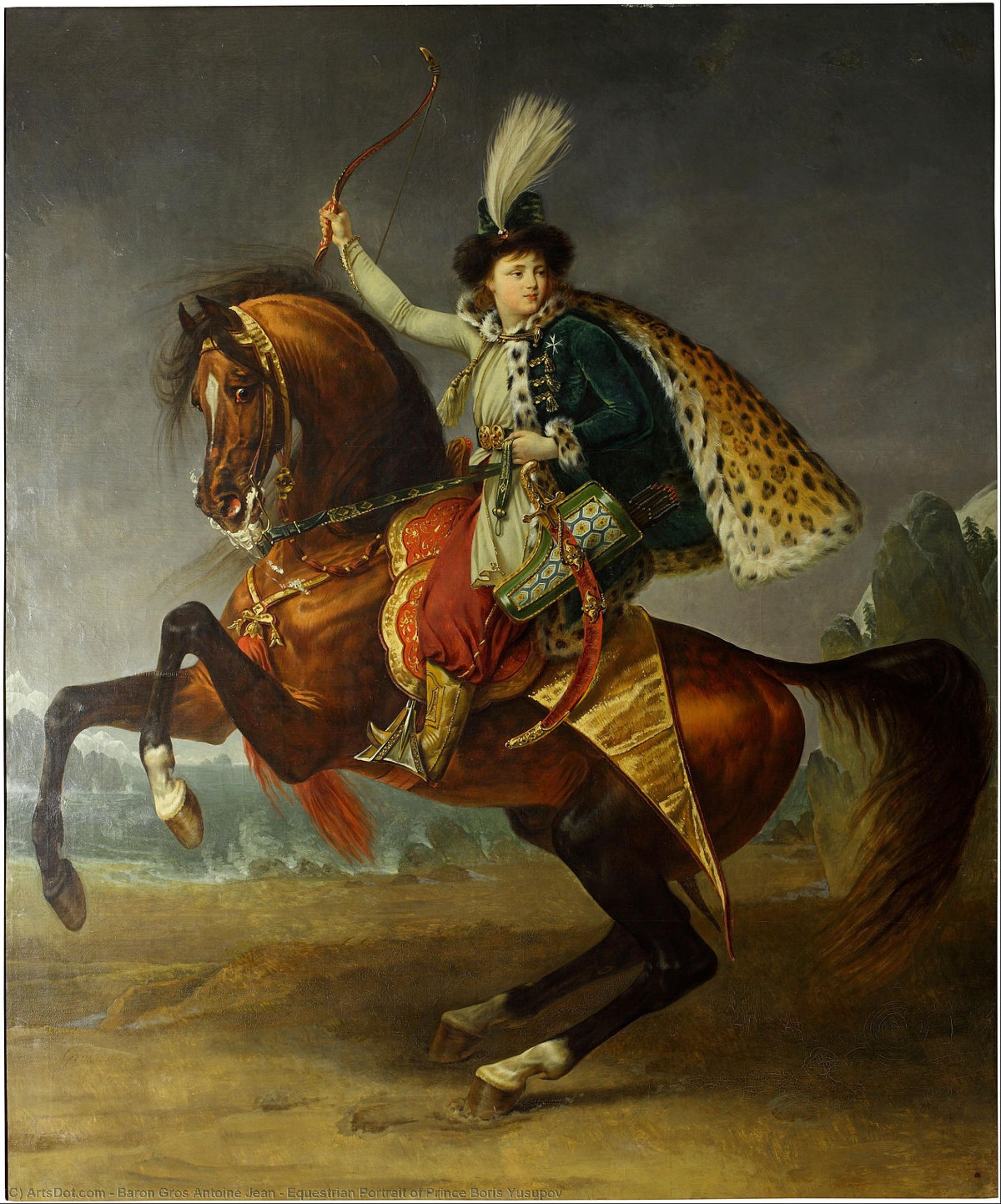
Equestrian Portrait of Prince Boris Yusupov
 Oil
Oil- WallArt
- Romanticism
 1809
1809- 19th Century
 321.0 x 266.0 cm
 国立博物館群
 詳細を見る
詳細を見る
オンラインプレビューをはるかに凌ぐ、高解像度で鮮明なデジタル画像をご購入いただけます。
各ファイルは、社内の専門家が高度なツールと熟練した手作業によるレタッチを用いて、細心の注意を払って準備されています。すべての画像において、卓越した鮮明度、正確な色彩再現性、そして繊細なディテールを保証いたします。
最終ファイルは、プロフェッショナルな編集・印刷環境ですぐにご利用いただけるよう最適化された状態で、72時間以内にメールにてお届けいたします。これは、一流のデザインスタジオ、出版社、ギャラリーから信頼されているものと同等の品質です。
デジタル画像のご注文に付随する特典
高品質なデジタル画像配信を、確かな品質で。
ArtsDot.com を選ぶことは、単に画像を手に入れることではありません。それは、プロの手によって精密に仕上げられ、満足保証が付いた高品質なデジタルアートワークを受け取ることを意味します。ご注文いただいた際に自動的に付随する内容は、以下の通りです:

メールですぐにお届け
ご注文から72時間以内に、高解像度のデジタル画像ファイルがメールでお手元に届きます。すぐにそのままご利用いただけます。

AI技術で最適化されたデジタルファイル
お客様の作品は、高度なAIツールと専門家による手作業の編集を組み合わせてプロフェッショナルに最適化されており、細部のディテール、鮮明さ、そして正確な色再現性を最大限に引き出しています。

一生涯無料の再送サービス
ファイルを誤って削除したり、紛失してしまったりしましたか?ご安心ください。いつでも無料で再送いたします。

輸入手数料は一切かかりません
関税や手数料、配送料を気にすることなく、お気に入りのアートワークをすぐにお楽しみいただけます。デジタルダウンロードは常に免税です。

色彩再現の保証
プロ仕様のツールとカラーマネジメント技術を用いることで、デジタル画像が元の色を最大限に忠実に再現することを保証いたします。

100日間満足保証
ご購入いただいたデジタル画像にご満足いただけない場合は、100日以内であれば、修正または100%の返金(理由を問う必要はありません)をさせていただきます。

100% 返金保証
ご満足いただけない場合は、デジタルファイルを受け取ってから100日以内であれば、理由を問わず全額返金いたします。

まとめ買い割引
3枚購入で10%OFF - 5枚購入で15%OFF - 10枚以上購入で20%OFF。クリエイティブなプロジェクト、ギャラリー、エージェンシーに最適です。
関連作品
作家の略歴
Antoine-Jean Gros (1771–1835): The Romantic Battlefield
Antoine-Jean Gros, later Baron Gros, stands as a singular figure in French art history—a painter who deftly transitioned from the rigid formalism of Neoclassicism to the passionate expressive fervor of Romanticism. Born in Paris in 1771, Gros’s artistic journey began amidst the stylistic debates that characterized the era, yet he ultimately forged his own distinctive path, securing a place among the most influential artists of his time and profoundly impacting subsequent generations of painters like Eugène Delacroix and Théodore Géricault. His early training focused on mastering the techniques of Jacques-Louis David, the dominant voice of Neoclassicism, ensuring a grounding in classical ideals of beauty and proportion. However, Gros quickly recognized the limitations of this style when confronted with the turbulent realities of the French Revolution. Witnessing firsthand the fervor and violence of Parisian upheaval instilled within him a desire to depict emotion and drama—a yearning that would propel him toward Romanticism’s embrace of subjective experience.- Early Life & Training: Gros received his initial artistic education from Jacques-Louis David, absorbing the principles of classical art and mastering meticulous draftsmanship.
- Revolutionary Influence: The French Revolution ignited Gros's imagination, prompting him to abandon Neoclassical conventions in favor of emotionally charged depictions of historical events.
The Napoleonic Canvas: Dramatic Battles & Imperial Glory
Gros’s artistic reputation solidified during Napoleon Bonaparte’s reign, becoming synonymous with the monumental canvases that captured the grandeur and terror of military campaigns. He achieved unparalleled fame for his portrayal of pivotal battles—Arcola (1796), Austerlitz (1805), Borodino (1812)—each infused with a visceral sense of immediacy and psychological depth. Unlike David’s idealized representations, Gros eschewed polished surfaces and meticulous detail, prioritizing emotional impact over technical precision. He employed bold brushstrokes, dramatic lighting, and vibrant color palettes to convey the chaos and heroism of warfare, establishing himself as the foremost exponent of “history painting” during Napoleon's ascendancy.
Notable works include:
- Bonaparte at the Pont d’Arcole (1796): This iconic depiction captures Napoleon’s triumphant arrival at Arcole, embodying the spirit of Napoleonic ambition and military prowess.
- The Battle of Austerlitz (1805): Gros's masterful rendering of the decisive Austrian defeat cemented his reputation as a painter of monumental scale and dramatic intensity.
- The Battle of Borodino (1812): Considered by many to be Gros’s masterpiece, this harrowing portrayal of the Russian siege powerfully conveys the suffering and courage of soldiers amidst the horrors of war.
Beyond Battles: Portraits & Genre Scenes While Gros is primarily celebrated for his battlefield panoramas, he also produced a significant body of portraiture and genre paintings—works that reveal a more nuanced understanding of human psychology and social life. His portraits of Napoleon Bonaparte and Josephine Beauharnais exemplify his ability to capture regal dignity and charisma, demonstrating meticulous attention to detail and psychological insight. Furthermore, Gros’s depictions of everyday scenes—such as “Sappho at Leucate” and “Les Pestiférés de Jaffa”—offer glimpses into the human condition, imbued with compassion and empathy.
Legacy & Influence Antoine-Jean Gros's artistic innovations profoundly impacted subsequent Romantic painters, particularly Eugène Delacroix and Théodore Géricault. He championed a style characterized by emotional intensity, dramatic lighting, and expressive brushwork—elements that would become hallmarks of the Romantic movement. Gros’s unwavering commitment to portraying historical events with visceral realism paved the way for a new aesthetic sensibility, shaping the visual language of 19th-century art and securing his enduring legacy as one of France's most important artistic figures. His influence extended beyond painting, inspiring artists in other mediums—sculpture, theater—demonstrating the breadth of his artistic impact.
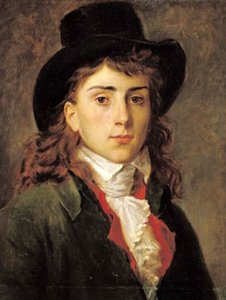
baron gros antoine jean
1771 - 1835
プロフィール概要
- Artistic Movement Or Style: Romanticism
- Artists Or Movements Influenced By This Artist:
- Eugène Delacroix
- Romanticism
- Artists Who Influenced This Artist:
- Jacques-Louis David
- Jean Auguste Ingres
- Date Of Birth: 1771
- Date Of Death: 1835
- Full Name: Antoine-Jean Gros, Baron Gros
- Nationality: French
- Notable Artworks:
- The Chief of the Mamelukes on Horseback
- Sappho at Leucate
- Les Pestiférés de Jaffa
- Bonaparte at the Pont d'Arcole
- Place Of Birth: France