

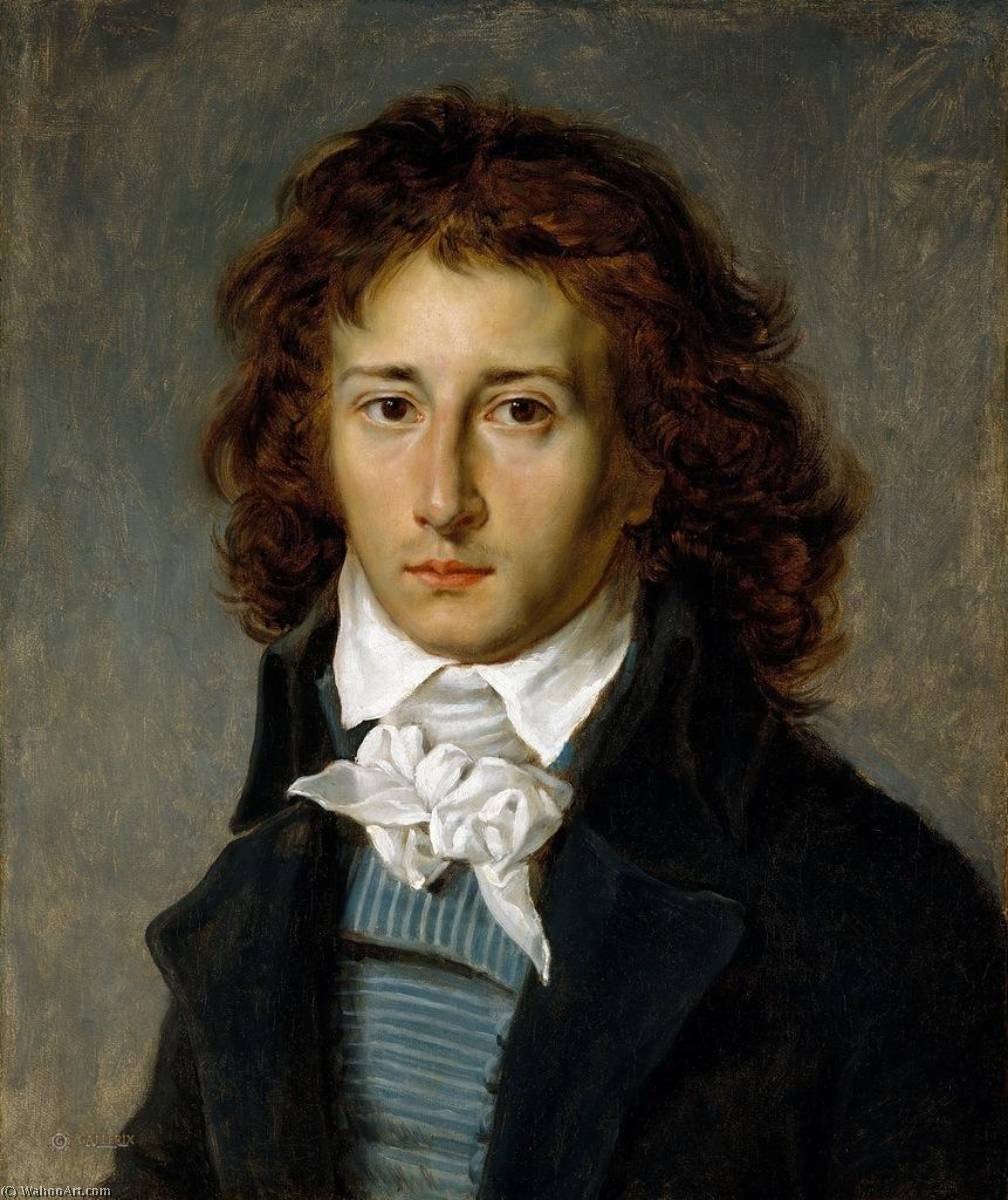
 プレビュー
プレビュー
 シェアする
シェアする シェアする
シェアする
 詳細を見る
詳細を見る

 ダウンロード
 似ている作品
 X線調査
X線調査 スライドショー
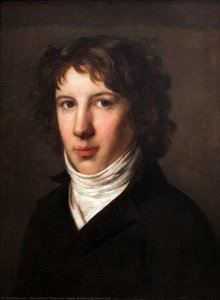
François Pascal Simon Gérard, later Baron Gérard

 詳細を見る
詳細を見る
ジークレー/アートプリント
迅速な制作と多彩な仕上げオプションを備えた、ミュージアムクオリティのジークレーまたはキャンバスプリント。 ( 手描きの絵画を購入 画像を購入)




































作品のオリジナル比率に合わせた、当店の規定サイズからお選びください。

特定のフレームやスペースに合わせて、ご自身でサイズを指定することも可能です。選択されたサイズが元の画像の比率と一致しない場合、作品をトリミングするか、鏡面反射または単色での塗りつぶしによって画像を拡張いたします。制作を開始する前に、ご確認用のデジタルモックアップをお送りいたします。
画面上のプレビューには、実際のトリミングや拡張は反映されませんのでご注意ください。最終的な構図を正確に確認できるのは、モックアップのみとなります。
カスタムサイズも承っておりますが、元の比率を維持するためには、あらかじめ用意されたリストからサイズを選択することをお勧めいたします。


 ガラスオプションは、110cm未満のサイズでのみご利用いただけます。

François Pascal Simon Gérard, later Baron Gérard
ジークレー/アートプリント
複製画のサイズ
-


合計金額
$ 62
関連作品






アーティストの略歴
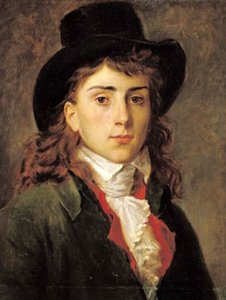
Antoine-Jean Gros (1771–1835): The Romantic Battlefield
Antoine-Jean Gros, later Baron Gros, stands as a singular figure in French art history—a painter who deftly transitioned from the rigid formalism of Neoclassicism to the passionate expressive fervor of Romanticism. Born in Paris in 1771, Gros’s artistic journey began amidst the stylistic debates that characterized the era, yet he ultimately forged his own distinctive path, securing a place among the most influential artists of his time and profoundly impacting subsequent generations of painters like Eugène Delacroix and Théodore Géricault. His early training focused on mastering the techniques of Jacques-Louis David, the dominant voice of Neoclassicism, ensuring a grounding in classical ideals of beauty and proportion. However, Gros quickly recognized the limitations of this style when confronted with the turbulent realities of the French Revolution. Witnessing firsthand the fervor and violence of Parisian upheaval instilled within him a desire to depict emotion and drama—a yearning that would propel him toward Romanticism’s embrace of subjective experience.- Early Life & Training: Gros received his initial artistic education from Jacques-Louis David, absorbing the principles of classical art and mastering meticulous draftsmanship.
- Revolutionary Influence: The French Revolution ignited Gros's imagination, prompting him to abandon Neoclassical conventions in favor of emotionally charged depictions of historical events.
The Napoleonic Canvas: Dramatic Battles & Imperial Glory
Gros’s artistic reputation solidified during Napoleon Bonaparte’s reign, becoming synonymous with the monumental canvases that captured the grandeur and terror of military campaigns. He achieved unparalleled fame for his portrayal of pivotal battles—Arcola (1796), Austerlitz (1805), Borodino (1812)—each infused with a visceral sense of immediacy and psychological depth. Unlike David’s idealized representations, Gros eschewed polished surfaces and meticulous detail, prioritizing emotional impact over technical precision. He employed bold brushstrokes, dramatic lighting, and vibrant color palettes to convey the chaos and heroism of warfare, establishing himself as the foremost exponent of “history painting” during Napoleon's ascendancy.
Notable works include:
- Bonaparte at the Pont d’Arcole (1796): This iconic depiction captures Napoleon’s triumphant arrival at Arcole, embodying the spirit of Napoleonic ambition and military prowess.
- The Battle of Austerlitz (1805): Gros's masterful rendering of the decisive Austrian defeat cemented his reputation as a painter of monumental scale and dramatic intensity.
- The Battle of Borodino (1812): Considered by many to be Gros’s masterpiece, this harrowing portrayal of the Russian siege powerfully conveys the suffering and courage of soldiers amidst the horrors of war.
Beyond Battles: Portraits & Genre Scenes While Gros is primarily celebrated for his battlefield panoramas, he also produced a significant body of portraiture and genre paintings—works that reveal a more nuanced understanding of human psychology and social life. His portraits of Napoleon Bonaparte and Josephine Beauharnais exemplify his ability to capture regal dignity and charisma, demonstrating meticulous attention to detail and psychological insight. Furthermore, Gros’s depictions of everyday scenes—such as “Sappho at Leucate” and “Les Pestiférés de Jaffa”—offer glimpses into the human condition, imbued with compassion and empathy.
Legacy & Influence Antoine-Jean Gros's artistic innovations profoundly impacted subsequent Romantic painters, particularly Eugène Delacroix and Théodore Géricault. He championed a style characterized by emotional intensity, dramatic lighting, and expressive brushwork—elements that would become hallmarks of the Romantic movement. Gros’s unwavering commitment to portraying historical events with visceral realism paved the way for a new aesthetic sensibility, shaping the visual language of 19th-century art and securing his enduring legacy as one of France's most important artistic figures. His influence extended beyond painting, inspiring artists in other mediums—sculpture, theater—demonstrating the breadth of his artistic impact.
baron gros antoine jean
1771 - 1835
基本情報
- Artistic Movement Or Style: Romanticism
- Artists Or Movements Influenced By This Artist:
- Eugène Delacroix
- Romanticism
- Artists Who Influenced This Artist:
- Jacques-Louis David
- Jean Auguste Ingres
- Date Of Birth: 1771
- Date Of Death: 1835
- Full Name: Antoine-Jean Gros, Baron Gros
- Nationality: French
- Notable Artworks:
- The Chief of the Mamelukes on Horseback
- Sappho at Leucate
- Les Pestiférés de Jaffa
- Bonaparte at the Pont d'Arcole
- Place Of Birth: France