

 プレビュー
プレビュー
 シェアする
シェアする シェアする
シェアする
 詳細を見る
詳細を見る

 ダウンロード
 似ている作品
 X線調査
X線調査 スライドショー
 統計情報
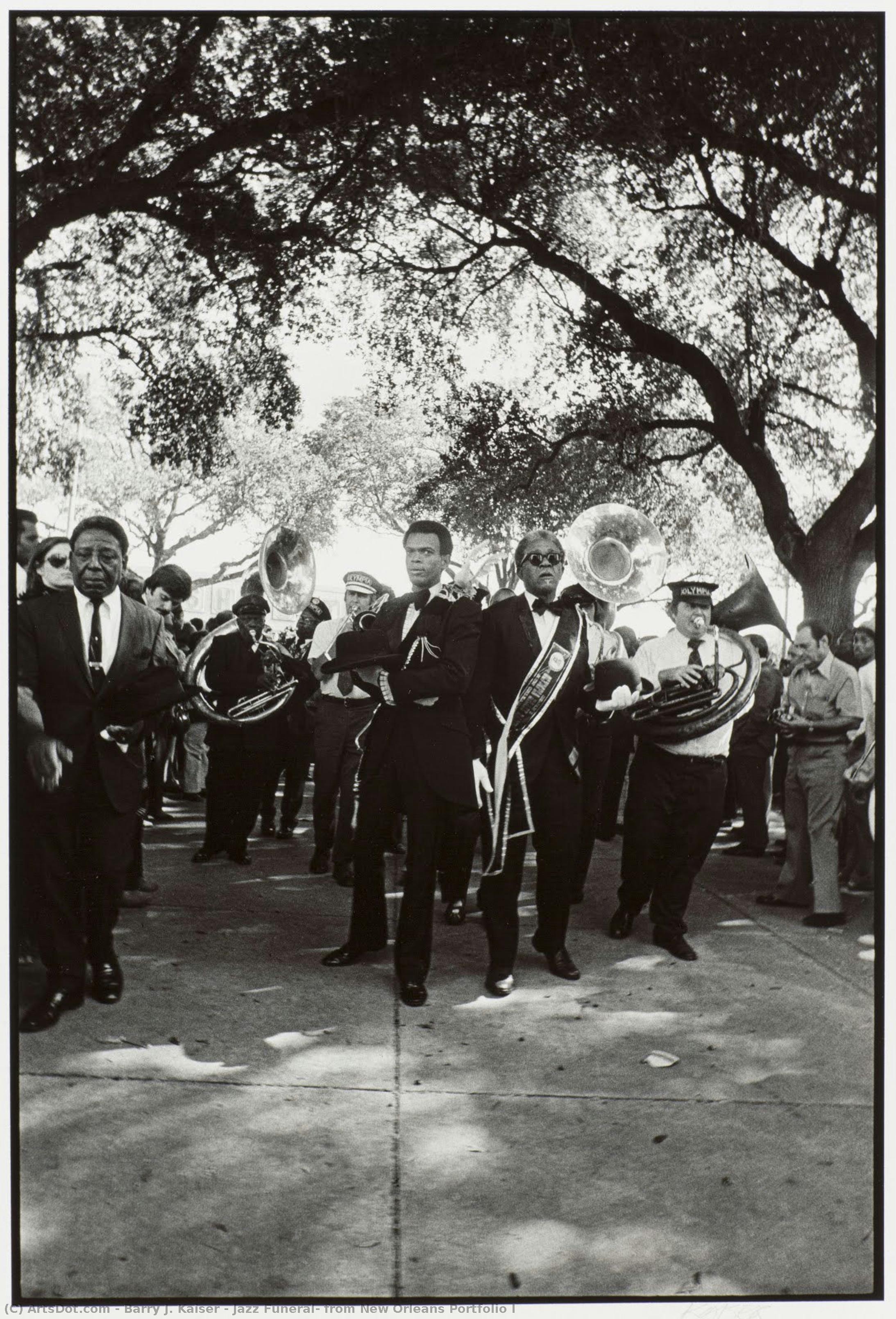
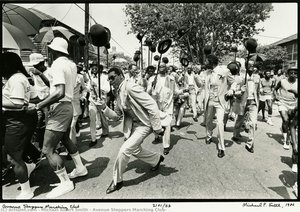
統計情報Jazz Funeral, from New Orleans Portfolio I

 詳細を見る
詳細を見る
手描き油彩複製画
当社のアーティストが、お客様のご希望のサイズと額縁に合わせて、キャンバスに手描きで制作する油彩画です。 ( プリント版に切り替え デジタル画像販売へ切り替え)




































作品のオリジナル比率に合わせた、当店の規定サイズからお選びください。

特定のフレームやスペースに合わせて、ご希望のサイズをご入力いただけます。選択されたサイズが元の画像の比率と異なる場合、アートワークをトリミングするか、手描きで要素を追加して絵画を拡張いたします。デジタルモックアップ を制作し、制作開始前にご確認(承認)をいただきます。
画面上のプレビューは、実際のトリミングや拡張を正確に反映しているものではありません。最終的な構図は、モックアップによってのみ正確にご確認いただけます。
カスタムサイズもご利用いただけますが、元の比率を維持するためには、あらかじめ用意されたリストからサイズを選択することをお勧めいたします。
ご注文後、ArtsDot.com チームより詳細な指示をお送りするとともに、仕上がりイメージ(モックアップ)をご提供いたします。


 ガラスオプションは、110cm未満のサイズでのみご利用いただけます。

Jazz Funeral, from New Orleans Portfolio I
複製技法
複製画のサイズ
-


合計金額
$ 263
関連作品






アーティストの略歴
Barry J. Kaiser: Capturing the Soul of New Orleans
Born in the vibrant heart of New York City in 1958, Barry J. Kaiser’s artistic journey began amidst the energy and diversity of American urban life. However, it was his deep immersion into the unique cultural landscape of New Orleans that truly shaped his distinctive photographic voice. Kaiser isn't simply a documentarian; he’s an observer, a storyteller, meticulously capturing not just images but the very essence of a city steeped in tradition and brimming with raw emotion. His work transcends mere representation, offering viewers a profound connection to the rhythms, rituals, and spirit of New Orleans jazz funerals – events that have become synonymous with his artistic identity.
Early influences on Kaiser’s approach were likely rooted in the documentary traditions of photographers like Robert Capa and Dorothea Lange. Yet, he quickly developed a highly personal style, characterized by an almost painterly quality achieved through careful control of light, composition, and tonal range. His black-and-white images possess a remarkable depth and texture, evoking a sense of timelessness while simultaneously conveying the immediacy of the moments he captures. The stark contrast between light and shadow amplifies the drama inherent in these ceremonies, highlighting the faces of participants – mourners, musicians, and onlookers – each etched with grief, reverence, and a palpable sense of community.
The Jazz Funeral as Subject Matter
Kaiser’s fascination with New Orleans jazz funerals began during his early travels to Louisiana. He was immediately drawn to the elaborate processions, the mournful music, and the deeply ingrained cultural significance of these events. More than just a funeral rite, the jazz funeral is a celebration of life, a vibrant expression of communal grief and remembrance. Kaiser’s photographs don't simply record the event; they attempt to capture its soul—the collective energy, the shared sorrow, and the underlying joy that permeates the scene. He spends considerable time observing and documenting these rituals, patiently waiting for the precise moment when his composition is perfect, capturing the fleeting expressions of those involved.
His approach extends beyond simply photographing the procession itself. Kaiser’s work often focuses on individual portraits – close-ups of faces reflecting a spectrum of emotions: stoicism, sorrow, and even a hint of amusement. These intimate images offer glimpses into the lives of the people participating in the funeral, revealing their connection to tradition and community. The photographer's skill lies not just in technical proficiency but also in his ability to establish rapport with his subjects, earning their trust and allowing him to capture authentic moments of vulnerability and resilience.
Technique and Artistic Style
Kaiser’s photographic style is characterized by a deliberate restraint. He eschews excessive manipulation or digital enhancement, preferring instead to work closely with the inherent qualities of film. His images are often developed in traditional darkrooms, where he meticulously controls contrast, tonality, and grain—elements that contribute significantly to the overall mood and impact of his photographs. The subtle textures and nuances within each image suggest a deep understanding of both the subject matter and the photographic process.
The influence of Pictorialism is evident in Kaiser’s work, particularly in his use of soft focus and carefully constructed compositions. He draws inspiration from early 20th-century photographers who sought to elevate photography to the level of fine art, emphasizing aesthetic qualities over strict realism. This approach allows him to create images that are both visually arresting and emotionally resonant, inviting viewers to contemplate the deeper meaning behind each scene.
Exhibition History and Legacy
Barry J. Kaiser’s photographs have been exhibited extensively throughout the United States, garnering critical acclaim and recognition within the art world. His work has found a home in prestigious galleries and museums, including the Kaiser Wilhelm Museum in Cologne, Germany, and the Bode Museum in Berlin, demonstrating a global appreciation for his unique perspective. These exhibitions provide opportunities for audiences to experience his photographs firsthand, fostering a deeper understanding of New Orleans culture and the profound impact of jazz funerals.
Beyond individual exhibitions, Kaiser’s work has been featured in numerous photography books, solidifying his place as a leading figure in contemporary documentary photography. His images continue to resonate with viewers, offering a poignant reminder of the enduring power of tradition, community, and the human spirit. Barry J. Kaiser's legacy lies not only in his stunning photographs but also in his ability to capture the heart and soul of New Orleans—a city that has always been a source of inspiration for artists seeking to explore the complexities of life and death.

barry j. kaiser
1958 - , United States of America
基本情報
- Artistic Movement Or Style: Black & white photography
- Artists Or Movements Influenced By This Artist: ['Pictorialism']
- Artists Who Influenced This Artist:
- Dorothea Lange
- Robert Capa
- Date Of Birth: 1958
- Full Name: Barry J. Kaiser
- Nationality: American
- Notable Artworks:
- Jazz Funeral (N.O.)
- DeJan’s Olympia Brass Band
- Place Of Birth: New York City, USA