

 プレビュー
プレビュー
 シェアする
シェアする シェアする
シェアする
 詳細を見る
詳細を見る

 ダウンロード
 似ている作品
 X線調査
X線調査 スライドショー
 統計情報
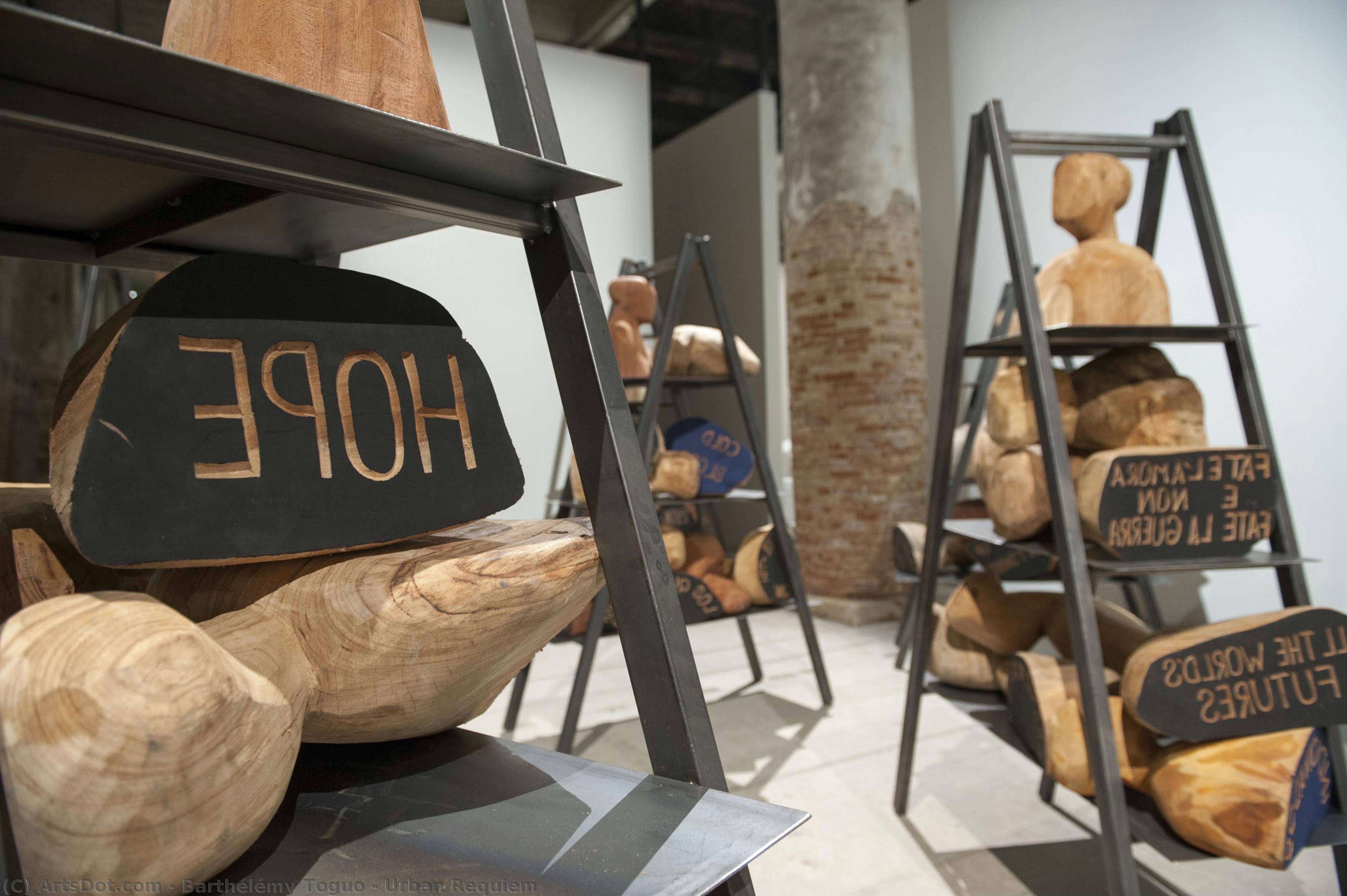
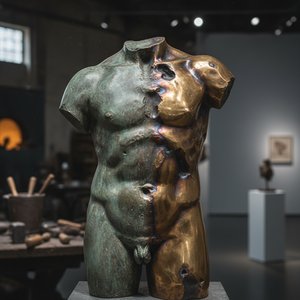
統計情報Urban Requiem


 詳細を見る
詳細を見る
ジークレー/アートプリント
迅速な制作と多彩な仕上げオプションを備えた、ミュージアムクオリティのジークレーまたはキャンバスプリント。 ( 手描きの絵画を購入 デジタル画像販売へ切り替え)




P118B $10

P118H $10

P118W $10

P438Z $10

P508JH $12

P508YH $12

P805H $10

P805Z $10

P919BZ $10

P919G $10

P919XJ $10

P959ZH $10

P968JZ $12

W106C $8

W218G $10

W218JH $8

W218Y $10

W307PJ $10

W316G $10

W316PJ $8

W316Y $10

W398PJ $8

W4111J $10

W500HY $15

W500JH $15

W692G $12

W849H $8

W940BG $15

W953PJ $8




作品のオリジナル比率に合わせた、当店の規定サイズからお選びください。

特定のフレームやスペースに合わせて、ご自身でサイズを指定することも可能です。選択されたサイズが元の画像の比率と一致しない場合、作品をトリミングするか、鏡面反射または単色での塗りつぶしによって画像を拡張いたします。制作を開始する前に、ご確認用のデジタルモックアップをお送りいたします。
画面上のプレビューには、実際のトリミングや拡張は反映されませんのでご注意ください。最終的な構図を正確に確認できるのは、モックアップのみとなります。
カスタムサイズも承っておりますが、元の比率を維持するためには、あらかじめ用意されたリストからサイズを選択することをお勧めいたします。


 ガラスオプションは、110cm未満のサイズでのみご利用いただけます。

Urban Requiem
ジークレー/アートプリント
複製画のサイズ
-


合計金額
$ 62
関連作品
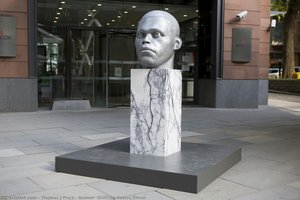
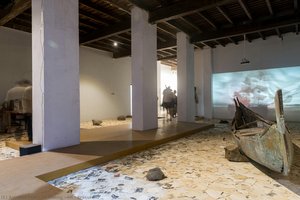
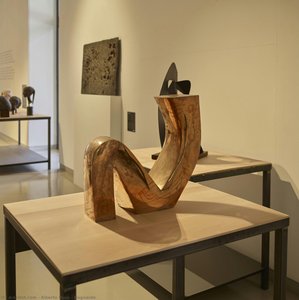
アーティストの略歴
A Life Bridging Worlds: The Art of Barthélémy Toguo
Born in 1967 in M’Balmayo, Cameroon, Barthélémy Toguo embodies a compelling artistic journey—one that transcends geographical boundaries and delves into the complexities of identity, memory, and globalization. His life story is intrinsically woven into his art; a narrative shaped by formal training across three continents – Abidjan, Grenoble, and Düsseldorf – yet deeply rooted in his Cameroonian heritage. This unique positioning allows Toguo to navigate cultural dialogues with profound insight, becoming a vital voice within contemporary African art and beyond. He didn’t simply settle in Europe after his studies; he cultivated a dynamic existence between Paris and Bandjoun, Cameroon, establishing Bandjoun Station as a testament to his commitment to fostering artistic exchange and community engagement. This station isn't merely a studio space but a vibrant crossroads where classical African art meets contemporary global perspectives, deliberately dismantling hierarchical structures and promoting inclusivity.The Evolution of a Multifaceted Practice
Toguo’s artistic practice is remarkably diverse, encompassing painting, sculpture, photography, performance, and installation. He doesn’t confine himself to a single medium; instead, he fluidly moves between them, selecting the most effective form to convey his message. Early recognition came in the late 1990s with invitations to significant events like ‘Migrateurs’ at ARC Paris (curated by Hans Ulrich Obrist) and ‘Partage d'exotismes’ at the Lyon Biennale (Jean-Hubert Martin). These early platforms allowed Toguo to begin exploring themes that would become central to his oeuvre: displacement, cultural hybridity, and the search for belonging. His work isn’t defined by a singular style but rather by a consistent exploration of texture, color, and symbolism. He often employs vibrant hues alongside raw materials, creating a visual tension that reflects the complexities of the world he portrays. The use of wood, particularly in his sculptures, connects him directly to African artistic traditions while simultaneously allowing for innovative contemporary interpretations.Symbolism and Narrative: Unveiling Layers of Meaning
A defining characteristic of Toguo’s work is its rich symbolism. Recurring motifs—shamrocks being a prime example—are not merely decorative elements but carry profound narratives related to injustice, memory, and resilience. The shamrock, often associated with Ireland, takes on new meaning in Toguo's hands, representing the interconnectedness of global struggles and the shared human experience of trauma and hope. His paintings frequently depict figures caught between worlds, their faces etched with a mixture of vulnerability and determination. These aren’t portraits in the traditional sense but rather archetypes embodying universal emotions and experiences. He often incorporates text into his work, further layering meaning and inviting viewers to engage in critical dialogue. Toguo's installations are particularly powerful, creating immersive environments that challenge perceptions and provoke introspection.Major Achievements and International Recognition
Toguo’s career has been marked by significant achievements and growing international recognition. His nomination for the Marcel Duchamp Prize in 2016, with his installation *Vaincre le virus!* at the Centre Pompidou, brought him widespread acclaim. This work, created before the COVID-19 pandemic, demonstrated a prescient understanding of global health crises and the interconnectedness of humanity. He is one of only a select few living artists to have exhibited under the Louvre pyramid in Paris with *Le Pilier des migrants disparus*, a poignant tribute to those lost at sea. His work is held in prestigious collections worldwide, including the Musée National d'Art Moderne (Paris), the Tate Modern (London), and the Museum of Contemporary Art (Miami). The commission for four overdoors at the Rodin Museum further solidifies his position as a leading contemporary artist.Historical Significance: A Voice for Our Time
Barthélémy Toguo’s historical significance lies in his ability to bridge cultural divides, challenge conventional narratives, and provoke meaningful dialogue about pressing global issues. He is not simply an African artist representing Africa; he is a global citizen using art as a tool for social commentary and change. His founding of Bandjoun Station demonstrates a commitment to empowering local communities and fostering artistic exchange. Toguo’s work resonates deeply in a world grappling with migration, identity politics, and the legacy of colonialism. He offers a nuanced perspective that acknowledges both the beauty and the brutality of human experience, reminding us of our shared responsibility to create a more just and equitable future. His art is not merely aesthetically pleasing; it is a call to action—a powerful testament to the enduring power of creativity in the face of adversity.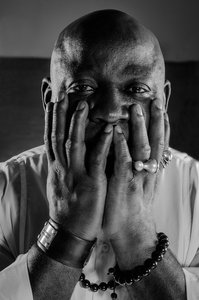
barthélémy toguo
1967 - , Cameroon
基本情報
- Artistic Movement Or Style: Contemporary African Art
- Date Of Birth: 1967
- Full Name: Barthélémy Toguo
- Nationality: Cameroonian
- Notable Artworks: ['Urban Requiem']
- Place Of Birth: M'balmayo, Cameroon
関連記事
青銅彫刻の永続的遺産:歴史、技法、そして現代における解釈
青銅彫刻の歴史、技法、現代における解釈を専門家が解説。古代から現代までの貴重な作品群を深く理解し、コレクションや投資に役立つ情報を提供します。美術品鑑定、修復についてもご紹介。

Bronze Sculptures That Defined Art History | ArtsDot
Journey through art history with our Top 10 bronze sculptures! Explore masterpieces by Rodin, Michelangelo & more. Discover stories behind iconic statues and find museum-quality reproductions for your home decor at ArtsDot.com.

The Enduring Form: Sculpture Across History, Technique & Emotional Resonance
Explore the rich history of sculpture with ArtsDot. Discover key techniques, influential artists & investment potential for discerning collectors. Expert insights into valuing and collecting timeless masterpieces.

Bronze Age to Modern Masters: 10 Sculptures That Redefined Art | ArtsDot
Journey through art history with 10 legendary bronze sculptures – from Michelangelo's David to Rodin’s Thinker. Explore the stories, techniques & timeless beauty of these masterpieces. Find museum-quality reproductions & elevate your home decor on ArtsDot.com.

The Enduring Form: Exploring Themes & Techniques in Sculpture Across Historical Periods
Explore the rich history of sculpture from ancient masterpieces to contemporary innovations. Discover key techniques, influential artists & investment potential for discerning art collectors.