

 プレビュー
プレビュー
 シェアする
シェアする シェアする
シェアする
 詳細を見る
詳細を見る

 ダウンロード
 似ている作品
 X線調査
X線調査 スライドショー
 統計情報
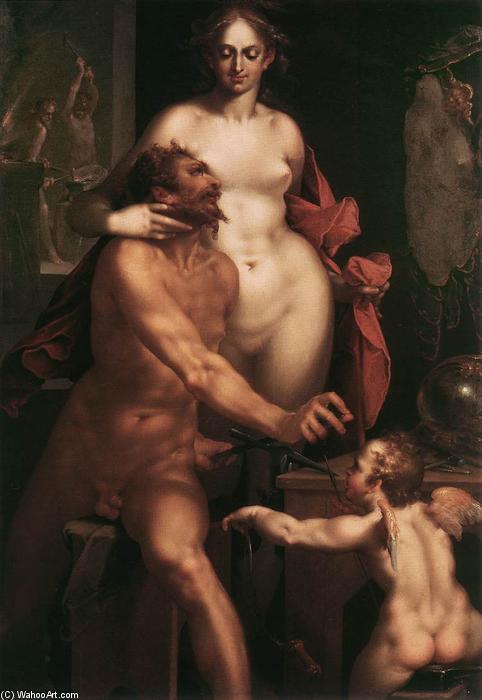
統計情報Venus and Vulcan
 1610
1610 140.0 x 95.0 cm
 Kunsthistorisches Museum
 詳細を見る
詳細を見る
ジークレー/アートプリント
迅速な制作と多彩な仕上げオプションを備えた、ミュージアムクオリティのジークレーまたはキャンバスプリント。 ( 手描きの絵画を購入 デジタル画像販売へ切り替え)




































作品のオリジナル比率に合わせた、当店の規定サイズからお選びください。

特定のフレームやスペースに合わせて、ご自身でサイズを指定することも可能です。選択されたサイズが元の画像の比率と一致しない場合、作品をトリミングするか、鏡面反射または単色での塗りつぶしによって画像を拡張いたします。制作を開始する前に、ご確認用のデジタルモックアップをお送りいたします。
画面上のプレビューには、実際のトリミングや拡張は反映されませんのでご注意ください。最終的な構図を正確に確認できるのは、モックアップのみとなります。
カスタムサイズも承っておりますが、元の比率を維持するためには、あらかじめ用意されたリストからサイズを選択することをお勧めいたします。


 ガラスオプションは、110cm未満のサイズでのみご利用いただけます。

Venus and Vulcan
ジークレー/アートプリント
複製画のサイズ
-


合計金額
$ 62
The Painting's Composition
The painting depicts a scene with three figures: Venus, Vulcan, and Cupid. Venus, the central figure, is standing and appears to be looking down at her son, Cupid. She is adorned with a red garment draped over one shoulder, which contrasts with her pale skin. To her right stands Vulcan, the god of fire and metalworking, holding a hammer, symbolizing his role as a blacksmith.Artistic Style and Influences
The painting is a vivid representation of a mythological narrative, capturing the essence of the gods and goddesses through their attire, poses, and interactions with each other. The use of light and shadow adds depth to the scene, highlighting the subjects against the darker background. Mannerist art is characterized by its use of intense emotions, unusual perspectives, and distorted proportions, all of which are evident in this painting.- The painting's composition and style are reminiscent of other works by Bartholomaeus Spranger, such as Venus and Adonis, also housed in the Kunsthistorisches Museum.
- For more information on Bartholomaeus Spranger and his works, visit ArtsDot.com.
- To learn more about the Kunsthistorisches Museum and its collection, visit Wikipedia.
The Venus and Vulcan painting is a testament to the artistic skill and creativity of Bartholomaeus Spranger, and its enduring popularity is a reflection of its timeless beauty and emotional intensity.
関連作品




アーティストの略歴
Bartholomaeus Spranger: A Master of Sensuality and Northern Mannerism
Bartholomäus Spranger (1546-1611), a name often whispered in the halls of art history, remains a figure of captivating complexity. Born into a trading family in Antwerp, he wasn’t destined for a life of artistic renown initially, yet his innate talent and relentless pursuit of aesthetic excellence propelled him to become one of the most influential artists of the late 16th and early 17th centuries – a master of Northern Mannerism, renowned particularly for his exquisitely rendered nudes and allegorical scenes. Spranger’s legacy isn't simply that of a painter; he was a sculptor, designer, and printmaker, leaving an indelible mark on the artistic landscape of Europe, primarily through the dissemination of his work via meticulously crafted engravings.
His early life offered little indication of the artistic path he would ultimately forge. Initially apprenticed to Jan Mandijn, followed by brief studies with Frans Mostaert and Cornelis van Dalem – masters largely focused on landscape painting – Spranger’s trajectory shifted dramatically when he traveled to Paris in 1565. This period exposed him to the burgeoning influence of Italian Mannerism, particularly the work of Francesco Primaticcio and Niccolò dell'Abate, shaping his understanding of composition, dynamism, and the expressive potential of line. Crucially, it was during this time that he began to develop a distinctive style – one characterized by elongated figures, subtly unsettling smiles, and a remarkable attention to texture and surface detail.
The Imperial Court of Rudolf II
Spranger’s artistic fortunes dramatically altered when he arrived in Prague in 1581, summoned by the Holy Roman Emperor Rudolf II. This appointment proved to be transformative, establishing Spranger as the court painter and a close confidante of the eccentric and intensely discerning ruler. Rudolf II, a passionate collector of art, science, and esoteric knowledge, fostered an environment where artistic experimentation flourished – and where Spranger’s unique brand of Mannerism found its most receptive audience. The emperor's patronage wasn’t merely financial; it was deeply personal, with the two men engaging in lengthy conversations about philosophy, alchemy, and the nature of beauty.
Spranger responded to Rudolf II’s aesthetic preferences by creating a vast body of work that reflected both the emperor’s interests and his own artistic vision. These paintings predominantly featured mythological nudes – often depicted from behind, lending them an air of enigmatic allure – arranged in complex, elegant poses. Alongside these sensual depictions were allegorical scenes, frequently incorporating elements of propaganda designed to glorify Rudolf II's reign. A prime example is *Allegory of the Virtues of Rudolf II*, a monumental work that seamlessly blends eroticism with political messaging, showcasing Bellona (the Roman goddess of war) surrounded by Venus, Amor, Athene and Baccus – emblems representing Hungary and the Croatian river Sava – all reinforcing the message of Rudolf’s secure rule. The emperor's influence extended beyond mere subject matter; he bestowed upon Spranger titles and privileges, solidifying his position as a leading artist in Europe.
A Synthesis of Styles
Spranger’s artistic style was remarkably complex, representing a synthesis of influences from the Netherlands, Italy, and France. He drew heavily on the Roman Mannerists – particularly Parmigianino – adopting their elongated figures, subtle distortions, and emphasis on elegant poses. However, he tempered this Italian influence with the dynamism and expressive quality characteristic of Netherlandish painting. His use of color was often restrained, favoring muted tones and a shimmering, brittle texture that contributed to the otherworldly atmosphere of his works. Furthermore, Spranger’s meticulous attention to detail – particularly in rendering fabrics and skin – set him apart from many of his contemporaries.
His work wasn't confined solely to large-scale paintings; he was also a prolific printmaker, producing hundreds of engravings that disseminated his images throughout Europe. Hendrik Goltzius, one of the most prominent engravers of the era, played a crucial role in popularizing Spranger’s style through his faithful reproductions. This ensured that his art reached a wider audience than would have been possible through direct commissions alone.
Legacy and Influence
Despite his considerable success during his lifetime, Bartholomaeus Spranger's artistic legacy remained somewhat obscured for centuries. However, in recent decades, scholars have increasingly recognized the significance of his work, acknowledging its innovative approach to depicting the human form and its profound influence on subsequent generations of artists. His emphasis on sensuality, combined with a masterful command of technique and composition, continues to resonate today. Spranger’s impact can be seen in the works of Dutch masters such as Rembrandt and Frans Hals, who were undoubtedly influenced by his elegant figures and dramatic lighting. He remains a testament to the power of patronage, artistic experimentation, and the enduring allure of beauty – a true master of Northern Mannerism whose legacy continues to captivate and inspire.
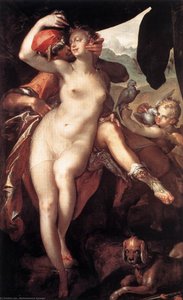
bartholomaeus spranger
1546 - 1611 , Belgium
基本情報
- Artistic Movement Or Style: Northern Mannerism
- Artists Or Movements Influenced By This Artist: ['Dutch Republic']
- Artists Who Influenced This Artist:
- Parmigianino
- Correggio
- Date Of Birth: March 21, 1546
- Date Of Death: June 27, 1611
- Full Name: Bartholomeus Spranger
- Nationality: Flemish
- Notable Artworks:
- Hermes and Athena
- Allegorie de la Justice
- Place Of Birth: Antwerp, Belgium