

 プレビュー
プレビュー
 プリントを購入
 シェアする
シェアする シェアする
シェアする
 詳細を見る
詳細を見る

 ダウンロード
 似ている作品
 X線調査
X線調査 スライドショー
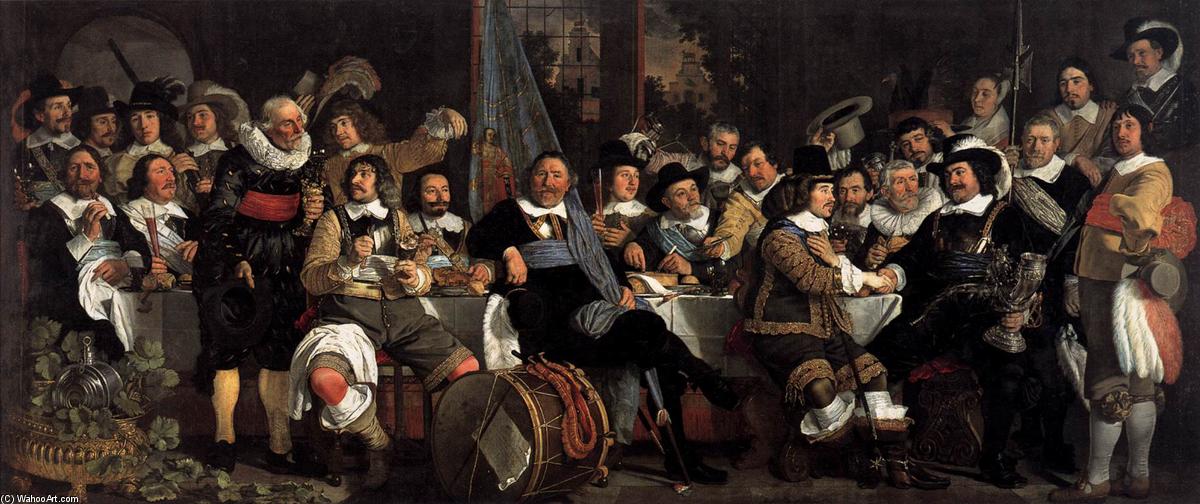
Celebration of the Peace of Münster, 1648, at the Crossbowmen's Headquarters
 Oil On Canvas
- WallArt
- Baroque
 1648
1648 232.0 x 547.0 cm
 国立美術館 (Rijksmuseum)
 詳細を見る
詳細を見る




P118B $10

P118H $10

P118W $10

P438Z $10

P508JH $12

P508YH $12

P805H $10

P805Z $10

P919BZ $10

P919G $10

P919XJ $10

P959ZH $10

P968JZ $12

W106C $8

W218G $10

W218JH $8

W218Y $10

W307PJ $10

W316G $10

W316PJ $8

W316Y $10

W398PJ $8

W4111J $10

W500HY $15

W500JH $15

W692G $12

W849H $8

W940BG $15

W953PJ $8




作品のオリジナル比率に合わせた、当店の規定サイズからお選びください。

特定のフレームやスペースに合わせて、ご希望のサイズをご入力いただけます。選択されたサイズが元の画像の比率と異なる場合、アートワークをトリミングするか、手描きで要素を追加して絵画を拡張いたします。デジタルモックアップ を制作し、制作開始前にご確認(承認)をいただきます。
画面上のプレビューは、実際のトリミングや拡張を正確に反映しているものではありません。最終的な構図は、モックアップによってのみ正確にご確認いただけます。
カスタムサイズもご利用いただけますが、元の比率を維持するためには、あらかじめ用意されたリストからサイズを選択することをお勧めいたします。
ご注文後、ArtsDot.com チームより詳細な指示をお送りするとともに、仕上がりイメージ(モックアップ)をご提供いたします。


 ガラスオプションは、110cm未満のサイズでのみご利用いただけます。

Celebration of the Peace of Münster, 1648, at the Crossbowmen's Headquarters
複製技法
複製画のサイズ
-


合計金額
$ 263
A Celebration of Peace: Bartholomeus van der Helst’s Grand Tableau
Bartholomeus van der Helst's "Celebration of the Peace of Münster, 1648, at the Crossbowmen's Headquarters" is more than just a group portrait; it’s a vibrant snapshot of a pivotal moment in European history – the formal end of decades of devastating war and the dawn of a new era for the Dutch Republic. Painted in 1648, mere months after the Treaty of Münster was signed, this monumental canvas captures the palpable joy and relief felt throughout Amsterdam as the city’s civic guard, the St. George's Guard, celebrated their hard-won victory. Van der Helst, a master of the Dutch Golden Age, expertly orchestrates a complex scene teeming with figures, each rendered with meticulous detail and imbued with individual character, all within a richly textured and dramatically lit interior. The painting isn’t merely documenting an event; it's actively participating in its commemoration, radiating an atmosphere of triumphant celebration.A Window into 17th-Century Amsterdam
To truly appreciate “Celebration of the Peace,” one must understand the context of 17th-century Amsterdam – a burgeoning center of commerce, art, and political power. The Dutch Republic, having successfully defied Spain’s imperial ambitions, was experiencing an unprecedented period of prosperity and self-governance. This newfound stability fueled artistic innovation, as evidenced by the flourishing of genres like group portraiture, which served not only to commemorate important figures but also to project an image of civic pride and collective strength. Van der Helst's work exemplifies this trend, meticulously portraying a cross-section of Amsterdam society – merchants, officials, soldiers, and citizens – united in their shared victory. The clothing styles, the architecture of the crossbowmen’s headquarters (a grand hall with a long table), and even the details of the weaponry all provide invaluable insights into the daily life and cultural values of the time.The Art of the Group Portrait
Van der Helst was renowned for his dynamic group portraits, distinguished by their dramatic lighting, carefully arranged compositions, and individualized characterization of each subject. He employed a technique known as *clair-obscur*, utilizing strong contrasts between light and shadow to sculpt forms and draw attention to key figures. Notice how the central figures – the captain and lieutenant shaking hands – are bathed in brilliant light, while others recede into the shadows, creating a sense of depth and movement within the crowded scene. Each individual is rendered with remarkable precision, capturing not only their physical appearance but also their personality and status. The inclusion of details like the bowl on the table, the cup held by one figure, and the poem displayed on the drum all contribute to the painting’s narrative richness.Symbolism and Emotional Resonance
Beyond its historical significance, “Celebration of the Peace” is rich in symbolism. The treaty itself – the very reason for the celebration – represents a fundamental shift from conflict to cooperation. The handshake between the captain and lieutenant symbolizes the formal end of hostilities and the establishment of a new era of peace. The presence of weaponry – swords, daggers, and muskets – serves as a reminder of the recent struggles endured, while the celebratory atmosphere suggests a collective release of tension and anxiety. The painting’s overall mood is one of exuberant joy, tempered by a sense of cautious optimism. It's not simply a depiction of a political event; it’s an emotional portrait of a nation embracing its newfound freedom. The figures are engaged in lively conversation, laughter, and toasts – conveying the profound relief and gratitude felt throughout Amsterdam after decades of war.A Timeless Masterpiece
“Celebration of the Peace of Münster, 1648, at the Crossbowmen’s Headquarters” remains a powerful testament to the artistry and historical significance of Bartholomeus van der Helst. Its meticulous detail, dramatic composition, and evocative symbolism continue to captivate viewers centuries later. Reproductions of this iconic painting offer a remarkable opportunity to bring this pivotal moment in Dutch history into any space, serving as both a beautiful work of art and a poignant reminder of the enduring value of peace.関連作品
アーティストの略歴
黄金時代のアムステルダムを彩った肖像画家、バルトロメウス・ファン・デル・ヘスト
1613年にハーレムで生まれたバルトロメウス・ファン・デル・ヘストは、オランダ黄金時代の肖像画壇において傑出した才能を発揮した画家です。彼の幼少期については不明な点が多く、ハーレムの出生記録が失われているため詳細を知ることはできません。しかし、1636年までに商業と芸術革新の中心地であったアムステルダムに移り住み、そこで頭角を現しました。裕福な南ネーデルラント出身の孤児アンナ・デュ・ピレとの結婚は、彼が隆盛を極めるキャリアにおいて重要な役割を果たした繁栄する商人階級との繋がりを示唆しています。初期の教育については議論がありますが、尊敬されていたアムステルダムの肖像画家ニコラース・エリアスゾーン・ピッケノイが師であった可能性が高いと考えられています。彼の初期作品に見られる細部へのこだわりと洗練された技法は、この影響を強く示しており、特に1637年の『ワローン孤児院の評議員たち』は、彼の似顔絵と性格の両方を捉える才能を鮮やかに示しました。時代を写し出す:肖像画と様式
ファン・デル・ヘストの芸術的特徴は、アムステルダムのエリート層の優雅さと富を描き出す能力にあります。彼の肖像画は単なる表現ではなく、社会における地位を示すステータスシンボルであり、被写体の立場を反映した慎重に構成された物語でした。彼は豪華な生地、輝く宝石、精巧な背景を息を呑むほどリアルに描写する卓越した技術を持っていました。しかし、技術的な熟練度を超えて、ファン・デル・ヘストは被写体の本質—彼らの個性、野心、そして世界における位置—を理解していました。これは特に彼のグループ肖像画において顕著です。同時代の画家が動きに満ちたダイナミックな構成を好むのに対し、ファン・デル・ヘストはよりフォーマルな配置を選択し、集団の中で明確さと個々の区別を強調しました。彼の最も有名な業績はこの傾向を示しており、1648年の『ミュンスター条約祝賀のためのクロスボウギルドの晩餐』は、八十年戦争終結後の市民の誇りと祝賀の精神を表現した壮大な作品です。一時代の輝き:功績と影響
1640年代半ばまでに、ファン・デル・ヘストはレンブラントでさえも凌駕し、アムステルダムの富裕なパトロンの間で最も人気のある画家となりました—これは彼の作品が彼らの好みや願望に合致したことの証です。彼は都市を代表する商人、役人、有力ギルドのメンバーを描くアーティストとして定着しました。彼の成功は肖像画にとどまらず、風俗画や聖書題材にも挑戦しましたが、これらの作品は有名な似顔絵ほど多くはありませんでした。ファン・デル・ヘストの影響は彼の死後も続きました。海洋画家で知られるルドルフ・バクハイゼンは、彼を手伝い、構成と技術に関する貴重な教訓を学びました。彼の遺産は、彼の洗練された様式と光と影の巧みな扱い方に惹かれた他のオランダ人アーティストの作品に見られます。今日、彼の絵画はアムステルダム国立美術館などの博物館で大切に保管されており、ArtsDot.comやArtsDot.comのようなプラットフォームを通じて世界中のコレクションで見ることができます。家族、遺産、そして晩年
ファン・デル・ヘストの私生活は喜びと悲しみが入り混じっていました。アンナ・デュ・ピレとの間に6人の子供が生まれましたが、成人したのはわずか2人でした。1647年、彼の家族が増え、工房が拡大したため、アムステルダムのヴァレンプレイントゥに大きな家に引っ越しました。息子のロデウィクは父親の後を継ぎ画家になりました—しかし、同じレベルの名声を得ることはできませんでした。バルトロメウス・ファン・デル・ヘストは1670年12月16日にアムステルダムで亡くなり、オランダ黄金時代における肖像画の発展に大きく貢献し、優雅さ、細部へのこだわり、そして単独のポートレートと複雑なグループ構成の両方において個々の性格に対する鋭い感受性を特徴とする豊かな芸術的遺産を残しました。彼の作品は、活気に満ちた時代と熟練した職人の永続的な才能を証明する強力な証拠であり続けています。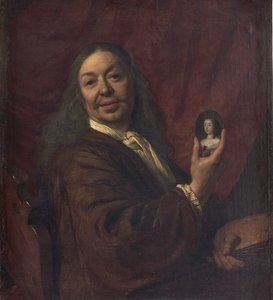
バルトロメウス・ファン・デル・ヘースト
1613 - 1670 , オランダ
基本情報
- Artistic Movement Or Style: オランダ黄金時代、バロック
- Artists Or Movements Influenced By This Artist: ['ルドルフ・バクハイゼン']
- Artists Who Influenced This Artist: ['フェルディナント・ボル']
- Date Of Birth: 1613年
- Date Of Death: 1670年
- Full Name: バルトロメウス・ファン・デル・ヘスト
- Nationality: オランダ人
- Notable Artworks (List Of Titles):
- 宴会
- ウォロン孤児院の理事たち
- Place Of Birth (City And Country): ハーレム、オランダ
関連記事

Golden Age Reflections: Dutch Baroque Painting & Cultural Innovation
Explore the Dutch Golden Age of painting! Discover key artists like Vermeer & ter Borch, their innovative techniques, and the rich cultural context behind these Baroque masterpieces. Learn about collecting & appreciating this iconic art period.

黄金世紀の巨匠たち:バロック絵画が彩る10選|ArtsDot
オランダ黄金時代の10大傑作を紐解く!レンブラント、フェルメール…バロック絵画の魅力と時代背景を深く探求。ArtsDotで、至高のアートコレクションと空間演出のヒントを見つけよう。高品質なアートプリントで、お部屋を華やかに。

Dutch Baroque Masters: 10 Paintings That Shaped an Era | ArtsDot
Journey through the Golden Age with our guide to the Top 10 Dutch Baroque masterpieces! Explore iconic paintings by Rembrandt, Vermeer & Frans Hals. Find museum-quality art reproductions and elevate your home decor at ArtsDot.com.

レンブラント傑作25選:光と影の巨匠、魂を揺さぶる名画の世界 | ArtsDot
レンブラントの傑作25選。光と影の魔術師が描いた魂を揺さぶる名画の世界へ。美術史に残る自画像、夜警、宗教画…ArtsDotで高品質なアートプリントやインテリアアートをお楽しみください。コレクションはこちら→

Illuminating Innovation: Exploring the Dutch Golden Age of Painting
Explore the Dutch Golden Age of painting with ArtsDot. Discover Rembrandt, Vermeer & other Masters. Learn about key characteristics, iconic artworks, and lasting influence. Expert insights for collectors & enthusiasts.

