

 プレビュー
プレビュー
 シェアする
シェアする シェアする
シェアする
 詳細を見る
詳細を見る

 ダウンロード
 似ている作品
 X線調査
X線調査 スライドショー
 Stats
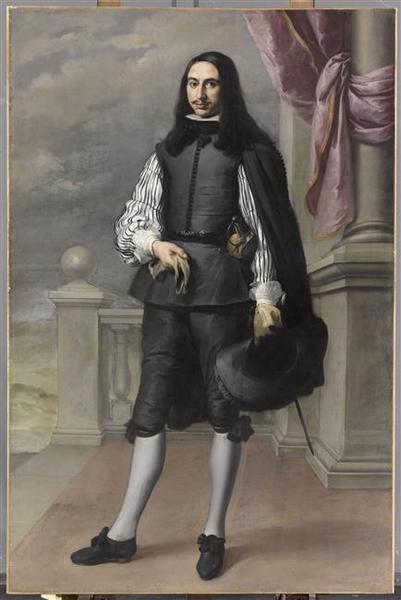
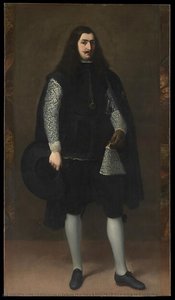
StatsPortrait de Inigo Melchor Fernandez de Velasco


 詳細を見る
詳細を見る
手描き油彩複製画
当社のアーティストが、お客様のご希望のサイズと額縁に合わせて、キャンバスに手描きで制作する油彩画です。 ( Switch to Print Switch to Digital Image)




P118B $10

P118H $10

P118W $10

P438Z $10

P508JH $12

P508YH $12

P805H $10

P805Z $10

P919BZ $10

P919G $10

P919XJ $10

P959ZH $10

P968JZ $12

W106C $8

W218G $10

W218JH $8

W218Y $10

W307PJ $10

W316G $10

W316PJ $8

W316Y $10

W398PJ $8

W4111J $10

W500HY $15

W500JH $15

W692G $12

W849H $8

W940BG $15

W953PJ $8




作品のオリジナル比率に合わせた、当店の規定サイズからお選びください。

特定のフレームやスペースに合わせて、ご希望のサイズをご入力いただけます。選択されたサイズが元の画像の比率と異なる場合、アートワークをトリミングするか、手描きで要素を追加して絵画を拡張いたします。デジタルモックアップ を制作し、制作開始前にご確認(承認)をいただきます。
画面上のプレビューは、実際のトリミングや拡張を正確に反映しているものではありません。最終的な構図は、モックアップによってのみ正確にご確認いただけます。
カスタムサイズもご利用いただけますが、元の比率を維持するためには、あらかじめ用意されたリストからサイズを選択することをお勧めいたします。
ご注文後、ArtsDot.com チームより詳細な指示をお送りするとともに、仕上がりイメージ(モックアップ)をご提供いたします。


 ガラスオプションは、110cm未満のサイズでのみご利用いただけます。

Portrait de Inigo Melchor Fernandez de Velasco
複製技法
複製画のサイズ
-


合計金額
$ 263
A Portrait of Dignified Melancholy: Bartolomé Murillo’s Inigo Melchor Fernandez de Velasco
Bartolomé Esteban Murillo's "Portrait de Inigo Melchor Fernandez de Velasco" offers a profound glimpse into the sensibilities of 17th-century Spain, a nation grappling with religious upheaval and social transformation. Executed in the style characteristic of the Spanish Baroque – a movement defined by its dramatic use of light, rich textures, and deeply emotive narratives – this portrait transcends a simple likeness; it’s an embodiment of status, dignity, and perhaps, a subtle undercurrent of melancholy. The painting, dominated by dark tones of black, gray, and brown, immediately establishes a somber atmosphere, punctuated by the softer hues of the shirt sleeves and the muted landscape beyond. This deliberate choice in color palette speaks to the era’s preoccupation with mortality and the transient nature of earthly glory – themes frequently explored within religious art.
Technical Mastery: Oil on Canvas and the Baroque Approach
- Oil Painting Technique: Murillo's masterful application of oil paint on canvas is immediately apparent. The visible brushstrokes, meticulously blended to create a sense of depth and volume, demonstrate a sophisticated understanding of the medium’s capabilities. The layering of pigments – likely incorporating linseed oil or another binding agent – allows for nuanced gradations in tone, contributing significantly to the painting's rich texture and realistic depiction of fabric folds and skin.
- Linear Precision: A key element of Murillo’s style is his emphasis on linear detail. The crisp lines defining the subject’s garments, facial features, and architectural elements – particularly the meticulously rendered folds of the cape and breeches – convey a sense of formality and aristocratic bearing. This precision reflects the Baroque fascination with order and control, mirroring the societal values of the time.
- Perspective and Composition: The use of linear perspective creates a convincing illusion of depth, drawing the viewer’s eye into the receding architectural backdrop. The slightly blurred landscape in the distance further emphasizes the subject's prominence, reinforcing the portrait’s function as a statement of status and authority.
Symbolism and Social Context: A Nobleman’s Portrait
The subject himself, Inigo Melchor Fernandez de Velasco, is presented with an air of quiet confidence – a posture that speaks volumes about his social standing. The attire he wears—rich fabrics and elaborate details—are potent symbols of wealth and nobility within the Spanish court. Beyond the purely visual elements, the portrait reflects the broader societal context of the time. Murillo’s work aligns with the prevailing artistic trends of the Baroque period, which often served to legitimize power structures through idealized representations of individuals associated with authority.
Emotional Resonance: Dignity and a Hint of Melancholy
"Portrait de Inigo Melchor Fernandez de Velasco" is not merely a depiction of a man; it’s an evocation of mood. The soft, diffused lighting eliminates harsh shadows, contributing to the painting's gentle and refined aesthetic. Combined with the subject’s serious expression, this creates a sense of formality, dignity, and perhaps even a touch of melancholy – a common theme in Baroque art reflecting on human mortality and the fleeting nature of earthly achievements. Murillo’s ability to imbue his subjects with such emotional depth is a testament to his artistic skill and understanding of the psychological impact of portraiture.
関連作品

アーティストの略歴
アンダルシアの光に包まれた生涯
バルトロメ・エステバン・ムリーリョ。その名は、スペイン・バロック絵画の黄金時代を象徴する存在として知られています。1618年、活気あふれるセビリアの街で生まれたムリーリョは、波乱に満ちた人生を送る傍ら、宗教的な熱狂、社会の変化、そして新たな芸術的革新が芽生える時代精神を捉えた画家として花開きました。ガスパール・エステバンとマリア・ペレス・ムリーリョの間に生まれたムリーリョは、14人の兄弟姉妹がいる大家族の中で育ちました。幼少期に両親を相次いで亡くし、苦難の時代を経験しますが、その後の人生において、彼の芸術的才能を導く重要な人物となる姉の夫、フアン・アグスティン・ラガレスの庇護のもとで成長していきます。ムリーリョの初期の修行は、母親方の親戚にあたる地元の画家、フアン・デル・カスティージョのもとで始まりました。この時期に培われた基礎は、彼独自のスタイルを確立するための土台となります。セビリアで流行していた写実主義の伝統を受け継ぎながらも、スールバラン、リベラ、カーノといった巨匠たちの影響を受け、鮮烈な写実性と劇的な表現力を吸収していきます。しかし、ムリーリョの真価は、単なる模倣に留まらず、その基礎をより繊細で光輝きに満ちた、そして何よりも人間味あふれるものへと昇華させた点にあります。リアリズムから輝かしい優雅さへ
ムリーリョの芸術的旅路は、一躍して名声を得るものではなく、むしろ明確な段階を経て進化を遂げたものでした。初期の作品は、同時代の画家たちの厳格な写実主義の影響を強く受けており、細部への徹底的なこだわりと陰鬱な色彩が特徴です。1640年から50年頃に制作された「夏の擬人化(果物籠を持つ青年)」は、この時期の代表作であり、日常生活の描写が驚くほど正確に行われています。しかし、これらの初期作品の中にも、彼の成熟したスタイルを予感させる優しさや感情的な深さが垣間見えます。「若い乞食」、1645年頃に描かれたこの作品は、人間の苦しみに対する繊細な感受性を示しており、ベラスケスによる日常の人々の描写の影響を感じさせます。ムリーリョが成熟するにつれて、彼のスタイルは劇的な変貌を遂げました。同時代の画家たちの写実主義から脱却し、セビリアの裕福なブルジョワジーや貴族階級の嗜好に合致した、より洗練された美学を受け入れます。この変化は、特に宗教画において顕著であり、伝統的な図像に比類のない温かさ、優雅さ、そして感情的な親しみやすさを吹き込みました。1650年から52年の間に描かれた「聖ヒエロニモ」は、この成熟したスタイルの証であり、穏やかで光輝きに満ちた描写が静謐さと献身を湛えています。宗教的感情とジャンル画の巨匠
ムリーリョの芸術的アウトプットは非常に多様であり、宗教画、ジャンル画、肖像画、神話的な主題など、幅広い分野に及びました。しかし、彼が最も高く評価されているのは、生涯を通して彼を魅了し、数多くのバリエーションを生み出した無原罪の御宿りの描写です。繊細な筆致、鮮やかな色彩、そして優雅な構図によって特徴づけられるこれらの作品は、スペインにおける宗教画の第一人者としての彼の地位を確立しました。聖なる主題に加えて、ムリーリョは日常の人々の生活を描写することにも長けていました。花売り娘、ストリートの子供たち、そして乞食などを描いた彼のジャンル画は、17世紀のセビリアの社会現実を垣間見せてくれます。これらの絵画は単なる観察的な研究ではなく、深い共感と慈悲の念が込められており、謙虚な主題を尊厳と優雅さへと高めています。彼は幼少期の無邪気さを捉えることに並外れた才能を発揮し、子供たちを驚くほど写実的かつ愛情深く描き出しました。遺産と永続的な影響
バルトロメ・エステバン・ムリーリョがスペイン芸術、そしてヨーロッパ絵画の歴史に与えた影響は否定できません。彼は宗教的な献身と人間主義的な感情を融合させた独自のスタイルを確立し、社会階層を超えて人々の心に響く作品を生み出しました。彼の影響力はスペイン国内にとどまらず、ヨーロッパ全土の世代の芸術家たちにインスピレーションを与えました。ゲーンズボローやグレーズらは、ムリーリョの光輝きに満ちたスタイルと繊細な人間感情の描写に敬意を表しています。彼はセビリアにある自身の工房で多くの弟子を育成し、彼の芸術的遺産が後世へと受け継がれることを確実なものとしました。彼の絵画は、マドリードのプラド美術館、サンクトペテルブルクのエルミタージュ美術館、ロンドンのウォレス・コレクション、そしてサンディエゴのティムケン美術館など、世界中の著名な美術館に所蔵されており、彼の永続的な魅力と歴史的意義を物語っています。ムリーリョの芸術は、その美しさ、優雅さ、そして深い人間性によって今もなお人々を魅了し続け、スペイン・バロック絵画における最も愛され、影響力のある画家としての地位を不動のものとしています。彼の宗教的なイメージに感情的な深みを吹き込み、日常生活を共感をもって描き出す能力は、1682年の死後何世紀にもわたって人々の心を捉え続けています。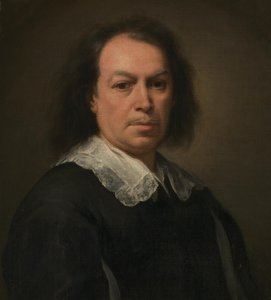
バルトロメ・エステバン・ムリーリョ
1618 - 1682 , スペイン
基本情報
- Artistic Movement Or Style: バロック絵画
- Artists Or Movements Influenced By This Artist:
- ゲインズボロー
- グルーズ
- Artists Who Influenced This Artist:
- スールバラン
- リベラ
- Date Of Birth: 1618年1月1日
- Date Of Death: 1682年4月3日
- Full Name: バルトロメ・エステバン・ムリーリョ
- Nationality: スペイン人
- Notable Artworks (List Of Titles):
- 無原罪の御宿題
- 若い物乞い
- 聖ヒエロニモ
- Place Of Birth (City And Country): スペイン、セビリア
関連記事

Baroque Classicism: Reconciling Drama & Order in 17th-Century Art
Explore the captivating world of Baroque Classicism! Discover its history, key artists like Caravaggio & Rubens, and defining characteristics. Expert insights & high-quality reproductions at ArtsDot.

The Dramatic Flourish: Exploring the Baroque Movement's Enduring Legacy in Art History
Explore the dramatic world of Baroque art! Discover iconic artists like Caravaggio & Rubens, defining techniques, and its lasting impact on art history. Expert insights for collectors & enthusiasts at ArtsDot.
Decoding Baroque Grandeur: A Guide to the Drama and Emotion of 17th-Century Art
Explore the breathtaking drama of 17th-century Baroque art. Our expert guide decodes the use of chiaroscuro, emotional intensity, and historical grandeur to help you appreciate and curate timeless masterpieces for your collection.
The Golden Age Reforged: Dramatic Realism & Religious Zeal in Spanish Baroque Art
Explore the dramatic world of Spanish Baroque art! Discover masters like Zurbarán & the powerful influence of religious zeal on painting techniques – a guide for collectors and enthusiasts.
Bartolomé Esteban Murillo: Divine Light & Social Commentary in Golden Age Seville
Explore the captivating world of Bartolomé Esteban Murillo, a master of Spanish Baroque painting. Discover his luminous religious scenes, tender genre paintings & lasting legacy in Golden Age Seville. Learn more at ArtsDot.