

 プレビュー
プレビュー
 シェアする
シェアする シェアする
シェアする
 詳細を見る
詳細を見る

 ダウンロード
 似ている作品
 X線調査
X線調査 スライドショー
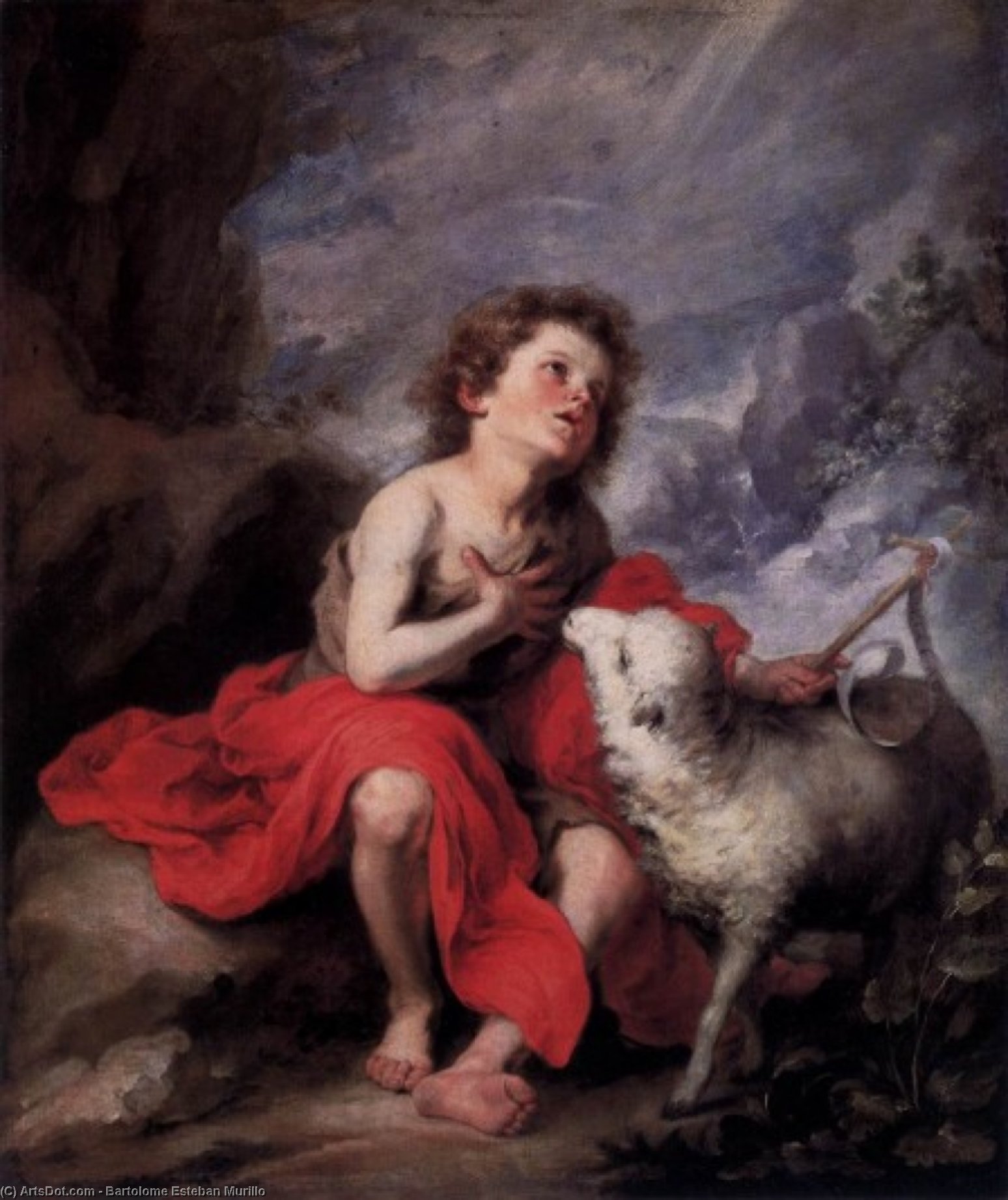
St. John the Baptist as a Child
 Oil On Canvas
- WallArt
- Spanish Baroque
 1665
1665 121.0 x 99.0 cm
 詳細を見る
詳細を見る
ジークレー/アートプリント
迅速な制作と多彩な仕上げオプションを備えた、ミュージアムクオリティのジークレーまたはキャンバスプリント。 ( 手描きの絵画を購入 画像を購入)




P118B $10

P118H $10

P118W $10

P438Z $10

P508JH $12

P508YH $12

P805H $10

P805Z $10

P919BZ $10

P919G $10

P919XJ $10

P959ZH $10

P968JZ $12

W106C $8

W218G $10

W218JH $8

W218Y $10

W307PJ $10

W316G $10

W316PJ $8

W316Y $10

W398PJ $8

W4111J $10

W500HY $15

W500JH $15

W692G $12

W849H $8

W940BG $15

W953PJ $8




作品のオリジナル比率に合わせた、当店の規定サイズからお選びください。

特定のフレームやスペースに合わせて、ご自身でサイズを指定することも可能です。選択されたサイズが元の画像の比率と一致しない場合、作品をトリミングするか、鏡面反射または単色での塗りつぶしによって画像を拡張いたします。制作を開始する前に、ご確認用のデジタルモックアップをお送りいたします。
画面上のプレビューには、実際のトリミングや拡張は反映されませんのでご注意ください。最終的な構図を正確に確認できるのは、モックアップのみとなります。
カスタムサイズも承っておりますが、元の比率を維持するためには、あらかじめ用意されたリストからサイズを選択することをお勧めいたします。


 ガラスオプションは、110cm未満のサイズでのみご利用いただけます。

St. John the Baptist as a Child
ジークレー/アートプリント
複製画のサイズ
-


合計金額
$ 62
A Portrait of Innocence: Exploring Bartolomé Esteban Murillo’s St. John the Baptist as a Child
Bartolomé Esteban Murillo's “St. John the Baptist as a Child,” painted in 1665, transcends mere depiction; it embodies the very essence of Baroque idealism—a masterful distillation of piety and pastoral beauty that continues to resonate with audiences centuries later. This oil on canvas masterpiece resides within the Galleria Corsini in Rome, offering visitors a glimpse into a hidden gem of Italian art alongside its broader European counterparts from the sixteenth and seventeenth centuries. Its quiet contemplation speaks volumes about Murillo’s profound understanding of human emotion and his unwavering commitment to capturing fleeting moments of grace.Subject Matter and Composition
The painting presents a tender tableau: a young boy, believed to be Saint John the Baptist, seated upon weathered rocks amidst a verdant landscape populated by trees—a deliberate echo of biblical imagery celebrating the innocence and purity associated with childhood. Before him rests a sheep, symbolizing humility and pastoral virtue – elements frequently employed in Baroque art to convey moral lessons and spiritual contemplation. Murillo’s compositional choices prioritize serenity and balance; the boy dominates the frame, positioned centrally against the backdrop of nature, drawing the viewer's eye into this serene scene. The subtle diagonal lines created by the rocks contribute to a sense of dynamism within the stillness of the composition.Stylistic Influences and Technique
Murillo’s style is undeniably rooted in the Baroque tradition, yet he distinguishes himself through an exceptional sensitivity to light and shadow—a technique perfected during his formative years under Juan del Castillo. Like Murillo's celebrated “The Good Shepherd Child,” this painting utilizes chiaroscuro – dramatic contrasts between illumination and darkness – to sculpt form and imbue the scene with palpable emotion. The artist meticulously renders textures, from the rough stone beneath the boy’s feet to the fleece of the sheep, demonstrating a remarkable command of artistic craft. Furthermore, Murillo's influence extends beyond his immediate stylistic peers; he shares similarities with Diego Velázquez’s “Prince Baltasar Carlos with the Count-Duke of Olivares,” showcasing a similar preoccupation with capturing psychological realism alongside formal elegance.Symbolism and Spiritual Significance
Beyond its aesthetic beauty, "St. John the Baptist as a Child" carries considerable symbolic weight. The boy represents Christ himself at infancy—a pivotal moment in Christian theology signifying divine humility and foreshadowing redemption. The sheep serves as an emblem of innocence and meekness, mirroring Saint John’s prophetic role as herald of Jesus's arrival. Murillo skillfully employs these symbols to elevate the painting beyond a simple portrait; it becomes a meditation on faith, virtue, and the transformative power of childhood—themes central to Baroque spirituality.Emotional Impact and Legacy
The painting’s enduring appeal lies in its ability to evoke feelings of compassion and tranquility. Murillo achieves this through masterful use of color – muted hues dominate the palette, creating an atmosphere of understated grandeur. The boy's gaze is direct yet gentle, conveying a profound sense of inner peace—a characteristic that distinguishes Baroque art from earlier Renaissance styles. “St. John the Baptist as a Child” remains a testament to Murillo’s artistic genius and his unwavering dedication to portraying human emotion with exquisite subtlety. Its presence in Galleria Corsini ensures its continued appreciation by discerning collectors and interior designers alike, offering a timeless glimpse into the heart of Baroque artistry.関連作品

アーティストの略歴
アンダルシアの光に包まれた生涯
バルトロメ・エステバン・ムリーリョ。その名は、スペイン・バロック絵画の黄金時代を象徴する存在として知られています。1618年、活気あふれるセビリアの街で生まれたムリーリョは、波乱に満ちた人生を送る傍ら、宗教的な熱狂、社会の変化、そして新たな芸術的革新が芽生える時代精神を捉えた画家として花開きました。ガスパール・エステバンとマリア・ペレス・ムリーリョの間に生まれたムリーリョは、14人の兄弟姉妹がいる大家族の中で育ちました。幼少期に両親を相次いで亡くし、苦難の時代を経験しますが、その後の人生において、彼の芸術的才能を導く重要な人物となる姉の夫、フアン・アグスティン・ラガレスの庇護のもとで成長していきます。ムリーリョの初期の修行は、母親方の親戚にあたる地元の画家、フアン・デル・カスティージョのもとで始まりました。この時期に培われた基礎は、彼独自のスタイルを確立するための土台となります。セビリアで流行していた写実主義の伝統を受け継ぎながらも、スールバラン、リベラ、カーノといった巨匠たちの影響を受け、鮮烈な写実性と劇的な表現力を吸収していきます。しかし、ムリーリョの真価は、単なる模倣に留まらず、その基礎をより繊細で光輝きに満ちた、そして何よりも人間味あふれるものへと昇華させた点にあります。リアリズムから輝かしい優雅さへ
ムリーリョの芸術的旅路は、一躍して名声を得るものではなく、むしろ明確な段階を経て進化を遂げたものでした。初期の作品は、同時代の画家たちの厳格な写実主義の影響を強く受けており、細部への徹底的なこだわりと陰鬱な色彩が特徴です。1640年から50年頃に制作された「夏の擬人化(果物籠を持つ青年)」は、この時期の代表作であり、日常生活の描写が驚くほど正確に行われています。しかし、これらの初期作品の中にも、彼の成熟したスタイルを予感させる優しさや感情的な深さが垣間見えます。「若い乞食」、1645年頃に描かれたこの作品は、人間の苦しみに対する繊細な感受性を示しており、ベラスケスによる日常の人々の描写の影響を感じさせます。ムリーリョが成熟するにつれて、彼のスタイルは劇的な変貌を遂げました。同時代の画家たちの写実主義から脱却し、セビリアの裕福なブルジョワジーや貴族階級の嗜好に合致した、より洗練された美学を受け入れます。この変化は、特に宗教画において顕著であり、伝統的な図像に比類のない温かさ、優雅さ、そして感情的な親しみやすさを吹き込みました。1650年から52年の間に描かれた「聖ヒエロニモ」は、この成熟したスタイルの証であり、穏やかで光輝きに満ちた描写が静謐さと献身を湛えています。宗教的感情とジャンル画の巨匠
ムリーリョの芸術的アウトプットは非常に多様であり、宗教画、ジャンル画、肖像画、神話的な主題など、幅広い分野に及びました。しかし、彼が最も高く評価されているのは、生涯を通して彼を魅了し、数多くのバリエーションを生み出した無原罪の御宿りの描写です。繊細な筆致、鮮やかな色彩、そして優雅な構図によって特徴づけられるこれらの作品は、スペインにおける宗教画の第一人者としての彼の地位を確立しました。聖なる主題に加えて、ムリーリョは日常の人々の生活を描写することにも長けていました。花売り娘、ストリートの子供たち、そして乞食などを描いた彼のジャンル画は、17世紀のセビリアの社会現実を垣間見せてくれます。これらの絵画は単なる観察的な研究ではなく、深い共感と慈悲の念が込められており、謙虚な主題を尊厳と優雅さへと高めています。彼は幼少期の無邪気さを捉えることに並外れた才能を発揮し、子供たちを驚くほど写実的かつ愛情深く描き出しました。遺産と永続的な影響
バルトロメ・エステバン・ムリーリョがスペイン芸術、そしてヨーロッパ絵画の歴史に与えた影響は否定できません。彼は宗教的な献身と人間主義的な感情を融合させた独自のスタイルを確立し、社会階層を超えて人々の心に響く作品を生み出しました。彼の影響力はスペイン国内にとどまらず、ヨーロッパ全土の世代の芸術家たちにインスピレーションを与えました。ゲーンズボローやグレーズらは、ムリーリョの光輝きに満ちたスタイルと繊細な人間感情の描写に敬意を表しています。彼はセビリアにある自身の工房で多くの弟子を育成し、彼の芸術的遺産が後世へと受け継がれることを確実なものとしました。彼の絵画は、マドリードのプラド美術館、サンクトペテルブルクのエルミタージュ美術館、ロンドンのウォレス・コレクション、そしてサンディエゴのティムケン美術館など、世界中の著名な美術館に所蔵されており、彼の永続的な魅力と歴史的意義を物語っています。ムリーリョの芸術は、その美しさ、優雅さ、そして深い人間性によって今もなお人々を魅了し続け、スペイン・バロック絵画における最も愛され、影響力のある画家としての地位を不動のものとしています。彼の宗教的なイメージに感情的な深みを吹き込み、日常生活を共感をもって描き出す能力は、1682年の死後何世紀にもわたって人々の心を捉え続けています。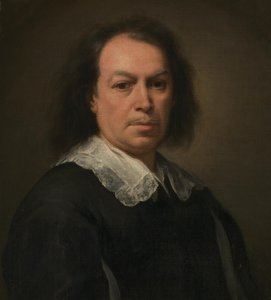
バルトロメ・エステバン・ムリーリョ
1618 - 1682 , スペイン
基本情報
- Artistic Movement Or Style: バロック絵画
- Artists Or Movements Influenced By This Artist:
- ゲインズボロー
- グルーズ
- Artists Who Influenced This Artist:
- スールバラン
- リベラ
- Date Of Birth: 1618年1月1日
- Date Of Death: 1682年4月3日
- Full Name: バルトロメ・エステバン・ムリーリョ
- Nationality: スペイン人
- Notable Artworks (List Of Titles):
- 無原罪の御宿題
- 若い物乞い
- 聖ヒエロニモ
- Place Of Birth (City And Country): スペイン、セビリア
関連記事

ジョン・シンガー・サージェント:至高の25選 - 美と光の肖像画の世界 | ArtsDot
ジョン・シンガー・サージェントの至高の25選。肖像画、写実主義、光と影の表現が美しい作品群を紐解きます。マダムXや少女の肖像など、時代を超えて愛される名作をArtsDotで鑑賞。高品質なアート複製で、お部屋に美術館のような空間を。今すぐコレクションをご覧ください。

ジョン・コンスタブルの傑作25選:英国風景画の巨匠が描く自然と光の詩 | ArtsDot
ジョン・コンスタブルの傑作25選。英国風景画の巨匠が描く自然と光の詩の世界へ。ロマン主義を代表する絵画、デダム・ヴェールやヘイ・ウェインなど、ArtsDotで高品質なアートプリントをお楽しみください。インテリアに深みと感動を。コレクションはこちら。

The Dramatic Flourish: Exploring the Baroque Movement's Enduring Legacy in Art History
Explore the dramatic world of Baroque art! Discover iconic artists like Caravaggio & Rubens, defining techniques, and its lasting impact on art history. Expert insights for collectors & enthusiasts at ArtsDot.

バロック美術を極めた至宝:時代を彩る10大名作の世界
バロック美術の華!カラヴァッジョ、ベルニーニら巨匠が創り上げた10大名作を徹底解剖。ドラマチックな色彩と豪華絢爛の世界観に触れ、至宝のアートプリントで空間を彩ろう。ArtsDot.comで美術館品質の複製と洗練されたインテリアを見つけましょう!

バロックのドラマ:現代のインテリアに壮麗さと情感を取り込む
バロック様式の歴史、絵画、家具の魅力をご紹介。ArtsDotでは、高品質な油絵複製やカスタムポートレートをご提供し、現代のインテリアに壮麗さと情感を取り入れます。アートコンサルテーションも承ります。