

 プレビュー
プレビュー
 プリントを購入
 シェアする
シェアする シェアする
シェアする
 詳細を見る
詳細を見る

 ダウンロード
 似ている作品
 X線調査
X線調査 スライドショー
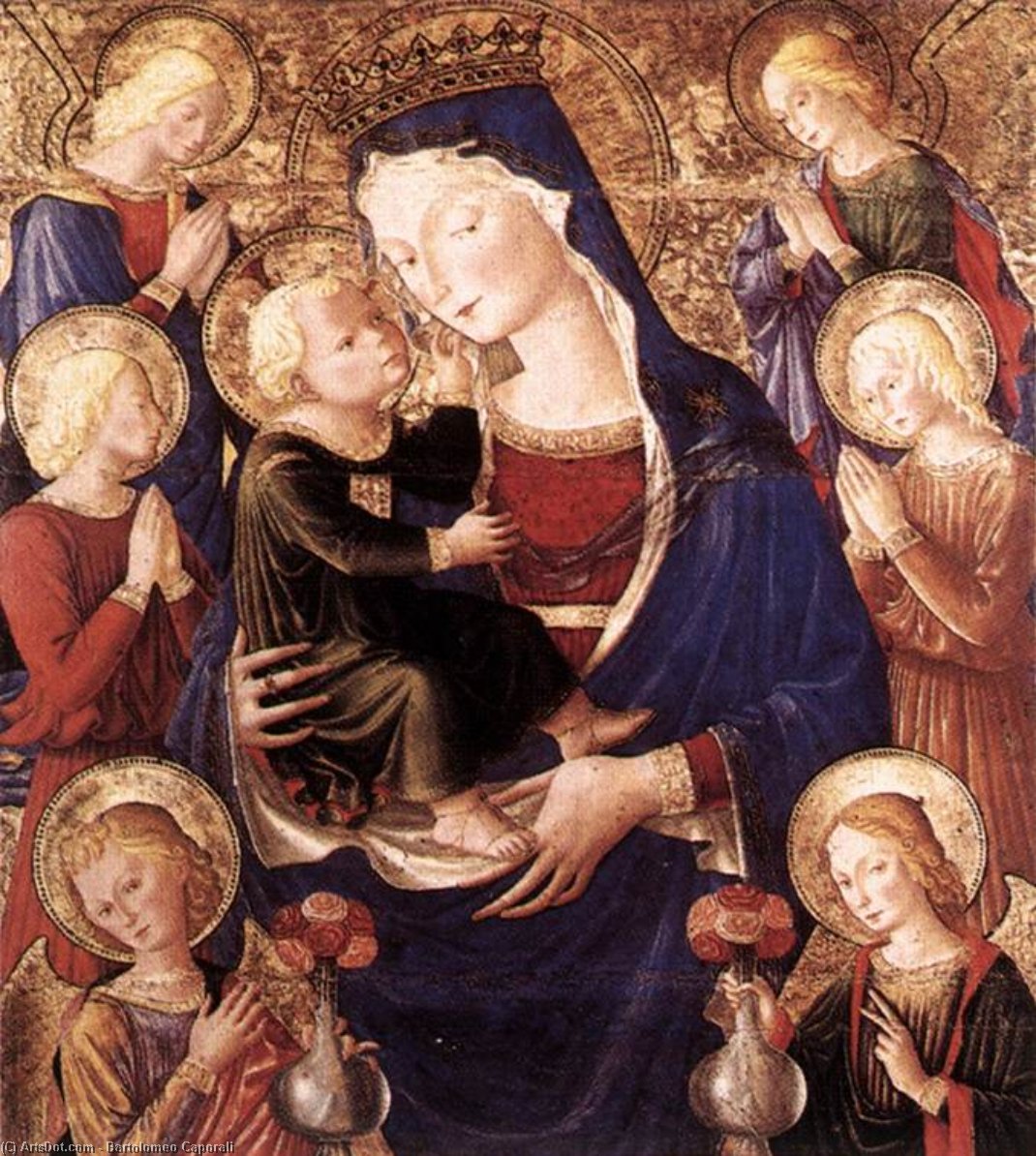
Virgin and Child with Angels
 Umbrian Renaissance
 1477
1477- Renaissance
 108.0 x 94.0 cm
 ウンブリア国立美術館
 詳細を見る
詳細を見る
オンラインプレビューをはるかに凌ぐ、高解像度で鮮明なデジタル画像をご購入いただけます。
各ファイルは、社内の専門家が高度なツールと熟練した手作業によるレタッチを用いて、細心の注意を払って準備されています。すべての画像において、卓越した鮮明度、正確な色彩再現性、そして繊細なディテールを保証いたします。
最終ファイルは、プロフェッショナルな編集・印刷環境ですぐにご利用いただけるよう最適化された状態で、72時間以内にメールにてお届けいたします。これは、一流のデザインスタジオ、出版社、ギャラリーから信頼されているものと同等の品質です。
デジタル画像のご注文に付随する特典
高品質なデジタル画像配信を、確かな品質で。
ArtsDot.com を選ぶことは、単に画像を手に入れることではありません。それは、プロの手によって精密に仕上げられ、満足保証が付いた高品質なデジタルアートワークを受け取ることを意味します。ご注文いただいた際に自動的に付随する内容は、以下の通りです:

メールですぐにお届け
ご注文から72時間以内に、高解像度のデジタル画像ファイルがメールでお手元に届きます。すぐにそのままご利用いただけます。

AI技術で最適化されたデジタルファイル
お客様の作品は、高度なAIツールと専門家による手作業の編集を組み合わせてプロフェッショナルに最適化されており、細部のディテール、鮮明さ、そして正確な色再現性を最大限に引き出しています。

一生涯無料の再送サービス
ファイルを誤って削除したり、紛失してしまったりしましたか?ご安心ください。いつでも無料で再送いたします。

輸入手数料は一切かかりません
関税や手数料、配送料を気にすることなく、お気に入りのアートワークをすぐにお楽しみいただけます。デジタルダウンロードは常に免税です。

色彩再現の保証
プロ仕様のツールとカラーマネジメント技術を用いることで、デジタル画像が元の色を最大限に忠実に再現することを保証いたします。

100日間満足保証
ご購入いただいたデジタル画像にご満足いただけない場合は、100日以内であれば、理由を問わず修正または100%の返金対応をさせていただきます。

100% 返金保証
ご満足いただけない場合は、デジタルファイルを受け取ってから100日以内であれば、理由を問わず全額返金いたします。

まとめ買い割引
3枚購入で10%OFF - 5枚購入で15%OFF - 10枚以上購入で20%OFF。クリエイティブなプロジェクト、ギャラリー、エージェンシーに最適です。
A Celestial Encounter in Umbrian Gold
In the quiet, luminous atmosphere of the late fifteenth century, Bartolomeo Caporali captured a moment of profound divine intimacy that continues to captivate the modern soul. Virgin and Child with Angels is not merely a religious icon; it is a window into the heart of the Umbrian Renaissance. The painting presents the Virgin Mary cradling the Christ Child, surrounded by a celestial choir of angels whose presence transforms the earthly space into a sacred sanctuary. As your eyes wander through the composition, you encounter a delicate balance of figures—some drifting in the upper reaches of the frame, others anchored near the periphery—creating a sense of rhythmic, heavenly movement that feels both eternal and immediate.
The mastery of Caporality lies in his ability to weave complex narratives through subtle visual cues. The scene is enriched by meticulously rendered details that ground this divine event in a tangible reality. Notice the presence of delicate vases placed thoughtfully throughout the composition; one rests near the bottom left, while others occupy the center-right, acting as anchors for the viewer's gaze. A solitary cup sits poised on the right, perhaps hinting at the liturgical mysteries of the Eucharist. These elements, far from being mere decorations, serve to bridge the gap between the heavenly realm and the physical world, inviting the observer to participate in the sanctity of the scene.
The Artistry of the Umbrian Renaissance
Technically, this work is a testament to the precision and vibrant palette that defined Caporali’s era. Influenced by the masters of Perugia, the artist employs a technique that emphasizes clarity, light, and a rich, saturated color palette. The interplay of light across the folds of the Virgin's garments and the soft, ethereal skin of the angels demonstrates a sophisticated understanding of form and volume. For the discerning collector or interior designer, this piece offers a profound sense of depth and texture. The way the light seems to emanate from within the figures themselves creates an atmospheric glow that can transform the ambiance of any room, lending an air of classical elegance and contemplative peace.
Beyond its aesthetic brilliance, the painting carries an emotional weight that is both soothing and awe-inspiring. It evokes a sense of protection, devotion, and timeless grace. Whether displayed in a grand gallery or as a focal point in a curated residential space, Virgin and Child with Angels serves as a powerful statement of cultural heritage. Owning a high-quality reproduction of this masterpiece allows one to bring the spiritual luminosity of the 1470s into a contemporary setting, providing a constant source of inspiration and a sophisticated connection to the golden age of Italian art.
関連作品
作家の略歴
The Radiant Legacy of Bartolomeo Caporali
In the heart of the Umbrian Renaissance, where the rolling hills of Italy met a profound spiritual awakening, the name Bartolomeo Caporali emerged as a beacon of meticulous beauty and devotion. Born in Perugia around 1420, Caporali was not merely a painter but a true master of the decorative arts, whose life’s work wove together the sacred and the ornamental. His lineage in Perugia was one of craftsmanship; with a brother, Giapeco, serving as a skilled armorer, Bartolomeo grew up in an environment where precision and visual storytelling were paramount. This early exposure to the fine details of metalwork and heraldry likely informed his later mastery of gilding and the delicate embellishments that define his most celebrated panels.
The evolution of Caporali’s style is a fascinating journey through the shifting tides of the Quattrocento. His formative years were shaped by the vibrant, rhythmic influences of Gozzoli and Boccati, mentors who instilled in him a love for luminous color palettes and dynamic compositions. As he matured, his brushwork began to absorb the sophisticated nuances of his contemporaries, including the monumental presence of Piero della Francesca and the ethereal grace of Pinturicchio. This synthesis of styles allowed him to bridge the gap between the late Gothic tradition and the burgeoning Renaissance interest in perspective and anatomical realism, making him a pivotal figure in the Umbrian school.
A Versatile Master of Light and Ornament
What truly distinguishes Caporali from his peers was the remarkable breadth of his artistic output. While many artists focused solely on the canvas, Caporali’s genius extended into the very fabric of liturgical life. He was a virtuoso of various mediums, moving seamlessly between the grand scale of monumental frescoes and the intimate precision of miniature painting. His hands were skilled in the creation of:
- Sacred Altarpieces: Large-scale works such as his Madonna and Saints for the church of Santa Maria Maddalena, which showcase a breathtaking command of color.
- Liturgical Treasures: The delicate execution of missals and illuminated manuscripts that brought divine light to the page.
- Decorative Artistry: The intricate work of gilding, armorials, and celebratory banners that adorned the civic and religious ceremonies of Perugia.
- Civic Contributions: His role as a leader in the Arte dei Pittori (Artists’ Guild) and his service as a civic prior, reflecting his deep integration into the social fabric of his home city.
His ability to manipulate gold leaf and tempera allowed him to create surfaces that seemed to glow from within, a quality essential for the devotional purposes of his era. Whether he was gilding the ceiling of San Marco in Rome or painting a tender Adoration of the Shepherds, Caporali sought to evoke a sense of the divine through material splendor.
Historical Significance and Enduring Spirit
As the fifteenth century progressed, Caporali’s workshop became a cornerstone of the Perugian art scene. He is often regarded as the coordinator of the influential Workshop of 1473, a collective that produced vital religious panels depicting the miracles of Saint Bernardino of Siena. This leadership role underscores his importance not just as an individual creator, but as a mentor and architect of a regional artistic movement. His influence flowed through generations, impacting younger masters like Perugino and Fiorenzo di Lorenzo, ensuring that the meticulous Umbrian tradition would endure.
Though he passed away around 1505, the legacy of Bartolomeo Caporali remains etched in the silent beauty of the churches and galleries of Italy. His work stands as a testament to an era when art was a bridge between the earthly and the eternal—a period where every stroke of gold and every layer of pigment served to celebrate the profound mysteries of faith. To look upon a Caporali masterpiece is to witness the heartbeat of the Renaissance: a perfect harmony of technical precision, decorative elegance, and unshakeable spiritual devotion.
Bartolomeo Caporali
1420 - 1505 , Italy
プロフィール概要
- Artistic Movement Or Style: Umbrian Renaissance
- Artists Or Movements Influenced By This Artist:
- Fiorenzo di Lorenzo
- Perugino
- Pinturicchio
- Artists Who Influenced This Artist:
- Gozzoli
- Boccati
- Date Of Birth: c. 1420
- Date Of Death: c. 1505
- Full Name: Bartolomeo Caporali
- Nationality: Italian
- Notable Artworks:
- Madonna and Saints
- Virgin and Child between two praying angels
- Adoration of the Shepherds
- Place Of Birth: Perugia, Italy