

 プレビュー
プレビュー
 プリントを購入
 シェアする
シェアする シェアする
シェアする
 詳細を見る
詳細を見る

 ダウンロード
 似ている作品
 X線調査
X線調査 スライドショー
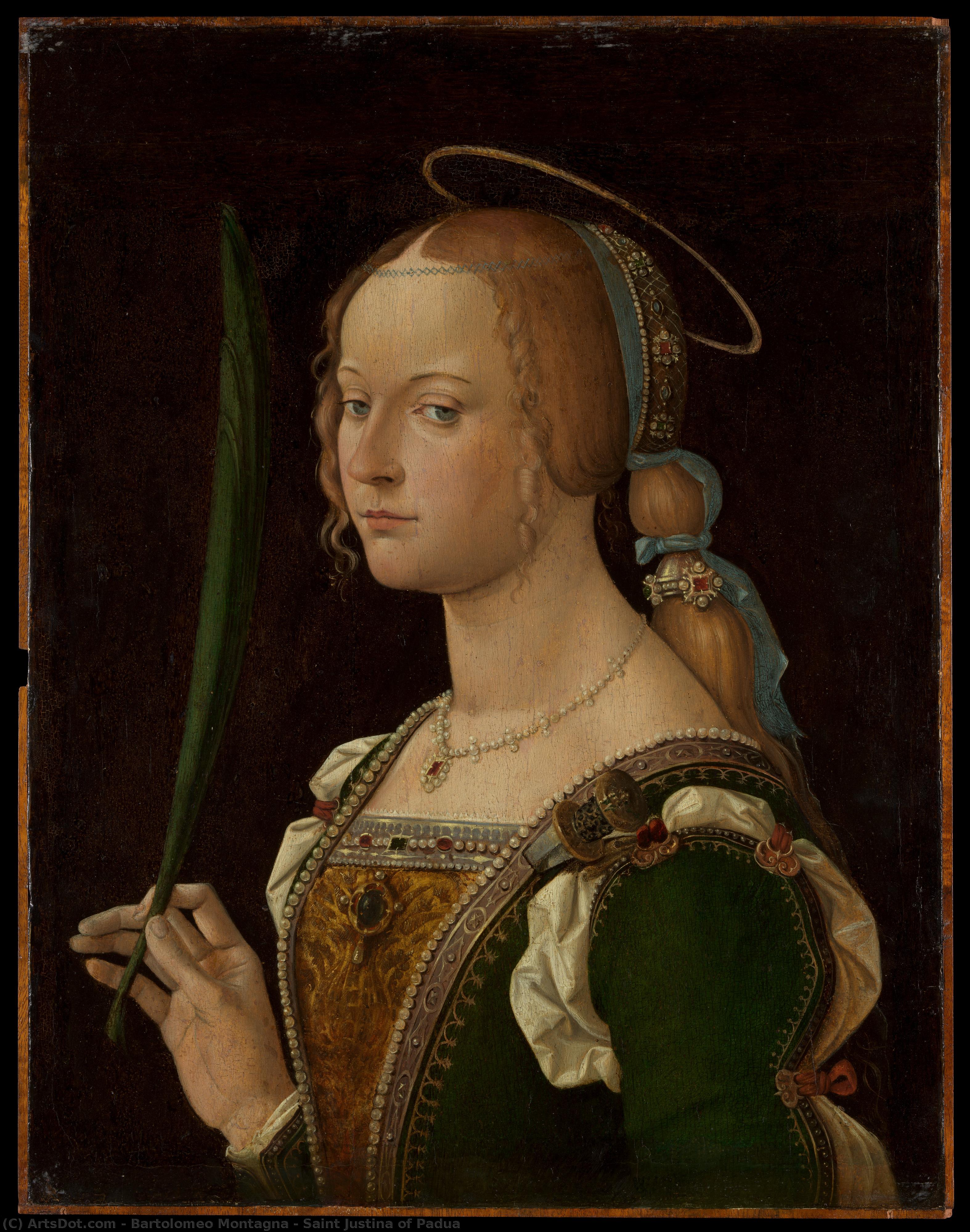
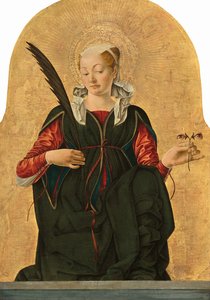
Saint Justina of Padua
 Oil On Canvas
- WallArt
- Renaissance
 1490
1490 50.0 x 38.0 cm
 メトロポリタン美術館
 詳細を見る
詳細を見る
オンラインプレビューをはるかに凌ぐ、高解像度で鮮明なデジタル画像をご購入いただけます。
各ファイルは、社内の専門家が高度なツールと熟練した手作業によるレタッチを用いて、細心の注意を払って準備されています。すべての画像において、卓越した鮮明度、正確な色彩再現性、そして繊細なディテールを保証いたします。
最終ファイルは、プロフェッショナルな編集・印刷環境ですぐにご利用いただけるよう最適化された状態で、72時間以内にメールにてお届けいたします。これは、一流のデザインスタジオ、出版社、ギャラリーから信頼されているものと同等の品質です。
デジタル画像のご注文に付随する特典
高品質なデジタル画像配信を、確かな品質で。
ArtsDot.com を選ぶことは、単に画像を手に入れることではありません。それは、プロの手によって精密に仕上げられ、満足保証が付いた高品質なデジタルアートワークを受け取ることを意味します。ご注文いただいた際に自動的に付随する内容は、以下の通りです:

メールですぐにお届け
ご注文から72時間以内に、高解像度のデジタル画像ファイルがメールでお手元に届きます。すぐにそのままご利用いただけます。

AI技術で最適化されたデジタルファイル
お客様の作品は、高度なAIツールと専門家による手作業の編集を組み合わせてプロフェッショナルに最適化されており、細部のディテール、鮮明さ、そして正確な色再現性を最大限に引き出しています。

一生涯無料の再送サービス
ファイルを誤って削除したり、紛失してしまったりしましたか?ご安心ください。いつでも無料で再送いたします。

輸入手数料は一切かかりません
関税や手数料、配送料を気にすることなく、お気に入りのアートワークをすぐにお楽しみいただけます。デジタルダウンロードは常に免税です。

色彩再現の保証
プロ仕様のツールとカラーマネジメント技術を用いることで、デジタル画像が元の色を最大限に忠実に再現することを保証いたします。

60日間満足保証
ご購入いただいたデジタル画像にご満足いただけない場合は、60日以内であれば、修正または100%の返金(理由を問う必要はありません)をさせていただきます。

100% 返金保証
ご満足いただけない場合は、デジタルファイルを受け取ってから60日以内であれば、理由を問わず全額返金いたします。

まとめ買い割引
3枚購入で10%OFF - 5枚購入で15%OFF - 10枚以上購入で20%OFF。クリエイティブなプロジェクト、ギャラリー、エージェンシーに最適です。
作品の詳細
A Renaissance Portrait of Faith and Virtue
Bartolomeo Montagna’s “Saint Justina of Padua,” painted in 1490, is more than just a devotional image; it's a captivating window into the artistic sensibilities of late fifteenth-century Venice. This exquisite work transcends simple religious representation, offering a nuanced portrait of a martyr and a compelling study of aristocratic beauty within the context of burgeoning humanist ideals. Montagna masterfully blends elements of strict iconography with a strikingly contemporary aesthetic, creating an artwork that continues to resonate with viewers centuries later.
The painting depicts Saint Justina, a Roman martyr who exemplified unwavering faith during the persecutions of Diocletian. Traditionally portrayed as holding a palm branch – symbolizing victory over death and eternal life – and bearing a sword (a potent emblem of her martyrdom), Montagna elevates the subject beyond a mere saintly figure. She is presented with an almost regal poise, her gaze direct and serious, engaging the viewer in a silent dialogue across time. The subtle suggestion of a high forehead, a fashionable trend during the period, subtly reinforces her idealization as a woman of noble bearing and virtue.
The Venetian Renaissance: A Synthesis of Tradition and Innovation
Montagna’s work is deeply rooted in the artistic traditions of Venice, yet he skillfully navigated these established forms with a distinctly personal vision. Heavily influenced by Giovanni Bellini – a master known for his atmospheric perspective and luminous color palettes – Montagna adopted a similar approach to rendering light and shadow, imbuing the scene with a palpable sense of depth and realism. However, unlike Bellini’s often ethereal figures, Montagna's Saint Justina possesses a remarkable solidity and presence, reflecting the growing emphasis on humanism within Venetian art.
The painting’s execution is equally noteworthy. Crafted on wood – a common medium during the Renaissance due to its durability and suitability for intricate detail – it measures 50 x 38 cm and now resides in The Metropolitan Museum of Art in New York. Montagna's meticulous attention to texture, particularly evident in the folds of her dress and the delicate details of her jewelry, showcases his mastery of technique. The use of a muted color palette—primarily greens, browns, and golds—contributes to the painting’s solemn and dignified atmosphere, further emphasizing Saint Justina’s virtue and unwavering faith.
Symbolism and the Language of Renaissance Portraiture
Beyond its devotional subject matter, “Saint Justina of Padua” is rich in symbolic meaning. The palm branch and sword are not merely decorative elements; they represent her triumph over earthly suffering and her ascension to eternal glory. Yet, Montagna subtly subverts traditional iconography by presenting Saint Justina as a figure of aristocratic beauty – a deliberate choice that reflects the prevailing artistic trends of the time. This juxtaposition of religious symbolism with contemporary fashion highlights Montagna’s innovative approach to art, demonstrating his ability to seamlessly blend spiritual and secular concerns.
A Timeless Masterpiece: Relevance for Today
“Saint Justina of Padua” remains a powerful testament to the enduring appeal of Renaissance art. Its serene composition, masterful technique, and profound symbolism continue to captivate viewers centuries after its creation. For those seeking inspiration or considering acquiring a high-quality reproduction, this painting offers a rare opportunity to connect with a pivotal moment in artistic history – a time when faith, beauty, and humanism converged to create some of the most enduring masterpieces ever conceived. Further exploration can be found through resources like The Metropolitan Museum of Art’s online collection and scholarly articles detailing Bartolomeo Montagna's life and work.
関連作品


作家の略歴
The Visionary of Vicenza: The Life and Legacy of Bartolomeo Montagna
In the heart of the Italian Renaissance, amidst the marble-rich landscapes of Vicenza and the shimmering canals of Venice, emerged a painter whose brush possessed the rare ability to marry sculptural solidity with ethereal grace. Bartolomeo Montagna stands as a cornerstone of the Vicenza School, an artist whose career bridged the gap between the meticulous precision of the early Quattrocento and the luminous atmospheric depth of the High Renaissance. Born around 1450, Montagna’s life was deeply intertwined with the humanist evolution of his era, a period where the rediscovery of classical antiquity breathed new life into religious iconography.
Montagna’s artistic identity was forged through a sophisticated blend of regional influences and direct exposure to the masters of the Venetian Republic. His early training in Brescia under Giovanni Battista Brustolo provided him with a foundation of rigorous detail, yet it was his subsequent journey to Venice that truly ignited his genius. Immersing himself in the vibrant workshops of the Serenissima, he absorbed the profound lessons of Giovanni Bellini and the sculptural intensity of Andrea Mantegna. This exposure allowed him to develop a signature style characterized by a restrained palette, an architectural sense of space, and a masterful command over light and shadow that gave his figures a palpable, three-dimensional presence.
A Mastery of Form and Devotion
The oeuvre of Montagna is a testament to his ability to transform sacred subjects into moments of profound, quiet contemplation. His works are rarely characterized by frantic movement; instead, they offer a serene stillness that invites the viewer into a state of prayerful reflection. This is perhaps most evident in his depictions of the Madonna and Child, where the figures possess an aristocratic dignity paired with a tender, human vulnerability. In masterpieces such as The Virgin and Child with a Saint, one can observe how he utilizes sculpted forms and subtle naturalistic elements—such as the delicate presence of birds—to ground divine subjects within a tangible, earthly reality.
Beyond his Madonnas, Montagna excelled in portraying the solitary strength of saints and scholars. His St Jerome serves as a breathtaking example of his ability to capture the weight of intellectual and spiritual labor through meticulous texture and light. Similarly, his Saint Justina of Padua showcases a brilliant synthesis of devotional symbolism and the refined beauty typical of late fifteenth-century Venetian art. Through these works, Montagna demonstrated that religious painting could be both intellectually complex and visually captivating, utilizing architectural illusionism to create windows into a more divine realm.
Historical Significance and Artistic Triumph
The enduring significance of Bartolomeo Montagna lies in his role as a vital link in the evolution of Northern Italian painting. While often overshadowed by the larger-than-life personalities of Venice, his contribution to the development of the Vicenza School provided a necessary stylistic counterpoint to the more flamboyant Venetian trends. His ability to integrate the structural rigor of Mantegna with the soft, atmospheric light of Bellini created a unique aesthetic language that resonated throughout the region.
His major achievements are scattered across the most prestigious religious institutions of his time, from the monumental fresco cycles in the Certosa di Pavia to significant altarpieces in the Museo Civico di Vicenza. Even today, Montagna’s work continues to captivate art historians and enthusiasts alike, offering a window into a period of unparalleled creativity. His legacy remains etched in the very fabric of the Renaissance—a legacy of marble-like precision, spiritual depth, and an unwavering commitment to the beauty of the human form.
bartolomeo montagna
1450 - 1523 , Italy
プロフィール概要
- Artistic Movement Or Style: Renaissance
- Artists Or Movements Influenced By This Artist: ['Mantegna']
- Artists Who Influenced This Artist: ['Giovanni Bellini']
- Date Of Birth: Vicenza, Italy (1450)
- Full Name: Bartolomeo Montagna
- Nationality: Italian
- Notable Artworks:
- Saint Justina of Padua
- Madonna and Child
- Place Of Birth: Vicenza

