

 プレビュー
プレビュー
 シェアする
シェアする シェアする
シェアする
 詳細を見る
詳細を見る

 ダウンロード
 似ている作品
 X線調査
X線調査 スライドショー
 Stats
StatsThe Virgin and Child with a Saint
 Oil On Canvas
- WallArt
- Venetian Renaissance
 1483
1483 366.0 x 378.0 cm
 ウォーカー・アート・ギャラリー
 詳細を見る
詳細を見る
オンラインプレビューをはるかに凌ぐ、高解像度で鮮明なデジタル画像をご購入いただけます。
各ファイルは、社内の専門家が高度なツールと熟練した手作業によるレタッチを用いて、細心の注意を払って準備されています。すべての画像において、卓越した鮮明度、正確な色彩再現性、そして繊細なディテールを保証いたします。
最終ファイルは、プロフェッショナルな編集・印刷環境ですぐにご利用いただけるよう最適化された状態で、72時間以内にメールにてお届けいたします。これは、一流のデザインスタジオ、出版社、ギャラリーから信頼されているものと同等の品質です。
デジタルアート
個人での鑑賞、印刷、クリエイティブなプロジェクト用に、高解像度ファイルをダウンロードできます。 ( Switch to Print 手描きの絵画を購入)
デジタル画像のご注文に付随する特典
高品質なデジタル画像配信を、確かな品質で。
ArtsDot.com を選ぶことは、単に画像を手に入れることではありません。それは、プロの手によって精密に仕上げられ、満足保証が付いた高品質なデジタルアートワークを受け取ることを意味します。ご注文いただいた際に自動的に付随する内容は、以下の通りです:

メールですぐにお届け
ご注文から72時間以内に、高解像度のデジタル画像ファイルがメールでお手元に届きます。すぐにそのままご利用いただけます。

AI技術で最適化されたデジタルファイル
お客様の作品は、高度なAIツールと専門家による手作業の編集を組み合わせてプロフェッショナルに最適化されており、細部のディテール、鮮明さ、そして正確な色再現性を最大限に引き出しています。

一生涯無料の再送サービス
ファイルを誤って削除したり、紛失してしまったりしましたか?ご安心ください。いつでも無料で再送いたします。

輸入手数料は一切かかりません
関税や手数料、配送料を気にすることなく、お気に入りのアートワークをすぐにお楽しみいただけます。デジタルダウンロードは常に免税です。

色彩再現の保証
プロ仕様のツールとカラーマネジメント技術を用いることで、デジタル画像が元の色を最大限に忠実に再現することを保証いたします。

100日間満足保証
ご購入いただいたデジタル画像にご満足いただけない場合は、100日以内であれば、理由を問わず修正または100%の返金対応をさせていただきます。

100% 返金保証
ご満足いただけない場合は、デジタルファイルを受け取ってから100日以内であれば、理由を問わず全額返金いたします。

まとめ買い割引
3枚購入で10%OFF - 5枚購入で15%OFF - 10枚以上購入で20%OFF。クリエイティブなプロジェクト、ギャラリー、エージェンシーに最適です。
Bartolomeo Montagna’s ‘The Virgin and Child with a Saint’: A Vicenzan Masterpiece
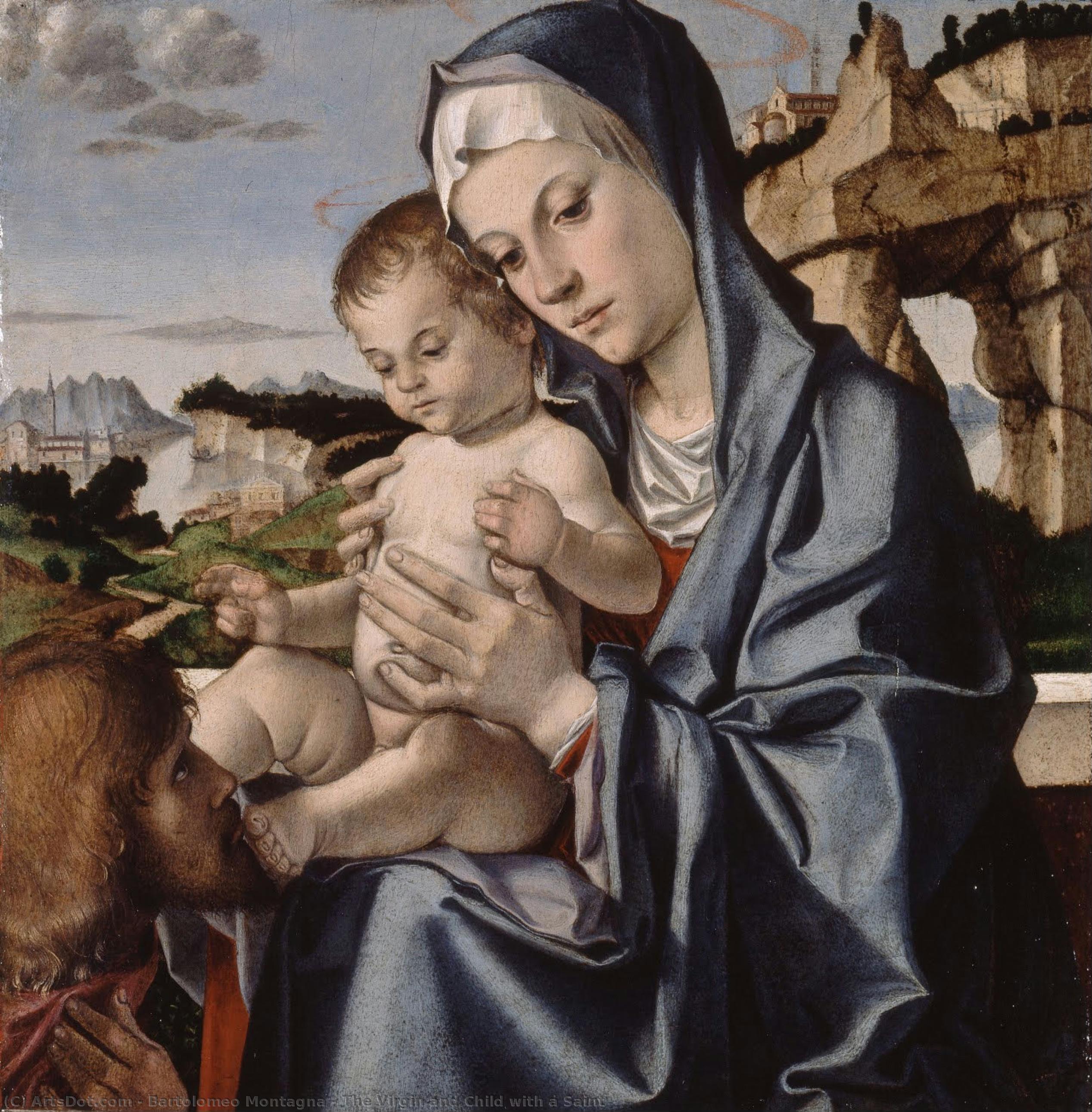
Bartolomeo Montagna's “The Virgin and Child with a Saint,” painted in 1483, offers a captivating glimpse into the heart of Venetian Renaissance art. Executed during a period of intense artistic innovation within the Vicenza School, this work exemplifies Montagna’s signature style – characterized by serene compositions, meticulous attention to detail, and a profound understanding of sculptural form. Measuring an impressive 366 x 378 cm, the painting immediately commands attention with its intimate portrayal of the Virgin Mary and Child Jesus, figures rendered with a tenderness that speaks volumes about the era’s evolving devotional practices.
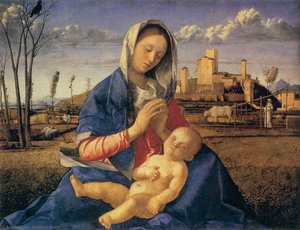
- Subject Matter: The central focus is undeniably the Virgin Mary, depicted in a manner both dignified and maternal. Her gaze is direct, conveying a sense of profound love and protection for her son. Jesus, nursing at her breast, embodies innocence and vulnerability – a common theme in Marian iconography during this period.
- Composition: Montagna skillfully employs pyramidal composition, a technique borrowed from classical antiquity and perfected by Mantegna, to create a stable and harmonious arrangement. The figures are placed within a carefully constructed space, drawing the viewer’s eye towards the central narrative.
- Technique: The artist's masterful use of oil paint allows for subtle gradations in tone and texture, creating a remarkable sense of realism. Note the delicate rendering of Mary’s drapery, which flows naturally around her form, adding to the painting’s overall elegance.
A Window into the Vicenzan School
Bartolomeo Montagna was a pivotal figure in the development of the Vicenza School of painting, a movement that flourished during the late fifteenth and early sixteenth centuries. Situated in the heart of Italy's marble district, Vicenza was a hub for artistic innovation, attracting talented artists who sought to capture the beauty of the surrounding landscape and the spirit of the Renaissance. Montagna’s work reflects this regional influence, incorporating elements of both Venetian and Northern Italian styles. His collaborations with prominent figures like Andrea Mantegna further cemented his position as a leading artist of his time.
The painting's mountainous background isn't merely decorative; it serves to contextualize the scene within a broader narrative of faith and pilgrimage, reflecting the importance of sacred sites in Venetian religious life. The inclusion of three birds – one near the top-left corner, another close to the center, and a third towards the bottom-right – adds an element of naturalism and symbolic richness, potentially representing angels or messengers.
Symbolism and Emotional Impact
“The Virgin and Child with a Saint” is rich in symbolism, reflecting the profound religious beliefs of the time. The nursing infant represents Christ’s sacrifice and humanity's need for redemption. The serene expressions of Mary and Jesus evoke feelings of peace, hope, and spiritual devotion. Montagna’s ability to capture these emotions through his masterful brushwork elevates this painting beyond a simple portrait; it becomes a powerful meditation on faith, love, and the divine.
The painting's enduring appeal lies in its timeless beauty and emotional resonance. It is a testament to Montagna’s artistic skill and his deep understanding of human nature. A hand-painted reproduction offers an unparalleled opportunity to experience this masterpiece firsthand, bringing its serenity and grace into your home or office.
Historical Context
Painted in 1483, the artwork reflects a period of significant religious and artistic change in Europe. The Renaissance was well underway, with artists increasingly turning to classical antiquity for inspiration. Venetian art, particularly within the Vicenza School, played a crucial role in this revival, blending traditional devotional themes with innovative techniques and compositional strategies. Montagna’s work stands as a vital link between the late Gothic style and the burgeoning ideals of the High Renaissance.
関連作品

作家の略歴
The Visionary of Vicenza: The Life and Legacy of Bartolomeo Montagna
In the heart of the Italian Renaissance, amidst the marble-rich landscapes of Vicenza and the shimmering canals of Venice, emerged a painter whose brush possessed the rare ability to marry sculptural solidity with ethereal grace. Bartolomeo Montagna stands as a cornerstone of the Vicenza School, an artist whose career bridged the gap between the meticulous precision of the early Quattrocento and the luminous atmospheric depth of the High Renaissance. Born around 1450, Montagna’s life was deeply intertwined with the humanist evolution of his era, a period where the rediscovery of classical antiquity breathed new life into religious iconography.
Montagna’s artistic identity was forged through a sophisticated blend of regional influences and direct exposure to the masters of the Venetian Republic. His early training in Brescia under Giovanni Battista Brustolo provided him with a foundation of rigorous detail, yet it was his subsequent journey to Venice that truly ignited his genius. Immersing himself in the vibrant workshops of the Serenissima, he absorbed the profound lessons of Giovanni Bellini and the sculptural intensity of Andrea Mantegna. This exposure allowed him to develop a signature style characterized by a restrained palette, an architectural sense of space, and a masterful command over light and shadow that gave his figures a palpable, three-dimensional presence.
A Mastery of Form and Devotion
The oeuvre of Montagna is a testament to his ability to transform sacred subjects into moments of profound, quiet contemplation. His works are rarely characterized by frantic movement; instead, they offer a serene stillness that invites the viewer into a state of prayerful reflection. This is perhaps most evident in his depictions of the Madonna and Child, where the figures possess an aristocratic dignity paired with a tender, human vulnerability. In masterpieces such as The Virgin and Child with a Saint, one can observe how he utilizes sculpted forms and subtle naturalistic elements—such as the delicate presence of birds—to ground divine subjects within a tangible, earthly reality.
Beyond his Madonnas, Montagna excelled in portraying the solitary strength of saints and scholars. His St Jerome serves as a breathtaking example of his ability to capture the weight of intellectual and spiritual labor through meticulous texture and light. Similarly, his Saint Justina of Padua showcases a brilliant synthesis of devotional symbolism and the refined beauty typical of late fifteenth-century Venetian art. Through these works, Montagna demonstrated that religious painting could be both intellectually complex and visually captivating, utilizing architectural illusionism to create windows into a more divine realm.
Historical Significance and Artistic Triumph
The enduring significance of Bartolomeo Montagna lies in his role as a vital link in the evolution of Northern Italian painting. While often overshadowed by the larger-than-life personalities of Venice, his contribution to the development of the Vicenza School provided a necessary stylistic counterpoint to the more flamboyant Venetian trends. His ability to integrate the structural rigor of Mantegna with the soft, atmospheric light of Bellini created a unique aesthetic language that resonated throughout the region.
His major achievements are scattered across the most prestigious religious institutions of his time, from the monumental fresco cycles in the Certosa di Pavia to significant altarpieces in the Museo Civico di Vicenza. Even today, Montagna’s work continues to captivate art historians and enthusiasts alike, offering a window into a period of unparalleled creativity. His legacy remains etched in the very fabric of the Renaissance—a legacy of marble-like precision, spiritual depth, and an unwavering commitment to the beauty of the human form.
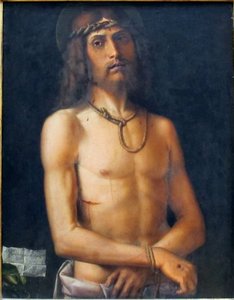
bartolomeo montagna
1450 - 1523 , Italy
プロフィール概要
- Artistic Movement Or Style: Renaissance
- Artists Or Movements Influenced By This Artist: ['Mantegna']
- Artists Who Influenced This Artist: ['Giovanni Bellini']
- Date Of Birth: Vicenza, Italy (1450)
- Full Name: Bartolomeo Montagna
- Nationality: Italian
- Notable Artworks:
- Saint Justina of Padua
- Madonna and Child
- Place Of Birth: Vicenza