

 プレビュー
プレビュー
 プリントを購入
 シェアする
シェアする シェアする
シェアする
 詳細を見る
詳細を見る

 ダウンロード
 似ている作品
 X線調査
X線調査 スライドショー
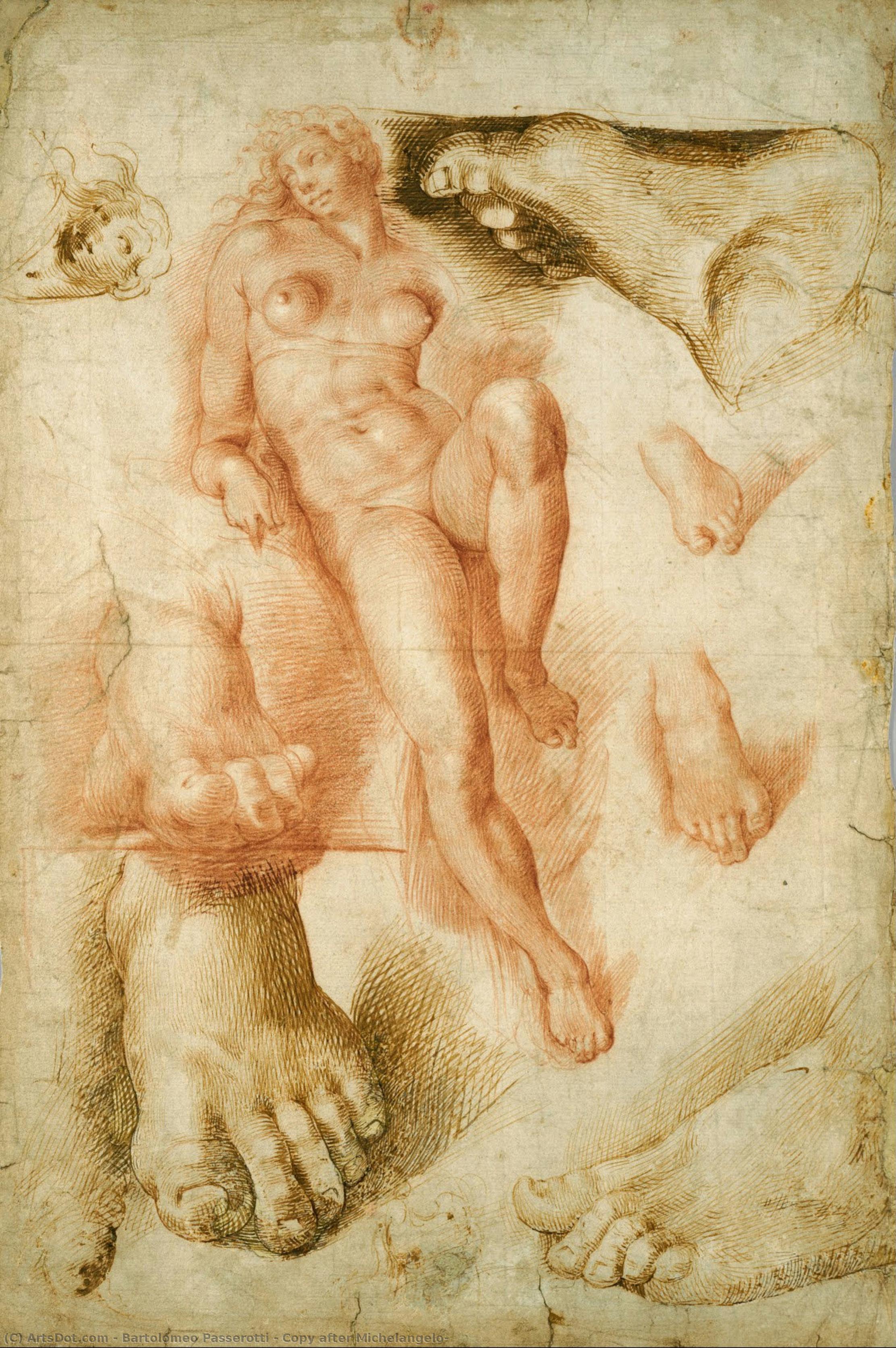
Copy after Michelangelo


 詳細を見る
詳細を見る




P118B $10

P118H $10

P118W $10

P438Z $10

P508JH $12

P508YH $12

P805H $10

P805Z $10

P919BZ $10

P919G $10

P919XJ $10

P959ZH $10

P968JZ $12

W106C $8

W218G $10

W218JH $8

W218Y $10

W307PJ $10

W316G $10

W316PJ $8

W316Y $10

W398PJ $8

W4111J $10

W500HY $15

W500JH $15

W692G $12

W849H $8

W940BG $15

W953PJ $8




作品のオリジナル比率に合わせた、当店の規定サイズからお選びください。

特定のフレームやスペースに合わせて、ご希望のサイズをご入力いただけます。選択されたサイズが元の画像の比率と異なる場合、アートワークをトリミングするか、手描きで要素を追加して絵画を拡張いたします。デジタルモックアップ を制作し、制作開始前にご確認(承認)をいただきます。
画面上のプレビューは、実際のトリミングや拡張を正確に反映しているものではありません。最終的な構図は、モックアップによってのみ正確にご確認いただけます。
カスタムサイズもご利用いただけますが、元の比率を維持するためには、あらかじめ用意されたリストからサイズを選択することをお勧めいたします。
ご注文後、ArtsDot.com チームより詳細な指示をお送りするとともに、仕上がりイメージ(モックアップ)をご提供いたします。


 ガラスオプションは、110cm未満のサイズでのみご利用いただけます。

Copy after Michelangelo
複製技法
複製画のサイズ
-


合計金額
$ 263
作品解説
A Masterful Echo of the Renaissance
In this evocative drawing, titled Copy after Michelangelo, we find ourselves transported to the heart of the sixteenth century, where the shadows of the High Renaissance meet the burgeoning complexity of Mannerism. Created around 1550 by the Bolognese master Bartolomeo Passariente (Passarotti), this work serves as a profound dialogue between generations. The composition centers on a striking female figure, seated with a raw, grounded presence that commands the viewer's immediate attention. Her posture, legs spread wide in a moment of uninhibited vulnerability or perhaps primal strength, anchors a scene teeming with life and movement. As she sits amidst a constellation of surrounding figures, the piece captures a sense of orchestrated chaos, where every limb and gesture contributes to a larger, rhythmic dance of form.
The technique employed here reflects the meticulous discipline of Passarotti’s Roman training. Under the influence of masters like Taddeo Zuccari, the artist utilizes line and shadow to sculpt bodies that feel both ethereal and tangibly heavy. The interplay of light across the central figure's skin creates a luminous quality, drawing the eye through the swirling arrangement of secondary characters. Subtle details, such as the delicate presence of birds fluttering near the periphery, introduce an element of nature’s fleeting grace, contrasting with the monumental, almost sculptural weight of the human forms. This mastery of line work ensures that even in a monochromatic or limited palette, the emotional depth of the scene remains strikingly vivid.
Symbolism and the Mannerist Spirit
To gaze upon this work is to witness the transition from the balanced ideals of the Renaissance to the expressive tension of Mannerism. The arrangement of figures—scattered, overlapping, and captured in various states of repose or motion—suggests a world that is no longer static, but fluid and psychologically complex. The central woman acts as an axis mundi, a focal point around which the drama of the composition revolves. Her nudity and grounded stance may symbolize a return to primordial truths, stripped of artifice, echoing the classical themes that Passarotti so deeply admired in the works of Michelangelo. The birds, often symbols of the soul or the ephemeral nature of life, add a layer of allegorical depth, inviting collectors to contemplate the fleeting beauty of the human condition.
For the discerning collector or interior designer, this piece offers more than mere decoration; it provides a window into an era of profound intellectual and artistic transformation. The drawing’s ability to evoke both intimacy and grandeur makes it a versatile centerpiece for a sophisticated gallery wall or a stately study. Its historical resonance—as a tribute to the divine Michelangelo—lends an air of academic prestige to any space, while its fluid, emotive energy provides a much-needed focal point in modern, minimalist environments. Owning a high-quality reproduction of such a work is an invitation to live amongst the echoes of greatness, surrounding oneself with the enduring power of classical mastery.
関連作品
アーティストの略歴
The Bolognese Master of Mannerist Splendor
In the vibrant, shifting landscape of the late sixteenth century, few artists captured the transition from the structured elegance of the High Renaissance to the dramatic intensity of the Baroque as skillfully as Bartolomeo Passarotti. Born in Bologna in 1529, Passarotti emerged not merely as a painter, but as a pivotal bridge between eras. His early years were defined by a profound immersion in the Roman art scene, where between 1550 and 1555, he sought the guidance of masters such as Giacomo Barozzi da Vignola and Taddeo Zuccari. This period of Roman training was transformative; it instilled in him a deep reverence for classical antiquity and the humanist principles of anatomical precision and balanced composition, even as he began to experiment with the more elongated and complex forms that would define the Mannerist movement.
Upon his return to his native Bologna, Passarotti did not merely settle into local practice; he established a formidable artistic powerhouse. His studio became a crucible of innovation, attracting a generation of talent that would eventually reshape European art. Among his most notable pupils were Agostino Carracci, Lucio Massari, and Francesco Brizzi—artists who would carry the seeds of his stylistic experimentation into the burgeoning Baroque era. This legacy of mentorship ensured that Passarotti’s influence extended far beyond the walls of his own workshop, as his approach to light, texture, and subject matter permeated the very fabric of the Bolognese school.
A Tapestry of Genre and Drama
Passarotti’s oeuvre is celebrated for its remarkable versatility, ranging from the divine to the deeply terrestrial. He possessed a unique ability to navigate between grand religious altarpiements and intimate, often gritty, genre scenes. His work often features a striking use of chiaroscuro, utilizing stark contrasts between light and shadow to imbue his subjects with a sense of psychological depth and physical presence. This technique, which prefigured the dramatic lighting later perfected by Caravaggio, allowed him to breathe life into both mythological figures and everyday laborers.
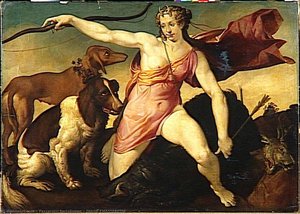
In his genre paintings, Passarotti displayed an extraordinary eye for detail and a fascination with the textures of daily existence. Works such as The Butcher's Shop (1580) serve as captivating windows into the late Renaissance world, showcasing a masterful command of warm tones and a realistic depiction of communal life. Similarly, his ability to render the divine is evident in pieces like Diane Chasseresse, where the Roman goddess of the hunt is captured with a dynamic, muscular grace that embodies the very essence of Mannerist energy. Whether depicting the quiet solitude of a Lute Player or the solemnity of religious devotion, his brushwork consistently sought to capture the fleeting tension between the ideal and the real.
Legacy and Historical Significance
While history sometimes overlooks Passarotti in favor of more revolutionary figures like Michelangelo, his importance to the evolution of Italian art is undeniable. He was a master of transition, an artist who understood how to honor the classical past while simultaneously preparing the ground for the emotional turbulence of the next century. His later works, influenced by Tuscan models such as Giorgio Vasari and Prospero Fontana, demonstrate a continuous evolution and an enduring curiosity about the changing tides of aesthetic taste.
The historical significance of Bartolomeo Passarotti lies in his role as a foundational figure for the Carracci Academy and the broader Bolognese tradition. His life’s work—a blend of meticulous anatomical study, dramatic lighting, and a profound interest in the human condition—remains a testament to the enduring power of Mannerism. Through his studio, his pupils, and his evocative canvases, Passarotti ensured that the spirit of Bologna would remain at the heart of the European artistic dialogue for generations to come.
bartolomeo passerotti
1529 - 1592
基本情報
- Artistic Movement Or Style: Mannerism
- Artists Or Movements Influenced By This Artist: ['Giorgio Vasari']
- Artists Who Influenced This Artist: ['Taddei Zuccaro']
- Date Of Birth: 1529
- Date Of Death: 1592
- Full Name: Bartolomeo Passarotti
- Nationality: Italian
- Notable Artworks:
- The Butcher's Shop
- Lute Player
- Portrait of an Unknown Soldier in Armour
- Place Of Birth: Bologna
関連記事
ミケランジェロ傑作25選:美術史を彩る巨匠の魂と革新 - ArtsDot
ミケランジェロの傑作25選。ルネサンスを代表する芸術家の魂が宿る絵画、彫刻の世界へ。ダビデ像やピエタなど、美術史に残る名作の物語と技法を紐解きます。ArtsDotで高品質な複製画とインテリアアートを見つけましょう。

The Nuances of Graphite: Exploring Emotional Depth & Technical Mastery in Pencil Drawing
Explore the captivating world of graphite drawing! Discover its rich history, master essential techniques like chiaroscuro, and learn how artists evoke emotion through this timeless medium. Expert insights for art enthusiasts.
Michelangelo Buonarroti: A Renaissance Titan – Life, Works & Enduring Legacy
Explore the life, works & enduring legacy of Michelangelo Buonarroti, a Renaissance titan. Discover his iconic sculptures, frescoes, and architectural achievements. Expert art consultation & high-quality reproductions at ArtsDot.
大英博物館の至宝25選:歴史と芸術が織りなす感動の旅 | ArtsDot
大英博物館の至宝25選:歴史を彩る絵画、彫刻の世界へ。印象派から古代美術まで、名作の背景と芸術家の情熱に迫ります。ArtsDotで高品質なアート複製やインテリアをお楽しみください。オンラインで全コレクションをご覧ください。

ウフィツィ美術館の至宝25選:ルネサンス巨匠たちの傑作とアートデコレーション
ウフィツィ美術館の至宝25選:ボッティチェリ、レオナルド・ダ・ヴィンチ…ルネサンス巨匠たちの傑作と感動的な物語を紐解きます。高品質な絵画複製やアートプリントで、お部屋に名画の輝きを。ArtsDot.comで芸術の世界へ。

