

 プレビュー
プレビュー
 プリントを購入
 シェアする
シェアする シェアする
シェアする
 詳細を見る
詳細を見る

 ダウンロード
 似ている作品
 X線調査
X線調査 スライドショー
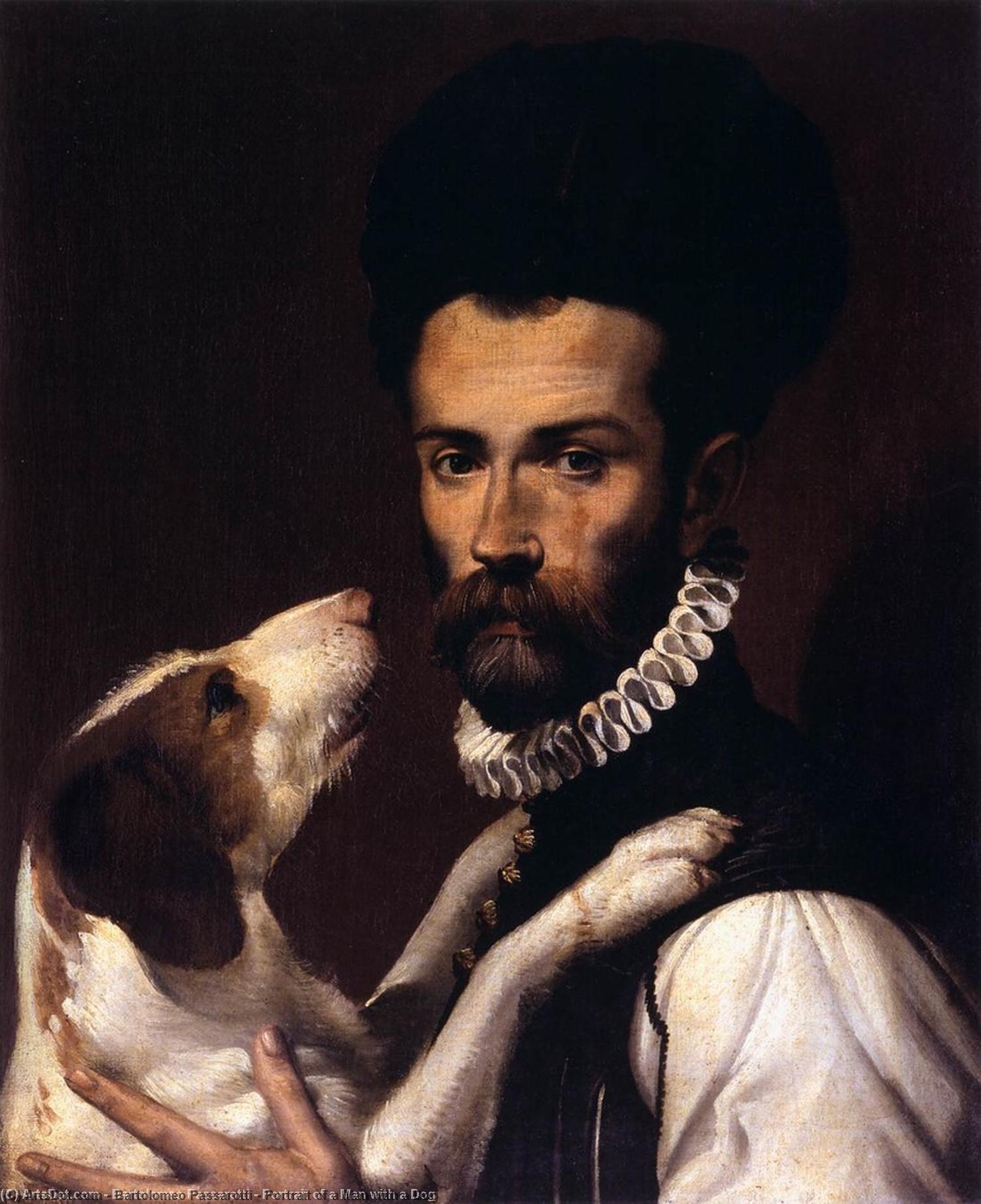
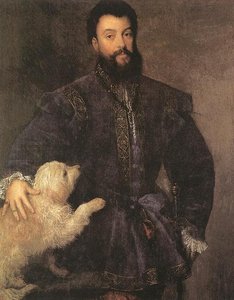
Portrait of a Man with a Dog


 詳細を見る
詳細を見る
オンラインプレビューをはるかに凌ぐ、高解像度で鮮明なデジタル画像をご購入いただけます。
各ファイルは、社内の専門家が高度なツールと熟練した手作業によるレタッチを用いて、細心の注意を払って準備されています。すべての画像において、卓越した鮮明度、正確な色彩再現性、そして繊細なディテールを保証いたします。
最終ファイルは、プロフェッショナルな編集・印刷環境ですぐにご利用いただけるよう最適化された状態で、72時間以内にメールにてお届けいたします。これは、一流のデザインスタジオ、出版社、ギャラリーから信頼されているものと同等の品質です。
デジタル画像のご注文に付随する特典
高品質なデジタル画像配信を、確かな品質で。
ArtsDot.com を選ぶことは、単に画像を手に入れることではありません。それは、プロの手によって精密に仕上げられ、満足保証が付いた高品質なデジタルアートワークを受け取ることを意味します。ご注文いただいた際に自動的に付随する内容は、以下の通りです:

メールですぐにお届け
ご注文から72時間以内に、高解像度のデジタル画像ファイルがメールでお手元に届きます。すぐにそのままご利用いただけます。

AI技術で最適化されたデジタルファイル
お客様の作品は、高度なAIツールと専門家による手作業の編集を組み合わせてプロフェッショナルに最適化されており、細部のディテール、鮮明さ、そして正確な色再現性を最大限に引き出しています。

一生涯無料の再送サービス
ファイルを誤って削除したり、紛失してしまったりしましたか?ご安心ください。いつでも無料で再送いたします。

輸入手数料は一切かかりません
関税や手数料、配送料を気にすることなく、お気に入りのアートワークをすぐにお楽しみいただけます。デジタルダウンロードは常に免税です。

色彩再現の保証
プロ仕様のツールとカラーマネジメント技術を用いることで、デジタル画像が元の色を最大限に忠実に再現することを保証いたします。

60日間満足保証
ご購入いただいたデジタル画像にご満足いただけない場合は、60日以内であれば、修正または100%の返金(理由を問う必要はありません)をさせていただきます。

100% 返金保証
ご満足いただけない場合は、デジタルファイルを受け取ってから60日以内であれば、理由を問わず全額返金いたします。

まとめ買い割引
3枚購入で10%OFF - 5枚購入で15%OFF - 10枚以上購入で20%OFF。クリエイティブなプロジェクト、ギャラリー、エージェンシーに最適です。
作品の詳細
A Tender Encounter in Mannerist Mastery
In the intimate realm of late sixteenth-century portraiture, few works capture the quiet, profound connection between human and animal as poignantly as Bartolomeo Passarotti’s Portrait of a Man with a Dog. Painted around 1585, this masterpiece serves as a window into the soul of the Mannerist era, moving beyond mere documentation to offer a deeply emotive study of companionship. The composition centers on a bearded man, whose dignified presence is framed by the soft, upward gaze of his canine companion. There is an undeniable warmth in the way the dog looks toward its master, creating a closed loop of affection that draws the viewer into their private world. This is not merely a portrait of status, but a celebration of the silent, unbreakable bonds that define the sentient experience.
The technical prowess of Passarotti shines through in the meticulous attention to texture and light. As a master of the Bolognese school, Passarotti employs a sophisticated palette where deep, resonant reds provide a dramatic backdrop, lending depth and a sense of theatricality to the scene. The man’s attire, suggestive of the opulent fashions of the 16th century, is rendered with such precision that one can almost feel the weight of the fabric and the intricate detail of his collar. The interplay of light across the man's weathered features and the soft fur of the dog demonstrates a command of chiaroscuro that breathes life into the canvas, making the subjects appear to emerge from the shadows into the present moment.
Symbolism and the Legacy of Passarotti
Beyond its aesthetic beauty, the painting is rich with the symbolic language characteristic of the Mannerist period. The presence of the dog is a classic motif in European portraiture, often symbolizing fidelity, loyalty, and watchfulness. By placing the animal so close to the man, Passar_otti elevates the theme of constancy, suggesting that the subject possesses these same noble virtues. The subtle tension between the man's composed, almost stoic expression and the dog's vulnerable, yearning gaze creates a psychological complexity that invites endless contemplation. It is a work that speaks to the timelessness of devotion, making it as relevant to a modern audience as it was to the patrons of 1585.
For the discerning collector or interior designer, this piece offers more than just visual splendor; it provides a narrative anchor for a sophisticated space. Whether placed in a library filled with classical literature or as a focal point in a contemporary gallery-style living room, the painting brings an air of historical gravity and emotional depth. A high-quality reproduction of this work allows one to possess a fragment of the Italian Renaissance spirit, offering a touch of scholarly elegance and a soulful connection to the golden age of Bolognese art. It is an investment in atmosphere, bringing the quiet dignity of Passarotti’s vision into the heart of the modern home.
関連作品

作家の略歴
The Bolognese Master of Mannerist Splendor
In the vibrant, shifting landscape of the late sixteenth century, few artists captured the transition from the structured elegance of the High Renaissance to the dramatic intensity of the Baroque as skillfully as Bartolomeo Passarotti. Born in Bologna in 1529, Passarotti emerged not merely as a painter, but as a pivotal bridge between eras. His early years were defined by a profound immersion in the Roman art scene, where between 1550 and 1555, he sought the guidance of masters such as Giacomo Barozzi da Vignola and Taddeo Zuccari. This period of Roman training was transformative; it instilled in him a deep reverence for classical antiquity and the humanist principles of anatomical precision and balanced composition, even as he began to experiment with the more elongated and complex forms that would define the Mannerist movement.
Upon his return to his native Bologna, Passarotti did not merely settle into local practice; he established a formidable artistic powerhouse. His studio became a crucible of innovation, attracting a generation of talent that would eventually reshape European art. Among his most notable pupils were Agostino Carracci, Lucio Massari, and Francesco Brizzi—artists who would carry the seeds of his stylistic experimentation into the burgeoning Baroque era. This legacy of mentorship ensured that Passarotti’s influence extended far beyond the walls of his own workshop, as his approach to light, texture, and subject matter permeated the very fabric of the Bolognese school.
A Tapestry of Genre and Drama
Passarotti’s oeuvre is celebrated for its remarkable versatility, ranging from the divine to the deeply terrestrial. He possessed a unique ability to navigate between grand religious altarpiements and intimate, often gritty, genre scenes. His work often features a striking use of chiaroscuro, utilizing stark contrasts between light and shadow to imbue his subjects with a sense of psychological depth and physical presence. This technique, which prefigured the dramatic lighting later perfected by Caravaggio, allowed him to breathe life into both mythological figures and everyday laborers.
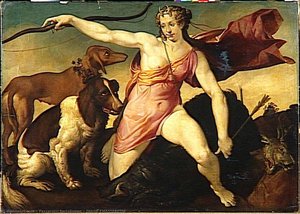
In his genre paintings, Passarotti displayed an extraordinary eye for detail and a fascination with the textures of daily existence. Works such as The Butcher's Shop (1580) serve as captivating windows into the late Renaissance world, showcasing a masterful command of warm tones and a realistic depiction of communal life. Similarly, his ability to render the divine is evident in pieces like Diane Chasseresse, where the Roman goddess of the hunt is captured with a dynamic, muscular grace that embodies the very essence of Mannerist energy. Whether depicting the quiet solitude of a Lute Player or the solemnity of religious devotion, his brushwork consistently sought to capture the fleeting tension between the ideal and the real.
Legacy and Historical Significance
While history sometimes overlooks Passarotti in favor of more revolutionary figures like Michelangelo, his importance to the evolution of Italian art is undeniable. He was a master of transition, an artist who understood how to honor the classical past while simultaneously preparing the ground for the emotional turbulence of the next century. His later works, influenced by Tuscan models such as Giorgio Vasari and Prospero Fontana, demonstrate a continuous evolution and an enduring curiosity about the changing tides of aesthetic taste.
The historical significance of Bartolomeo Passarotti lies in his role as a foundational figure for the Carracci Academy and the broader Bolognese tradition. His life’s work—a blend of meticulous anatomical study, dramatic lighting, and a profound interest in the human condition—remains a testament to the enduring power of Mannerism. Through his studio, his pupils, and his evocative canvases, Passarotti ensured that the spirit of Bologna would remain at the heart of the European artistic dialogue for generations to come.
bartolomeo passerotti
1529 - 1592
プロフィール概要
- Artistic Movement Or Style: Mannerism
- Artists Or Movements Influenced By This Artist: ['Giorgio Vasari']
- Artists Who Influenced This Artist: ['Taddei Zuccaro']
- Date Of Birth: 1529
- Date Of Death: 1592
- Full Name: Bartolomeo Passarotti
- Nationality: Italian
- Notable Artworks:
- The Butcher's Shop
- Lute Player
- Portrait of an Unknown Soldier in Armour
- Place Of Birth: Bologna

