

 プレビュー
プレビュー
 シェアする
シェアする シェアする
シェアする
 詳細を見る
詳細を見る

 ダウンロード
 似ている作品
 X線調査
X線調査 スライドショー
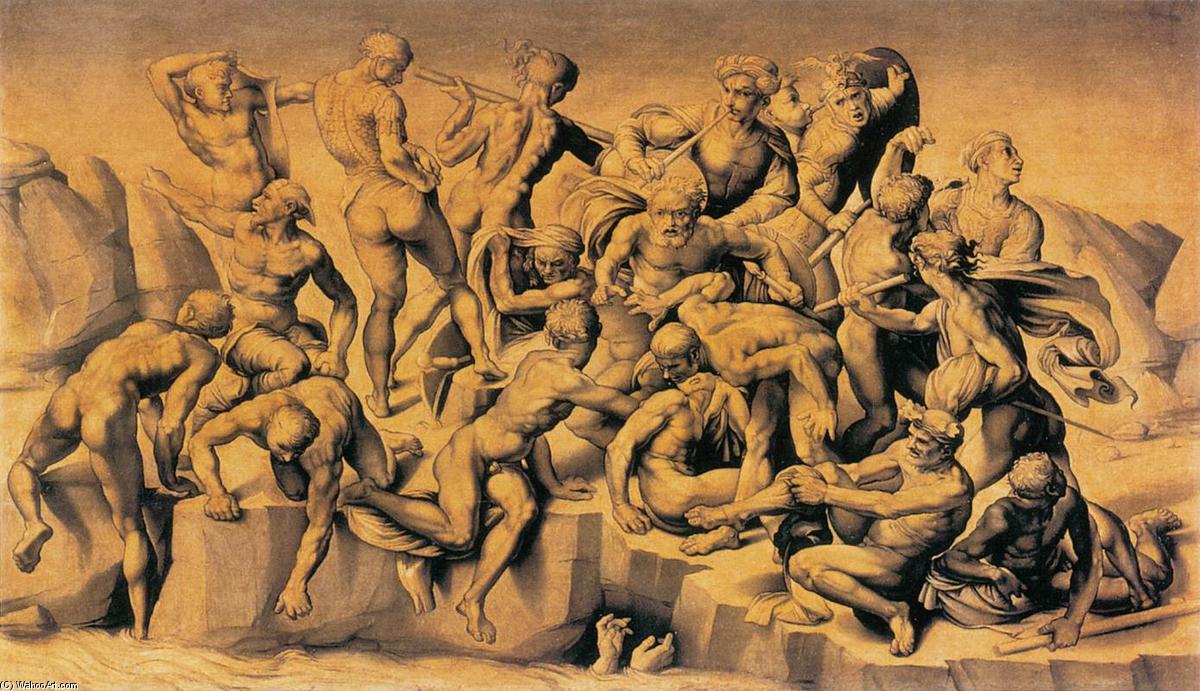
The Battle of Cascina
 1542
1542 77.0 x 130.0 cm
 Holkham Hall
 詳細を見る
詳細を見る
ジークレー/アートプリント
迅速な制作と多彩な仕上げオプションを備えた、ミュージアムクオリティのジークレーまたはキャンバスプリント。 ( 手描きの絵画を購入 画像を購入)




































作品のオリジナル比率に合わせた、当店の規定サイズからお選びください。

特定のフレームやスペースに合わせて、ご自身でサイズを指定することも可能です。選択されたサイズが元の画像の比率と一致しない場合、作品をトリミングするか、鏡面反射または単色での塗りつぶしによって画像を拡張いたします。制作を開始する前に、ご確認用のデジタルモックアップをお送りいたします。
画面上のプレビューには、実際のトリミングや拡張は反映されませんのでご注意ください。最終的な構図を正確に確認できるのは、モックアップのみとなります。
カスタムサイズも承っておりますが、元の比率を維持するためには、あらかじめ用意されたリストからサイズを選択することをお勧めいたします。


 ガラスオプションは、110cm未満のサイズでのみご利用いただけます。

The Battle of Cascina
ジークレー/アートプリント
複製画のサイズ
-


合計金額
$ 62
The Painting: A Vivid Depiction of Battle
The scene captures the intensity of a battle with numerous figures engaged in combat. The figures are depicted in various poses, some standing, others kneeling or lying down, all seemingly caught in the midst of action. Their attire and armor suggest a historical setting, possibly from the Renaissance period when such battles were common. The color palette is dominated by earth tones, with the figures' skin, armor, and clothing rendered in shades of brown, beige, and gray. The painting style is realistic, with meticulous attention to detail evident in the rendering of the figures' muscles, facial expressions, and the folds of their clothing. This level of detail suggests that the artist aimed to create a lifelike representation of the battle. For more information on Bastiano Da Sangallo and his works, visit /art/list/?Filter=bastiano+da+sangallo,bastiano,da,sangallo.- The painting is a prime example of Renaissance art, characterized by its use of perspective, anatomy, and realism.
- The artwork is also notable for its historical significance, depicting a battle that took place in 1364 between the Republic of Pisa and the Republic of Florence.
- For those interested in learning more about the Battle of Cascina, visit /art/list/?Filter=8XZUXZ-Bastiano-Da-Sangallo-The-Battle-of-Cascina for a detailed analysis of the painting.
For a deeper understanding of the artist and his works, visit Battle of Cascina for more information on Bastiano Da Sangallo.
関連作品

アーティストの略歴
Bastiano da Sangallo: The Aristotile of Renaissance Tuscany
Bastiano da Sangallo, often known as Aristotile, remains a captivating figure within the vibrant tapestry of 15th and 16th-century Italian art. Born in Florence around 1481, he emerged from a family deeply intertwined with the artistic currents of his time – a lineage that included the renowned architects Giuliano and Antonio da Sangallo the Elder, and the celebrated sculptor Francesco da Sangallo. His life was marked by a fascinating apprenticeship, a close association with Michelangelo, and a significant contribution to the architectural and decorative landscape of Tuscany, particularly in Florence and Siena.
Initially, Bastiano’s artistic journey began under the tutelage of Perugino, absorbing the master's refined style and understanding of perspective. However, it was his subsequent connection with Michelangelo that truly shaped his development. Michelangelo, a demanding but profoundly influential mentor, recognized in Bastiano a keen eye for detail and an aptitude for capturing the dynamism of human form – qualities that would become hallmarks of his own work. This association wasn’t merely instructional; it fostered a shared intellectual curiosity and a deep appreciation for classical ideals, which permeated Bastiano's subsequent designs.
A Sculptor, Painter, and Architect: A Multifaceted Talent
Bastiano da Sangallo was not confined to a single artistic discipline. He excelled as a sculptor, painter, and architect, demonstrating remarkable versatility within the Renaissance framework. His sculptural output, though perhaps less widely celebrated than his architectural achievements, reveals a subtle elegance and an ability to imbue stone with a sense of restrained power. Vasari’s writings mention Bastiano's involvement in creating a small copy of Michelangelo’s cartoon for “The Battle of Cascina,” a testament to his understanding of the master’s compositional techniques and his dedication to faithfully reproducing complex designs.
As an architect, Bastiano’s influence is particularly evident in his contributions to the Florentine skyline. He was involved in numerous projects, ranging from monastic complexes to elaborate palace facades. His work on the church of S. Biagio at Montepulciano stands as a prime example of his architectural prowess – a harmonious blend of classical proportions and Renaissance innovation. The design echoes elements seen in Bramante’s St. Peter's Basilica, showcasing Bastiano’s awareness of contemporary trends while maintaining a distinctly Tuscan sensibility.
Collaboration with Michelangelo and the Florentine Scene
Bastiano’s association with Michelangelo was not merely professional; it represented a crucial exchange of ideas within the artistic community of Florence. Michelangelo's influence extended beyond technical instruction, shaping Bastiano’s approach to design and his understanding of human anatomy. This connection is further underscored by Vasari’s account of Bastiano’s work on the “Battle of Cascina” cartoon – a direct engagement with one of Michelangelo’s most celebrated creations.
Beyond his relationship with Michelangelo, Bastiano was an active participant in the vibrant artistic scene of Florence. He worked for prominent patrons, including members of the Medici family and various religious institutions. His designs graced churches, palaces, and monasteries throughout Tuscany, contributing to the city’s rich architectural heritage.
Legacy and Historical Significance
Bastiano da Sangallo's legacy is one of quiet sophistication and understated elegance. He wasn’t a flamboyant innovator like Michelangelo or Bramante, but rather a skilled craftsman who consistently delivered high-quality work within the established conventions of the Renaissance. His architectural designs, characterized by their harmonious proportions and refined detailing, continue to resonate today.
While his name may not be as widely recognized as some of his contemporaries, Bastiano da Sangallo’s contributions to Florentine art and architecture are undeniable. He represents a vital link in the chain of artistic transmission, carrying forward the ideals of the Renaissance while forging his own distinctive style. His work serves as a reminder that even within a period dominated by towering figures, countless artists quietly shaped the cultural landscape with their skill, dedication, and profound understanding of beauty.
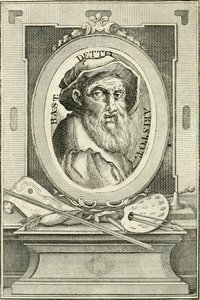
Bastiano da Sangallo
1481 - 1551 , Italy
基本情報
- Artistic Movement Or Style: Renaissance
- Artists Or Movements Influenced By This Artist: ['Michelangelo']
- Artists Who Influenced This Artist:
- Michelangelo
- Perugino
- Date Of Birth: 1481 Florence, Italy
- Date Of Death: 1551 Florence, Italy
- Full Name: Bastiano da Sangallo
- Nationality: Italian
- Notable Artworks:
- Battle of Cascina (cartoon)
- Various architectural designs
- Place Of Birth: Florence, Italy

