

 プレビュー
プレビュー
 シェアする
シェアする シェアする
シェアする
 詳細を見る
詳細を見る

 ダウンロード
 似ている作品
 X線調査
X線調査 スライドショー
 統計情報
統計情報Maternity


 詳細を見る
詳細を見る
ジークレー/アートプリント
迅速な制作と多彩な仕上げオプションを備えた、ミュージアムクオリティのジークレーまたはキャンバスプリント。 ( 手描きの絵画を購入 デジタル画像販売へ切り替え)




































作品のオリジナル比率に合わせた、当店の規定サイズからお選びください。

特定のフレームやスペースに合わせて、ご自身でサイズを指定することも可能です。選択されたサイズが元の画像の比率と一致しない場合、作品をトリミングするか、鏡面反射または単色での塗りつぶしによって画像を拡張いたします。制作を開始する前に、ご確認用のデジタルモックアップをお送りいたします。
画面上のプレビューには、実際のトリミングや拡張は反映されませんのでご注意ください。最終的な構図を正確に確認できるのは、モックアップのみとなります。
カスタムサイズも承っておりますが、元の比率を維持するためには、あらかじめ用意されたリストからサイズを選択することをお勧めいたします。


 ガラスオプションは、110cm未満のサイズでのみご利用いただけます。

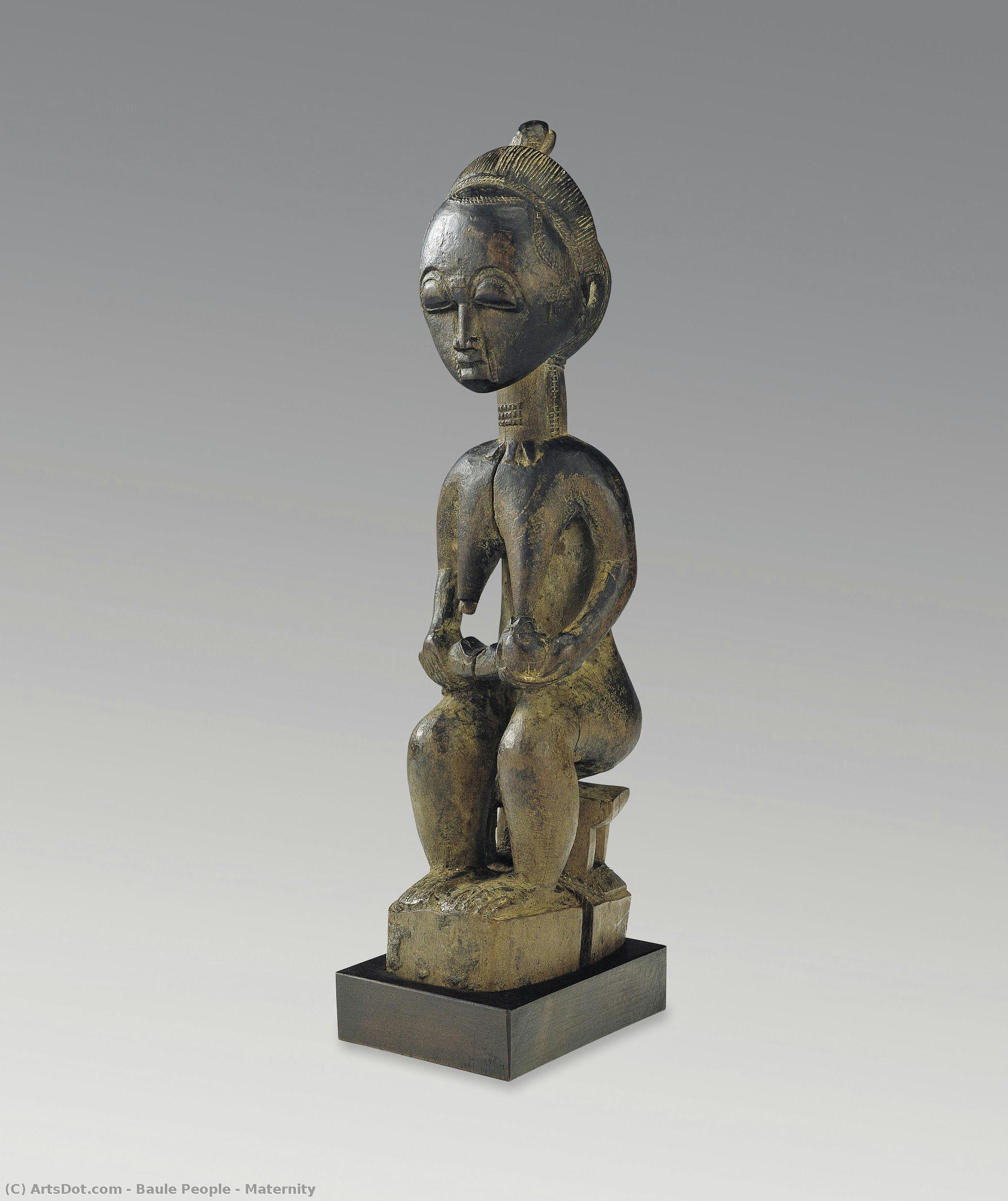
Maternity
ジークレー/アートプリント
複製画のサイズ
-


合計金額
$ 62
関連作品
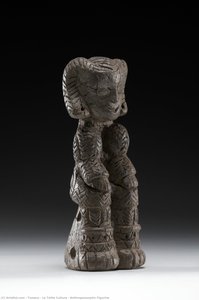
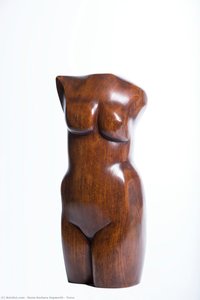
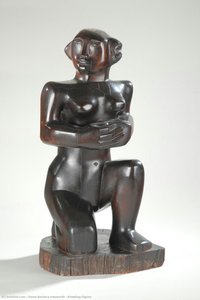

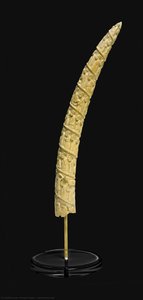
アーティストの略歴
A Legacy of Masks and Spiritual Symbolism
The Baule people, hailing from the heart of central Ivory Coast in West Africa, possess one of the most prolific and sophisticated sculptural traditions on the continent. Their artistic heritage is not merely a collection of objects but a profound visual language deeply intertwined with religious beliefs, primarily centered around ancestor worship and a complex cosmology that governs every facet of daily life. This creative lineage stretches back centuries, shaped by the historic migrations from Ghana and enduring interactions with various external powers. The resulting art reflects a resilient culture that has successfully preserved its distinct identity through periods of significant social change.
< p>According to oral tradition, the Baule people originated in Ghana before embarking on a monumental westward migration around 1730. Led by the legendary Queen Abla Pokou, this journey was driven by necessity as they sought to cross the Komoe River, a perilous trek that ultimately cemented their identity as a unified and determined people. This movement profoundly influenced Baule social organization, fostering a decentralized governance system that prioritizes communal harmony. As they settled in the fertile region between the Bandama and N'Zi rivers—a territory often described as the Baoule “V”—their unique cultural practices and artistic styles began to flourish, creating a distinct aesthetic footprint in West Africa.The Soul in the Wood: Forms and Symbolism
Baule sculpture is celebrated for its remarkable diversity and technical mastery, ranging from monumental statues that honor ancestors to exquisitely detailed masks used in sacred ceremonial rituals. Most of these works are meticulously carved from hardwood, often adorned with intricate geometric patterns and stylized representations of both human and animal forms. Every motif carries a profound symbolic weight, acting as a bridge between the physical world and the spirit realm. The artistry is characterized by a delicate balance of realism and abstraction, where the beauty of the carving serves to honor the spiritual essence within.
A fascinating aspect of Baule sculpture lies in its representation of the unseen. Statuettes often depict asie usu, or spirits of the forest, alongside blolo bian and blolo bla, known as the “spouses of the afterlife.” While these forest spirits are sometimes described as fearsome, artists frequently render them with beautiful, serene features in an attempt to appease their potential wrath. Similarly, the figures representing spirit spouses are sculpted with great care; because the Baule believe that individuals abandon their otherworldly partners at birth, these figurines are crafted exactly as the spouse wishes to be seen. This practice is intended to prevent spiritual grievances that might manifest as illness or misfortune, making the art a vital tool for maintaining cosmic balance.
Ritual Performance and Cultural Significance
The true vitality of Baule art is perhaps most visible during the Goli festival, a centerpiece of ritual performance and communal expression. During these celebrations, masks become living entities, embodying spiritual power and conveying ancestral narratives through dance and movement. The Kple Kple zoomorphic masks and other iconic facial carvings are not merely static museum pieces but active participants in the social fabric, used to communicate with the divine and reinforce the lineage of the community. Through these performances, the Bauet people ensure that their history and spiritual values remain vibrant and accessible to each new generation.
The historical significance of Baule art extends far beyond its original ritual context. The meticulous attention to detail, such as the elongated breasts in maternity figures symbolizing the importance of breastfeeding, and the use of stools to denote high social status, provides a window into the values of a society that prizes fertility, lineage, and hierarchy. Today, this enduring legacy continues to inspire scholars and contemporary artists worldwide, standing as a testament to the power of art to preserve the soul of a people.
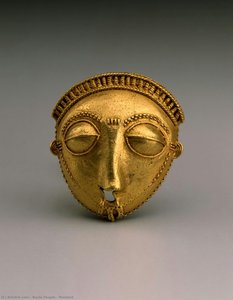
baule people
Ivory Coast
基本情報
- Artistic Movement Or Style: Traditional African Art
- Full Name: Baule People
- Nationality: African
- Notable Artworks:
- Masks
- Sculptures
- Place Of Birth: Ivory Coast
関連記事

The Enduring Form: Sculpture Across History, Technique & Emotional Resonance
Explore the rich history of sculpture with ArtsDot. Discover key techniques, influential artists & investment potential for discerning collectors. Expert insights into valuing and collecting timeless masterpieces.

The Enduring Form: Exploring Themes & Techniques in Sculpture Across Historical Periods
Explore the rich history of sculpture from ancient masterpieces to contemporary innovations. Discover key techniques, influential artists & investment potential for discerning art collectors.

Bronze Sculptures That Defined Art History | ArtsDot
Journey through art history with our Top 10 bronze sculptures! Explore masterpieces by Rodin, Michelangelo & more. Discover stories behind iconic statues and find museum-quality reproductions for your home decor at ArtsDot.com.
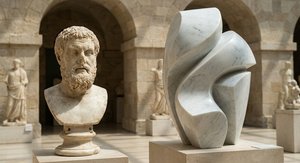
The Enduring Allure of Marble in Art History: From Classical Sculpture to Modern Abstraction
Explore the captivating history of marble sculpture from ancient Greece to modern art. Discover renowned artists like Canova & Michelangelo, carving techniques, and investment insights at ArtsDot.

Bronze Age to Modern Masters: 10 Sculptures That Redefined Art | ArtsDot
Journey through art history with 10 legendary bronze sculptures – from Michelangelo's David to Rodin’s Thinker. Explore the stories, techniques & timeless beauty of these masterpieces. Find museum-quality reproductions & elevate your home decor on ArtsDot.com.