 プレビュー
プレビュー
 シェアする
シェアする シェアする
シェアする
 詳細を見る
詳細を見る

 ダウンロード
 似ている作品
 X線調査
X線調査 スライドショー
 Stats
StatsAugust 1956 (Val d'Orcia)


 詳細を見る
詳細を見る
ジークレー/アートプリント
迅速な制作と多彩な仕上げオプションを備えた、ミュージアムクオリティのジークレーまたはキャンバスプリント。 ( 手描きの絵画を購入 Switch to Digital Image)




P118B $10

P118H $10

P118W $10

P438Z $10

P508JH $12

P508YH $12

P805H $10

P805Z $10

P919BZ $10

P919G $10

P919XJ $10

P959ZH $10

P968JZ $12

W106C $8

W218G $10

W218JH $8

W218Y $10

W307PJ $10

W316G $10

W316PJ $8

W316Y $10

W398PJ $8

W4111J $10

W500HY $15

W500JH $15

W692G $12

W849H $8

W940BG $15

W953PJ $8




作品のオリジナル比率に合わせた、当店の規定サイズからお選びください。

特定のフレームやスペースに合わせて、ご自身でサイズを指定することも可能です。選択されたサイズが元の画像の比率と一致しない場合、作品をトリミングするか、鏡面反射または単色での塗りつぶしによって画像を拡張いたします。制作を開始する前に、ご確認用のデジタルモックアップをお送りいたします。
画面上のプレビューには、実際のトリミングや拡張は反映されませんのでご注意ください。最終的な構図を正確に確認できるのは、モックアップのみとなります。
カスタムサイズも承っておりますが、元の比率を維持するためには、あらかじめ用意されたリストからサイズを選択することをお勧めいたします。


 ガラスオプションは、110cm未満のサイズでのみご利用いただけます。

August 1956 (Val d'Orcia)
ジークレー/アートプリント
複製画のサイズ
-


合計金額
$ 62
A Fragmented Landscape: Unpacking the Essence of Nicholson’s “August 1956”
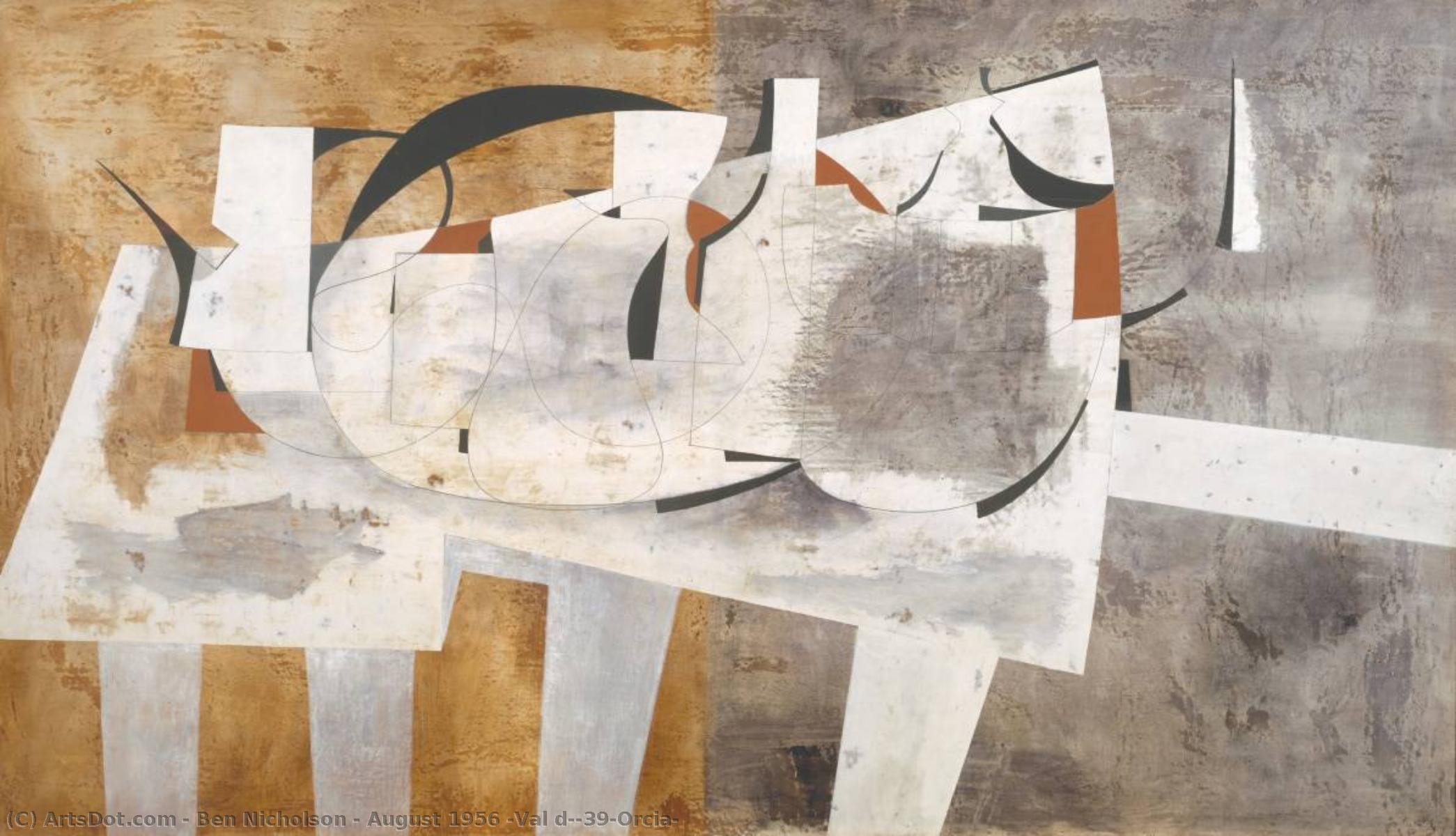
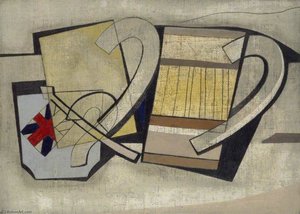
Ben Nicholson’s “August 1956 (Val d’Orcia)” isn't merely a depiction of a Tuscan hillside; it’s an invitation to contemplate the very nature of perception and memory. Painted in 1956, during a period of profound artistic exploration for the British painter, this work embodies his signature style – a masterful blend of geometric abstraction and subtle landscape suggestion. It’s a piece that rewards patient observation, revealing layers of meaning within its deceptively simple composition.
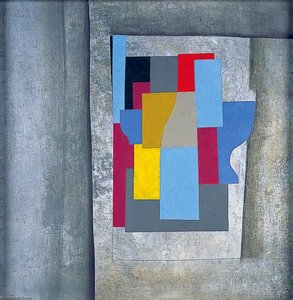
Nicholson, a key figure in the post-war British art scene, moved away from representational painting in the late 1920s, seeking to capture not what he *saw*, but rather the underlying structure and essence of his subjects. “August 1956” exemplifies this shift. The Val d’Orcia landscape is reduced to a series of interlocking planes and angular forms – rectangles, triangles, and subtly curved lines – arranged against a textured background that hints at earth tones and weathered stone. This isn't an attempt to recreate the scene photographically; instead, Nicholson uses these geometric elements as building blocks, suggesting the contours of hills, fields, and perhaps even the architecture of a distant village.
The Language of Geometry: Technique and Composition
The painting’s power lies in its carefully orchestrated composition. The dominant diagonal lines create a dynamic sense of movement, drawing the eye across the canvas and inviting exploration. Nicholson masterfully employs layering – shapes are partially obscured by others, creating depth and a feeling of spatial complexity without relying on traditional perspective. Notice how the lighter tones, strategically placed, act as highlights, defining forms and adding to the overall sense of dynamism. The texture itself is crucial; it’s achieved through a combination of impasto techniques—thickly applied paint—and subtle blending, creating a surface that feels both solid and ethereal.
Nicholson's technique reveals a deliberate control alongside moments of fluidity. Sharp, defined lines delineate the edges of shapes, while softer transitions suggest areas where colors merge. This interplay between precision and spontaneity contributes to the painting’s captivating quality. The use of muted earth tones—beige, grey, rusty orange—grounds the abstract forms in a tangible reality, evoking the rugged beauty of the Tuscan landscape.
Symbolism and Emotional Resonance
While undeniably abstract, “August 1956” resonates with deeper symbolic meanings. The fragmented nature of the composition can be interpreted as representing the breakdown of familiar structures – memory, experience, or even the very notion of a fixed reality. Nicholson’s work often explored themes of time and loss, and this painting certainly carries a sense of quiet contemplation and perhaps a touch of melancholy. The geometric forms themselves might symbolize order imposed upon chaos, or the inherent tension between structure and spontaneity.
Consider the title itself: “August 1956.” The specificity of the date anchors the abstract composition in a particular moment in time, suggesting that the painting is not simply about a landscape, but also about capturing a fleeting impression – a memory, perhaps, or a feeling associated with that specific August day. It’s a testament to Nicholson's ability to distill complex emotions and ideas into a powerfully evocative visual form.
A Legacy of Abstraction: Ben Nicholson and Beyond
Ben Nicholson’s “August 1956 (Val d’Orcia)” stands as a pivotal work in the development of British abstract art. Influenced by Cubism, Constructivism, and the pioneering work of artists like Mondrian, Nicholson developed his own distinctive style characterized by geometric forms, layered textures, and a profound exploration of perception. His legacy continues to inspire artists today, and reproductions of this captivating painting offer a window into the mind of one of Britain’s most important 20th-century painters.
関連作品
アーティストの略歴
ベン・ニコルソン OM:抽象芸術に捧げた生涯
- 生年: 1894年4月10日、イギリス、バッキンガムシャー州デンハム
- 没年: 1982年2月6日、イギリス、ロンドン
幼少期と芸術的研鑽
- ベン・ニコルソンの芸術への道は、まさに宿命的なものでした。父サー・ウィリアム・ニコルソンと母メイベル・プライド、共に優れた画家であった両親の存在が、幼い彼に芸術への深い審美眼を育みました。
- 彼の教育の歩みは、シーフォードのタイッテンハンガー・ロッジ予備校から始まり、ハンプステッドのヘドン・コート、そしてノーフォーク州ホルトのグレシャム校へと続きました。
- その後、ニコルソンはスレイド美術学校(1910-1911年)にて本格的な修行を開始します。そこにはポール・ナッシュやスタンレー・スペンサー、マーク・ガートラー、エドワード・ワズワースといった、後に名を馳せる芸術家たちが同時代人として集っていました。興味深い逸話として、この時期の彼はビリヤードに多くの時間を費やしていたといいます。彼はそのゲームの中に潜む幾何学的な美しさや動きの中に、後の作品に通じる芸術的な魅力を見出していたのかもしれません。
芸術的展開と受けた影響
- 初期の作品: ニコルソンの初期の試みは、父の影響を受けた写実的な静物画にありました。
- キュビスムの影響: 1926年頃、彼は抽象の世界へと足を踏み入れ始めます。そこには、パブロ・ピカソの作品やシンセティック・キュビスム(総合的キュビスム)から受けた強烈な影響がありました。
- 新造形主義とプリミティヴィズム: ピエト・モンドリアンとの出会いは彼に新造形主義を教え、一方でアンリ・ルソーとの遭遇は、原始的な様式への関心を呼び起こしました。これらの多様な潮流が、彼の芸術的指針を決定づける重要な要素となったのです。
- 主要な運動: ニコルソンは当時の重要な芸術運動の渦中にいました。自身が議長を務めた「セブン・アンド・ファイブ・ソサエティ」をはじめ、「ユニット・ワン」や「アブストラクション・クレアシオン」といったグループにおいて、その活動を広げました。
主要作品と芸術的スタイル
- レリーフ(浮き彫り): ニコルソンの名を最も高めたのは、1933年から始まった抽象的なレリーフ作品です。絵画と彫刻的要素を融合させたこれらの作品は、観る者に唯一無二の視覚体験をもたらしました。特に1930年代半ばに制作された「白いレリーフ」は、彼の最高傑作の一つとして数えられています。
- 静物画と風景画: 抽象表現で知られる一方で、彼は幾何学的な形態や落ち着いた色彩を用いた、説得力のある静物画や風景画も描き続けました。
- ニコルソン・ウォール: 公共芸術の傑作として、「ニコルソン・ウォール」が挙げられます。サリー州ギルフォードのサットン・プレイスの庭園のために制作されたこの壁画は、抽象芸術はより広い大衆に開かれたものであるべきだという彼の信念を象徴しています。
- 素材と技法: 彼は油彩や鉛筆、砂利、マゾナイトといった多種多様な素材を用い、それらを革新的な手法で組み合わせる実験を繰り返しました。
遺産と歴史的意義
- モダン・ブリティッシュ・アート: ベン・ニコルソンは、近代イギリス美術における極めて重要な人物として認められています。抽象表現の発展とレリーフ彫刻の進化に対し、彼は決定的な貢献を果たしました。
- 国際的な評価: 彼の作品は世界的な称賛を浴び、ヴェネツィア・ビエンナーレなどの権威ある舞台での展示や、世界中の主要美術館での回顧展が開催されました。その功績は、1968年の大英帝国勲章(Order of Merit)受章という栄誉にも結実しています。
- オークション記録: ニコルソンの作品は、その芸術的価値と歴史的重要性を反映し、オークションでも極めて高値で取引されています。例えば、「Sept 53 (Balearic)」は2011年にクリスティーズ・ニューヨークにて1,650,500ドルで落札され、「Fiddle and Spanish Guitar」は2012年にクリスティーズ・パリにて3,313,000ユーロという驚異的な価格を記録しました。
- 後世の芸術家への影響: 抽象化への革新的なアプローチ、そして形と空間に対する飽くなき探求は、時代を超えて世代を超えた芸術家たちに深いインスピレーションを与え続けています。
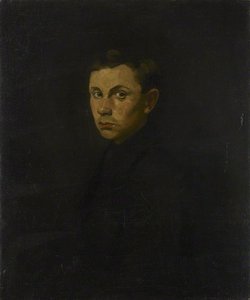
ベン・ニコロス
1894 - 1982 , イギリス
基本情報
- Artistic Movement Or Style:
- 抽象芸術
- キュビスム
- 構成主義
- Artists Who Influenced This Artist:
- アンリ・ルソー
- ピエト・モンドリアン
- パブロ・ピカソ
- セザンヌ
- Date Of Birth: 1894年4月10日
- Date Of Death: 1982年
- Full Name: ベン・ニコロソン OM
- Nationality: イギリス
- Notable Artworks:
- Sept 53 (Balearic)
- Fiddle and Spanish guitar
- 1946 (still life)
- Place Of Birth: イギリス、ロンドン
関連記事
抽象表現主義を定義する十大傑作:芸術と装飾の深遠な旅
抽象表現主義を定義する10の傑作。ポロック、ロスコら巨匠たちの情熱と色彩の世界へ。各作品に込められた物語と技法を紐解き、至高のアート体験を。ArtsDot.comで、ミュージアムクオリティの複製画や洗練されたインテリアアイデアを発見してください。

幾何学的抽象絵画を定義した傑作10選|アート、アーティスト、インテリア装飾
モンドリアン、マレーヴィチ…幾何学的抽象絵画を代表する傑作10選。各作品の背景や色彩構成、アーティストの情熱に迫ります。美術館品質の複製画はArtsDot.comで。オンラインでアートコレクションをご覧ください。
Kandinsky's Masterpieces: 25 Paintings That Define Abstract Art | ArtsDot
Journey through Wassily Kandinsky's 25 most iconic abstract paintings. Explore his revolutionary use of color, form & spiritual expressionism. Find museum-quality Kandinsky reproductions and elevate your home decor with ArtsDot.com. Discover all masterpieces on ArtsDot.com!

ロマン派ランドスケープ:時代を彩る巨匠の10選|アートとインテリアの世界
ロマン派絵画の時代を彩る10選。巨匠たちの風景が織りなす感動の世界へ。ターナー、ルーベンスなど、名作の裏話と高精細複製でアートをお部屋に。ArtsDot.comで至福のアート体験を。
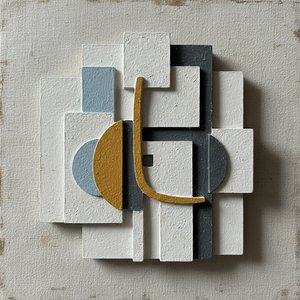
Ben Nicholson OM: Modernism's Abstract Pioneer & the Poetics of Relief
Explore the revolutionary abstract art of Ben Nicholson OM. Discover his geometric masterpieces, collaborations with Barbara Hepworth & investment potential. Expert insights for collectors.