 プレビュー
プレビュー
 シェアする
シェアする シェアする
シェアする
 詳細を見る
詳細を見る

 ダウンロード
 似ている作品
 X線調査
X線調査 スライドショー
 Stats
StatsカプテンS、アフガニスタン2012年後
 キャンバスにアクリル絵具
- ウォールアート
- Contemporary Realism
 2012
2012 210.0 x 230.0 cm
 オーストラリア戦争記念館
 詳細を見る
詳細を見る
手描き油彩複製画
当社のアーティストが、お客様のご希望のサイズと額縁に合わせて、キャンバスに手描きで制作する油彩画です。 ( Switch to Print Switch to Digital Image)




P118B $10

P118H $10

P118W $10

P438Z $10

P508JH $12

P508YH $12

P805H $10

P805Z $10

P919BZ $10

P919G $10

P919XJ $10

P959ZH $10

P968JZ $12

W106C $8

W218G $10

W218JH $8

W218Y $10

W307PJ $10

W316G $10

W316PJ $8

W316Y $10

W398PJ $8

W4111J $10

W500HY $15

W500JH $15

W692G $12

W849H $8

W940BG $15

W953PJ $8




作品のオリジナル比率に合わせた、当店の規定サイズからお選びください。

特定のフレームやスペースに合わせて、ご希望のサイズをご入力いただけます。選択されたサイズが元の画像の比率と異なる場合、アートワークをトリミングするか、手描きで要素を追加して絵画を拡張いたします。デジタルモックアップ を制作し、制作開始前にご確認(承認)をいただきます。
画面上のプレビューは、実際のトリミングや拡張を正確に反映しているものではありません。最終的な構図は、モックアップによってのみ正確にご確認いただけます。
カスタムサイズもご利用いただけますが、元の比率を維持するためには、あらかじめ用意されたリストからサイズを選択することをお勧めいたします。
ご注文後、ArtsDot.com チームより詳細な指示をお送りするとともに、仕上がりイメージ(モックアップ)をご提供いたします。


 ガラスオプションは、110cm未満のサイズでのみご利用いただけます。

カプテンS、アフガニスタン2012年後
複製技法
複製画のサイズ
-


合計金額
$ 263
ベン・クィリティの「カプテンS、アフガニスタン2012」について
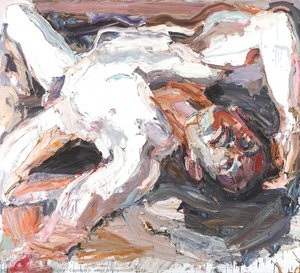
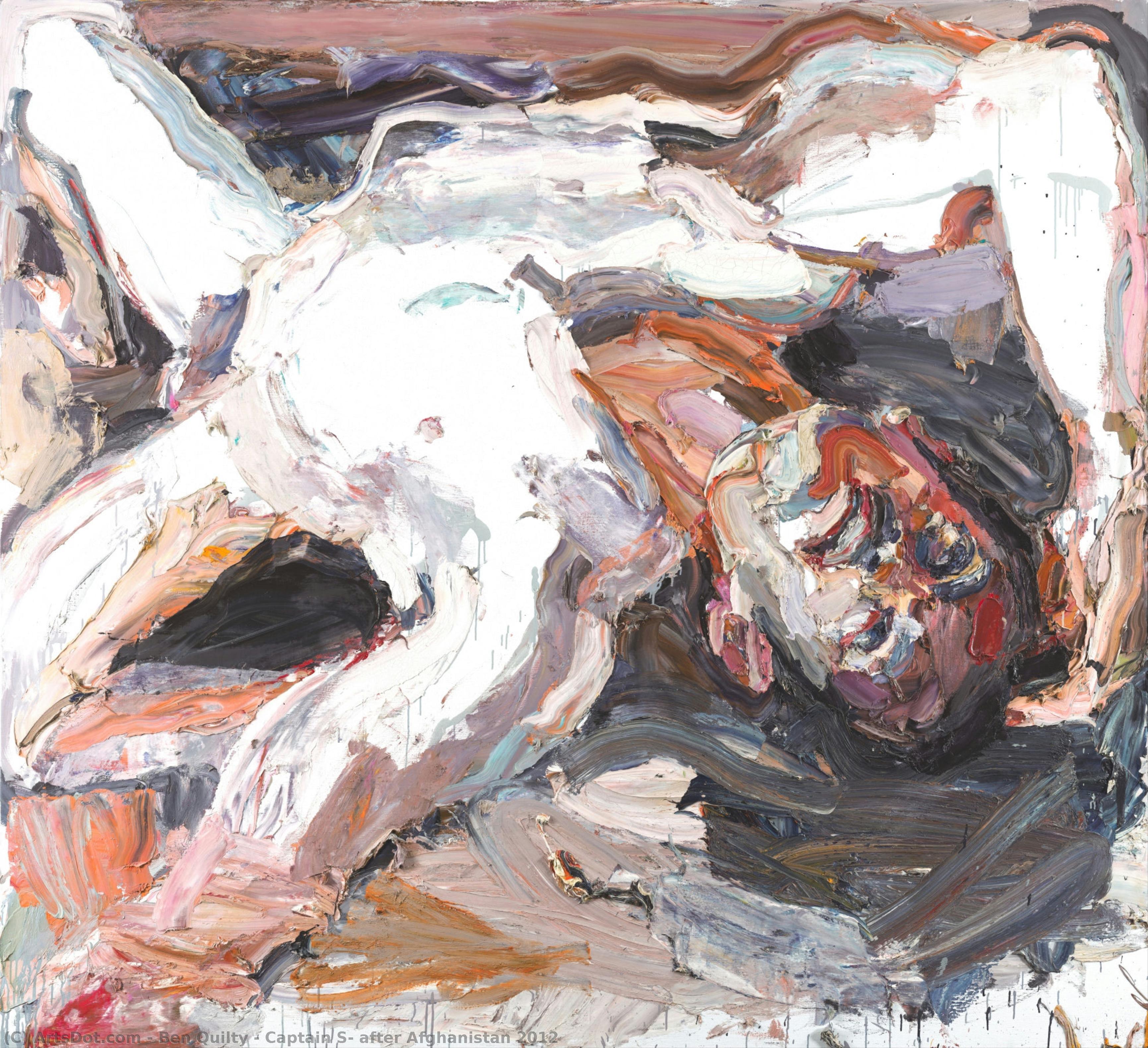
この作品は、オーストラリア軍隊員であるカプテンSのポートレートであり、ベン・クィリティによる印象的な絵画です。彼はオーストラリア軍事博物館が依頼したプロジェクトの一環として、アフガニスタンの戦場経験を記録し解釈するために、2011年にこの国へ派遣されました。彼の作品は、男性性の探求とアイデンティティの問題、そして戦争におけるトラウマといったテーマを扱っています。彼はアーチバルド賞の候補者として何度もノミネートされており、その卓越した芸術的才能は広く認められています。- 絵画の詳細:この作品は油絵で制作され、リネン画布に描かれています。サイズは広々とした210センチメートル×230センチメートルです。背景には他の人物がいますが、カプテンSの裸体像が中心的な焦点となっています。彼の姿勢は、彼はヘムランド地方で経験した特定の状況を反映しています。彼は戦闘中に敵から隠れながら、約18時間も銃撃戦にさらされました。同僚の兵士が脚を負傷しており、クィリティはアパッチ攻撃機からの支援を要請し、負傷した兵士の救出のためのヘリコプター着陸を可能にしました。
- アーティストの背景:ベン・クィリティはオーストラリア出身の画家で、彼の独特な絵画スタイルと社会的なテーマが特徴です。彼は1973年にシドニーで生まれました。彼はオーストラリア軍事博物館が依頼した公式戦争芸術プログラムの一環として、オーストラリア軍隊員を記録し解釈するために、2011年にアフガニスタンの戦場に派遣されました。彼の作品は男性性の探求とアイデンティティの問題、そして戦争におけるトラウマといったテーマを扱っています。彼はアーチバルド賞の候補者として何度もノミネートされており、その卓越した芸術的才能は広く認められています。
- 絵画のスタイルと技術:クィリティの絵画スタイルは非常に特徴的で、彼の作品は感情的な力強い表現がされています。彼はカプテンSを裸体で描き、人間の身体の強さと脆弱さを同時に示しています。これは戦争における人間の精神的な負担を表すための象徴的な選択です。彼はカプテンSの姿勢に特別な意味を見出しており、それはヘムランド地方での彼の経験を反映しています。彼は戦闘中に敵から隠れながら、約18時間も銃撃戦にさらされました。この状況は、彼の身体がカモフラージュ服と重装備で覆われ、武器と通信機器が取り付けられた状態で表現されています。彼の同僚の兵士が戦闘中に脚を負傷しており、クィリティはアパッチ攻撃機からの支援を要請し、負傷した兵士の救出のためのヘリコプター着陸を可能にしました。
- 歴史的背景と象徴主義:この絵画は、オーストラリア軍隊における男性性の探求とアイデンティティの問題というテーマを扱っています。カプテンSの裸体像は、戦争における人間の精神的な負担を表すための象徴的な選択です。彼はカプテンSの姿勢に特別な意味を見出しており、それはヘムランド地方での彼の経験を反映しています。この絵画は、オーストラリア軍隊における男性性の探求とアイデンティティの問題というテーマを扱っています。カプテンSの裸体像は、戦争における人間の精神的な負担を表すための象徴的な選択です。彼はカプテンSの姿勢に特別な意味を見出しており、それはヘムランド地方での彼の経験を反映しています。
- 絵画が伝えようとする感情:この作品は、脆弱性と闘いを表現しています。カプテンSの裸体像は人間の身体の強さと脆弱さを同時に示しています。これは戦争における人間の精神的な負担を表すための象徴的な選択です。クィリティはカプテンSの姿勢に特別な意味を見出しており、それはヘムランド地方での彼の経験を反映しています。この絵画は、人間の精神的な負担を表すための象徴的な選択です。クィリティはカプテンSの姿勢に特別な意味を見出しており、それはヘムランド地方での彼の経験を反映しています。
関連作品


アーティストの略歴
Early Life and Artistic Beginnings
Ben Quilty, born in Sydney in 1973, is an artist whose work resonates with a raw emotional honesty that has captivated Australia and garnered international attention. His upbringing in the outer suburbs of north-western Sydney proved formative, shaping not only his artistic vision but also the very themes he would come to explore with such compelling force. Quilty’s youth was marked by a restless energy, a participation in the often self-destructive rituals of Australian masculinity—a world of drugs, alcohol, and risk-taking that he both inhabited and questioned. This early exposure instilled within him a deep fascination with identity, belonging, and the precariousness of life itself.
Quilty’s formal artistic education began at Sydney College of the Arts, where he earned a Bachelor of Visual Arts in Painting in 1994. However, his intellectual curiosity extended beyond the purely visual realm. He pursued further studies, obtaining a Certificate in Aboriginal Culture and History and later a Bachelor of Arts from Western Sydney University, encompassing visual communication, design, and women’s studies. This interdisciplinary approach proved crucial, broadening his understanding of societal structures and providing him with a critical lens through which to examine the complexities of Australian culture.
A Distinctive Style Emerges
The early 2000s witnessed the blossoming of Quilty's unique artistic voice. Winning the Brett Whiteley Travelling Art Scholarship in 2002 provided him with invaluable opportunities and increased his public profile. His paintings began to distinguish themselves through a distinctive style characterized by thickly impastoed canvases, vibrant colors, and broad brushstrokes that build up layers of texture and meaning. Early works often featured iconic Australian symbols—the Holden Torana, for example—representing the rituals of mateship and the search for identity within a specific cultural context. Later, paintings like Van Rorschach (2005) signaled a shift towards more abstract explorations, though even in these pieces, a sense of underlying narrative tension remained palpable.
Quilty’s technique is not merely about aesthetic effect; it's intrinsically linked to his subject matter. The physicality of the paint—its weight, its texture, its very application—mirrors the emotional weight of the themes he addresses. His canvases often feel bruised and scarred, reflecting the psychological interiors he seeks to portray. This expressive style allows him to convey a sense of vulnerability and unease that resonates deeply with viewers.
Official War Artist: Documenting Trauma
A pivotal moment in Quilty’s career arrived in 2011 when he was commissioned as an official war artist by the Australian War Memorial, tasked with documenting the experiences of Australian Defence Force personnel serving in Afghanistan. This experience profoundly impacted his artistic trajectory. Spending three weeks in Kabul, Kandahar, and Tarin Kowt exposed him to the realities of modern warfare—the trauma, the loss, and the moral ambiguities inherent in conflict.
The resulting series, After Afghanistan, challenged traditional representations of war art. Quilty eschewed heroic depictions of soldiers, instead focusing on portraits that revealed the psychological wounds carried by those who had served. His paintings are not about glorifying combat; they are about bearing witness to its human cost. The use of bruised and distorted forms, coupled with a somber palette, conveys a sense of profound emotional weight. This work stands as a powerful testament to the enduring impact of war on individuals and communities.
Themes and Historical Significance
Quilty’s artistic practice is characterized by a relentless engagement with contemporary social issues. He fearlessly tackles difficult subjects—the death penalty, asylum seekers, massacres of Indigenous Australians—using his art as a platform for critical commentary. His work often explores the complexities of Australian identity, challenging prevailing narratives and prompting viewers to confront uncomfortable truths.
Beyond his explicit political engagement, Quilty’s paintings delve into universal themes of masculinity, vulnerability, and the search for meaning in a chaotic world. He is not afraid to expose his own flaws and insecurities, creating a sense of intimacy and authenticity that draws viewers in. His work has been recognized with numerous awards—including the Archibald Prize in 2011 for his portrait of Margaret Olley and the Prudential Eye Award in 2014—solidifying his position as one of Australia’s most important living artists.
Quilty's significance lies not only in his technical skill but also in his willingness to confront difficult realities. He has expanded the boundaries of Australian art, challenging conventional notions of beauty and representation. His work serves as a powerful reminder of the importance of empathy, compassion, and critical engagement with the world around us.
Ben Quilty
1973 - , Australia
基本情報
- Artistic Movement Or Style: Expressive Painting
- Artists Or Movements Influenced By This Artist: ['Contemporary Art']
- Artists Who Influenced This Artist: ['Arthur Streeton']
- Date Of Birth: March 2, 1973
- Full Name: Ben Quilty
- Nationality: Australian
- Notable Artworks: ['Captain S, after Afghanistan']
- Place Of Birth: Sydney, Australia
関連記事
The Enduring Legacy of Formal Portraiture: Power, Identity & Artistic Exploration
Explore the rich history of formal portraiture & its enduring power to capture identity and shape perception. Discover investment-worthy artworks, expert appraisals, and custom reproduction services at ArtsDot.
The Enduring Gaze: Portraiture's Historical & Psychological Evolution
Explore the rich history of portraiture with expert analysis from ArtsDot. Discover iconic Renaissance masterpieces, symbolism & techniques that shaped identity. Find museum-quality art for your collection.
Echoes of Trauma & Hope: Representing Transformation in Artworks of 1918
Explore the profound artistic responses to World War I's trauma & hope. Discover Expressionist masterpieces by Bacon, de Kooning & more. Expert insights for collectors & art enthusiasts at ArtsDot.
The Grandeur of Presence: Exploring Representations of Stately Bearing in Western Portraiture
Explore the art of stately bearing in Western portraiture with expert analysis of Renaissance & Baroque masterpieces. Discover symbolism, techniques, and the legacy of iconic portraits – a guide for discerning collectors.
William Owen: A Poetic Vision of War & Landscape in British Modernism
Explore the poignant war poetry of Wilfred Owen, a key figure in British Modernism. Discover his innovative style, themes of loss & camaraderie, and lasting impact on 20th-century literature. Analysis & historical context included.