

 プレビュー
プレビュー
 プリントを購入
 シェアする
シェアする シェアする
シェアする
 詳細を見る
詳細を見る

 ダウンロード
 似ている作品
 X線調査
X線調査 スライドショー
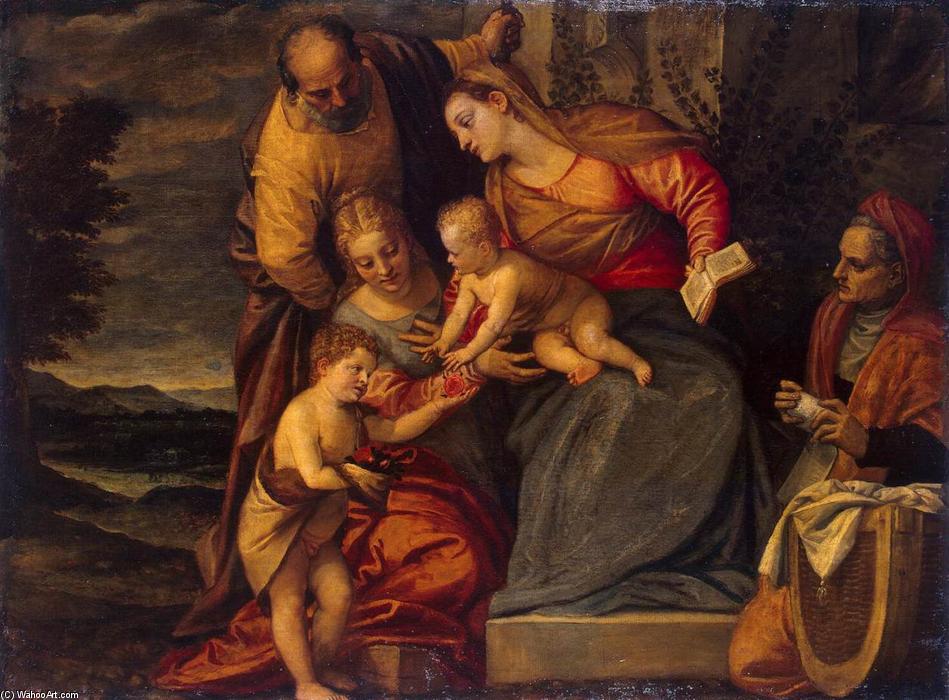
Holy Family with Sts Catherine, Anne and John
 Oil On Canvas
- WallArt
- Renaissance
 1580
1580 120.0 x 159.0 cm
 エルミタージュ美術館
 詳細を見る
詳細を見る
オンラインプレビューをはるかに凌ぐ、高解像度で鮮明なデジタル画像をご購入いただけます。
各ファイルは、社内の専門家が高度なツールと熟練した手作業によるレタッチを用いて、細心の注意を払って準備されています。すべての画像において、卓越した鮮明度、正確な色彩再現性、そして繊細なディテールを保証いたします。
最終ファイルは、プロフェッショナルな編集・印刷環境ですぐにご利用いただけるよう最適化された状態で、72時間以内にメールにてお届けいたします。これは、一流のデザインスタジオ、出版社、ギャラリーから信頼されているものと同等の品質です。
デジタル画像のご注文に付随する特典
高品質なデジタル画像配信を、確かな品質で。
ArtsDot.com を選ぶことは、単に画像を手に入れることではありません。それは、プロの手によって精密に仕上げられ、満足保証が付いた高品質なデジタルアートワークを受け取ることを意味します。ご注文いただいた際に自動的に付随する内容は、以下の通りです:

メールですぐにお届け
ご注文から72時間以内に、高解像度のデジタル画像ファイルがメールでお手元に届きます。すぐにそのままご利用いただけます。

AI技術で最適化されたデジタルファイル
お客様の作品は、高度なAIツールと専門家による手作業の編集を組み合わせてプロフェッショナルに最適化されており、細部のディテール、鮮明さ、そして正確な色再現性を最大限に引き出しています。

一生涯無料の再送サービス
ファイルを誤って削除したり、紛失してしまったりしましたか?ご安心ください。いつでも無料で再送いたします。

輸入手数料は一切かかりません
関税や手数料、配送料を気にすることなく、お気に入りのアートワークをすぐにお楽しみいただけます。デジタルダウンロードは常に免税です。

色彩再現の保証
プロ仕様のツールとカラーマネジメント技術を用いることで、デジタル画像が元の色を最大限に忠実に再現することを保証いたします。

60日間満足保証
ご購入いただいたデジタル画像にご満足いただけない場合は、60日以内であれば、修正または100%の返金(理由を問う必要はありません)をさせていただきます。

100% 返金保証
ご満足いただけない場合は、デジタルファイルを受け取ってから60日以内であれば、理由を問わず全額返金いたします。

まとめ買い割引
3枚購入で10%OFF - 5枚購入で15%OFF - 10枚以上購入で20%OFF。クリエイティブなプロジェクト、ギャラリー、エージェンシーに最適です。
A Window into the Heart of Faith – Benedetto Caliari’s “Holy Family”
Benedetto Caliari’s “Holy Family with Sts Catherine, Anne and John,” painted around 1580 in Verona, Italy, isn't merely a religious depiction; it’s a profound meditation on family, faith, and the divine order of creation. Born into a lineage steeped in artistic tradition – his brother, Paolo Caliari (Veronese), was already establishing himself as a leading figure in Venetian painting – Benedetto inherited not just an artistic legacy but also a deep understanding of illusionistic space and meticulous detail. This painting, now housed within the Hermitage Museum in St. Petersburg, offers a rare glimpse into the world of Renaissance religious art, revealing a masterful blend of technical skill and deeply felt emotion.
The scene itself is instantly recognizable: Mary, Jesus, Joseph, Saint Catherine, Saint Anne, and Saint John the Baptist are arranged within a carefully constructed landscape. However, it’s not simply a straightforward representation; Caliari employs a sophisticated pyramidal composition, drawing the viewer's eye upwards towards the central figures of Christ and Mary – a deliberate strategy to evoke a sense of reverence and spiritual elevation. The hazy background, rendered with atmospheric perspective, creates depth and distance, anchoring the intimate foreground scene within a broader, almost ethereal realm.
The Language of Light and Form: A Study in Renaissance Technique
Caliari’s mastery lies not just in his composition but also in his technical execution. He employs the rich, layered technique characteristic of oil painting – meticulously building up glazes to achieve a luminous surface and an astonishing level of detail. Observe how the drapery flows with subtle folds, conveying both weight and movement; the textures of clothing, skin, and foliage are rendered with remarkable realism. The dramatic lighting, originating from an unseen source, sculpts the figures, highlighting their forms and casting deep shadows that add to the painting’s sense of volume and drama. The use of chiaroscuro – the interplay of light and dark – is particularly effective in defining the faces and creating a powerful emotional impact.
- Oil on Canvas: The medium itself contributes to the painting's richness and luminosity.
- Pyramidal Composition: A classic Renaissance device used to create stability and focus attention.
- Atmospheric Perspective: Creates depth and a sense of vastness in the background landscape.
- Chiaroscuro: Dramatic lighting enhances form and emotion.
Symbolism Woven into the Narrative
Beyond its formal qualities, “Holy Family” is laden with symbolic meaning. The book held by Saint John the Baptist represents knowledge and divine authority – a subtle reminder of his future role as the herald of Christ’s message. The basket carried by Saint Bernard symbolizes charity and compassion, reflecting the saint's dedication to helping the poor and needy. Even the positioning of the figures carries symbolic weight; Saint Anne’s gesture, pointing heavenward, emphasizes the divine origin of grace and blessing. The mirroring of gazes between Mary, Christ, and John subtly reinforces the interconnectedness of family and faith.
A Timeless Masterpiece: Resonance for Today
“The Holy Family with Sts Catherine, Anne and John” transcends its historical context to speak to universal themes of family, devotion, and spiritual aspiration. Caliari’s ability to capture the emotional depth of these figures – their love, piety, and connection to the divine – continues to resonate with viewers today. It's a testament to the enduring power of Renaissance art to illuminate the human experience and offer a glimpse into the heart of faith. Reproductions of this stunning work provide an accessible way to bring its beauty and profound symbolism into any space, serving as a constant reminder of the timeless values it embodies.
関連作品
作家の略歴
The Silent Architect of Venetian Grandeur
In the vibrant, sun-drenched world of the Italian Renaissance, certain names shine with an almost blinding brilliance, while others linger in the soft, essential shadows that give those lights their depth. Benedetto Caliari was a master of such shadows. Born in Verona in 1538 into a family where art was as much a vocation as breathing, Benedetto’s life was inextricably woven into the fabric of Venetian Mannerism. While his brother, the legendary Paolo Veronese, commanded the grandest stages of the Republic, Benedetto operated with a quiet, meticulous precision that made him an indispensable pillar of one of history's most prolific artistic workshops.
His early years were shaped by a unique duality of influence. From his father, Gabriele, a skilled stonecutter, Benedetto inherited a profound respect for structure, volume, and the tactile reality of form. This foundation in disegno—the art of design and drawing—would later become his greatest contribution to the Venetian school. Moving to Venice around 1555, he entered the orbit of his brother’s studio, not merely as a sibling, but as a specialized collaborator capable of translating architectural grandeur onto canvas and fresco. He possessed a rare ability to breathe life into the cold stone of painted architecture, creating illusionistic spaces that felt as vast and imposing as the Roman ruins themselves.
A Symbiotic Legacy of Light and Stone
The collaboration between Benedetto and Veronese remains one of the most fascinating studies in artistic synergy. To look upon a great Veronese masterpiece is often to encounter the silent hand of Benedetto. He was the architect of the background, the creator of the soaring columns, the intricate cornices, and the deep, perspectival vistas that provided the stage for Veronese’s fluid, luminous figures. In monumental projects such as the ceiling frescoes of San Sebastiano and the breathtaking Villa Barbaro at Maser, Benedetto’s touch is felt in the way light interacts with painted marble and the way shadows retreat into seemingly infinite corridors.
While his brother focused on the rhythmic movement of drapery and the ethereal glow of skin, Benedetto provided the structural soul of the composition. His style was characterized by a certain sturdiness; where Veronese might be fluid and spontaneous, Benedetto was deliberate and sculptural. He favored heavier, more planar forms that anchored the compositions, preventing the grand Venetian scenes from drifting into mere decorative whimsy. This tension between his solid, architectural foundations and his brother's atmospheric brilliance created a visual harmony that defined the era’s aesthetic of splendor.
The Heirs of Paul and the Persistence of Vision
The true test of Benedetto’s artistry arrived with the death of Veronese in 1588. Rather than allowing the workshop's flame to flicker out, Benedetto stepped into a leadership role alongside Veronese’s sons, Carlo and Gabriele. Together, they operated under the collective signature Haeredes Pauli—the Heirs of Paul. This period was one of immense responsibility, as they worked to complete the master's unfinished commissions, ensuring that the grand visions of the previous generation reached fruition. Through this stewardship, Benedetto helped preserve the continuity of the Venetian style during a period of shifting artistic tides.
Though his independent body of work is more modest in scale than that of his brother, Benedetto’s individual achievements reveal a painter of profound religious devotion and technical mastery. His treatments of subjects such as the Holy Family or the Last Supper showcase a sophisticated command of pyramidal composition and dramatic chiaroscuro. Even in his most personal works, the influence of his architectural training remains evident in the way he models musculature and drapery with a sense of weight and permanence. Benedetto Caliari may have lived in the shadow of a giant, but it was his steady, masterful hand that helped build the very stage upon which that giant performed, leaving behind a legacy of structural beauty that continues to anchor the history of Italian art.

Benedetto Caliari
1538 - 1598 , Italy
プロフィール概要
- Artistic Movement Or Style: Mannerism
- Artists Or Movements Influenced By This Artist: ['Veronese']
- Artists Who Influenced This Artist: ['Paolo Veronese']
- Date Of Birth: 1538 Verona Italy
- Date Of Death: 1598 Venezia Italy
- Full Name: Benedetto Caliari
- Nationality: Italian
- Notable Artworks:
- Holy Family with Sts Catherine, Anne and John
- Last Supper
- Place Of Birth: Verona Italy

