 プレビュー
プレビュー
 プリントを購入
 シェアする
シェアする シェアする
シェアする
 詳細を見る
詳細を見る

 ダウンロード
 似ている作品
 X線調査
X線調査 スライドショー
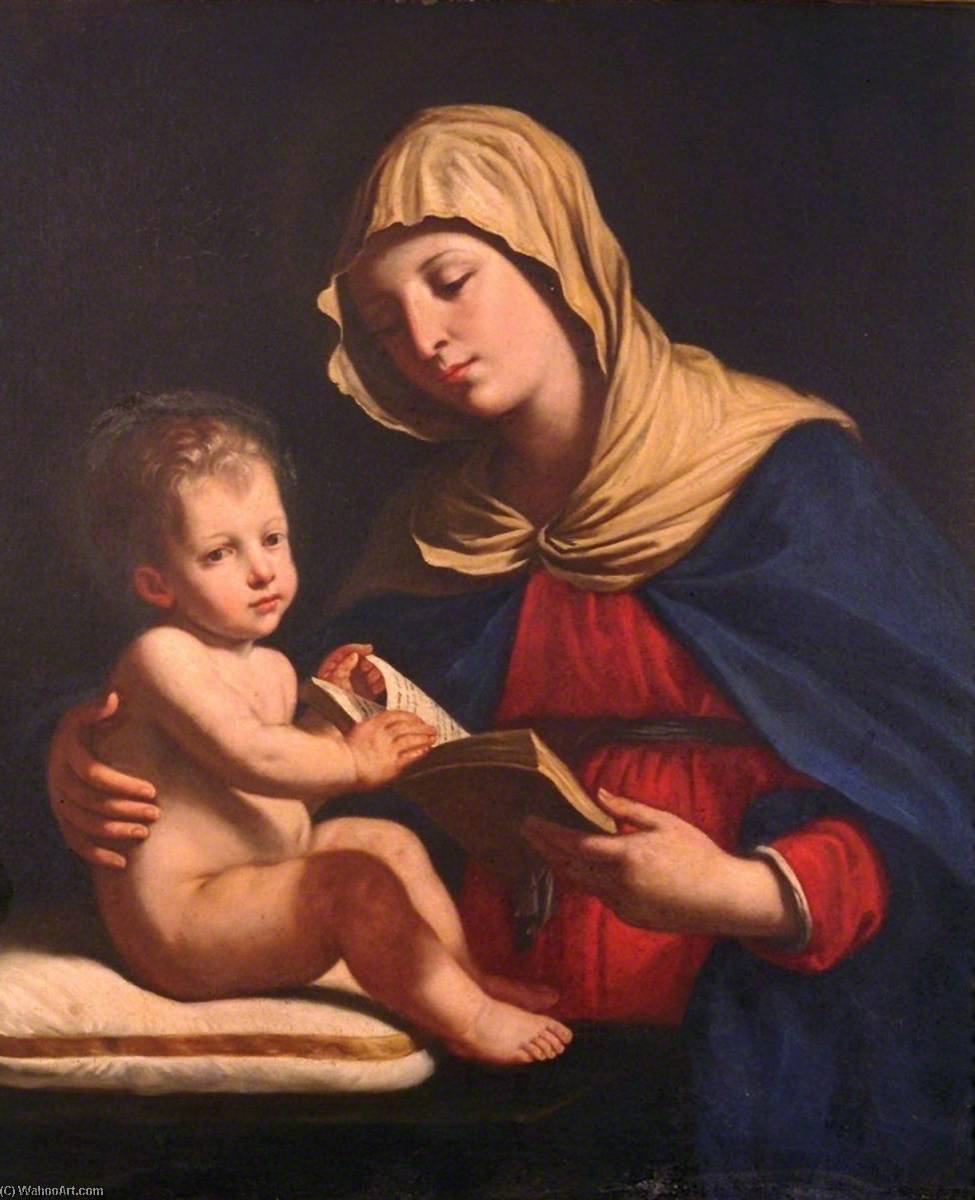
Virgin and Child
 Oil On Canvas
- WallArt
- Baroque Splendor
 1660
1660 98.0 x 84.0 cm
 Courtauld Gallery
 詳細を見る
詳細を見る




P118B $10

P118H $10

P118W $10

P438Z $10

P508JH $12

P508YH $12

P805H $10

P805Z $10

P919BZ $10

P919G $10

P919XJ $10

P959ZH $10

P968JZ $12

W106C $8

W218G $10

W218JH $8

W218Y $10

W307PJ $10

W316G $10

W316PJ $8

W316Y $10

W398PJ $8

W4111J $10

W500HY $15

W500JH $15

W692G $12

W849H $8

W940BG $15

W953PJ $8




作品のオリジナル比率に合わせた、当店の規定サイズからお選びください。

特定のフレームやスペースに合わせて、ご希望のサイズをご入力いただけます。選択されたサイズが元の画像の比率と異なる場合、アートワークをトリミングするか、手描きで要素を追加して絵画を拡張いたします。デジタルモックアップ を制作し、制作開始前にご確認(承認)をいただきます。
画面上のプレビューは、実際のトリミングや拡張を正確に反映しているものではありません。最終的な構図は、モックアップによってのみ正確にご確認いただけます。
カスタムサイズもご利用いただけますが、元の比率を維持するためには、あらかじめ用意されたリストからサイズを選択することをお勧めいたします。
ご注文後、ArtsDot.com チームより詳細な指示をお送りするとともに、仕上がりイメージ(モックアップ)をご提供いたします。


 ガラスオプションは、110cm未満のサイズでのみご利用いただけます。

Virgin and Child
複製技法
複製画のサイズ
-


合計金額
$ 263
作品解説
A Legacy Forged in Baroque Splendor: The Life and Art of Benedetto Gennari II
Benedetto Gennari II (1633–1715), born in Cento, Italy, stands as a pivotal figure within the Italian Baroque landscape—a painter whose artistic journey intertwined with influential mentors and traversed royal courts, ultimately cementing his reputation for captivating portraits and richly symbolic allegorical compositions. His lineage traced back to Benedetto Gennari I and bolstered by familial connections to Cesare Gennari, he inherited not merely an ancestral name resonating with artistic heritage but also a profound understanding of painting’s capacity to convey emotion and elevate the human spirit—a legacy meticulously nurtured through his formative apprenticeship under Guercino, whose dramatic chiaroscuro technique and emotionally charged canvases would serve as foundational inspiration for Gennari's early stylistic development. This tutelage instilled in him a disciplined approach to pigment blending and brushwork, prioritizing both anatomical accuracy and psychological nuance – qualities that would consistently characterize his oeuvre throughout his prolific career.Early Influences and Artistic Training
Gennari’s artistic education commenced under the watchful eye of Guercino (1619–1666), a luminary of Baroque painting whose distinctive style championed dynamic movement, intense emotional expression, and masterful manipulation of light to sculpt dramatic silhouettes. Guercino's influence extended beyond mere technical proficiency; it instilled in Gennari a belief that art should strive to capture the essence of human experience—a conviction reflected in his subsequent works where figures are rendered with palpable vitality and imbued with psychological depth. This formative period solidified Gennari’s commitment to portraying subjects not merely as representations but as embodiments of feeling, anticipating the Baroque preoccupation with conveying inner states alongside outward appearances.Royal Patronage and Artistic Flourishing
Following his apprenticeship, Gennari embarked upon a cosmopolitan trajectory that propelled him into service under Louis XIV and Charles II—royal patrons who recognized his exceptional talent and commissioned numerous portraits reflecting the grandeur of their courts. These commissions demanded meticulous attention to detail and an ability to capture regal dignity alongside subtle expressions of emotion, showcasing Gennari’s versatility as an artist adept at adapting his style to diverse contexts. His paintings for Louis XIV exemplify the opulent aesthetic favored by the French monarchy—characterized by sumptuous fabrics, elaborate ornamentation, and a deliberate orchestration of color—while his portraits for Charles II subtly convey aristocratic refinement and intellectual curiosity.Style and Technique: A Baroque Vision
Gennari’s artistic style is undeniably rooted in the Baroque tradition—a movement defined by its theatrical grandeur, emotional fervor, and masterful use of illusionistic techniques. He favored oil paint on canvas, applying thin glazes to build up luminous surfaces that shimmer with reflected light—a technique honed through years of practice and informed by Guercino’s teachings. Gennari's brushstrokes are deliberate yet fluid, conveying both precision and spontaneity, resulting in canvases imbued with a palpable sense of movement and dynamism. Furthermore, he skillfully employed pyramidal compositions to create visual stability while simultaneously directing the viewer’s gaze toward key focal points—a compositional strategy prevalent throughout Baroque art and indicative of its desire to engage the senses and stimulate contemplation.Symbolism and Emotional Resonance
Beyond mere aesthetic beauty, Gennari's paintings resonate with profound symbolic meaning—reflecting the intellectual currents of his time and conveying moral lessons intended to inspire viewers. Recurring motifs such as halos, drapery folds, and musical instruments symbolize piety, nobility, and spiritual aspiration respectively – elements carefully integrated into compositions to reinforce overarching themes of faith, virtue, and divine grace. The Virgin and Child depicted in “Virgin and Child” embodies the Madonna’s maternal compassion and unwavering devotion—a timeless image capturing the essence of Christian iconography and resonating with audiences across centuries. His portraits capture not only physical likeness but also psychological character—revealing glimpses into the sitter's inner life and conveying a sense of dignity and introspection that transcends superficial appearances.Legacy and Recognition
Benedetto Gennari II’s enduring legacy rests upon his contribution to Baroque painting—a movement that profoundly shaped European art history. His masterful portraits continue to captivate collectors and inspire artists alike, demonstrating the timeless appeal of capturing human emotion with artistic precision. Currently housed at the Courtauld Gallery in London, “Virgin and Child” stands as a testament to Gennari’s artistic genius—a luminous depiction embodying Baroque ideals of beauty, spirituality, and psychological insight.関連作品




アーティストの略歴
バロックの輝きに刻まれた遺産:ベネデット・ジェンナーリ2世の生涯と芸術
1633年、イタリアのチェントに生を受けたベネデット・ジェンナーリ2世は、名高い芸術家の一族という高貴な血筋を背負い、バロック時代という鮮やかな歴史の織物に、決して消えることのない独自の足跡を残す運命にありました。ベネデプリ・ジェンナーリ1世の孫であり、チェザーレ・ジェンナーリの弟として、彼は単に芸術的伝統に裏打ちされた家名を受け継いだだけではありません。父エルコレ・ジェンナーリと母ルチア・バルビエーリによって育まれた、絵画が持つ真の力への深い洞察をも受け継いでいたのです。彼の形成期において決定的な影響を与えたのは、巨匠グエルチーノのもとでの修行でした。光と影をドラマチックに操り、感情の昂ぶりとダイナミックな構図を描き出す師の技法は、ジェンナーリの初期様式の礎となりました。この師弟関係を通じて、彼は緻密な技巧と、人物の外見的な類似性のみならず、その内面的な精神までも捉える鋭い眼差しを習得し、それが後の成功を決定づけることとなったのです。ボローニャから王宮へ:国際的な足跡
グエルチーノの逝去後、ベネデットとチェザーレは師の工房を共同で継承しました。これにより、師の芸術的原則を継承しつつ、同時に彼ら自身の独自の表現を追求する場が確保されたのです。しかし、ジェンプリの精神は常に旺盛で、その野心はボローニャの境界を越えて広がっていました。1672年3月、彼はルイ14世の宮廷での機会を求め、パリへと旅立ちます。彼の才能は瞬く間にフランス貴族の間で認められ、数々の依頼が舞い込んだことで、フランス滞在は長期にわたるものとなりました。洗練されたフランス宮廷の美意識に触れたことは、彼の芸術的視野を広げ、新たな美的感覚をもたらしました。その後、1674年9月、ジェンナーリの旅はロンドンへと続きます。彼はそこでチャールズ2世、そして後継者ジェームズ2世の両国王から嘱望される宮廷画家としての地位を急速に確立しました。この時期こそ、肖像画家としての彼の名声が真に花開いた瞬間でした。特にカタリナ・オブ・ブラガンザやメア・オブ・モデナといったカトリックの王妃たちから厚い信頼を寄せられ、彼女たちの私的な礼拝堂や瞑想のための信心深い作品を数多く手掛けました。これらの依頼は、ジェンナーリの卓越した技術を示すだけでなく、信仰が慎重に守られていた17世紀イングランドの複雑な宗教的情勢をも物語っています。変容する様式:伝統と革新の融合
ジェンナーリの芸術的発展は決して停滞することなく、旅を通じて多様な芸術的伝統に触れることで、絶え間ない進化を遂げていきました。当初はグエルチーノの様式に深く根ざしていましたが、次第に北欧絵画の要素を自らの作品へと取り入れていったのです。この融合により、構図や色彩、細部の描写において、より繊細でニュアンスに富んだアプローチが可能となりました。とりわけ彼の肖像画は、被写体の外見的な特徴を捉えるだけでなく、その個性や心理的な深みまでも描き出す能力によって際立っていました。人物の中に尊厳、洗練、そして内なる生命の息吹を感じさせる才能は、比類なきものでした。また、寓意画や神話画においても、バロック特有の壮大さを保ちつつも、物語の語り口にはより高い洗練と繊察が宿るようになりました。1689年のジェームズ2世の退位により、ジェンナーリは亡命した宮廷と共にサン=ジェルマン=アン=レーへと身を投じることになりますが、1692年には故郷ボローニャへと帰還しました。そこには、豊かな経験と洗練された芸術的ヴィジョンが携えられていました。芸術的進歩の礎を築いた先駆者
ボローニャに戻ったジェンナーリは、精力的に制作を続け、当時の主要な芸術家の一人としての地位を不動のものにしました。1709年、彼はボローニアン・コミュニティにおける芸術の基準を高め、革新を促進するために設立された「アッカデミア・クレメンティーナ」の創設メンバーとなりました。この活動は、絵画分野の発展において教育と協力がいかに重要であるかという彼の信念を象徴しています。ジェンナーリの遺産は、個々の作品の枠を超えています。彼はボローニャの芸術的景観を形作る上で能動的な役割を果たし、次世代が活気に満ちた創造的な環境の恩恵を受けられるよう尽力したのです。彼の作品は、政治的・宗教的な激動の時代におけるエリート層の嗜好やパトロンのあり方を知るための、極めて貴重な窓となっています。ベネデット・ジェンナーリ2世の絵画は、その卓越した技術、芸術的感性、そしてバロックの伝統に対する永続的な貢献を示す不朽の証であり、その遺志は今なお見る者の心を捉えて離しません。主要な業績と歴史的重要路
- 政治的複雑性の克服: 変動する政治情勢に翻弄されることなく、ヨーロッパ各地の王宮から権威ある依頼を勝ち取った。
- 独自の肖像画様式: バロックの伝統と北欧の影響を融合させ、外見的な類似性と心理的深みの両立を実現した独自のスタイルを確立した。
- 芸術・文化への貢献: アッカデミア・クレメンティーナの創設に参画し、ボローニャの芸術・文化的発展に多大な貢献をした。
- 多才な作品群: 肖像画、寓意画、神話画に至るまで、その多才さと技術を示す膨大な数の作品を残した。
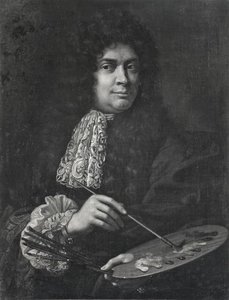
ベネデット・ジェンナーリ(子)
1633 - 1715 , イタリア
基本情報
- Artistic Movement Or Style: バロック
- Artists Who Influenced This Artist: ['グエルチーノ']
- Date Of Birth: 1633年
- Date Of Death: 1715年
- Full Name: ベネデット・ゲンナーリ2世
- Nationality: イタリア
- Notable Artworks:
- グエルチーノの肖像
- クレオパトラ
- オウィディウスの変身物語
- リナルドとアルミーダ
- Place Of Birth: イタリア、チェント
関連記事

バロックのドラマ:現代のインテリアに壮麗さと情感を取り込む
バロック様式の歴史、絵画、家具の魅力をご紹介。ArtsDotでは、高品質な油絵複製やカスタムポートレートをご提供し、現代のインテリアに壮麗さと情感を取り入れます。アートコンサルテーションも承ります。

The Dramatic Flourish: Exploring the Baroque Movement's Enduring Legacy in Art History
Explore the dramatic world of Baroque art! Discover iconic artists like Caravaggio & Rubens, defining techniques, and its lasting impact on art history. Expert insights for collectors & enthusiasts at ArtsDot.

バロック美術を極めた至宝:時代を彩る10大名作の世界
バロック美術の華!カラヴァッジョ、ベルニーニら巨匠が創り上げた10大名作を徹底解剖。ドラマチックな色彩と豪華絢爛の世界観に触れ、至宝のアートプリントで空間を彩ろう。ArtsDot.comで美術館品質の複製と洗練されたインテリアを見つけましょう!

The Visceral Stage: Exploring Dramatic Narratives & Emotional Intensity in Baroque Art
Explore the dramatic world of Baroque art! Discover iconic masters like Caravaggio & Rembrandt, their techniques, and the movement's lasting impact. Expert insights for collectors & enthusiasts at ArtsDot.

Theatricality & Triumph: Baroque Drama in Painting & Sculpture
Explore the dramatic world of Baroque art! Discover its history, defining characteristics, & lasting influence on painting & sculpture. Expert insights into Caravaggio, Zurbarán, and Bernini – plus high-quality reproductions at ArtsDot.