

 プレビュー
プレビュー
 プリントを購入
 シェアする
シェアする シェアする
シェアする
 詳細を見る
詳細を見る

 ダウンロード
 似ている作品
 X線調査
X線調査 スライドショー
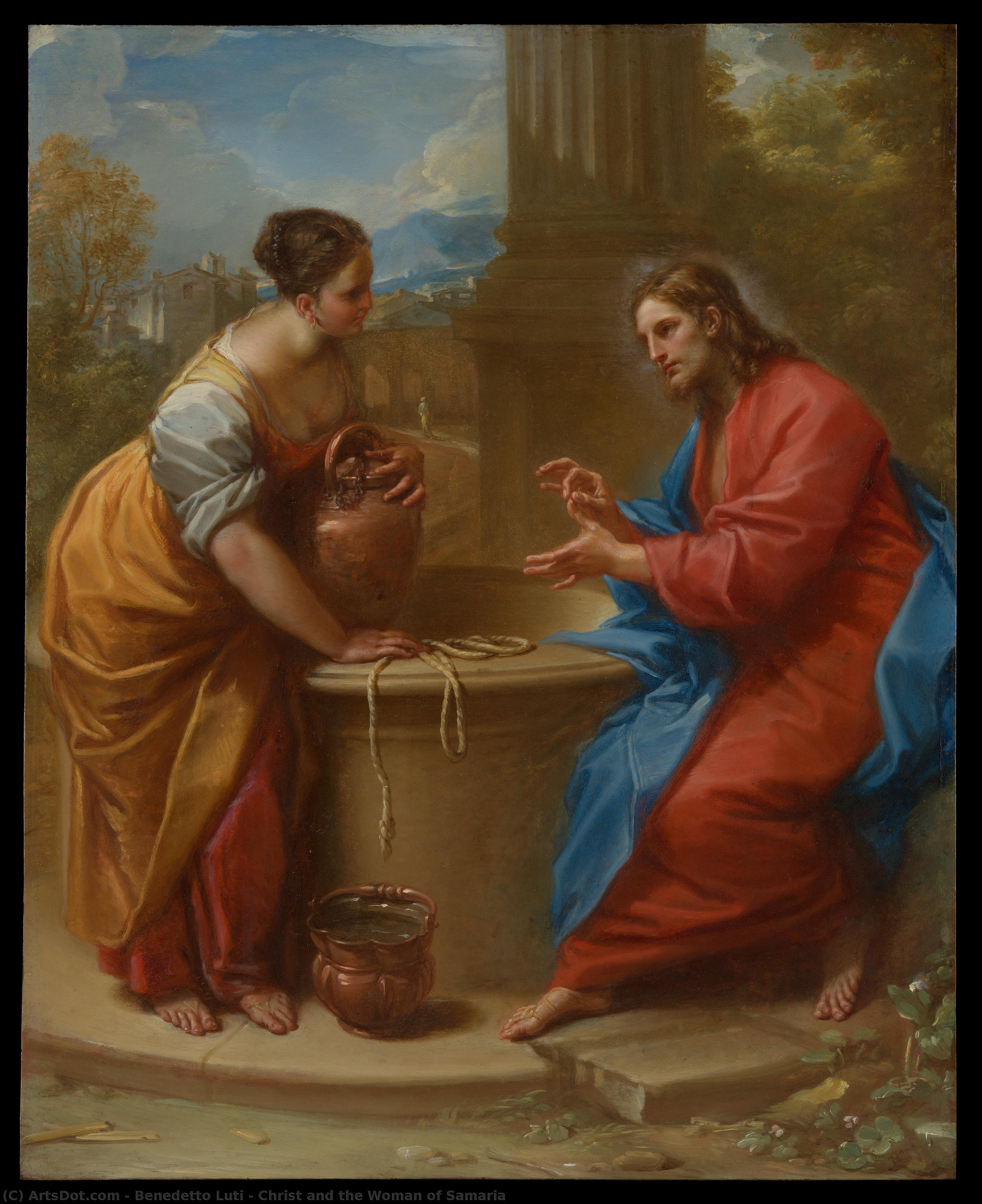
Christ and the Woman of Samaria
 Oil On Copper
- Baroque
 1715
1715 38.0 x 31.0 cm
 メトロポリタン美術館
 詳細を見る
詳細を見る
オンラインプレビューをはるかに凌ぐ、高解像度で鮮明なデジタル画像をご購入いただけます。
各ファイルは、社内の専門家が高度なツールと熟練した手作業によるレタッチを用いて、細心の注意を払って準備されています。すべての画像において、卓越した鮮明度、正確な色彩再現性、そして繊細なディテールを保証いたします。
最終ファイルは、プロフェッショナルな編集・印刷環境ですぐにご利用いただけるよう最適化された状態で、72時間以内にメールにてお届けいたします。これは、一流のデザインスタジオ、出版社、ギャラリーから信頼されているものと同等の品質です。
デジタル画像のご注文に付随する特典
高品質なデジタル画像配信を、確かな品質で。
ArtsDot.com を選ぶことは、単に画像を手に入れることではありません。それは、プロの手によって精密に仕上げられ、満足保証が付いた高品質なデジタルアートワークを受け取ることを意味します。ご注文いただいた際に自動的に付随する内容は、以下の通りです:

メールですぐにお届け
ご注文から72時間以内に、高解像度のデジタル画像ファイルがメールでお手元に届きます。すぐにそのままご利用いただけます。

AI技術で最適化されたデジタルファイル
お客様の作品は、高度なAIツールと専門家による手作業の編集を組み合わせてプロフェッショナルに最適化されており、細部のディテール、鮮明さ、そして正確な色再現性を最大限に引き出しています。

一生涯無料の再送サービス
ファイルを誤って削除したり、紛失してしまったりしましたか?ご安心ください。いつでも無料で再送いたします。

輸入手数料は一切かかりません
関税や手数料、配送料を気にすることなく、お気に入りのアートワークをすぐにお楽しみいただけます。デジタルダウンロードは常に免税です。

色彩再現の保証
プロ仕様のツールとカラーマネジメント技術を用いることで、デジタル画像が元の色を最大限に忠実に再現することを保証いたします。

60日間満足保証
ご購入いただいたデジタル画像にご満足いただけない場合は、60日以内であれば、修正または100%の返金(理由を問う必要はありません)をさせていただきます。

100% 返金保証
ご満足いただけない場合は、デジタルファイルを受け取ってから60日以内であれば、理由を問わず全額返金いたします。

まとめ買い割引
3枚購入で10%OFF - 5枚購入で15%OFF - 10枚以上購入で20%OFF。クリエイティブなプロジェクト、ギャラリー、エージェンシーに最適です。
作品の詳細
A Moment of Divine Encounter: Christ and the Woman of Samaria
To gaze upon Benedetto Luti's "Christ and the Woman of Samaria" is to step directly into a moment suspended between sacred narrative and profound human connection. This captivating oil on copper, dating from 1715, transcends its function as mere religious depiction; it becomes an intimate portrait of dialogue, bridging cultural divides with the gentle authority of Christ's message. The scene unfolds outdoors, suggested by the visible architectural elements in the background, lending a believable depth to what is fundamentally a spiritual encounter. Luti masterfully captures the tension and eventual grace inherent in this biblical moment.
Mastery in Medium and Movement
Technically, the painting speaks volumes of Luti's skill as an artist operating at the height of Roman Baroque splendor. The choice of oil on copper was not incidental; it speaks to a desire for a surface that allowed for meticulous detail and enduring luminosity. Observe the interplay between the figures: Christ, holding his cup with quiet assurance, engages directly with the Samaritan woman. Her posture, while perhaps initially hesitant, suggests an openness to revelation. The objects within the composition—the vase she carries, the two distinct bowls placed near the center and to the right—are not mere props; they are anchors for the narrative, drawing the viewer's eye through the exchange of words and understanding.
Symbolism of Connection Across Divides
The subject matter itself is rich with symbolic weight. The interaction between Christ and a Samaritan woman was historically charged, representing an outreach that defied established religious boundaries. Luti emphasizes this universality; it is not just a conversation, but a moment where divine truth pierces through social prejudice. This painting invites contemplation on the nature of dialogue—the willingness to listen across differences. For the modern collector or decorator, this symbolism translates into a powerful statement piece for any space meant for reflection, suggesting that understanding can bloom even in unexpected places.
A Touch of Florentine Grace in Roman Splendor
While Luti’s career saw him flourish under the patronage of Rome, his roots remain firmly planted in Florence. This blend of regional heritage with grand Roman execution gives the piece a unique resonance. The high level of finish suggests it was intended not just for private devotion, but for display among esteemed patrons, perhaps even echoing the tastes of figures like Cardinal Pietro Ottoboni. Owning a reproduction of this work allows one to bring home a fragment of that sophisticated, deeply felt artistic history—a piece imbued with the weight of centuries of faith and artistry.
関連作品



作家の略歴
A Florentine Master in Roman Splendor: The Life and Art of Benedetto Luti
Benedetto Luti, born in Florence on November 17, 1666, emerged as a pivotal figure bridging the grandeur of the Baroque with the delicate sensibilities of the Rococo. While details surrounding his earliest artistic training remain somewhat elusive, it’s clear he absorbed the vibrant artistic atmosphere of his native city—a cradle of Renaissance heritage and burgeoning creativity. Florence instilled in him a foundational skill set that would later flourish under the Roman sun, but it was in Rome that Luti truly discovered his unique voice, becoming celebrated not merely as a painter, but as an innovator who redefined the possibilities of pastel. His journey wasn’t simply one of technical mastery; it was a testament to artistic curiosity and a willingness to challenge conventional boundaries.Pioneering Pastel: A Revolution in Artistic Technique
Luti's lasting legacy rests upon his groundbreaking exploration of pastels. Prior to the late 17th century, pastel sticks were largely relegated to preparatory studies—a means to an end rather than a finished work in itself. Artists would use them for sketching compositions or underpainting canvases. Luti, however, perceived something more within this seemingly humble medium. He recognized its potential for achieving delicate tonal variations, capturing subtle nuances of light and shadow, and conveying a remarkable sense of intimacy. He elevated pastel to the status of a complete and expressive artistic technique, meticulously building up layers of color to create portraits that possessed an almost ethereal quality. This wasn’t merely about adopting a new material; it was about fundamentally altering the way portraiture could be conceived and executed. His mastery attracted the attention of Cosimo III de' Medici, Grand Duke of Tuscany, who became a crucial patron, enabling Luti to fully explore his artistic vision and establish a reputation that extended beyond Italy’s borders.A Versatile Artist: Beyond the Pastel Portrait
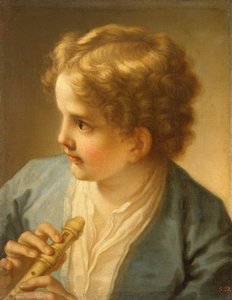
While Benedetto Luti is most readily associated with his exquisite pastel portraits, it's important to recognize the breadth of his artistic capabilities. He was a proficient oil painter and fresco artist, undertaking significant commissions that showcased his versatility. His work at the Basilica di San Giovanni in Laterano stands as evidence of his skill in large-scale decorative projects. Christ and the Woman of Samaria, completed between 1715 and 1720, exemplifies his ability to translate the dramatic narratives of religious scenes onto expansive surfaces with compelling dynamism. Beyond these grand commissions, Luti also produced works like Apollo and Daphne, demonstrating a command of mythological subjects and classical forms. His pastel portraits, however—such as Boy with a Flute (circa 1720)—remain his most iconic creations, capturing the personality and spirit of his sitters with remarkable sensitivity. These works weren’t simply likenesses; they were psychological studies rendered in shimmering color and delicate detail.Influence and Legacy: A Teacher and a Conduit
Luti's impact extended far beyond his own artistic output. He was a sought-after teacher, establishing a drawing school that attracted students from across Europe. Among his pupils were some of the most prominent artists of the following generation, including Giovanni Domenico Piastrini, Giovanni Paolo Panini, and—most notably—Pompeo Batoni. Batoni, who would become one of the leading portraitists of the 18th century, clearly absorbed Luti’s refined technique and sensitivity to character. Luti also operated as a successful art dealer, possessing an astute eye for quality and a deep understanding of the art market. In 1720, he was knighted by the Academy of St Luke in Rome and elected its ‘principe’ (leader)—a testament to his standing within the artistic community, though not without some debate regarding whether his body of work fully warranted such recognition. He continued to contribute to Roman churches until his death in 1724, leaving behind a legacy that continues to inspire artists and captivate audiences today. His pioneering use of pastel bridged the gap between Baroque grandeur and the more intimate style that characterized the Rococo period, solidifying his place as a significant figure in the history of art.Historical Significance: A Bridge Between Eras
Benedetto Luti’s historical significance lies not only in his technical innovations but also in his ability to synthesize diverse artistic influences. He drew inspiration from Baroque masters, evident in his dramatic compositions and attention to detail, yet he forged a path toward the more delicate and refined aesthetic of the Rococo. He was an artist who understood the power of both grandeur and intimacy, capable of creating works that were simultaneously imposing and deeply personal. His influence on subsequent generations of artists—particularly through his students—ensured that his techniques and sensibilities would continue to shape the course of European art. Luti’s work serves as a reminder that artistic progress is rarely about radical departures; it's often about subtle refinements, innovative applications of existing materials, and a willingness to explore new possibilities within established traditions. He remains a compelling figure—a Florentine master who found his true voice in the heart of Rome, leaving an indelible mark on the world of art.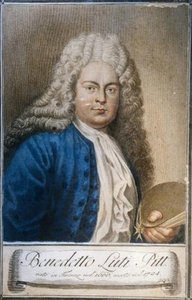
ベネデット・ルティ
1666 - 1724 , イタリア

