

 プレビュー
プレビュー
 プリントを購入
 シェアする
シェアする シェアする
シェアする
 詳細を見る
詳細を見る

 ダウンロード
 似ている作品
 X線調査
X線調査 スライドショー
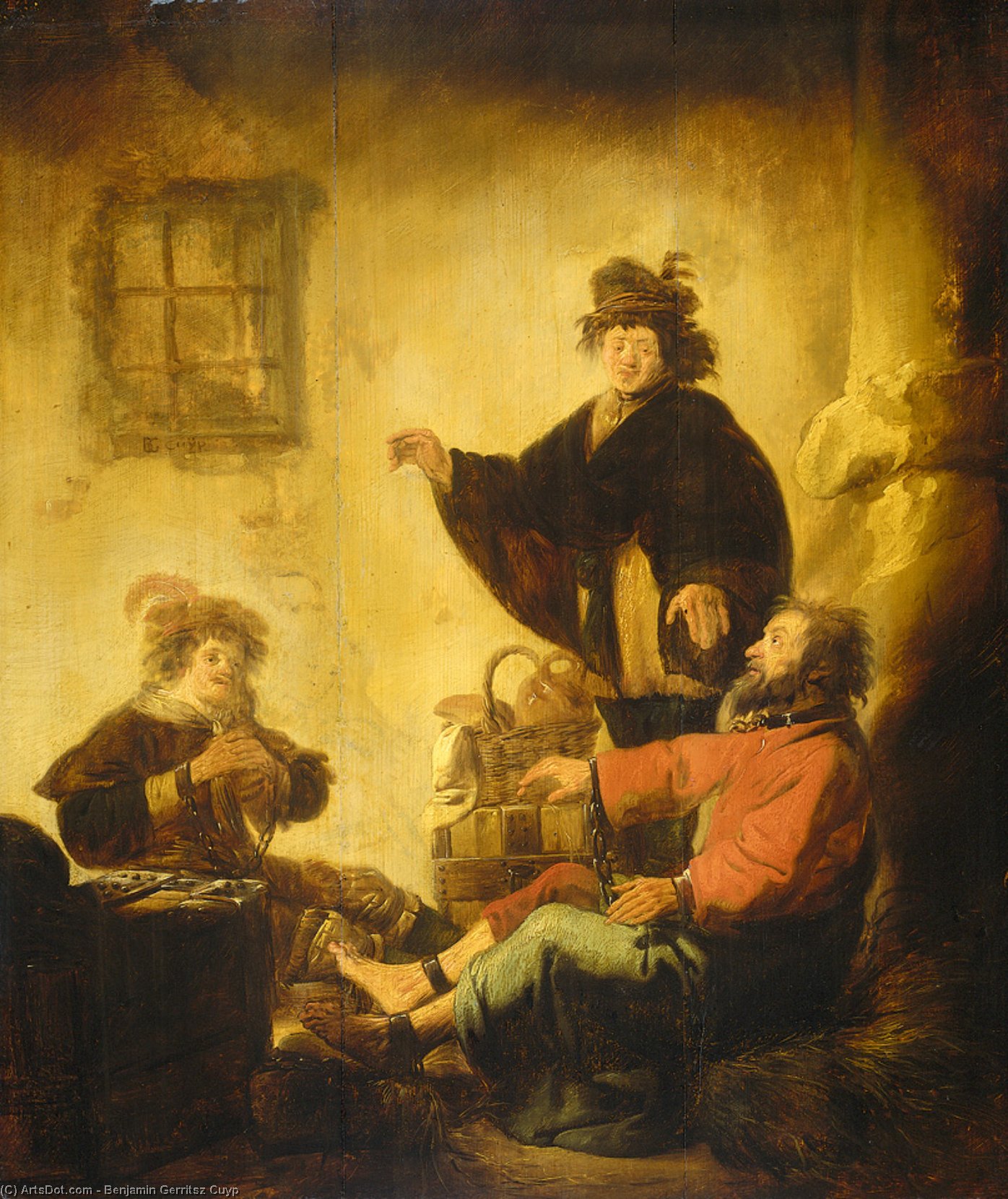
Joseph interpreting the dreams of the baker and the butler
 詳細を見る
詳細を見る




































作品のオリジナル比率に合わせた、当店の規定サイズからお選びください。

特定のフレームやスペースに合わせて、ご希望のサイズをご入力いただけます。選択されたサイズが元の画像の比率と異なる場合、アートワークをトリミングするか、手描きで要素を追加して絵画を拡張いたします。デジタルモックアップ を制作し、制作開始前にご確認(承認)をいただきます。
画面上のプレビューは、実際のトリミングや拡張を正確に反映しているものではありません。最終的な構図は、モックアップによってのみ正確にご確認いただけます。
カスタムサイズもご利用いただけますが、元の比率を維持するためには、あらかじめ用意されたリストからサイズを選択することをお勧めいたします。
ご注文後、ArtsDot.com チームより詳細な指示をお送りするとともに、仕上がりイメージ(モックアップ)をご提供いたします。


 ガラスオプションは、110cm未満のサイズでのみご利用いただけます。

Joseph interpreting the dreams of the baker and the butler
複製技法
複製画のサイズ
-


合計金額
$ 263
関連作品
アーティストの略歴
Benjamin Gerritsz Cuyp: A Pioneer of Dutch Landscape Painting
Benjamin Gerritszoon Cuyp (December 1612 – August 28, 1652) stands as a pivotal figure in the Dutch Golden Age artistic landscape. Born in Dordrecht, Netherlands—a city renowned for its glassmaking tradition—Cuyp’s life was inextricably linked to his uncle, Jacob Gerritsz Cuyp, who instilled in him an early appreciation for painting and fostered connections within the influential Cuyp family circle. While often overshadowed by his more celebrated cousin, Aelbert Cuyp, Benjamin nonetheless carved out a distinctive artistic path marked by profound observation of nature and masterful execution.- Early Life & Training: Cuyp’s formative years were spent under the tutelage of Jacob Gerritsz Cuyp and his son, honing skills alongside a family deeply rooted in artistic craftsmanship. Houbraken's account suggests that Aelbert possessed a more refined brushstroke technique than Benjamin, highlighting the contrasting approaches within the Cuyp lineage. However, scholarly research indicates that Benjamin’s father was a glasspainter from Venlo, establishing a familial connection to both art and industry.
- Family Connections & Artistic Influences: The relationship between Benjamin and Aelbert Cuyp is complex—they were uncle and nephew rather than cousins—yet shared a common artistic heritage. This influence undoubtedly shaped their respective styles, emphasizing meticulous detail and capturing the essence of Dutch landscapes with remarkable accuracy. Cuyp’s work demonstrates considerable debt to Rembrandt van Rijn's chiaroscuro technique, mirroring his masterful use of light and shadow to convey emotion and drama.
- Notable Works & Artistic Style: Cuyp’s oeuvre encompasses a diverse range of subjects—allegorical scenes, genre depictions of everyday life, evocative beach vistas, and dramatic military compositions—demonstrating versatility within the Golden Age artistic canon. His landscapes are characterized by atmospheric perspective, subtle tonal gradations, and an unwavering commitment to portraying natural beauty with uncompromising realism.
- Legacy & Influence: Cuyp’s impact extended beyond his immediate contemporaries; he mentored artists like Barent van Kalraet, who continued his tradition of landscape painting. Furthermore, Maerten Fransz van der Hulst followed in Cuyp's footsteps, solidifying the artist’s enduring legacy as a formative influence on subsequent generations of Dutch painters.
Exploring Cuyp’s Artistic Vision: Themes and Techniques
Cuyp’s artistic vision centered around capturing the grandeur and tranquility of the Dutch countryside—a subject that resonated deeply with the sensibilities of his time. He skillfully employed techniques such as atmospheric perspective, meticulously blending colors to create convincing illusions of depth and distance. The artist's penchant for chiaroscuro – Rembrandt’s dramatic use of light and dark – infused his paintings with emotional intensity and heightened visual impact. Recurring motifs included depictions of fishermen hauling nets ashore, soldiers stationed in stables, and serene beach scenes bathed in soft sunlight—subjects that reflected both the practical realities of Dutch life and the artist's profound engagement with the natural world.Significant Paintings & Their Symbolism
Among Cuyp’s most celebrated works are “Soldiers in a Stable,” “In graflegging,” and “Fish sellers at the beach.” Each painting embodies Cuyp’s artistic principles—a masterful command of light, texture, and composition—and conveys powerful symbolic messages. "Soldiers in a Stable," for instance, exemplifies Rembrandt's influence through its dramatic chiaroscuro, portraying religious fervor and conveying profound emotion. Similarly, “In graflegging” captures the solemnity of death with dark hues and dynamic movement, reflecting the artist’s exploration of human experience. “Fish sellers at the beach,” on the other hand, celebrates coastal life and showcases Cuyp's ability to render atmospheric conditions with breathtaking precision.Historical Context & Artistic Significance
Benjamin Gerritsz Cuyp emerged during the apex of the Dutch Golden Age—a period characterized by unprecedented artistic innovation and economic prosperity. His work stands as a testament to this era’s fascination with realism, observation, and emotional expression—values that aligned seamlessly with the broader cultural currents of the time. Cuyp's contribution to landscape painting solidified its position as one of the most revered genres within Dutch art history, establishing him as an enduring icon of artistic excellence and influencing countless artists who followed.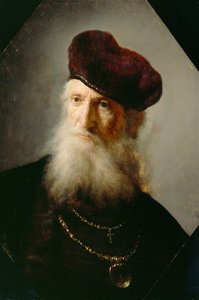
Benjamin Gerritsz Cuyp
1612 - 1652 , Netherlands
基本情報
- Artistic Movement Or Style: Dutch Golden Age Landscape Painting
- Artists Or Movements Influenced By This Artist: ['Maerten Fransz van der Hulst']
- Artists Who Influenced This Artist: ['Jacob Gerritsz Cuyp']
- Date Of Birth: December 1612
- Date Of Death: August 28, 1652
- Full Name: Benjamin Gerritsz Cuyp
- Nationality: Dutch
- Notable Artworks:
- Soldiers in a Stable.
- In graflegging.
- Fish sellers at the beach.
- Place Of Birth: Dordrecht, Netherlands

