

 プレビュー
プレビュー
 プリントを購入
 シェアする
シェアする シェアする
シェアする
 詳細を見る
詳細を見る

 ダウンロード
 似ている作品
 X線調査
X線調査 スライドショー
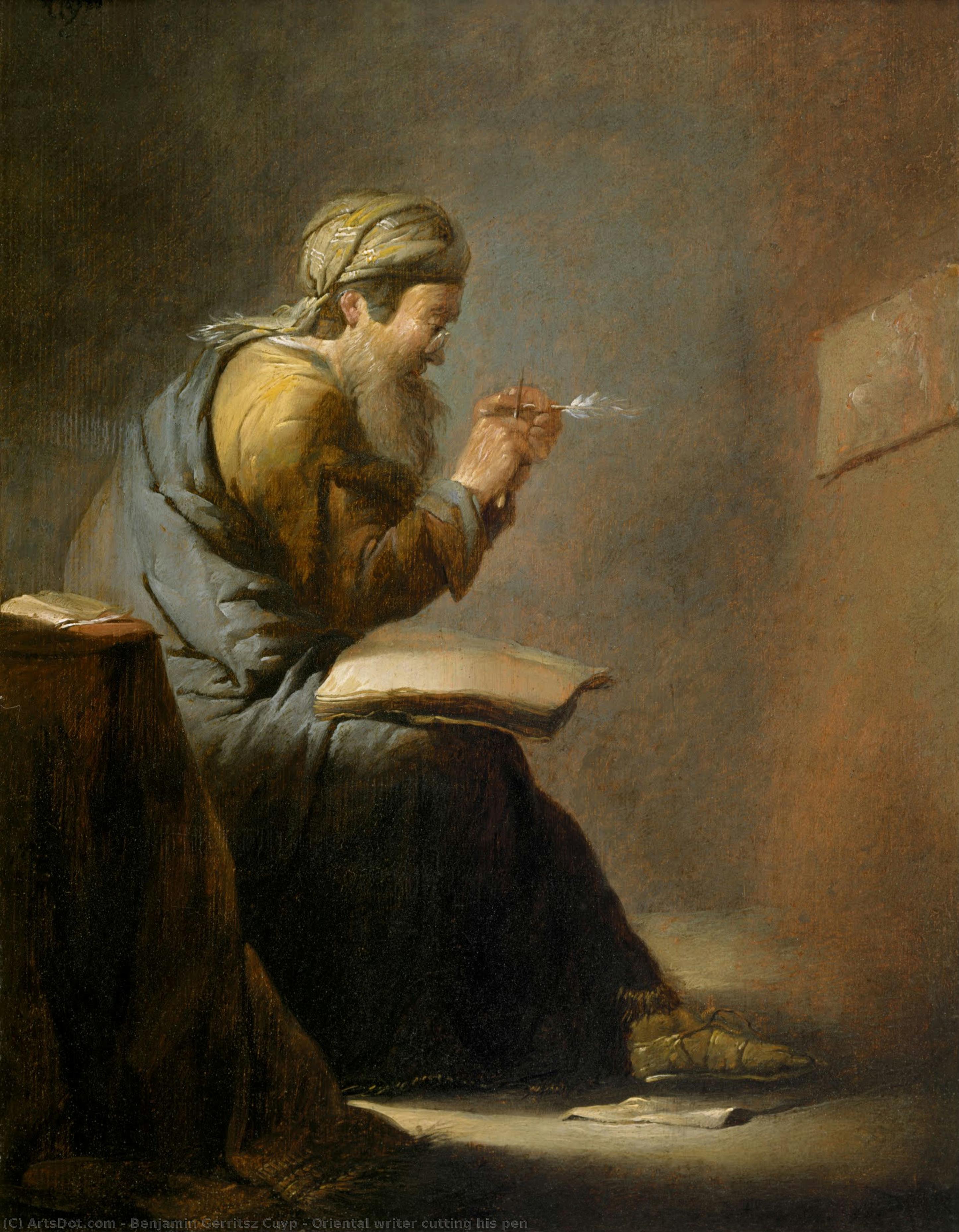
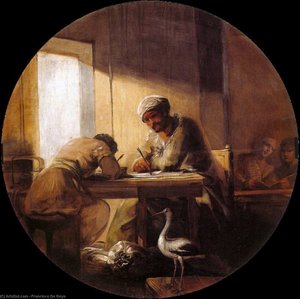
Oriental writer cutting his pen
 Oil
Oil- WallArt
- Dutch Golden Age
 Early Modern
 22.0 x 27.0 cm
 The Kremer Collection
 詳細を見る
詳細を見る
オンラインプレビューをはるかに凌ぐ、高解像度で鮮明なデジタル画像をご購入いただけます。
各ファイルは、社内の専門家が高度なツールと熟練した手作業によるレタッチを用いて、細心の注意を払って準備されています。すべての画像において、卓越した鮮明度、正確な色彩再現性、そして繊細なディテールを保証いたします。
最終ファイルは、プロフェッショナルな編集・印刷環境ですぐにご利用いただけるよう最適化された状態で、72時間以内にメールにてお届けいたします。これは、一流のデザインスタジオ、出版社、ギャラリーから信頼されているものと同等の品質です。
デジタル画像のご注文に付随する特典
高品質なデジタル画像配信を、確かな品質で。
ArtsDot.com を選ぶことは、単に画像を手に入れることではありません。それは、プロの手によって精密に仕上げられ、満足保証が付いた高品質なデジタルアートワークを受け取ることを意味します。ご注文いただいた際に自動的に付随する内容は、以下の通りです:

メールですぐにお届け
ご注文から72時間以内に、高解像度のデジタル画像ファイルがメールでお手元に届きます。すぐにそのままご利用いただけます。

AI技術で最適化されたデジタルファイル
お客様の作品は、高度なAIツールと専門家による手作業の編集を組み合わせてプロフェッショナルに最適化されており、細部のディテール、鮮明さ、そして正確な色再現性を最大限に引き出しています。

一生涯無料の再送サービス
ファイルを誤って削除したり、紛失してしまったりしましたか?ご安心ください。いつでも無料で再送いたします。

輸入手数料は一切かかりません
関税や手数料、配送料を気にすることなく、お気に入りのアートワークをすぐにお楽しみいただけます。デジタルダウンロードは常に免税です。

色彩再現の保証
プロ仕様のツールとカラーマネジメント技術を用いることで、デジタル画像が元の色を最大限に忠実に再現することを保証いたします。

100日間満足保証
ご購入いただいたデジタル画像にご満足いただけない場合は、100日以内であれば、修正または100%の返金(理由を問う必要はありません)をさせていただきます。

100% 返金保証
ご満足いただけない場合は、デジタルファイルを受け取ってから100日以内であれば、理由を問わず全額返金いたします。

まとめ買い割引
3枚購入で10%OFF - 5枚購入で15%OFF - 10枚以上購入で20%OFF。クリエイティブなプロジェクト、ギャラリー、エージェンシーに最適です。
A Moment Frozen in Time: The Intimacy of Benjamin Gerritsz Cuyp
In the quiet, shadowed corners of the Dutch Golden Age, certain paintings possess the power to halt time, inviting the viewer into a private, meditative sanctuary. "Oriental writer cutting his pen" by Benjamin Gerritsz Cuyp is one such masterpiece. This intimate genre scene captures a profound moment of solitary focus, where the world outside ceases to exist, leaving only the rhythmic, tactile ritual of the scholar at work. The subject—an elderly man with a weathered face and a dignified beard—is caught in a state of deep concentration. As he prepares his instrument, there is a palpable sense of patience and devotion to his craft, a quality that resonates deeply with anyone who has ever found solace in the quietude of study or creative labor.
The composition is masterfully orchestrated to draw the eye toward the interplay of light and shadow. The man, adorned in a simple hat that frames his contemplative expression, serves as the emotional anchor of the piece. Around him, the subtle presence of a book and the distant, enigmatic figure in the background suggest a larger narrative of intellectual pursuit and domestic life. A clock, visible upon the wall, acts as a poignant memento mori, a gentle reminder of the fleeting nature of time, contrasting beautifully with the timelessness of the man's focused task. For collectors and interior designers, this painting offers more than mere decoration; it provides a window into a vanished era of contemplative grace.
Mastery of Light and the Dutch Tradition
Technically, the work showcases the remarkable skill Benjamin Gerritsz Cuyp inherited and refined through his connection to the illustrious Cuyp lineage. While his cousin Aelbert would later become famous for sweeping, sun-drenched landscapes, Benjamin found his brilliance in the nuanced textures of genre painting. His brushwork here is deliberate and evocative, capturing the coarse texture of the man's clothing, the soft sheen of his beard, and the heavy, atmospheric quality of the room's shadows. The use of chiaroscuro—the dramatic contrast between light and dark—creates a sense of three-dimensional depth that makes the scene feel remarkably tangible.
The palette is grounded in the earthy, warm tones characteristic of the period, which lends the artwork an enduring warmth. This tonal harmony makes the piece exceptionally versatile for high-end interior curation. Whether placed in a library, a study, or a sophisticated living space, a reproduction of this work brings an air of historical prestige and intellectual depth. It serves as a conversation piece that speaks to the importance of tradition, the beauty of the mundane, and the enduring allure of the Dutch Golden Age's mastery over light and human emotion.
関連作品

作家の略歴
Benjamin Gerritsz Cuyp: A Pioneer of Dutch Landscape Painting
Benjamin Gerritszoon Cuyp (December 1612 – August 28, 1652) stands as a pivotal figure in the Dutch Golden Age artistic landscape. Born in Dordrecht, Netherlands—a city renowned for its glassmaking tradition—Cuyp’s life was inextricably linked to his uncle, Jacob Gerritsz Cuyp, who instilled in him an early appreciation for painting and fostered connections within the influential Cuyp family circle. While often overshadowed by his more celebrated cousin, Aelbert Cuyp, Benjamin nonetheless carved out a distinctive artistic path marked by profound observation of nature and masterful execution.- Early Life & Training: Cuyp’s formative years were spent under the tutelage of Jacob Gerritsz Cuyp and his son, honing skills alongside a family deeply rooted in artistic craftsmanship. Houbraken's account suggests that Aelbert possessed a more refined brushstroke technique than Benjamin, highlighting the contrasting approaches within the Cuyp lineage. However, scholarly research indicates that Benjamin’s father was a glasspainter from Venlo, establishing a familial connection to both art and industry.
- Family Connections & Artistic Influences: The relationship between Benjamin and Aelbert Cuyp is complex—they were uncle and nephew rather than cousins—yet shared a common artistic heritage. This influence undoubtedly shaped their respective styles, emphasizing meticulous detail and capturing the essence of Dutch landscapes with remarkable accuracy. Cuyp’s work demonstrates considerable debt to Rembrandt van Rijn's chiaroscuro technique, mirroring his masterful use of light and shadow to convey emotion and drama.
- Notable Works & Artistic Style: Cuyp’s oeuvre encompasses a diverse range of subjects—allegorical scenes, genre depictions of everyday life, evocative beach vistas, and dramatic military compositions—demonstrating versatility within the Golden Age artistic canon. His landscapes are characterized by atmospheric perspective, subtle tonal gradations, and an unwavering commitment to portraying natural beauty with uncompromising realism.
- Legacy & Influence: Cuyp’s impact extended beyond his immediate contemporaries; he mentored artists like Barent van Kalraet, who continued his tradition of landscape painting. Furthermore, Maerten Fransz van der Hulst followed in Cuyp's footsteps, solidifying the artist’s enduring legacy as a formative influence on subsequent generations of Dutch painters.
Exploring Cuyp’s Artistic Vision: Themes and Techniques
Cuyp’s artistic vision centered around capturing the grandeur and tranquility of the Dutch countryside—a subject that resonated deeply with the sensibilities of his time. He skillfully employed techniques such as atmospheric perspective, meticulously blending colors to create convincing illusions of depth and distance. The artist's penchant for chiaroscuro – Rembrandt’s dramatic use of light and dark – infused his paintings with emotional intensity and heightened visual impact. Recurring motifs included depictions of fishermen hauling nets ashore, soldiers stationed in stables, and serene beach scenes bathed in soft sunlight—subjects that reflected both the practical realities of Dutch life and the artist's profound engagement with the natural world.Significant Paintings & Their Symbolism
Among Cuyp’s most celebrated works are “Soldiers in a Stable,” “In graflegging,” and “Fish sellers at the beach.” Each painting embodies Cuyp’s artistic principles—a masterful command of light, texture, and composition—and conveys powerful symbolic messages. "Soldiers in a Stable," for instance, exemplifies Rembrandt's influence through its dramatic chiaroscuro, portraying religious fervor and conveying profound emotion. Similarly, “In graflegging” captures the solemnity of death with dark hues and dynamic movement, reflecting the artist’s exploration of human experience. “Fish sellers at the beach,” on the other hand, celebrates coastal life and showcases Cuyp's ability to render atmospheric conditions with breathtaking precision.Historical Context & Artistic Significance
Benjamin Gerritsz Cuyp emerged during the apex of the Dutch Golden Age—a period characterized by unprecedented artistic innovation and economic prosperity. His work stands as a testament to this era’s fascination with realism, observation, and emotional expression—values that aligned seamlessly with the broader cultural currents of the time. Cuyp's contribution to landscape painting solidified its position as one of the most revered genres within Dutch art history, establishing him as an enduring icon of artistic excellence and influencing countless artists who followed.
Benjamin Gerritsz Cuyp
1612 - 1652 , Netherlands
プロフィール概要
- Artistic Movement Or Style: Dutch Golden Age Landscape Painting
- Artists Or Movements Influenced By This Artist: ['Maerten Fransz van der Hulst']
- Artists Who Influenced This Artist: ['Jacob Gerritsz Cuyp']
- Date Of Birth: December 1612
- Date Of Death: August 28, 1652
- Full Name: Benjamin Gerritsz Cuyp
- Nationality: Dutch
- Notable Artworks:
- Soldiers in a Stable.
- In graflegging.
- Fish sellers at the beach.
- Place Of Birth: Dordrecht, Netherlands