

 プレビュー
プレビュー
 プリントを購入
 シェアする
シェアする シェアする
シェアする
 詳細を見る
詳細を見る

 ダウンロード
 似ている作品
 X線調査
X線調査 スライドショー
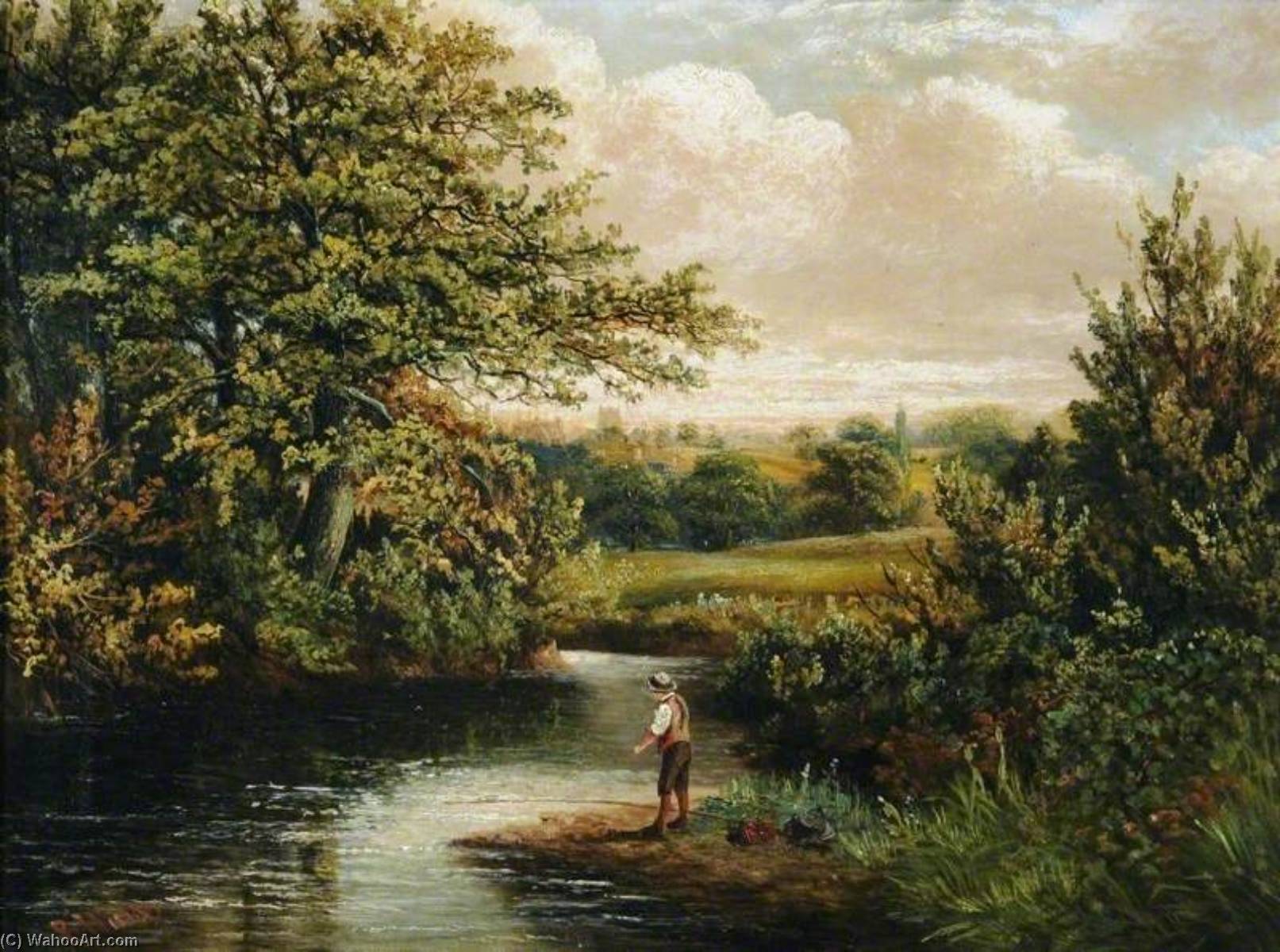
A Boy Fishing in a Wooded River Landscape
 29.0 x 38.0 cm
 Cannon Hall Museum
 詳細を見る
詳細を見る




































作品のオリジナル比率に合わせた、当店の規定サイズからお選びください。

特定のフレームやスペースに合わせて、ご希望のサイズをご入力いただけます。選択されたサイズが元の画像の比率と異なる場合、アートワークをトリミングするか、手描きで要素を追加して絵画を拡張いたします。デジタルモックアップ を制作し、制作開始前にご確認(承認)をいただきます。
画面上のプレビューは、実際のトリミングや拡張を正確に反映しているものではありません。最終的な構図は、モックアップによってのみ正確にご確認いただけます。
カスタムサイズもご利用いただけますが、元の比率を維持するためには、あらかじめ用意されたリストからサイズを選択することをお勧めいたします。
ご注文後、ArtsDot.com チームより詳細な指示をお送りするとともに、仕上がりイメージ(モックアップ)をご提供いたします。


 ガラスオプションは、110cm未満のサイズでのみご利用いただけます。

A Boy Fishing in a Wooded River Landscape
複製技法
複製画のサイズ
-


合計金額
$ 263
関連作品










アーティストの略歴
Benjamin Hold: A Visionary of Shadow and Light
The art world often seeks to categorize, to neatly define an artist’s style. Yet, Benjamin Hold (1858-1917) resists such easy classification, presenting instead a deeply personal and profoundly evocative vision. Born in Cawthorne, South Yorkshire, England, amidst the rolling hills of the Pennines, Hold’s work transcends mere representation; it delves into the realm of psychological landscapes, populated by figures caught between dream and reality, bathed in an atmosphere thick with melancholy and symbolic resonance. His legacy lies not just in a collection of paintings, but in a unique ability to capture the emotional core of his subjects – a haunting quality that continues to captivate viewers over a century later.
Hold’s early life was steeped in artistic influence. His father, a successful printer and publisher, fostered an appreciation for visual communication from a young age. This familial connection to the printed word subtly informs Hold's own work; his compositions often possess a carefully constructed narrative quality, inviting viewers to decipher layers of meaning within each scene. He received formal training at the Royal Academy in London, absorbing the techniques and conventions of academic art while simultaneously developing a distinctive approach that prioritized mood and atmosphere over strict adherence to realism. This period marked a crucial shift – he began to move away from the prevailing trends of his time, seeking instead to express inner states through carefully chosen forms and colors.
The Landscape as Soul
Hold’s landscapes are arguably his most enduring contribution. He didn't simply depict the physical beauty of the Yorkshire countryside; rather, he translated its essence into a series of emotionally charged scenes. The rolling hills, the brooding skies, the solitary figures – all contribute to a sense of isolation and introspection. His paintings of Cawthorne Mill, for example, are not merely technical studies of industrial architecture but meditations on time, memory, and the relationship between humanity and nature. Notice the use of muted colors—deep browns, grays, and blues—that evoke a feeling of quiet contemplation. The light is often diffused, casting long shadows that seem to stretch into eternity, adding to the paintings’ sense of mystery.
His meticulous attention to detail – the texture of bark on trees, the ripples in water, the folds of fabric – grounds these ethereal visions in a tangible reality. However, it's the subtle distortions and symbolic elements that elevate his work beyond simple landscape painting. Recurring motifs—a lone figure walking through a field, a dilapidated building silhouetted against the sky—suggest themes of loss, longing, and the passage of time. The influence of Symbolist art is evident in his use of color and form to convey abstract ideas and emotions.
Figures in Twilight
Hold’s portraits are equally compelling, often depicting individuals caught in moments of quiet contemplation or profound sadness. Unlike many portraitists of his era who focused on capturing a subject's outward appearance, Hold sought to reveal their inner lives. His subjects—often members of the local community—are rendered with an unsettling honesty, their faces etched with weariness and vulnerability. The lighting is typically dramatic, casting strong shadows that accentuate their features and create a sense of unease.
Consider “Saw Mill at Cawthorne, South Yorkshire.” The central figure, seemingly lost in thought, stands before the imposing structure, dwarfed by its scale. The composition—a carefully balanced arrangement of light and shadow—draws the viewer’s eye to the subject's face, where a mixture of sadness and resignation is palpable. The painting isn’t about the mill itself; it’s about the human condition – the struggle to find meaning in a world that often feels overwhelming.
Legacy and Influence
Benjamin Hold’s work was largely overlooked during his lifetime, but in recent decades, there has been a growing appreciation for his unique vision. His paintings are now recognized as significant examples of late Victorian art, characterized by their psychological depth, symbolic richness, and atmospheric intensity. His exploration of the darker aspects of human experience—loneliness, loss, and mortality—resonates powerfully with contemporary viewers.
Hold’s influence can be seen in the work of later artists who embraced a more subjective approach to painting. His emphasis on mood and atmosphere paved the way for Expressionist painters like Edward Munch and Max Beckmann. Furthermore, his meticulous attention to detail and his ability to capture the essence of ordinary subjects have made him an enduring figure in British art history. The ArtsDot gallery continues to showcase his work, ensuring that this visionary artist’s haunting landscapes and poignant portraits will continue to inspire and move audiences for generations to come.
benjamin hold
1858 - 1917
基本情報
- Artistic Movement Or Style: Realism, Dark Fantasy
- Artists Or Movements Influenced By This Artist: ['Victorian Genre Painting']
- Artists Who Influenced This Artist: ['Benjamin Haughton']
- Date Of Birth: 1858
- Date Of Death: 1917
- Full Name: Benjamin Hold
- Nationality: British
- Notable Artworks:
- Still Life
- View Saw Mill Cawthorne
- Place Of Birth: Cawthorne, South Yorkshire

