

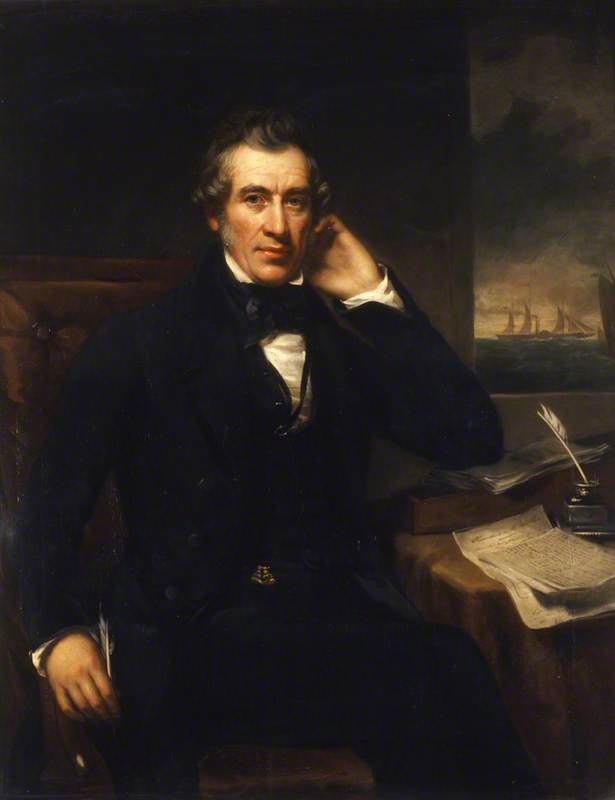
 プレビュー
プレビュー
 プリントを購入
 シェアする
シェアする シェアする
シェアする
 詳細を見る
詳細を見る

 ダウンロード
 似ている作品
 X線調査
X線調査 スライドショー
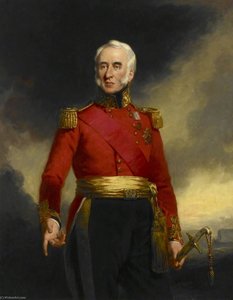
William Fairbairn (1789–1874)
 124.0 x 99.0 cm
 ロイヤル・ソサエティ
 詳細を見る
詳細を見る




































作品のオリジナル比率に合わせた、当店の規定サイズからお選びください。

特定のフレームやスペースに合わせて、ご希望のサイズをご入力いただけます。選択されたサイズが元の画像の比率と異なる場合、アートワークをトリミングするか、手描きで要素を追加して絵画を拡張いたします。デジタルモックアップ を制作し、制作開始前にご確認(承認)をいただきます。
画面上のプレビューは、実際のトリミングや拡張を正確に反映しているものではありません。最終的な構図は、モックアップによってのみ正確にご確認いただけます。
カスタムサイズもご利用いただけますが、元の比率を維持するためには、あらかじめ用意されたリストからサイズを選択することをお勧めいたします。
ご注文後、ArtsDot.com チームより詳細な指示をお送りするとともに、仕上がりイメージ(モックアップ)をご提供いたします。


 ガラスオプションは、110cm未満のサイズでのみご利用いただけます。

William Fairbairn (1789–1874)
複製技法
複製画のサイズ
-


合計金額
$ 263







アーティストの略歴
The Quiet Observer: The Life and Legacy of Benjamin Rawlinson Faulkner
In the annals of nineteenth-century British portraiture, few names evoke as much quiet reverence as Benjamin Rawlinson Faulkner. Born in Manchester in 1787 to William and Eliza Faulkner, his journey toward artistic mastery was not one of early academic training, but rather a profound transformation born from hardship. Before he ever held a brush with professional intent, Faulkner was a man of commerce, representing a significant mercantile firm in the sun-drenched outpost of Gibraltar. It was there, amidst the harrowing shadows of a plague outbreak within the garrison, that his life took an irreversible turn. The physical toll of the disease forced him back to England around 1813, and it was during this period of convalescence that a latent, dormant talent for drawing began to stir.
This unexpected awakening was nurtured by the steady hand of his brother, Joshua Wilson Faulkner, an artist of notable merit. Under his brother's guidance, Benjamin embarked on a rigorous and disciplined apprenticeship with himself, dedicating upwards of two years to the intense study of classical sculpture and the foundational principles of the antique. This period of solitary, academic devotion instilled in him a technical precision that would become the hallmark of his later work. When he eventually migrated to the vibrant, competitive artistic landscape of London, he brought with him a meticulousness forged in the crucible of classical study, setting the stage for a career defined by an unwavering commitment to realism and character.
A Master of Character and Detail
Though Faulkner’s temperament was famously diffident and retiring—a modesty that perhaps prevented him from achieving the widespread celebrity enjoyed by his more boisterous contemporaries in London—his technical prowess was undeniable. He possessed a rare ability to look beyond the mere surface of a sitter, using oil on canvas to capture not just a physical likeness, but an intellectual and spiritual depth. His brushwork, characterized by rich textures and a masterful command of light and shadow, allowed him to breathe life into his subjects, imbuing them with a sense of dignity and permanence.
His repertoire was primarily focused on the portrait, yet he occasionally turned his gaze toward the delicate studies of natural objects, demonstrating a versatile sensitivity to the world around him. His most significant contributions to the art world are perhaps best seen in his depictions of the intellectual giants of his era. Notable works include:
- John Dalton, F.R.S.: A portrait that captures the essence of the pioneering chemist, reflecting the scientific rigor of the age.
- John McCulloch: An evocative rendering of the renowned geologist, showcasing Faulkner's ability to convey intellectual weight.
- William Nield: A stunning 1849 masterpiece currently housed in Manchester Town Hall, where the subject is depicted in formal attire with an elegance that exemplifies Faulkner's skill in capturing social sophistication.
- Charles Lloyd: A dramatic portrait of a clergyman, utilizing dark tones and rich textures to evoke a sense of solemnity and historical gravity.
Historical Significance and Enduring Presence
Faulkner’s career was marked by consistent participation in the most prestigious exhibition circuits of his time. From his debut at the Royal Academy in 1821, where he presented two compelling canvases, to his regular contributions to the British Institution, the Suffolk Street Gallery, and the Liverpool Academy, he remained a steadfast presence in the British art scene. While London provided him with a platform, it was his native Manchester that truly embraced his genius. His best works remain anchored in the North, preserved in collections such as the Royal Society in London and various Manchester institutions, serving as a visual record of the region's prominent figures.
The passing of Benjamin Rawlinson Faulkner in 1849 marked the end of a life that had transitioned from the mercantile world to the heights of classical artistry. He left behind a legacy of understated excellence—a body of work that does not shout for attention but commands it through sheer, quiet brilliance. Through his portraits, we are granted a window into the Victorian soul, seeing the faces of history rendered with a level of care and profound observation that continues to resonate with art lovers today.
benjamin rawlinson faulkner
1787 - 1849
基本情報
- Artistic Movement Or Style: Romanticism
- Artists Or Movements Influenced By This Artist: ['Romantic Art']
- Artists Who Influenced This Artist: ['Joshua Wilson Faulkner']
- Date Of Birth: 1787
- Date Of Death: 1849
- Full Name: Benjamin Rawlinson Faulkner
- Nationality: English
- Notable Artworks:
- John Dalton Portrait
- Portrait of John MacCulloch
- Charles Lloyd Portrait
- Place Of Birth: Manchester, England

