

 プレビュー
プレビュー
 プリントを購入
 シェアする
シェアする シェアする
シェアする
 詳細を見る
詳細を見る

 ダウンロード
 似ている作品
 X線調査
X線調査 スライドショー
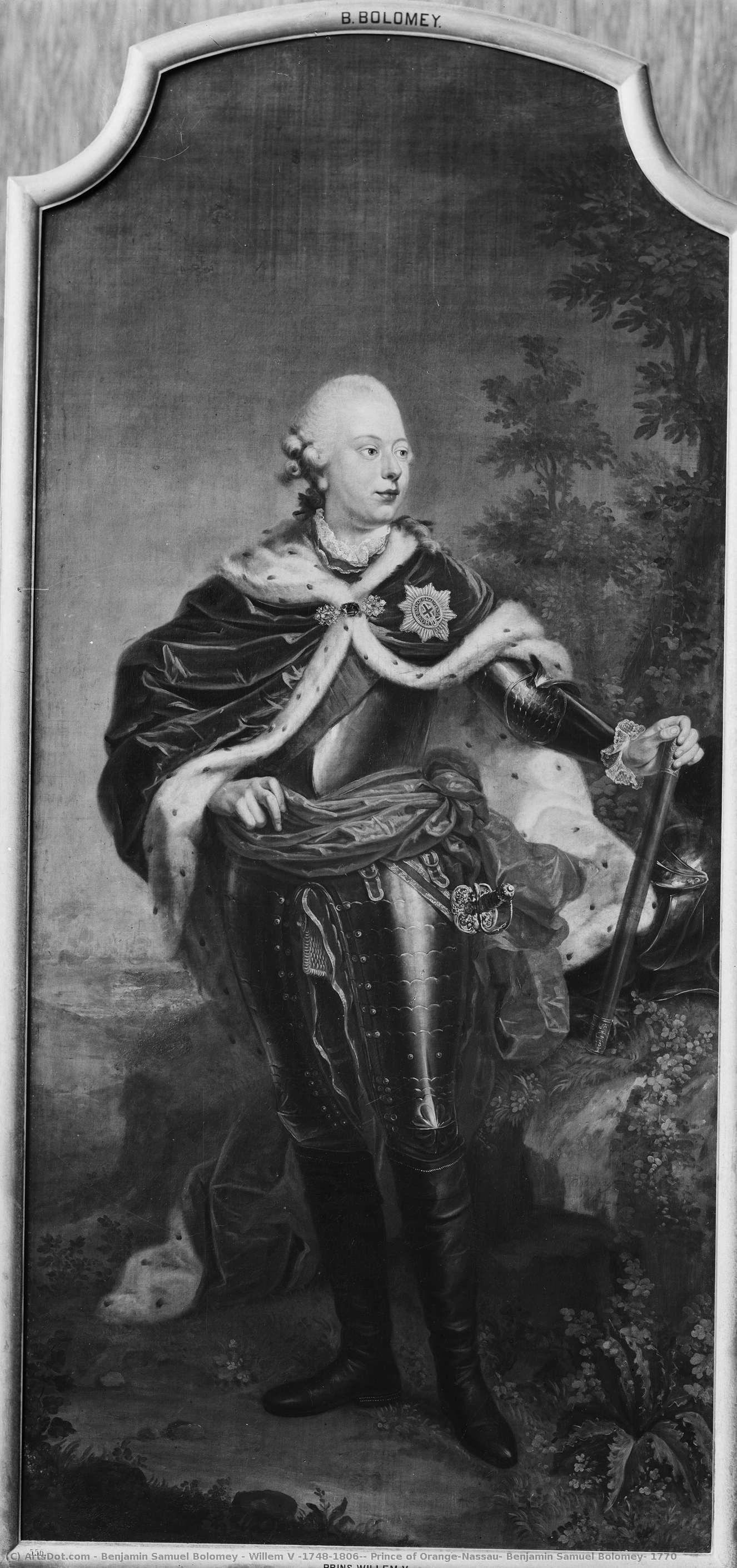
Willem V (1748-1806), Prince of Orange-Nassau, Benjamin Samuel Bolomey, 1770
 1770
1770 223.0 x 103.0 cm
 詳細を見る
詳細を見る




































作品のオリジナル比率に合わせた、当店の規定サイズからお選びください。

特定のフレームやスペースに合わせて、ご希望のサイズをご入力いただけます。選択されたサイズが元の画像の比率と異なる場合、アートワークをトリミングするか、手描きで要素を追加して絵画を拡張いたします。デジタルモックアップ を制作し、制作開始前にご確認(承認)をいただきます。
画面上のプレビューは、実際のトリミングや拡張を正確に反映しているものではありません。最終的な構図は、モックアップによってのみ正確にご確認いただけます。
カスタムサイズもご利用いただけますが、元の比率を維持するためには、あらかじめ用意されたリストからサイズを選択することをお勧めいたします。
ご注文後、ArtsDot.com チームより詳細な指示をお送りするとともに、仕上がりイメージ(モックアップ)をご提供いたします。


 ガラスオプションは、110cm未満のサイズでのみご利用いただけます。

Willem V (1748-1806), Prince of Orange-Nassau, Benjamin Samuel Bolomey, 1770
複製技法
複製画のサイズ
-


合計金額
$ 263
関連作品








アーティストの略歴
Benjamin Samuel Bolomey: Life and Legacy
Early Life and Education
Benjamin Samuel Bolomey was born on May 19, 1739, in Lausanne, Switzerland, to François Louis Bolomey, an hotelier, and Pernette Mercier. He began his artistic journey early, moving to Paris in 1752 to pursue studies as a pastel portrait painter. He formally became a pupil of Joseph-Marie Vien in 1758, further refining his skills under the guidance of this prominent artist.
During his Parisian period, Bolomey was also influenced by the works of Boucher and La Tour, absorbing elements from their distinct styles that would later inform his own artistic approach.
Career in The Netherlands
In 1763, Bolomey relocated to The Hague, joining the Confrerie Pictura – a prestigious society of artists. He quickly established himself as a sought-after portrait painter, becoming court painter to William V, Prince of Orange. This position allowed him access to Dutch high society and provided numerous opportunities to create portraits of prominent figures.
Bolomey’s success continued with his appointment as regent of the Confrerie in 1771. He further solidified his influence by becoming director of the Royal Academy of Art in The Hague from 1777 until 1791.
Artistic Style and Influences
Bolomey’s artistic style is characterized by refined portraiture, often executed in pastel. His portraits capture the personality and status of his sitters with a delicate touch and attention to detail. While influenced by French Rococo aesthetics through Boucher, and Vien's neoclassical leanings, Bolomey developed a distinctive approach that blended elegance with realism.
- Pastel Portraiture: A signature technique showcasing soft colors and subtle shading.
- Realism & Elegance: Balancing accurate representation with refined artistic presentation.
- Influence of French Art: Evident in the composition and stylistic choices.
Return to Switzerland and Political Involvement
In 1791, Bolomey returned to his hometown of Lausanne. During the years of the Helvetic Republic (1798–1803), he painted a series of portrait miniatures depicting politicians and revolutionaries from Vaud – then part of the canton of Bern.
Following Vaud’s establishment as a Swiss canton, Bolomey transitioned into politics, serving as a member of the Grand Council of Vaud from 1803 to 1807. This demonstrates his commitment to civic duty alongside his artistic pursuits.
Legacy and Historical Significance
Benjamin Samuel Bolomey’s work provides valuable insights into the social and political landscape of both the Netherlands during the late 18th century and Switzerland during a period of significant change. His portraits offer a glimpse into the lives of prominent individuals, while his miniatures document a pivotal moment in Vaud's history.
He died in Lausanne on December 19, 1819, at the age of 80, leaving behind a legacy as both a skilled artist and an engaged citizen. His contributions to portraiture and his involvement in Swiss politics mark him as a notable figure in European history.
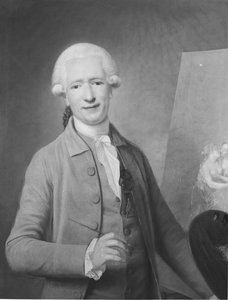
Benjamin Samuel Bolomey
1739 - 1819 , Switzerland
基本情報
- Birth Date: 1739-05-19
- Birth Place: Lausanne, Switzerland
- Death Date: 1819-12-19
- Influenced By:
- Joseph-Marie Vien
- Boucher
- La Tour
- Movement: Portraiture
- Name: Benjamin Samuel Bolomey
- Nationality: Swiss
- Notable Works:
- Frederika Sophia Wilhelmina of Prussia (portrait)
- Willem V, Prince of Orange-Nassau (portrait)

