

 プリントを購入
 シェアする
シェアする シェアする
シェアする
 詳細を見る
詳細を見る

 ダウンロード
 似ている作品
 スライドショー
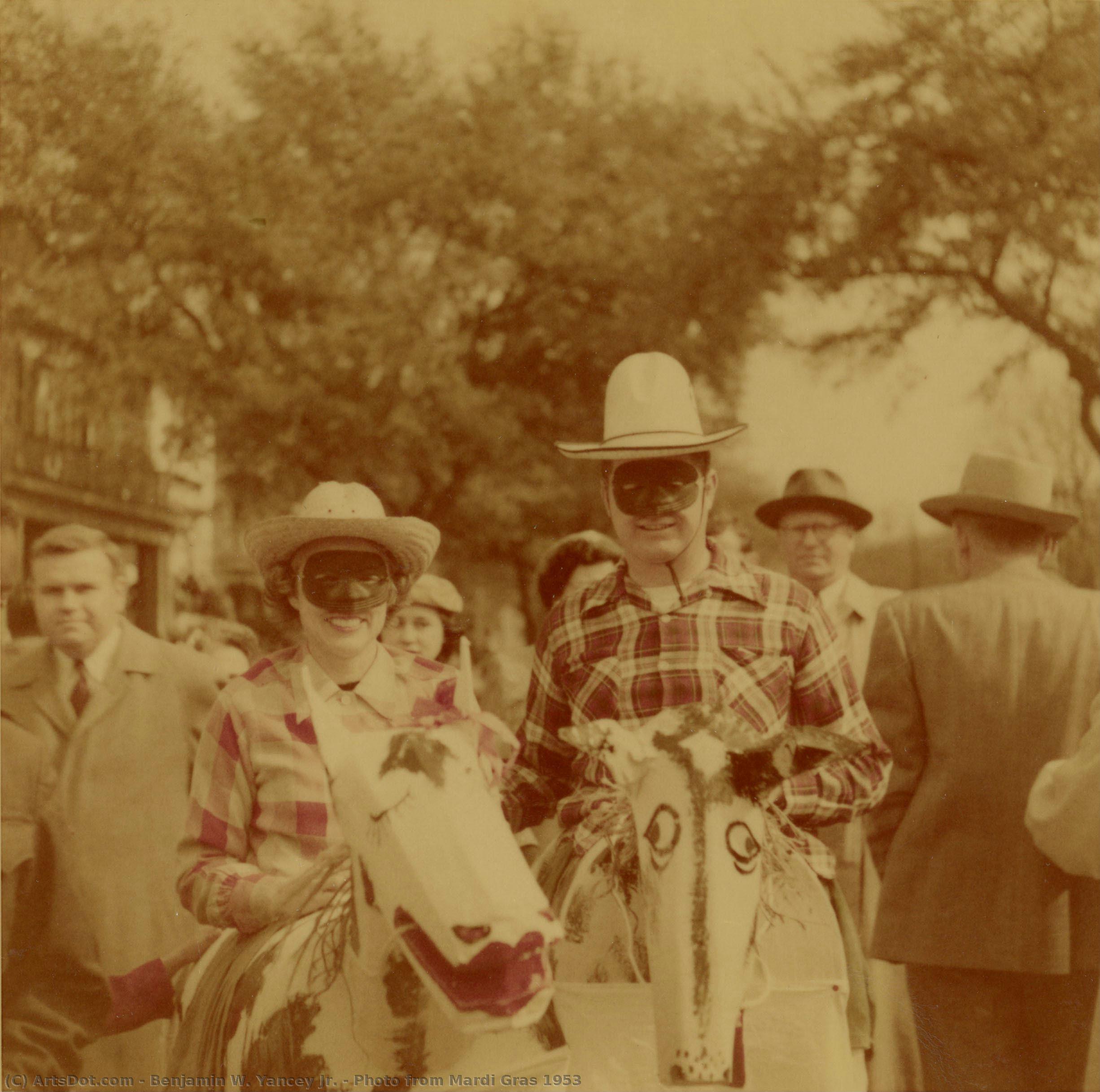
Photo from Mardi Gras 1953


 詳細を見る
詳細を見る




































作品のオリジナル比率に合わせた、当店の規定サイズからお選びください。

特定のフレームやスペースに合わせて、ご希望のサイズをご入力いただけます。選択されたサイズが元の画像の比率と異なる場合、アートワークをトリミングするか、手描きで要素を追加して絵画を拡張いたします。デジタルモックアップ を制作し、制作開始前にご確認(承認)をいただきます。
画面上のプレビューは、実際のトリミングや拡張を正確に反映しているものではありません。最終的な構図は、モックアップによってのみ正確にご確認いただけます。
カスタムサイズもご利用いただけますが、元の比率を維持するためには、あらかじめ用意されたリストからサイズを選択することをお勧めいたします。
ご注文後、ArtsDot.com チームより詳細な指示をお送りするとともに、仕上がりイメージ(モックアップ)をご提供いたします。


 ガラスオプションは、110cm未満のサイズでのみご利用いただけます。

Photo from Mardi Gras 1953
複製技法
複製画のサイズ
-


合計金額
$ 263
作品解説
A Glimpse Through Time: The Spirit of Mardi Gras in 1953
To stand before this evocative photograph from Mardi Gras in 1953 is to step directly into a vibrant, sun-drenched moment suspended decades ago. It is more than just an image; it is a captured exhalation of communal joy, the rich tapestry woven from tradition, spectacle, and the sheer exuberance of life celebrated on the streets of New Orleans. The composition immediately draws the eye to the central figure—a man embodying the spirit of the American West, clad in unmistakable cowboy regalia while participating in this quintessential Southern celebration. His presence, anchored by the reins of a magnificent horse, suggests a confluence of cultures, where frontier grit meets carnival splendor.
The Artistry of the Moment: Technique and Atmosphere
Though presented as a vintage photograph, its reproduction allows us to appreciate the masterful documentation of light and human interaction. The black and white medium lends an immediate sense of timeless gravitas, stripping away the distraction of modern color palettes to focus instead on form, gesture, and emotional resonance. Observe the interplay between the main subjects and the background figures; they are not merely placed within a frame but exist in a shared kinetic energy. The visible details—the crisp lines of the attire, the subtle gleam off the horse’s tack, even the distant tie glimpsed on a passerby—speak to the meticulous nature of documentary photography. It is a study in candid portraiture, where the photographer managed to freeze a fleeting, perfect instant amidst the glorious chaos.
Historical Echoes and Cultural Resonance
The year 1953 places this scene squarely in a post-war America, yet one deeply rooted in the enduring traditions of New Orleans. Mardi Gras itself is a ritualistic outpouring, a period where social boundaries soften under the weight of celebration. The inclusion of Western elements alongside the established carnival iconography suggests a dynamic cultural moment—a blending of regional identities that defined the mid-20th century South. For the collector or designer, this piece offers an unparalleled narrative anchor; it speaks to resilience, festivity, and the enduring power of place.
Symbolism of Celebration and Connection
The symbolism here is rich and multifaceted. The horse and cowboy hat represent a connection to history, perhaps even a romanticized vision of American heritage, while the crowd itself symbolizes community—the vital human need to gather, to participate, and to be seen together. It evokes feelings of nostalgia, adventure, and belonging. Reproducing this work allows one to infuse an interior space not just with decoration, but with palpable memory. Imagine this piece gracing a hall or a study; it becomes a conversation starter, whispering tales of parades, laughter, and the unforgettable spirit of Carnival.
関連作品
アーティストの略歴
Benjamin W. Yancey Jr.: A Life of Politics, War, and Photography
Early Life and Education
- Born: April 27, 1817, in New Orleans, United States of America.
- Yancey Jr. came from a prominent Southern family; his father was Benjamin Cudworth Yancey Sr., and he was the brother of William Lowndes Yancey, a leading “Fire-Eater” advocating for secession.
- He received a formal education at Franklin College (now part of the University of Georgia), graduating in 1836 with a Bachelor of Arts degree.
- Yancey Jr. continued his studies at Harvard Law School, earning a Bachelor of Laws degree.
Political and Legal Career
- He began his legal career in Edgefield, South Carolina, practicing law from 1846 to 1849.
- Yancey Jr. served as a U.S. Representative for South Carolina from 1849 to 1851, aligning with the Democratic Party.
- Strong Secessionist Views: He became a vocal supporter of slavery and states' rights, advocating for secession in the years leading up to the Civil War.
- He served as a Confederate States Senator from 1862 to 1865 during the American Civil War.
Military Service During the Civil War
- During the Civil War, Yancey Jr. actively participated in the Confederate cause.
- He initially served as a major in Cobb's Legion before being transferred to Georgia with the rank of Colonel, where he commanded state troops.
Transition to Photography
- A Shift in Focus: After the Civil War, Yancey Jr. turned his attention to photography, documenting life in New Orleans and beyond.
- He became known for capturing vibrant scenes of Mardi Gras celebrations, providing a valuable visual record of this cultural tradition.
- His photographs also depicted mid-century American life, offering glimpses into the social and political landscape of the time. Notable subjects included parades and everyday street scenes.
Artistic Style and Themes
- Documentary Approach: Yancey Jr.’s photography is characterized by a documentary style, aiming to realistically portray his subjects without significant artistic manipulation.
- Cultural Preservation: His Mardi Gras photographs are particularly valuable for their preservation of cultural traditions and social customs.
- His work provides insights into the post-war South and the changing dynamics of American society.
Legacy and Historical Significance
- Benjamin W. Yancey Jr.’s life reflects the complexities of 19th-century America, encompassing politics, war, and cultural documentation.
- His photographs offer a unique perspective on New Orleans’ Mardi Gras celebrations and provide valuable historical records of mid-20th century American life.
- A Multifaceted Figure: He remains a notable figure in both Southern history and the development of documentary photography.
- His work can be explored through online platforms like ArtsDot.com and historical archives, ensuring his legacy endures for future generations.
Death
- Yancey Jr. passed away on October 24, 1891.
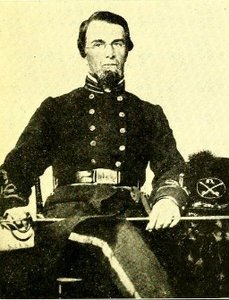
benjamin w. yancey jr.
1817 - 1891 , United States of America
基本情報
- Birth Date: April 27, 1817
- Birth Place: New Orleans, United States of America
- Death Date: October 24, 1891
- Movement: Photography
- Name: Benjamin W. Yancey Jr.
- Nationality: American
- Notable Works:
- Photo from Mardi Gras 1953
- Eisenhower parade, horse and rider, Decatur St.
関連記事

Echoes of Time: Exploring the Enduring Appeal & Historical Context of Vintage Art Prints
Explore the captivating world of vintage art prints! Discover their history, collecting tips & enduring appeal. Expert insights on chromolithography and building a legacy collection with ArtsDot.

Giclée Prints: Archival Quality & Aesthetic Nuances for the Discerning Collector
Explore the world of giclée prints with ArtsDot. Learn about archival quality, aesthetic nuances & investment potential. Expert guidance for discerning art collectors seeking museum-quality reproductions and lasting value.

The Enduring Legacy of Fine Art Prints: Technique, History & Aesthetic Impact
Explore the rich history & techniques of fine art prints. Discover investment potential, assess authenticity, and learn how to preserve your collection with expert guidance. Trusted insights for discerning collectors.
The Enduring Legacy of Printmaking: Techniques, Themes & Artistic Innovation Across Centuries
Explore the rich history of printmaking with ArtsDot. Discover techniques from intaglio to lithography, learn about collecting valuable prints & find museum-quality reproductions. Expert insights for art enthusiasts and collectors.
The Enduring Legacy of Woodblock Printmaking: Technique, History & Artistic Expression
Explore the rich history of woodblock printmaking – from ancient techniques to Ukiyo-e masterpieces. Discover expert insights on collecting, preserving & appreciating this enduring art form.

