 プレビュー
プレビュー
 プリントを購入
 シェアする
シェアする シェアする
シェアする
 詳細を見る
詳細を見る

 ダウンロード
 似ている作品
 X線調査
X線調査 スライドショー
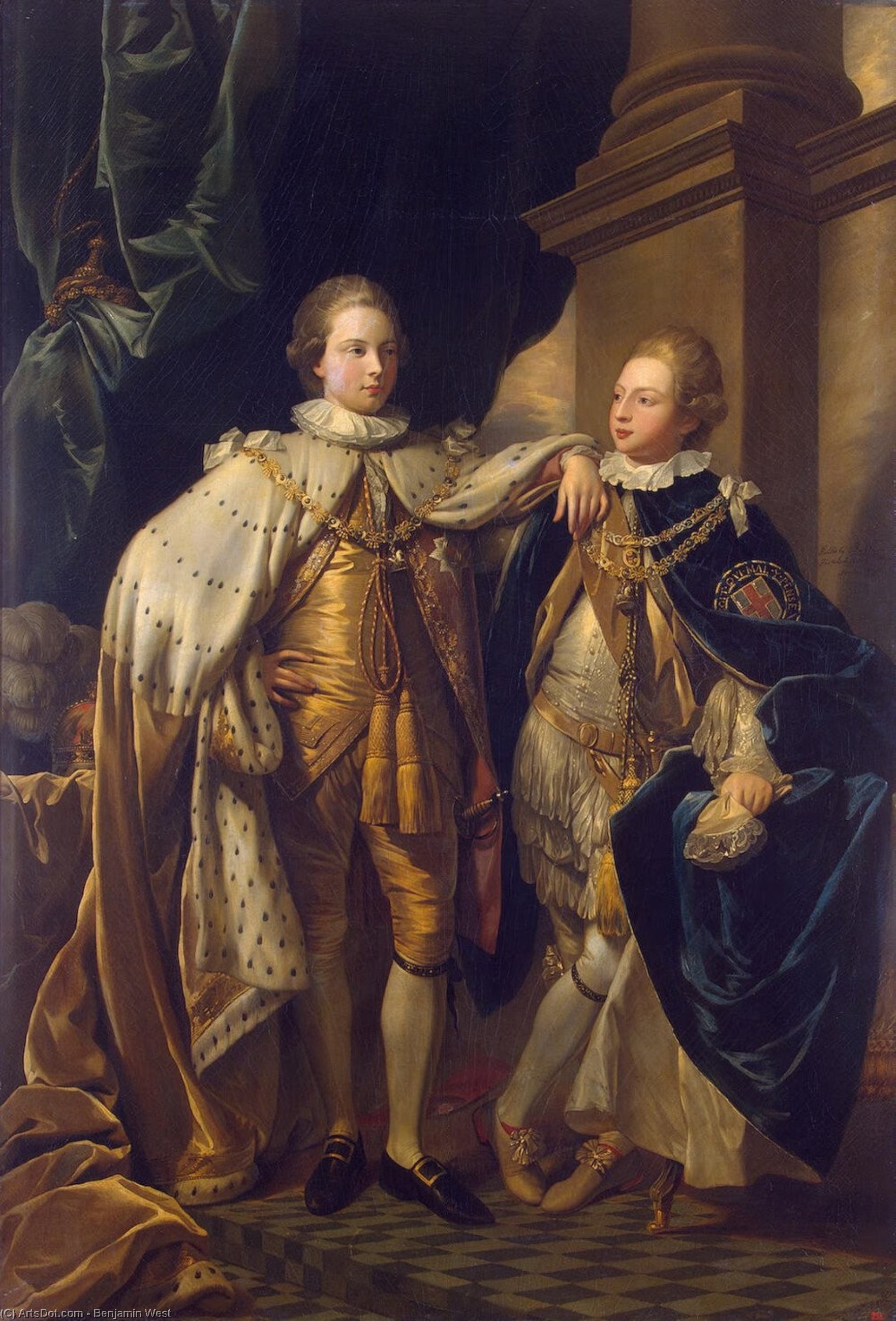
Portrait of George, Prince of Wales, and Prince Frederick, later Duke of York
 Oil On Canvas
- WallArt
- Neoclassicism
 1778
1778 241.0 x 166.0 cm
 エルミタージュ美術館
 詳細を見る
詳細を見る




P118B $10

P118H $10

P118W $10

P438Z $10

P508JH $12

P508YH $12

P805H $10

P805Z $10

P919BZ $10

P919G $10

P919XJ $10

P959ZH $10

P968JZ $12

W106C $8

W218G $10

W218JH $8

W218Y $10

W307PJ $10

W316G $10

W316PJ $8

W316Y $10

W398PJ $8

W4111J $10

W500HY $15

W500JH $15

W692G $12

W849H $8

W940BG $15

W953PJ $8




作品のオリジナル比率に合わせた、当店の規定サイズからお選びください。

特定のフレームやスペースに合わせて、ご希望のサイズをご入力いただけます。選択されたサイズが元の画像の比率と異なる場合、アートワークをトリミングするか、手描きで要素を追加して絵画を拡張いたします。デジタルモックアップ を制作し、制作開始前にご確認(承認)をいただきます。
画面上のプレビューは、実際のトリミングや拡張を正確に反映しているものではありません。最終的な構図は、モックアップによってのみ正確にご確認いただけます。
カスタムサイズもご利用いただけますが、元の比率を維持するためには、あらかじめ用意されたリストからサイズを選択することをお勧めいたします。
ご注文後、ArtsDot.com チームより詳細な指示をお送りするとともに、仕上がりイメージ(モックアップ)をご提供いたします。


 ガラスオプションは、110cm未満のサイズでのみご利用いただけます。

Portrait of George, Prince of Wales, and Prince Frederick, later Duke of York
複製技法
複製画のサイズ
-


合計金額
$ 263
A Window into the Royal Court: Benjamin West’s Double Portrait
Benjamin West’s “Portrait of George, Prince of Wales, and Prince Frederick, later Duke of York” (1778) is more than just a likeness; it's a meticulously crafted tableau vivant offering a rare glimpse into the social dynamics and burgeoning political currents of 18th-century Britain. Housed within the walls of The Hermitage in St. Petersburg, this oil on canvas masterpiece transcends mere portraiture, becoming a study in power, familial connection, and the subtle anxieties of a nation poised on the brink of revolution. West, a pivotal figure bridging the worlds of Neoclassicism and Romanticism – and uniquely American in his artistic development – expertly captures not just appearances but also the personalities and roles of these two young men destined for significant futures.
Image: Portrait of George, Prince of Wales, and Prince Frederick, later Duke of York by WEST, Benjamin
Formal Grace and Subtle Tension
The composition immediately establishes a sense of formality. Both princes are rendered in the crisp attire characteristic of their station – Prince George, the elder, proudly wears the symbols of his impending reign: a crown signifying his future role as King George IV. His posture is upright, confident, projecting an image of regal authority. Prince Frederick, on the right, adopts a slightly more relaxed stance, yet remains impeccably dressed in the robes of the Garter, further emphasizing his noble lineage and connection to the established order. The background, a carefully considered checkered pattern – a detail often overlooked – adds visual interest and subtly anchors the scene within its historical context. It’s not merely decorative; it evokes the formality of courtly life and the structured world they inhabit.
A Royal Conversation
The painting isn't frozen in static pose. West masterfully suggests an ongoing conversation, a shared moment of interaction between the brothers. Prince George leans slightly towards Frederick, his hand resting lightly on the younger prince’s shoulder – a gesture of familial affection tempered by the inherent power dynamic. This intimate touch contrasts sharply with the formality of their attire and the surrounding setting, hinting at a bond that transcends titles and expectations. The subtle shift in body language speaks volumes about the complex relationship between these two young men, heirs to the British throne.
Historical Context: Brothers in Arms and Shadows of Change
The painting’s historical significance extends far beyond its aesthetic qualities. It depicts George, Prince of Wales (later King George IV), and Frederick, later Duke of York, during a period of immense political and social change. George was known for his extravagant tastes and often clashed with Parliament, while Frederick, despite his future role as commander-in-chief of the British Army, struggled with personal challenges and ultimately suffered from debilitating mental illness. The painting captures them at a pivotal moment – young men poised to inherit a kingdom grappling with shifting political landscapes and the looming shadow of revolution. The fact that West was commissioned by King George III himself underscores the importance placed on projecting an image of stability and continuity during this turbulent era.
Symbolism and Legacy
West’s work resonates with echoes of earlier portraiture, notably Van Dyck's depictions of royalty. However, West subtly updates these traditions, injecting a sense of realism and psychological depth rarely seen in his predecessors. The painting serves as a valuable historical document, offering insights into the lives of the British royal family during the 18th century. Furthermore, it’s part of a broader artistic conversation – alongside works by Johann Zoffany and other contemporaries – reflecting the evolving standards and techniques of portraiture at the time. Reproductions like those offered by ArtsDot.com allow us to appreciate West's skill and the historical richness contained within this captivating image.
関連作品
アーティストの略歴
ペンシルベニアの若き才能:ベンジャミン・ウェストの生い立ちと初期のキャリア
1738年、植民地時代のペンシルベニアに生まれたベンジャミン・ウェストは、新旧大陸を繋ぐ芸術家として頭角を現しました。彼の生涯は、並外れた独学精神、揺るぎない野心、そして貴族のパトロンと革命的な思想の両方と繋がりを持つ類まれな能力によって彩られています。スプリングフィールドで宿屋の息子として生まれたウェストは、幼少の頃から芸術に触れ、正式な訓練を受ける前にネイティブ・アメリカンから基本的な技術を学んだと言われています。この型破りな始まりが、彼のキャリア全体を通して見られる革新的な精神を育みました。彼はフィラデルフィアやニューヨークで求められる肖像画家としてすぐに頭角を現しましたが、より深い芸術的知識への渇望は彼を1760年にヨーロッパへと導き、アメリカ美術の進路を永遠に変える旅に出発しました。イタリアからロンドンへ:名声への道
ウェストがイタリアに到着したことは転換点となりました。ヨーロッパの芸術の中心地で没頭し、彼はティツィアーノやラファエロなどの巨匠を研究し、アントン・ラファエル・メングスやアンジェリカ・カウフマンのような同時代の新古典主義思想家と交流しました。この時期は彼の美的感性を形成する上で非常に重要であり、古典的な形式と歴史的物語への理解を深めました。しかし、最終的にロンドンが彼の帰身の地となり、芸術の中心地となりました。1763年に到着したウェストは、野心的なキャンバスで観客を魅了し、ジョージ3世国王の後援を得て、瞬く間にイギリス美術界のランクを駆け上がりました。この王室からの支持は経済的安定をもたらしただけでなく、彼の地位を確立しました。1769年のロイヤル・アカデミーへの選出は画期的な瞬間であり、彼は後に1892年から亡くなるまで会長を務めることになります。彼の影響力は自身の芸術作品の制作を超え、アメリカ人アーティストが海外で訓練を受けるための支援と指導を提供し、アリストンやコプリー、モースといった次世代の画家たちを育てました。歴史画の革新:技法と論争
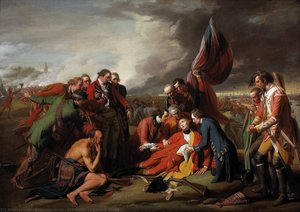
ウェストの芸術世界への影響は、単に技術的な習熟度を達成することだけではありませんでした。それは慣習に挑戦することについてでした。彼は歴史画を再考し、古典的な先例への厳格な遵守から離れ、より現代的な感性を取り入れました。おそらく彼の最も有名な作品である「ウォルフ将軍の死」(1770)は、この革新的なアプローチを具体的に示しています。従来のローマ風の衣装ではなく、*同時代の*軍服を着た人物を描くことで、ウェストは大きな議論を巻き起こしました。批評家たちは歴史的正確性を疑問視しましたが、観客はそのシーンの即時性と感情的な共鳴に魅了されました。この大胆な動きは、より現実主義と物語性のある歴史画へのシフトを示し、それに続く無数のアーティストに影響を与えました。彼のスタイルは時間の経過とともに進化し、後の作品にはロマン主義の要素を取り入れましたが、常に野心的な構成と詳細な実行へのコミットメントを維持しました。他の注目すべき作品であるテティスが鎧をもたらす、三姉妹、アステュアナクスの恐怖、絶望の洞窟は、彼の多様性と神話や歴史的テーマにおける習熟度を示しています。永続的な遺産:芸術的アイデンティティの形成
ベンジャミン・ウェストの遺産は、彼が制作したキャンバスを超えています。彼はアメリカ美術の風景を根本的に変え、歴史画をアメリカ人アーティストにとって実行可能なジャンルとして確立し、国民的な芸術的アイデンティティの感覚を育みました。ロイヤル・アカデミーの会長としての彼の地位は、イギリス美術への影響力を確固たるものにし、革新を促進し、新たな才能を支援しました。- 彼は、よりアクセスしやすく感情的に魅力的な歴史表現のスタイルを提唱しました。
- 彼のスタジオは、ヨーロッパで訓練を受けるアメリカ人アーティストのための避難所となりました。
- 彼は、新古典主義の理想と勃興するロマン派運動との間の架け橋となりました。
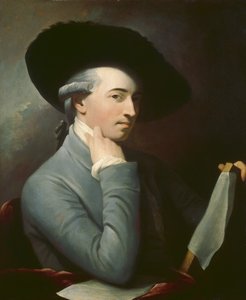
ベンジャミン・ウェスト
1738 - 1820 , アメリカ合衆国
基本情報
- Artistic Movement Or Style: 新古典主義、ロマン主義
- Artists Or Movements Influenced By This Artist:
- オールストン
- コプリー
- モース
- Artists Who Influenced This Artist:
- ティツィアーノ
- ラファエロ
- メングス
- Date Of Birth: 1738年10月10日
- Date Of Death: 1820年3月11日
- Full Name: ベンジャミン・ウェスト
- Nationality: アメリカ人
- Notable Artworks:
- 「ウォルフ将軍の死」
- 「テティスの武具」
- Place Of Birth (City And Country): ペンシルベニア州スプリングフィールド
関連記事

ジョルジュ・ブラック傑作25選:革新的なキュビスムの世界と装飾への誘い
ジョルジュ・ブラックの傑作25選。キュビスムを代表する画家、その革新的な色彩と技法に迫ります。名画から知られざる逸品まで、美術史に残る作品群をArtsDot.comで鑑賞。お部屋を彩るアートプリントも多数ご用意。今すぐオンラインでコレクションをご覧ください。

ジョルジュ・スーラ傑作25選:光と色彩の科学が織りなす芸術の世界|ArtsDot
ジョルジュ・スーラの傑作25選。点描画の光と色彩、印象派から新印象派へ—ArtsDotで美術史を紐解き、リビングやダイニングを彩る高品質なアートプリントを見つけましょう。セーラ作品集をオンラインで鑑賞ください。
Benjamin West: Transatlantic Ambition & Shaping American Art
Explore the life & legacy of Benjamin West, pioneering American artist and Royal Academy president. Discover his Neoclassical masterpieces, transatlantic influence, and lasting impact on art history. Learn more at ArtsDot.

Frederick William Jackson: Capturing the American West Through Luminist Vision & Narrative Detail
Explore the captivating works of Frederick William Jackson, a pioneer of Western realism & Luminist painting. Discover his atmospheric landscapes, depictions of Native American life, and lasting legacy. Learn more at ArtsDot.
Charles Marion Russell: Capturing the American West Through a Romantic Lens
Explore the captivating world of Charles Marion Russell, 'the cowboy artist.' Discover his life, iconic paintings, advocacy for Native Americans, and investment potential. A guide for discerning art collectors.