 プレビュー
プレビュー
 プリントを購入
 シェアする
シェアする シェアする
シェアする
 詳細を見る
詳細を見る

 ダウンロード
 似ている作品
 X線調査
X線調査 スライドショー
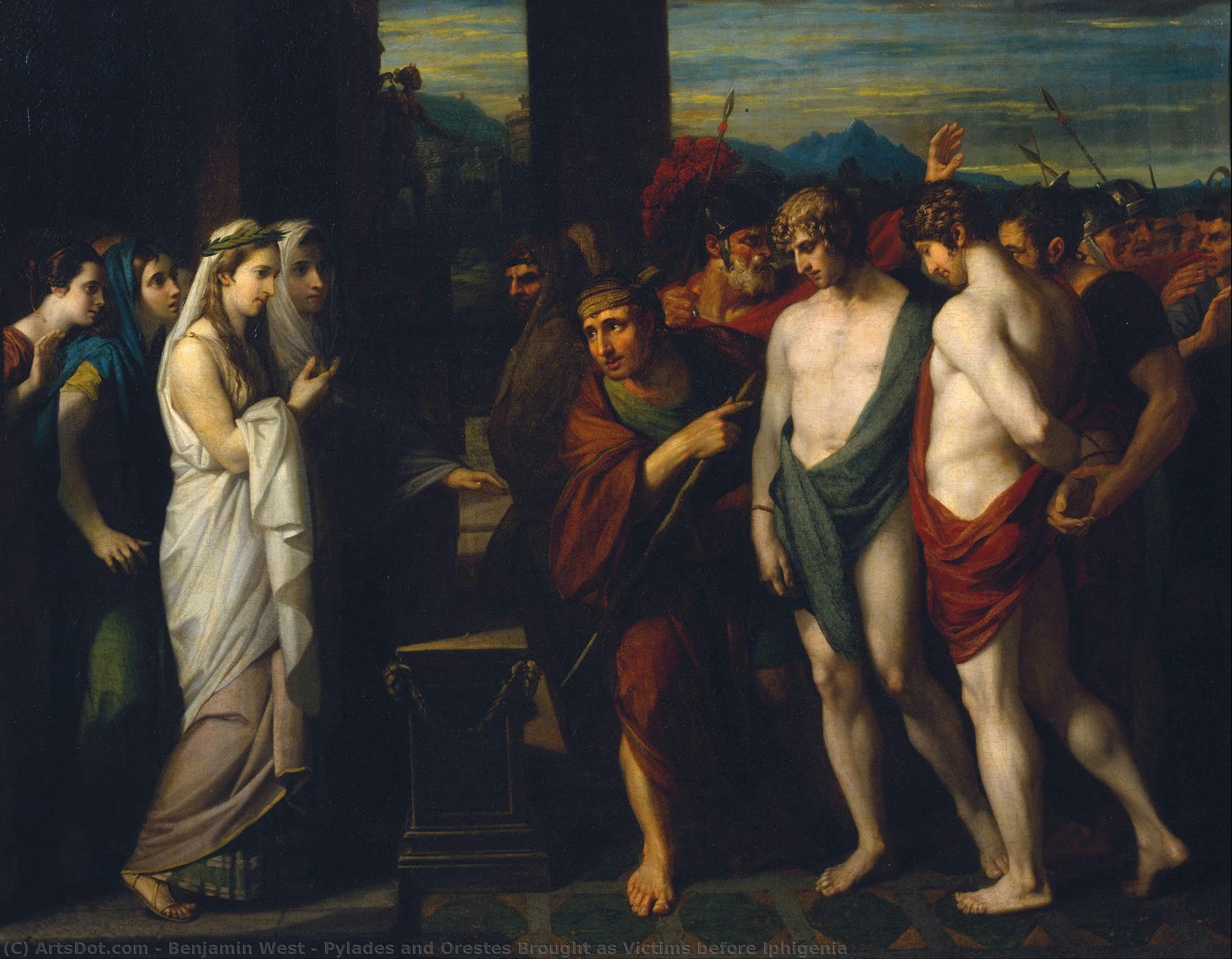
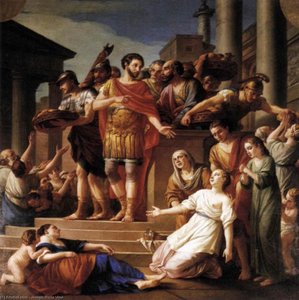
Pylades and Orestes Brought as Victims before Iphigenia
 Oil On Canvas
- WallArt
- Neoclassical Painting
 1766
1766 126.0 x 100.0 cm
 テート・ブリテン
 詳細を見る
詳細を見る




P118B $10

P118H $10

P118W $10

P438Z $10

P508JH $12

P508YH $12

P805H $10

P805Z $10

P919BZ $10

P919G $10

P919XJ $10

P959ZH $10

P968JZ $12

W106C $8

W218G $10

W218JH $8

W218Y $10

W307PJ $10

W316G $10

W316PJ $8

W316Y $10

W398PJ $8

W4111J $10

W500HY $15

W500JH $15

W692G $12

W849H $8

W940BG $15

W953PJ $8




作品のオリジナル比率に合わせた、当店の規定サイズからお選びください。

特定のフレームやスペースに合わせて、ご希望のサイズをご入力いただけます。選択されたサイズが元の画像の比率と異なる場合、アートワークをトリミングするか、手描きで要素を追加して絵画を拡張いたします。デジタルモックアップ を制作し、制作開始前にご確認(承認)をいただきます。
画面上のプレビューは、実際のトリミングや拡張を正確に反映しているものではありません。最終的な構図は、モックアップによってのみ正確にご確認いただけます。
カスタムサイズもご利用いただけますが、元の比率を維持するためには、あらかじめ用意されたリストからサイズを選択することをお勧めいたします。
ご注文後、ArtsDot.com チームより詳細な指示をお送りするとともに、仕上がりイメージ(モックアップ)をご提供いたします。


 ガラスオプションは、110cm未満のサイズでのみご利用いただけます。

Pylades and Orestes Brought as Victims before Iphigenia
複製技法
複製画のサイズ
-


合計金額
$ 263
作品解説
Benjamin West's "Pylades and Orestes Brought as Victims before Iphigenia" – A Study in Neoclassical Drama
This meticulously rendered black and white depiction, measuring 126 x 100 cm and dating from 1766, offers a compelling glimpse into the artistic sensibilities of Benjamin West, a pivotal figure bridging the worlds of classical tradition and burgeoning American identity. West’s “Pylades and Orestes Brought as Victims before Iphigenia” isn't merely a historical scene; it’s a carefully constructed tableau brimming with dramatic tension and philosophical contemplation, reflecting the artist’s deep engagement with Neoclassical ideals prevalent during his time.
- Subject Matter: The painting portrays a pivotal moment from Sophocles’ *Little Plays*, specifically “Pylades and Orestes.” It depicts the tragic figures of Pylades and Orestes, brought before Iphigenia as victims awaiting judgment. This narrative, rich in themes of loyalty, betrayal, and divine retribution, provided West with ample opportunity to explore complex human emotions and moral dilemmas.
- Neoclassical Style: West’s work firmly anchors itself within the Neoclassical movement, a reaction against the perceived excesses of the Rococo style. Characterized by its emphasis on order, clarity, and rational composition, this piece showcases a deliberate restraint in brushwork and an adherence to classical principles of perspective and anatomy.
Technique and Composition – A Masterclass in Dramatic Rendering
West’s technical skill is immediately apparent in the precise rendering of form and texture. The monochrome palette intensifies the drama, forcing the viewer's attention onto the figures themselves and their expressions. Note the careful modeling of musculature, a hallmark of West’s training in anatomy – influenced by his early observations of Native American forms – combined with a sophisticated understanding of classical sculpture. The composition is deliberately static, reflecting the solemnity of the scene and emphasizing the characters' vulnerability. The figures are arranged in a triangular formation, a compositional device frequently employed in Neoclassical art to convey stability and order amidst chaos.
- Brushwork: West employs a controlled brushstroke, building up tonal values through layers of delicate washes rather than relying on broad, expressive marks.
- Light and Shadow: The strategic use of light and shadow dramatically highlights the faces of the figures, intensifying their emotional states – fear, resignation, and perhaps even a glimmer of defiance.
Historical Context and Symbolism – A Reflection of its Time
Painted in 1766, this work reflects the intellectual climate of the era, marked by a renewed interest in classical antiquity following the Enlightenment. West was deeply influenced by the ideals of republican virtue and civic duty, themes frequently explored in Neoclassical art. The scene itself carries potent symbolic weight: Iphigenia, representing justice and divine authority, stands as a formidable presence against the youthful vulnerability of Pylades and Orestes. The act of bringing them before her signifies their submission to fate – a common motif in Greek tragedy – but also underscores the enduring struggle between human agency and the forces beyond our control.
- Benjamin West’s Patronage: West's ability to secure commissions from both British and American patrons demonstrates his versatility and influence.
- American Identity: The painting contributes to West’s evolving identity as an artist, bridging the gap between European artistic traditions and emerging American sensibilities.
Emotional Impact and Artistic Value – A Timeless Masterpiece
"Pylades and Orestes Brought as Victims before Iphigenia" transcends its historical context to offer a profoundly moving experience for the viewer. The painting’s inherent drama, combined with West's masterful technique, creates an image of enduring power. This hand-painted reproduction captures not only the visual details but also the emotional weight and intellectual depth of this significant work, making it a valuable addition to any discerning collection or a captivating focal point for interior design.
関連作品


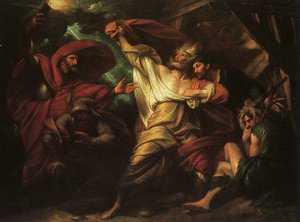
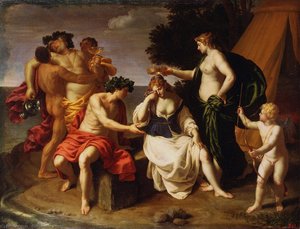
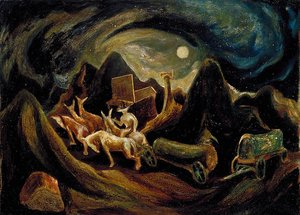
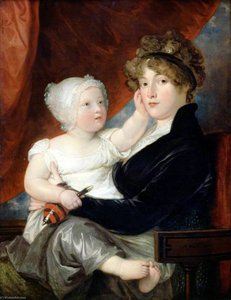

アーティストの略歴
ペンシルベニアの若き才能:ベンジャミン・ウェストの生い立ちと初期のキャリア
1738年、植民地時代のペンシルベニアに生まれたベンジャミン・ウェストは、新旧大陸を繋ぐ芸術家として頭角を現しました。彼の生涯は、並外れた独学精神、揺るぎない野心、そして貴族のパトロンと革命的な思想の両方と繋がりを持つ類まれな能力によって彩られています。スプリングフィールドで宿屋の息子として生まれたウェストは、幼少の頃から芸術に触れ、正式な訓練を受ける前にネイティブ・アメリカンから基本的な技術を学んだと言われています。この型破りな始まりが、彼のキャリア全体を通して見られる革新的な精神を育みました。彼はフィラデルフィアやニューヨークで求められる肖像画家としてすぐに頭角を現しましたが、より深い芸術的知識への渇望は彼を1760年にヨーロッパへと導き、アメリカ美術の進路を永遠に変える旅に出発しました。イタリアからロンドンへ:名声への道
ウェストがイタリアに到着したことは転換点となりました。ヨーロッパの芸術の中心地で没頭し、彼はティツィアーノやラファエロなどの巨匠を研究し、アントン・ラファエル・メングスやアンジェリカ・カウフマンのような同時代の新古典主義思想家と交流しました。この時期は彼の美的感性を形成する上で非常に重要であり、古典的な形式と歴史的物語への理解を深めました。しかし、最終的にロンドンが彼の帰身の地となり、芸術の中心地となりました。1763年に到着したウェストは、野心的なキャンバスで観客を魅了し、ジョージ3世国王の後援を得て、瞬く間にイギリス美術界のランクを駆け上がりました。この王室からの支持は経済的安定をもたらしただけでなく、彼の地位を確立しました。1769年のロイヤル・アカデミーへの選出は画期的な瞬間であり、彼は後に1892年から亡くなるまで会長を務めることになります。彼の影響力は自身の芸術作品の制作を超え、アメリカ人アーティストが海外で訓練を受けるための支援と指導を提供し、アリストンやコプリー、モースといった次世代の画家たちを育てました。歴史画の革新:技法と論争
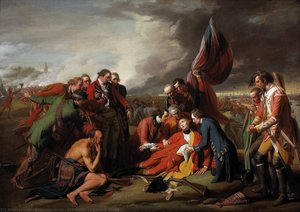
ウェストの芸術世界への影響は、単に技術的な習熟度を達成することだけではありませんでした。それは慣習に挑戦することについてでした。彼は歴史画を再考し、古典的な先例への厳格な遵守から離れ、より現代的な感性を取り入れました。おそらく彼の最も有名な作品である「ウォルフ将軍の死」(1770)は、この革新的なアプローチを具体的に示しています。従来のローマ風の衣装ではなく、*同時代の*軍服を着た人物を描くことで、ウェストは大きな議論を巻き起こしました。批評家たちは歴史的正確性を疑問視しましたが、観客はそのシーンの即時性と感情的な共鳴に魅了されました。この大胆な動きは、より現実主義と物語性のある歴史画へのシフトを示し、それに続く無数のアーティストに影響を与えました。彼のスタイルは時間の経過とともに進化し、後の作品にはロマン主義の要素を取り入れましたが、常に野心的な構成と詳細な実行へのコミットメントを維持しました。他の注目すべき作品であるテティスが鎧をもたらす、三姉妹、アステュアナクスの恐怖、絶望の洞窟は、彼の多様性と神話や歴史的テーマにおける習熟度を示しています。永続的な遺産:芸術的アイデンティティの形成
ベンジャミン・ウェストの遺産は、彼が制作したキャンバスを超えています。彼はアメリカ美術の風景を根本的に変え、歴史画をアメリカ人アーティストにとって実行可能なジャンルとして確立し、国民的な芸術的アイデンティティの感覚を育みました。ロイヤル・アカデミーの会長としての彼の地位は、イギリス美術への影響力を確固たるものにし、革新を促進し、新たな才能を支援しました。- 彼は、よりアクセスしやすく感情的に魅力的な歴史表現のスタイルを提唱しました。
- 彼のスタジオは、ヨーロッパで訓練を受けるアメリカ人アーティストのための避難所となりました。
- 彼は、新古典主義の理想と勃興するロマン派運動との間の架け橋となりました。
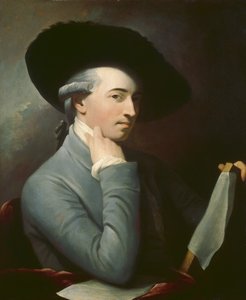
ベンジャミン・ウェスト
1738 - 1820 , アメリカ合衆国
基本情報
- Artistic Movement Or Style: 新古典主義、ロマン主義
- Artists Or Movements Influenced By This Artist:
- オールストン
- コプリー
- モース
- Artists Who Influenced This Artist:
- ティツィアーノ
- ラファエロ
- メングス
- Date Of Birth: 1738年10月10日
- Date Of Death: 1820年3月11日
- Full Name: ベンジャミン・ウェスト
- Nationality: アメリカ人
- Notable Artworks:
- 「ウォルフ将軍の死」
- 「テティスの武具」
- Place Of Birth (City And Country): ペンシルベニア州スプリングフィールド
関連記事

Benjamin West: Transatlantic Ambition & Shaping American Art
Explore the life & legacy of Benjamin West, pioneering American artist and Royal Academy president. Discover his Neoclassical masterpieces, transatlantic influence, and lasting impact on art history. Learn more at ArtsDot.
18th Century Masters: 10 Artworks That Define an Era | ArtsDot
Journey through 18th century art! Explore 10 iconic paintings – from Rococo elegance to Neoclassical grandeur. Discover Fragonard, David & more. Find museum-quality reproductions and elevate your home decor on ArtsDot.com.
至高の芸術:新古典主義を象徴する10選 – 華麗なる巨匠と時代を彩る傑作の世界
新古典主義を代表する10選!ダビッド、アンジェリカーら巨匠の傑作を紐解き、時代を超えた美と知性を探求。油絵、版画など高精細なアートプリントで、お部屋を華やかに彩りませんか?ArtsDot.comで至高の芸術を体験してください。
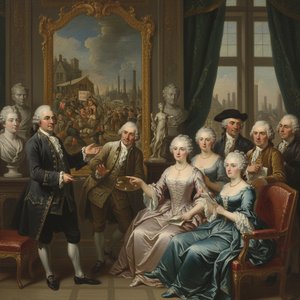
Reflections of an Age: Social Commentary & Artistic Representation in 18th-Century Society
Explore the social commentary & artistic representation of 18th-century society. Discover Rococo masterpieces, portraiture's power, and shifting historical perspectives. Expert insights for art lovers.

Reflecting Nobility & Nuance: 18th-Century Portraiture as a Window into Societal Values
Explore the world of 18th-century portraiture with ArtsDot. Discover symbolism, artistic innovation & societal values reflected in masterpieces by Reynolds, Hogarth & more. Expert insights for collectors.