 プレビュー
プレビュー
 プリントを購入
 シェアする
シェアする シェアする
シェアする
 詳細を見る
詳細を見る

 ダウンロード
 似ている作品
 X線調査
X線調査 スライドショー
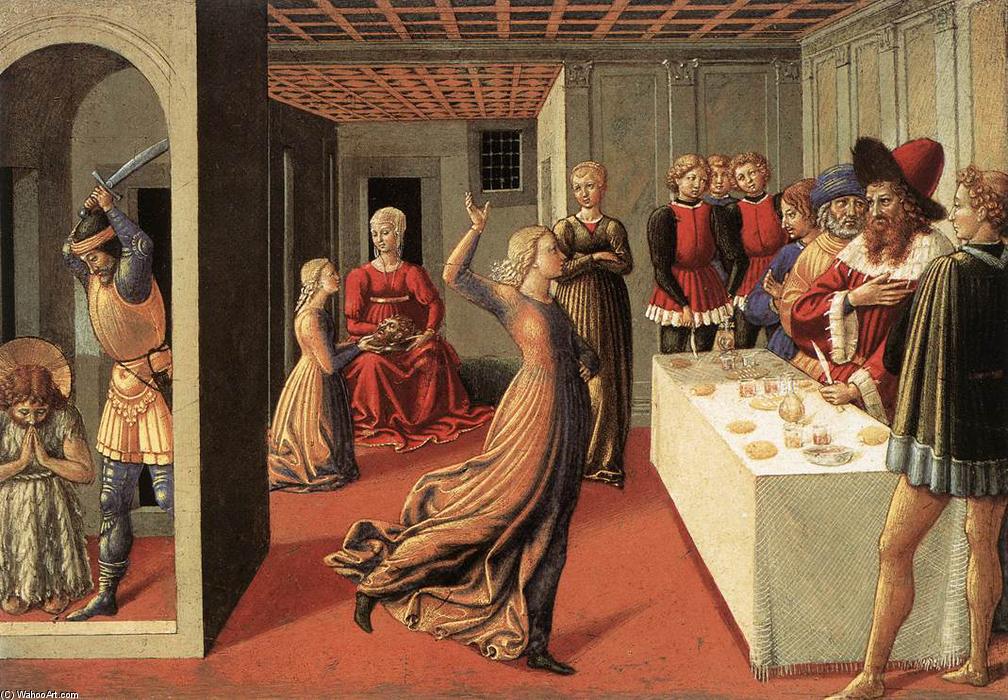
The Dance of Salome
 Oil
Oil- WallArt
- Early Renaissance
 1461
1461 23.0 x 34.0 cm
 ナショナル・ギャラリー・オブ・アート
 詳細を見る
詳細を見る




P118B $10

P118H $10

P118W $10

P438Z $10

P508JH $12

P508YH $12

P805H $10

P805Z $10

P919BZ $10

P919G $10

P919XJ $10

P959ZH $10

P968JZ $12

W106C $8

W218G $10

W218JH $8

W218Y $10

W307PJ $10

W316G $10

W316PJ $8

W316Y $10

W398PJ $8

W4111J $10

W500HY $15

W500JH $15

W692G $12

W849H $8

W940BG $15

W953PJ $8




作品のオリジナル比率に合わせた、当店の規定サイズからお選びください。

特定のフレームやスペースに合わせて、ご希望のサイズをご入力いただけます。選択されたサイズが元の画像の比率と異なる場合、アートワークをトリミングするか、手描きで要素を追加して絵画を拡張いたします。デジタルモックアップ を制作し、制作開始前にご確認(承認)をいただきます。
画面上のプレビューは、実際のトリミングや拡張を正確に反映しているものではありません。最終的な構図は、モックアップによってのみ正確にご確認いただけます。
カスタムサイズもご利用いただけますが、元の比率を維持するためには、あらかじめ用意されたリストからサイズを選択することをお勧めいたします。
ご注文後、ArtsDot.com チームより詳細な指示をお送りするとともに、仕上がりイメージ(モックアップ)をご提供いたします。


 ガラスオプションは、110cm未満のサイズでのみご利用いただけます。

The Dance of Salome
複製技法
複製画のサイズ
-


合計金額
$ 463
The Dance of Salome: A Renaissance Enigma
Benozzo Gozzoli’s “The Dance of Salome,” painted in 1461, is not merely a depiction of a biblical tale; it's a meticulously crafted tableau brimming with symbolic weight and arresting theatricality. This tempera panel, currently residing within the National Gallery of Art in Washington D.C., offers a rare glimpse into the artistic sensibilities of the Early Renaissance, revealing a masterful blend of religious narrative, humanism, and an almost unsettlingly intimate portrayal of a pivotal moment. The painting immediately commands attention with its vibrant palette – deep reds, rich browns, and shimmering golds—a testament to Gozzoli’s skill in layering color and creating a sense of opulent depth.
At the heart of the composition stands Salome, poised mid-dance before King Herod. She is not presented as a seductive temptress, but rather as a figure caught in a complex web of desire, revenge, and tragic fate. Her movement is fluid yet contained, her expression a mixture of calculated allure and underlying sorrow. The surrounding figures – the grieving onlookers, the watchful servants, and the imposing presence of Herod himself—are rendered with remarkable detail, each contributing to the painting’s dramatic atmosphere. Gozzoli's technique is particularly noteworthy; he employs *tempera* on panel, allowing for a level of textural richness and nuanced shading that elevates the work beyond simple illustration.
A Story Woven in Detail
The narrative depicted is drawn from the Gospel accounts of Matthew and Mark, recounting Herod’s fascination with Salome's dance following the execution of John the Baptist. The story itself is steeped in intrigue and betrayal – a young woman driven by vengeance, a king consumed by lust, and a martyr unjustly slain. Gozzoli doesn’t shy away from the darker aspects of this tale; he captures the palpable tension and emotional turmoil with a sensitivity that belies the painting's formal beauty. The inclusion of the severed head of John the Baptist, presented to Salome by a servant, is a stark reminder of the tragic consequences of her actions – a detail rendered with unsettling realism.
Beyond the immediate story, “The Dance of Salome” resonates with broader Renaissance themes. Gozzoli’s work reflects the era's fascination with classical mythology and its emphasis on humanism—the celebration of human potential and achievement. The composition itself mirrors the principles of linear perspective, creating a convincing illusion of depth and space. Furthermore, the painting’s placement within an altarpiece suggests a didactic purpose – intended to educate viewers about biblical narratives and moral lessons. The predella panel, in particular, allowed Gozzoli considerable artistic freedom to expand upon the story, as evidenced by his detailed depiction of the saints associated with the event.
Symbolism and Artistic Influence
The painting’s symbolism is layered and complex. The dance itself can be interpreted as a metaphor for the pursuit of power and the dangers of unchecked desire. Salome's veiled attire, often referred to as “the seven veils,” has been subject to much speculation. While Wilde popularized the image in his play, it likely draws upon earlier artistic representations of female figures unveiling themselves—a motif rooted in ancient mythology and medieval symbolism. The arches framing the scene evoke a sense of theatricality, mirroring the performance unfolding before the viewer’s eyes.
Gozzoli's work demonstrates a clear influence from his mentor, Fra Angelico, particularly in his use of vibrant color and meticulous detail. However, Gozzoli departs from Fra Angelico’s more overtly spiritual style, embracing a greater degree of realism and dramatic intensity. His collaboration with Lorenzo Ghiberti on the “Gates of Paradise” for the Florence Baptistery further solidified his reputation as one of the leading artists of his time. The painting's legacy extends beyond its immediate historical context, inspiring countless interpretations and influencing subsequent generations of artists.
A Timeless Masterpiece
“The Dance of Salome” remains a powerful testament to Gozzoli’s artistic genius—a captivating blend of religious narrative, human drama, and technical mastery. Its enduring appeal lies not only in its exquisite beauty but also in its ability to provoke contemplation about themes of love, betrayal, revenge, and the complexities of human nature. Reproductions of this remarkable work offer a chance to experience Gozzoli’s vision firsthand, bringing this enigmatic Renaissance masterpiece into any space.
関連作品
アーティストの略歴
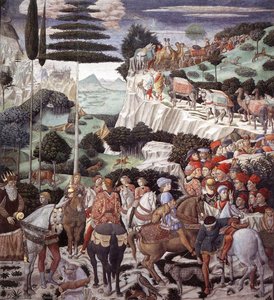
フィレンツェの華麗なる装飾家、ベノッツォ・ゴッツォリ
ベノッツォ・ゴッツォリ(1420年 - 1497年)は、初期ルネサンス期に活躍したフィレンツェを拠点とする画家です。彼の名は、華麗で装飾的な壁画、特にメディチ=リカルディ宮殿に残された行列を描いた一連の作品によって広く知られています。ゴッツォリの絵画は、細部への徹底的なこだわりと、国際ゴシック様式の影響を強く反映しており、初期ルネサンスの優雅さと洗練が融合した独特の世界観を構築しました。1420年にフィレンツェで生まれたゴッツォリは、幼少の頃から才能を発揮し、名高い画家フラ・アンジェリコの弟子として絵画の道を歩み始めました。フラ・アンジェリコの下での修行は、彼の将来的な成功の礎を築くことになります。サン・マルコ修道院における初期作品群は、師であるフラ・アンジェリコの様式を踏襲したものであり、その繊細な表現力と宗教的敬虔さが窺えます。メディチ家の庇護のもとで花開いた才能
ゴッツォリの芸術家としてのキャリアは、メディチ家の強力な庇護によって大きく発展しました。1459年から1461年にかけて制作されたメディチ=リカルディ宮殿の「東方三博士の礼拝」は、彼の代表作であり、国際ゴシック様式の技巧とルネサンス的な空間構成が見事に調和した傑作です。この壁画には、華やかな衣装を身にまとった人物たちが次々と現れ、祝祭的な雰囲気を醸し出しています。また、ロレンツォ・ギベルティとの共同作業として、サン・ジョヴァンニ洗礼堂の「天国の門」にも参加しました。ゴッツォリは、ギベルティの彫刻様式から多くの影響を受け、自身の作品にそれを反映させています。さらに、ローマにおいても活動し、サンタ・マリア・イン・アラチェーリ教会に聖アントニオと天使たちの壁画を制作しました。教皇エウジェニウス4世の後援のもとで描かれたこの作品は、ゴッツォリの宗教画における才能を示しています。国際ゴシック様式とルネサンス的要素の融合
ゴッツォリの芸術様式は、細部へのこだわりと国際ゴシック様式の影響を特徴としています。彼の絵画には、豪華な色彩や装飾的なモチーフが多用されており、見る者を魅了する優雅さと洗練が溢れています。しかし、同時にルネサンス的な空間構成や人物描写も取り入れられており、従来の国際ゴシック様式から脱却し、独自の表現を追求しました。トスカーナ地方やウンブリア地方における数多くの壁画制作を通して、ゴッツォリはイタリア・ルネサンス美術において重要な地位を確立しました。彼の作品は、華麗な装飾性と洗練された技巧によって高く評価され、後世の画家たちにも大きな影響を与えました。ベノッツォ・ゴッツォリの遺産
- 芸術的運動または様式: 国際ゴシック様式
- このアーティストに影響を受けたアーティストや運動: 初期ルネサンス
- このアーティストに影響を与えたアーティスト: フラ・アンジェリコ、ロレンツォ・ギベルティ
- 生年月日: 1420年
- 没年月日: 1497年
- 本名: ベノッツォ・ディ・レーゼ
- 国籍: フィレンツェ人
- 代表的な作品: 「東方三博士の礼拝」、「聖フランチェスコの生涯」
- 生誕地: イタリア、フィレンツェ
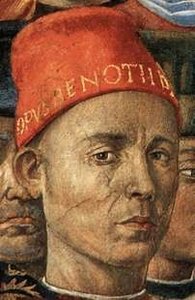
ベノッツォ・ゴッツォリ
1420 - 1497 , イタリア
基本情報
- Artistic Movement Or Style: 国際ゴシック様式
- Artists Or Movements Influenced By This Artist: ['初期ルネサンス']
- Artists Who Influenced This Artist:
- フラ・アンジェリコ
- ロレンツォ・ギベルティ
- Date Of Birth: 1420年
- Date Of Death: 1497年
- Full Name: ベノッツォ・ゴッツォリ
- Nationality: フィレンツェ人
- Notable Artworks (List Of Titles):
- マギの旅
- 聖フランチェスコの場面
- Place Of Birth (City And Country): フィレンツェ、イタリア
関連記事

家族の遺産を壁画で彩る:伝統技法が紡ぐ、時を超越する美と記憶
古代から現代までの壁画の歴史と技法を解説。日本の壁画文化やカスタムオーダーによる家族の遺産表現、保存・修復技術まで網羅。専門家が時を超越する美と記憶を紡ぐ芸術的価値をご案内します。
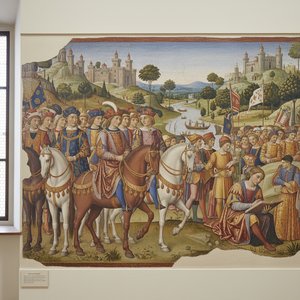
Benozzo Gozzoli: Narrative Innovation & Secular Humanism in Early Renaissance Frescoes
Explore the innovative frescoes of Benozzo Gozzoli, a key Florentine Renaissance painter. Discover his unique blend of religious narrative, secular humanism & detailed portraiture in masterpieces like the Magi Chapel cycle.

The Enduring Legacy of Fresco: Technique, History & Artistic Expression Across Cultures
Explore the rich history & enduring legacy of fresco painting! Discover ancient techniques, Giotto's masterpieces, and modern applications. Expert insights for art lovers & professionals.

The Enduring Legacy of Fresco Painting: Techniques, History & Contemporary Relevance
Explore the rich history & enduring artistry of fresco painting – from Giotto to Michelangelo! Discover techniques, conservation efforts, & modern applications. Learn how ArtsDot brings this timeless art form to your home.
The Enduring Legacy of Fresco: Technique, History & Artistic Expression
Explore the rich history & enduring artistry of fresco painting. Discover techniques from Giotto to Michelangelo, conservation efforts, & modern applications. Learn how ArtsDot brings this timeless art form to your home.