

 プレビュー
プレビュー
 プリントを購入
 シェアする
シェアする シェアする
シェアする
 詳細を見る
詳細を見る

 ダウンロード
 似ている作品
 X線調査
X線調査 スライドショー
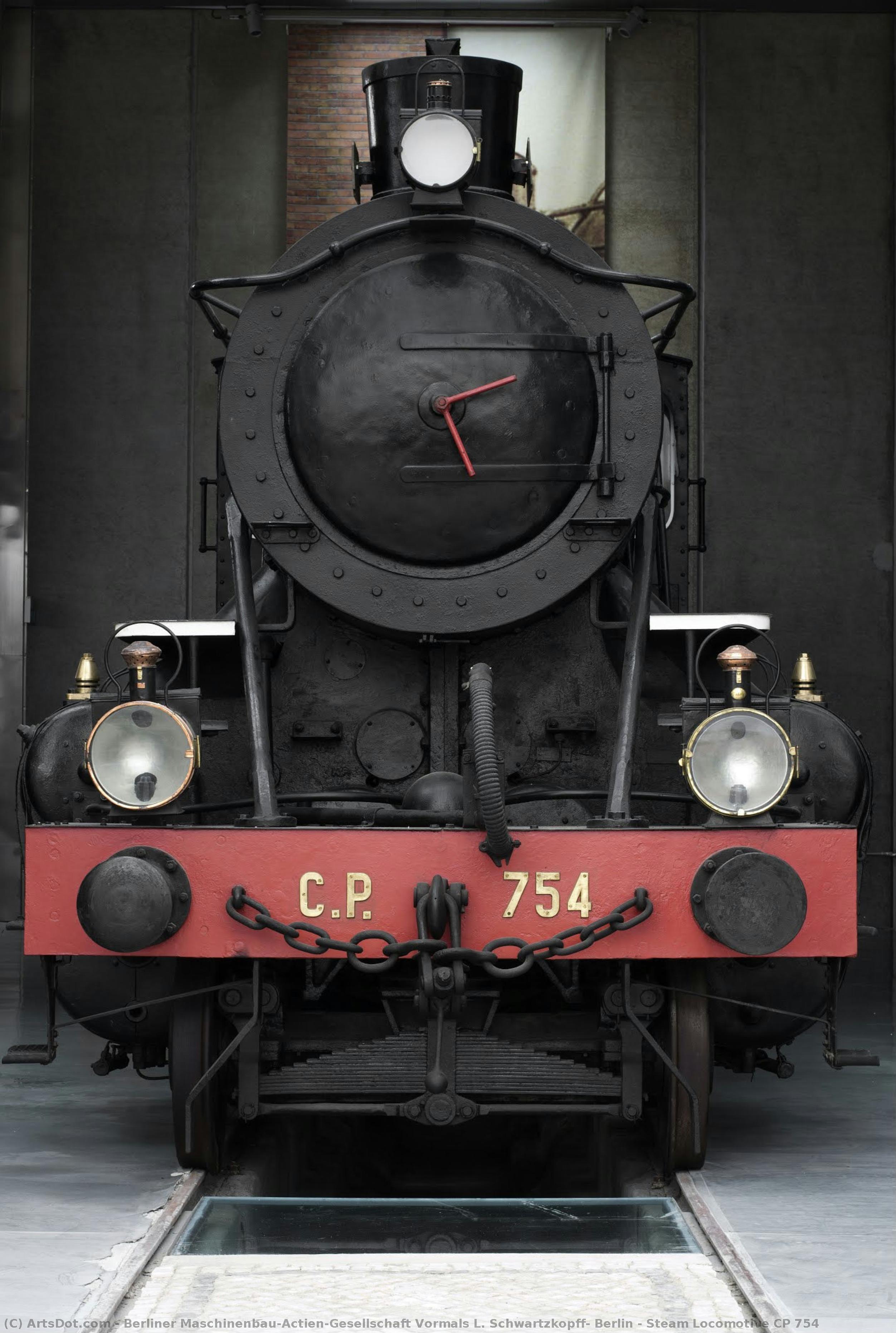
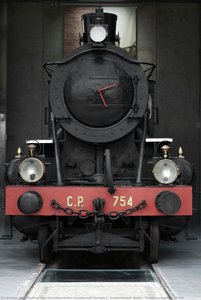
Steam Locomotive CP 754


 詳細を見る
詳細を見る




































作品のオリジナル比率に合わせた、当店の規定サイズからお選びください。

特定のフレームやスペースに合わせて、ご希望のサイズをご入力いただけます。選択されたサイズが元の画像の比率と異なる場合、アートワークをトリミングするか、手描きで要素を追加して絵画を拡張いたします。デジタルモックアップ を制作し、制作開始前にご確認(承認)をいただきます。
画面上のプレビューは、実際のトリミングや拡張を正確に反映しているものではありません。最終的な構図は、モックアップによってのみ正確にご確認いただけます。
カスタムサイズもご利用いただけますが、元の比率を維持するためには、あらかじめ用意されたリストからサイズを選択することをお勧めいたします。
ご注文後、ArtsDot.com チームより詳細な指示をお送りするとともに、仕上がりイメージ(モックアップ)をご提供いたします。


 ガラスオプションは、110cm未満のサイズでのみご利用いただけます。

Steam Locomotive CP 754
複製技法
複製画のサイズ
-


合計金額
$ 263
関連作品




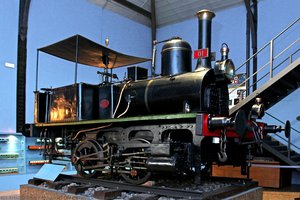
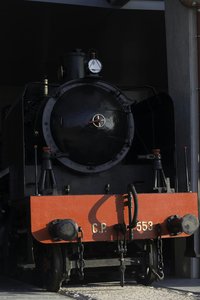
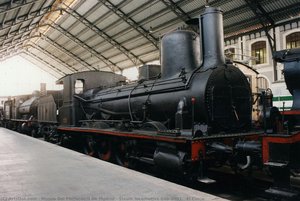
アーティストの略歴
The Iron Pulse of Berlin: The Legacy of Berliner Maschinenbau
To contemplate the history of Berliner Maschinenbau AG is to trace the very veins of German industrial identity. More than a mere manufacturer, this institution—originally known as Eisengießerei und Maschinen-Fabrik von L. Schwartzkopff—functioned as a forge for the modern age. Founded in Berlin on October 3, 1852, by the visionary Louis Victor Robert Schwartzkopff, the company emerged from a period of profound transformation. Its early years were defined by a relentless pursuit of precision, a characteristic that would eventually allow it to transcend simple iron casting and become a cornerstone of global railway engineering. The firm’s journey was one of both triumph and resilience, marked by an ability to rebuild and expand even after the devastating fires that threatened its early foundations.
The evolution of the company's work reflects the broader technological shifts of the nineteenth and twentieth centuries. While it began with the fundamental production of ironworks, it soon mastered the complex art of locomotive construction. A defining moment in this industrial narrative occurred on February 1, 1867, with the delivery of its inaugural locomotive, the CP 754. This achievement was not merely a mechanical milestone but a symbolic declaration of Germany's growing capability to compete on the world stage. As the firm transitioned into a share company under the name Berlaminer Maschinenbau-Actien-Gesellschaft vormals L. Schwartzkopff, its reach expanded far beyond the borders of Berlin, influencing the tracks and landscapes of distant nations.
Engineering Innovation and the Art of Motion
The true genius of Berliner Maschinenbau lay in its refusal to accept the limitations of contemporary technology. The company became a sanctuary for mechanical innovation, most notably through the development of the Schwartzkopff-Eckhardt bogie. This groundbreaking design, a refinement of earlier steering mechanisms, revolutionized how locomotives navigated curves, providing unprecedented stability and performance. Such advancements were not merely functional; they represented a sophisticated marriage of physics and artistry, where the heavy, imposing weight of steam engines was tamed by ingenious mechanical geometry. This spirit of research and development ensured that their machines, such as those used in the DRG Class 84, became icons of reliability.
Beyond the rhythmic clatter of locomotives on rails, the company’s creative output extended into the delicate world of printing technology. By manufacturing Linotype machines for the Mergenthaler factory, Berliner Maschinenbau played a silent but vital role in the democratization of information. The precision required to forge massive steam engines was applied with equal mastery to the intricate components of typesetting machinery, proving that the company's ethos of excellence was scale-independent. This versatility—moving from the monumental power of heavy rail to the minute accuracy of the printing press—solidified its reputation as a titan of German industrial design.
A Legacy Forged in Steel and Ambition
The later years of the company were characterized by strategic expansion and the complexities of an era defined by global conflict. The formation of Maffei-Schwartzkopff Werke GmbH in 1897 through a joint venture with the Munich firm Maffei signaled a new era of collaborative strength, pushing the boundaries into electric locomotive production. This period of growth represented the zenith of German industrial synergy, where shared expertise propelled the industry toward a more electrified and efficient future.
However, the twentieth century also brought profound shadows. The immense hardships of the Second World War saw factory halls succumb to destruction, marking a somber chapter in a history otherwise defined by progress. Yet, even as the physical structures were threatened, the legacy of Berliner Maschinenbau remained etched into the infrastructure of the modern world. Today, we look back at this era not just through the lens of mechanical history, but as an appreciation for a period when iron and steam were the primary instruments of human ambition, carving out a path toward the interconnected world we inhabit today.
berliner maschinenbau-actien-gesellschaft vormals l. schwartzkopff, berlin
1851 - 1945 , Germany
基本情報
- Artistic Movement Or Style: Industrial Art
- Artists Or Movements Influenced By This Artist: ['Locomotive Artwork']
- Artists Who Influenced This Artist: ['Krauss-Helmholtz']
- Date Of Birth: 1851
- Full Name: Berliner Maschinenbau-Actien-Gesellschaft vormals L. Schwartzkopff
- Nationality: German
- Notable Artworks: ['Steam Locomotive CP 754']
- Place Of Birth: Berlin, Germany

