

 プレビュー
プレビュー
 シェアする
シェアする シェアする
シェアする
 詳細を見る
詳細を見る

 ダウンロード
 似ている作品
 X線調査
X線調査 スライドショー
 Stats
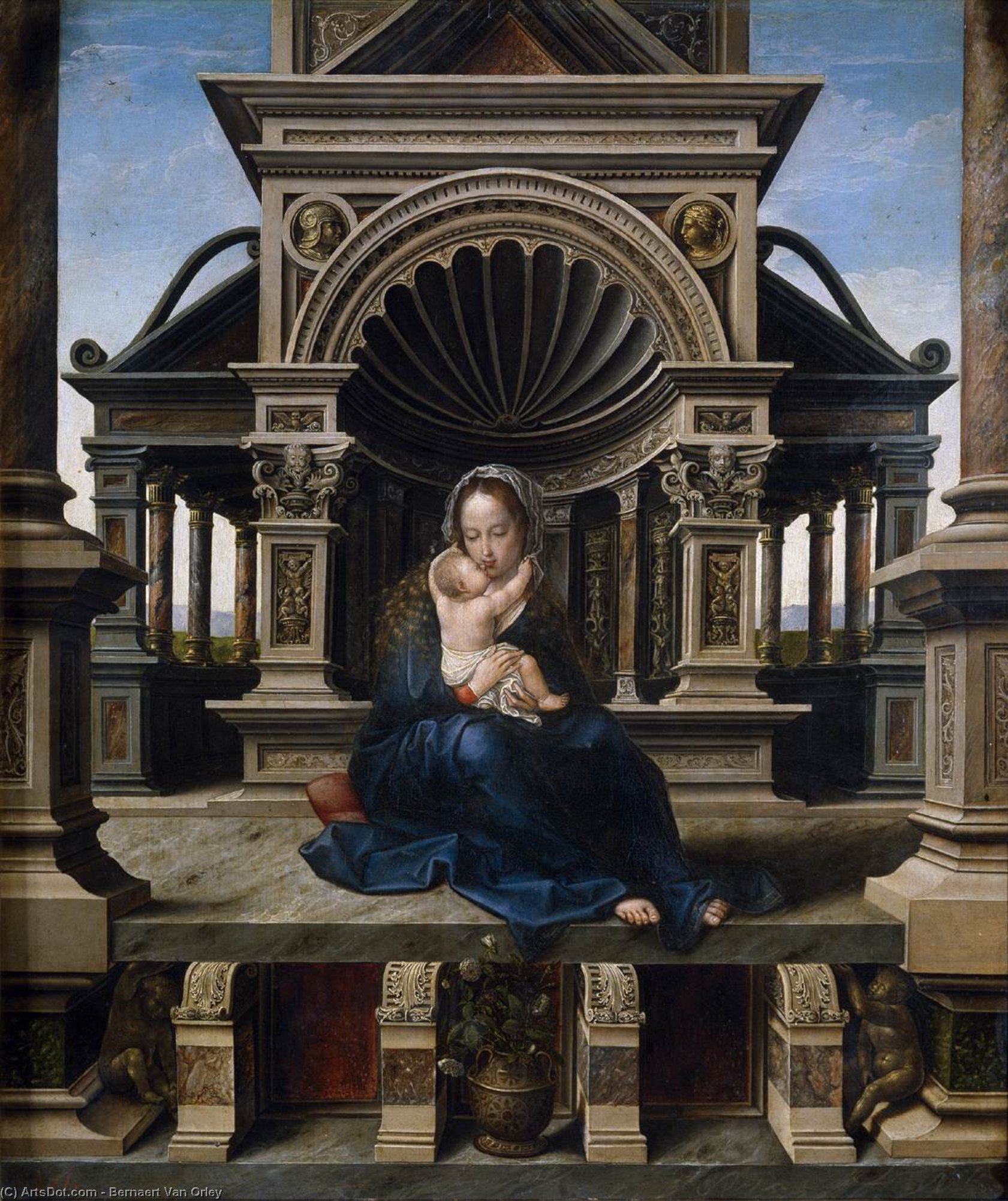
StatsVirgin of Louvain
 Oil On Canvas
- WallArt
- Early Renaissance
 1520
1520- Renaissance
 45.0 x 49.0 cm
 プラド美術館
 詳細を見る
詳細を見る
オンラインプレビューをはるかに凌ぐ、高解像度で鮮明なデジタル画像をご購入いただけます。
各ファイルは、社内の専門家が高度なツールと熟練した手作業によるレタッチを用いて、細心の注意を払って準備されています。すべての画像において、卓越した鮮明度、正確な色彩再現性、そして繊細なディテールを保証いたします。
最終ファイルは、プロフェッショナルな編集・印刷環境ですぐにご利用いただけるよう最適化された状態で、72時間以内にメールにてお届けいたします。これは、一流のデザインスタジオ、出版社、ギャラリーから信頼されているものと同等の品質です。
デジタルアート
個人での鑑賞、印刷、クリエイティブなプロジェクト用に、高解像度ファイルをダウンロードできます。 ( Switch to Print 手描きの絵画を購入)
デジタル画像のご注文に付随する特典
高品質なデジタル画像配信を、確かな品質で。
ArtsDot.com を選ぶことは、単に画像を手に入れることではありません。それは、プロの手によって精密に仕上げられ、満足保証が付いた高品質なデジタルアートワークを受け取ることを意味します。ご注文いただいた際に自動的に付随する内容は、以下の通りです:

メールですぐにお届け
ご注文から72時間以内に、高解像度のデジタル画像ファイルがメールでお手元に届きます。すぐにそのままご利用いただけます。

AI技術で最適化されたデジタルファイル
お客様の作品は、高度なAIツールと専門家による手作業の編集を組み合わせてプロフェッショナルに最適化されており、細部のディテール、鮮明さ、そして正確な色再現性を最大限に引き出しています。

一生涯無料の再送サービス
ファイルを誤って削除したり、紛失してしまったりしましたか?ご安心ください。いつでも無料で再送いたします。

輸入手数料は一切かかりません
関税や手数料、配送料を気にすることなく、お気に入りのアートワークをすぐにお楽しみいただけます。デジタルダウンロードは常に免税です。

色彩再現の保証
プロ仕様のツールとカラーマネジメント技術を用いることで、デジタル画像が元の色を最大限に忠実に再現することを保証いたします。

100日間満足保証
ご購入いただいたデジタル画像にご満足いただけない場合は、100日以内であれば、理由を問わず修正または100%の返金対応をさせていただきます。

100% 返金保証
ご満足いただけない場合は、デジタルファイルを受け取ってから100日以内であれば、理由を問わず全額返金いたします。

まとめ買い割引
3枚購入で10%OFF - 5枚購入で15%OFF - 10枚以上購入で20%OFF。クリエイティブなプロジェクト、ギャラリー、エージェンシーに最適です。
A Divine Encounter in Flemish Gold
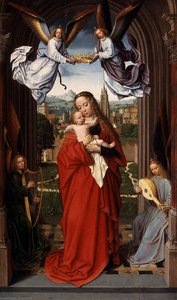
In the quietude of the Early Renaissance, few works capture the intersection of earthly tenderness and celestial majesty as profoundly as the Virgin of Louvain. Attributed to the masterful hand of Bernaert van Orley around 1520, this oil painting is far more than a religious icon; it is a window into a period of profound spiritual and artistic transformation. As the viewer approaches, they are immediately enveloped by a sense of serene dignity. The central figures—the Virgin Mary and the infant Jesus—are presented not merely as subjects of devotion, but as embodiments of a divine grace that feels both intimately human and cosmically significant. The composition, anchored by a stable pyramidal structure, draws the eye upward, mirroring the soul's own ascent toward the divine.
The atmosphere of the piece is one of hushed reverence, achieved through a masterful command of light and shadow. A soft, diffused glow emanates from an unseen source, casting gentle highlights upon the porcelain skin of the Christ child and the contemplative features of Mary. This luminosity is not accidental but is the result of Van Orley’s sophisticated use of glazing—the meticulous layering of thin, translucent washes of pigment. This technique allows light to penetrate the upper layers of paint and reflect back from the primer, imbuing the blues of Mary's robes and the rich golds of the architectural accents with an inner radiance that seems to pulse with life.
The Synthesis of Northern Detail and Italian Grandeur
What makes the Virgin of Louvain a true masterpiece for the discerning collector is its unique position at the crossroads of two great artistic traditions. While Van Orley was a titan of the Flemish tradition, known for the meticulous detail and textural richness characteristic of the Low Countries, he was also a pioneer of "Romanism." This movement sought to infuse Northern painting with the classical elegance and structural clarity of the Italian High Renaissance, specifically the influence of Raphael. In this work, we see the architectural setting—reminiscent of a Roman basilica—providing a sense of monumental stability that balances the delicate, organic folds of the drapery.
The interplay between the geometric precision of the stone dais and the soft, flowing lines of the figures creates a visual tension that is both intellectually stimulating and aesthetically pleasing. For an interior designer, this painting offers a rare versatility; its palette of deep blues, earthy browns, and regal golds provides a sophisticated anchor for a room, capable of complementing both classical period settings and contemporary minimalist spaces. The heavy, tactile quality of the painted stonework contrasts beautifully with the ethereal smoothness of the faces, offering a sensory experience that rewards prolonged contemplation.
A Legacy of Faith and Beauty
Beyond its technical brilliance, the painting serves as a profound symbolic narrative. Every element, from the architectural arches to the specific arrangement of the figures, is designed to evoke themes of motherhood, protection, and the sanctity of life. The way Mary cradles Jesus is a testament to the humanist ideals of the era—a focus on the emotional reality of the human experience within a divine framework. To possess a reproduction of such a work is to bring more than just decoration into a home; it is to invite a sense of historical continuity and spiritual peace.
For those seeking to curate a collection that speaks to the heights of human achievement, the Virgin of Louvain stands as an essential inspiration. It remains a timeless testament to the era when the craftsmanship of Flanders met the classical soul of Italy, creating a visual language that continues to captivate, move, and inspire the modern eye.
関連作品

作家の略歴
ジョヴァンニ・ダ・ウディネ:スタッコの先駆者と新古典主義の優美さ
1487年10月27日、イタリアのウディネに生を受けたジョヴァンニ・ダ・ウディネは、盛期ルネサンスにおける極めて重要な人物として、その名を歴史に刻みました。彼は単なる画家にとどまらず、古典的美学の復興に情熱を注いだ熟練の職人でもありました。その生涯は約70年に及び、ローマ、フィレンツエ、ヴェネツィアでの精力的な芸術活動を経て、最終的には故郷ウディネへと戻りました。ラファエロやミケランジェロといった巨星たちの影に隠れがちではありますが、ジョヴァンニの貢献は、とりわけ革新的なスタッコ(漆喰)技法を通じて、当時の視覚言語を形作る上で欠かすことのできないものでした。彼の仕事は後の新古典主義デザインにも多大な影響を与えたのです。
ジョヴァンニの初期の修行については、ウディネの地元の芸術家から指導を受けた可能性が高いものの、依然として謎に包まれています。しかし、彼のキャリアを真に決定づけたのは、1510年代のローマでの日々でした。彼はラファエロの主要な助手としての地位を瞬く間に確立し、バチカンの隆盛する芸術的環境に身を投じ、巨匠の洗練された技法を吸収していきました。この時期、考古学的な発見――特にイッポリト・デ・メディチ枢機卿によって発掘された遺物――が、古代ローマ美術の優雅さと壮大さを再現したいという熱望に火をつけ、古代への関心が再び高まっていました。ジョヴァンニはこの復興の潮流を全身で受け止め、古典的なモチーフを自らの作品に取り入れる先駆者となったのです。
バチカン・ロッジ:革新の舞台
ジョヴァンニの最も輝かしい業績は、間違いなくアポストリック宮殿内にある一連のヴォールト天井を持つ部屋、バチカン・ロッジの装飾への参画です。1517年から1519年にかけて、彼はラファエロと協力してこれらの記念碑的なフレスコ画を手掛け、壁面や天井を彩る緻密なスタッコ・パネルを創り上げました。これらの作品は、絵画と彫刻の見事な融合を体現しており、ジョヴァンニが両方の媒体において卓越した技術を持っていたことを証明しています。ロッジの装飾には、漆喰を浮き彫りに施して彫刻のような形態を模倣する、彼の革新的なスタッコ技法が惜しみなく発揮されました。彼は古典的な建築要素を、空想上の生き物やグロテスクな図像、そして神話的な場面と巧みに織り交ぜ、躍動感あふれる視覚的な物語を紡ぎ出したのです。
バチカン・ロッジに見られる、軽やかさと優雅さ、そして繊細なディテールを特徴とするスタイルは、瞬く間にヨーロッパ全土へと広がりました。ジョヴァンニの仕事は、古代の洗練されたエレガンスを模範としようとした新古典主義のデザイナーたちにとっての規範となりました。その影響はイタリアの枠を遥かに超え、フランス、イギリス、ドイツの宮殿や公共建築の装飾計画をも形作っていきました。古典的な形態と想像力豊かな装飾をシームレスに統合する彼の能力は、装飾デザインにおける新たな基準を打ち立てたのです。
スタッコを超えて:繊細な美を描く画家
ジョヴァンニはスタッコ技法で最もよく知られていますが、彼自身もまた優れた画家でした。彼の絵画には、しばしば装飾パネルに見られるような、優雅さと抑制の原則が反映されています。彼は落ち着いた色彩、微妙な階調の変化、そして洗練された構図を好みました。当時流行していた大胆で劇的なスタイルとは対照的に、ジョヴァンニの絵画は、控えめな気品を湛えた静かな美しさを宿していました。
その主題には、神話の場面や肖像画、寓意的な構成が頻繁に用いられました。人物描写においては、繊細なモデリングと表情豊かな身振りが特に際立っています。彼は細部への鋭い眼差しを持ち、人間の表情の機微や衣類の質感を見事に捉えました。スタッコ職人としての活動に比べれば画家としての作品数は少ないものの、彼の絵画は、その芸術的な多才さと古典的理想への献身を物語る貴重な証となっています。
遺産と歴史的意義
ジョヴァンニ・ダ・ウディネは、1561年または1564年にローマでその生涯を閉じました。彼の遺した功績は、バチカン・ロッジに与えた直接的な影響をはるかに超えるものです。彼は古代の技法や美学への関心を再燃させる極めて重要な役割を果たし、新古典主義運動の視覚的な語彙を形作りました。革新的なスタッコの使用と洗練された絵画スタイルを併せ持つことで、彼は盛期ルネサンスと、その後の17世紀における芸術的発展との架け橋となる中心的な人物となったのです。
ヨーロッパ中の数え切れないほどの建造物や装飾様式の中にジョヴァンニの影響を見出すことができ、それは彼のビジョンが持つ永続的な力を証明しています。ルネサンス期における芸術、建築、そして文化復興の複雑な相互作用を理解しようとする者にとって、彼は今なお研究すべき重要な芸術家です。彼の仕事は、スタッコ装飾のような一見専門化された技法であっても、芸術史の流れに深く、広範な影響を及ぼし得るということを、私たちに思い出させてくれるのです。
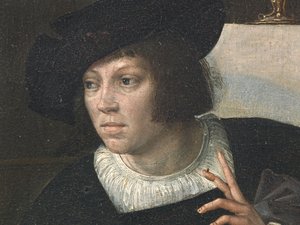
ベルナールト・ファン・オルレイ
1487 - 1541 , ベルギー
プロフィール概要
- Artistic Movement Or Style: 新古典主義、スタッコ
- Artists Or Movements Influenced By This Artist: ['ラファエロ']
- Artists Who Influenced This Artist: ['']
- Date Of Birth: 1487年10月27日
- Date Of Death: 1561/4年
- Full Name: ジョヴァンニ・ダ・ウディネ
- Nationality: イタリア
- Notable Artworks: ['ヴァチカン・ロッジ']
- Place Of Birth: イタリア、ウディネ