

 シェアする
シェアする シェアする
シェアする
 詳細を見る
詳細を見る

 ダウンロード
 似ている作品
 スライドショー
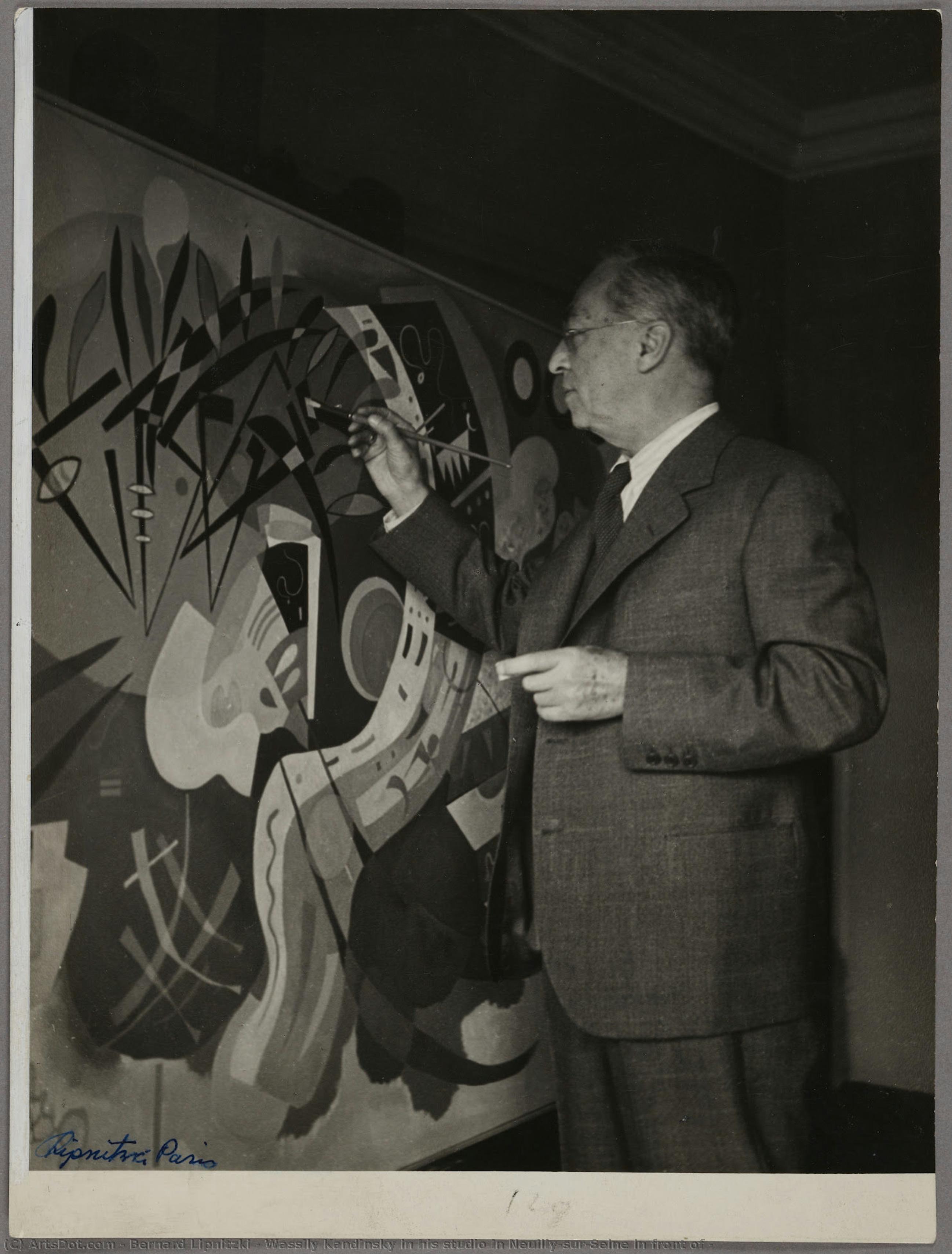
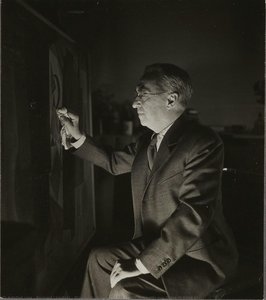
Wassily Kandinsky in his studio in Neuilly-sur-Seine in front of


 詳細を見る
詳細を見る
ジークレー/アートプリント
迅速な制作と多彩な仕上げオプションを備えた、ミュージアムクオリティのジークレーまたはキャンバスプリント。 ( 手描きの絵画を購入 画像を購入)




































作品のオリジナル比率に合わせた、当店の規定サイズからお選びください。

特定のフレームやスペースに合わせて、ご自身でサイズを指定することも可能です。選択されたサイズが元の画像の比率と一致しない場合、作品をトリミングするか、鏡面反射または単色での塗りつぶしによって画像を拡張いたします。制作を開始する前に、ご確認用のデジタルモックアップをお送りいたします。
画面上のプレビューには、実際のトリミングや拡張は反映されませんのでご注意ください。最終的な構図を正確に確認できるのは、モックアップのみとなります。
カスタムサイズも承っておりますが、元の比率を維持するためには、あらかじめ用意されたリストからサイズを選択することをお勧めいたします。


 ガラスオプションは、110cm未満のサイズでのみご利用いただけます。

Wassily Kandinsky in his studio in Neuilly-sur-Seine in front of
ジークレー/アートプリント
複製画のサイズ
-


合計金額
$ 62
作品詳細説明
A Moment Frozen in Time: The Intimacy of Creation
In this evocative black and white photograph from 1938, we are granted a rare, voyeuristic glimpse into the creative sanctuary of one of the twentieth century's most profound visionaries. Captured by the perceptive lens of Bernard Lipnitzki, the image depicts Wassily Kandinsky within his studio in Neuilly-sur-Seine. There is a profound sense of stillness and reverence in the composition; the man, dressed in a formal suit that contrasts with the raw, experimental energy of the art, stands poised before a canvas. His hands rest upon the work, not merely as an observer, but as a participant in the dialogue between creator and medium. This tactile connection suggests a moment of deep contemplation, perhaps a final adjustment or a quiet assessment of a newly birthed abstraction.
The photograph transcends simple documentation, acting instead as a window into the psychological landscape of the artist's process. While the background hints at the presence of others, they remain soft-focused and peripheral, ensuring that the emotional weight of the piece remains centered on the interaction between the man and the painting. The interplay of light and shadow, characteristic of Lipnitzki’s documentary style, lends a sculptural quality to the scene, highlighting the textures of the clothing and the enigmatic, graffiti-like elements of the artwork itself.
The Intersection of Legacy and Abstraction
To understand this photograph is to understand the lineage of the photographic eye. Bernard Lipnitzki, though shaped by the monumental influence of his father Boris, developed a unique ability to capture the pulse of artistic life. In this specific work, we see the convergence of two different worlds: the structured, formal reality of the 1930s and the burgeoning, chaotic freedom of abstract expressionism. The painting on the wall, with its spontaneous and energetic markings, serves as a visual metaphor for the breaking of boundaries that defined the era.
For collectors and lovers of fine art photography, this piece offers more than just a historical record; it offers an emotional resonance. It captures the tension between the physical world—the studio, the suit, the seated figures—and the infinite, unmapped territory of the abstract mind. The way the light catches the edges of the frame invites the viewer to step into the room, feeling the quiet gravity of a moment where history was being actively shaped by hand and thought.
A Timeless Addition to the Curated Space
For the discerning interior designer or the dedicated art collector, this photograph serves as a sophisticated anchor for a curated collection. Its monochromatic palette provides a versatile elegance that complements both contemporary minimalist settings and more traditional, classic interiors. The image does not merely decorate a wall; it narrates a story of intellectual pursuit and artistic devotion.
Integrating a high-quality reproduction of this work into a living space or gallery brings with it an atmosphere of scholarly depth and creative inspiration. It is a piece that invites conversation, prompting viewers to reflect on the nature of genius and the intimate, often solitary, labor required to bring abstraction to life. Whether placed in a study, a library, or a modern lounge, Lipnitzki’s capture of Kandinsky remains a powerful testament to the enduring magic of the artistic spirit.
関連作品
アーティストの略歴
A Life Through the Lens: Bernard Lipnitzki and the Portraits of an Era
Bernard Lipnitzki, born in Paris in 1930, occupies a unique position in the history of twentieth-century photography—not as a creator of a singular, highly stylized aesthetic, but as a remarkably perceptive documentarian of artistic life. His career unfolded not in isolation within a studio, but amidst the vibrant currents of post-war Europe and America, capturing intimate moments with some of the most influential figures of the age. Initially drawn to cinema, Lipnitzki’s early ambition led him to the prestigious French film school IDHEC in 1949; however, fate intervened when he joined his father, Boris Lipnitzki, a renowned photographer celebrated for his portraits of artists and intellectuals, in Venezuela. This relocation proved pivotal, laying the foundation for Bernard's own photographic journey.Inherited Vision, Independent Voice
Boris Lipnitzki’s legacy loomed large, but young Bernard quickly forged his own path. His father’s studio provided invaluable technical training—mastering the intricacies of shooting, developing, and printing—but it was a desire to move beyond the established conventions of theatre portraiture that propelled him forward. He served as a regiment photographer during his military service in Germany, honing his skills further before returning to Paris and immersing himself in the world of photojournalism. His early work for publications like “France Dimanche” saw him photographing figures such as Céline, Sagan, Dalí, and Audrey Hepburn—a diverse array of personalities that hinted at a burgeoning talent for capturing not just likenesses, but the essence of his subjects. This period was characterized by an immediacy and directness, a willingness to engage with the complexities of post-war French society.Chronicler of Artistic Movements
Lipnitzki’s career truly blossomed in the 1950s and 60s as he became a sought-after photographer for magazines like “Jours de France” and later, through freelance work in the United States. He documented pivotal moments—the unrest of May 13, 1958 in Paris, De Gaulle’s visit to Algeria—but it was his portraits that distinguished him. He possessed an uncanny ability to create a sense of intimacy with his subjects, revealing their vulnerabilities and intellectual energy. His iconic photograph of Wassily Kandinsky in his studio, for example, is not merely a depiction of the artist; it’s a glimpse into his creative process, a visual meditation on abstraction itself. Similarly, his portrait of Salvador Dalí, captured in Paris in 1956, embodies the surrealist master's flamboyant personality and enigmatic aura. These images weren’t simply assignments; they were encounters with artistic minds, translated into compelling photographic narratives.A Legacy Preserved: Roger-Viollet and Beyond
While Lipnitzki enjoyed a successful career as both an advertising and reportage photographer until 1995, it is his earlier work—the portraits of artists and intellectuals—that has secured his place in photographic history. The acquisition of a significant portion of his archive by Roger-Viollet in the late 1980s ensured the preservation and wider dissemination of his images. Roger-Viollet’s exclusive distribution of these works allows contemporary audiences to appreciate Lipnitzki's unique contribution to visual culture. His photographs offer a rare window into the artistic landscape of the mid-20th century, providing invaluable insights into the lives and creative worlds of some of its most important figures. He wasn’t simply taking pictures; he was building a visual record of an era—a testament to the power of photography to capture not just what is seen, but what is felt, understood, and remembered.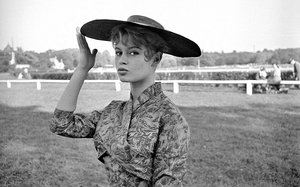
bernard lipnitzki
1930 - , France
基本情報
- Artistic Movement Or Style: Portrait Photography
- Date Of Birth: 1930
- Full Name: Bernard Lipnitzki
- Nationality: French
- Notable Artworks:
- Wassily Kandinsky in his studio
- Salvador Dalí portrait
- Place Of Birth: Paris, France
関連記事

Kandinsky's Masterpieces: 25 Paintings That Define Abstract Art | ArtsDot
Journey through Wassily Kandinsky's 25 most iconic abstract paintings. Explore his revolutionary use of color, form & spiritual expressionism. Find museum-quality Kandinsky reproductions and elevate your home decor with ArtsDot.com. Discover all masterpieces on ArtsDot.com!

White on Canvas: 10 Masterpieces & Timeless Elegance for Your Home Decor
Explore 10 iconic white paintings by Monet, Whistler & Rothko! Discover the stories behind these serene masterpieces and their impact on art history. Find museum-quality reproductions for your home decor at .

Dark Masterpieces: 10 Iconic Paintings Dominated by Black Tones |
Explore 10 iconic paintings dominated by black tones, from Rembrandt’s chiaroscuro to Goya's dark expressions. Discover the stories behind these masterpieces & find museum-quality art reproductions for your home at .

Monochrome Visions: Exploring the Aesthetic & Historical Significance of Black & White Photography
Explore the rich history & artistic power of black and white photography. From early techniques to iconic masters like Ansel Adams, discover why monochrome continues to captivate art lovers today. Expert insights for collectors.

The Subtleties of White: Exploring Absence, Light & Symbolism in Art History
Explore the profound symbolism & history of white in art! From ancient purity to modern abstraction, discover how artists have used absence & light. Expert insights from ArtsDot.

