

 プレビュー
プレビュー
 プリントを購入
 シェアする
シェアする シェアする
シェアする
 詳細を見る
詳細を見る

 ダウンロード
 似ている作品
 X線調査
X線調査 スライドショー
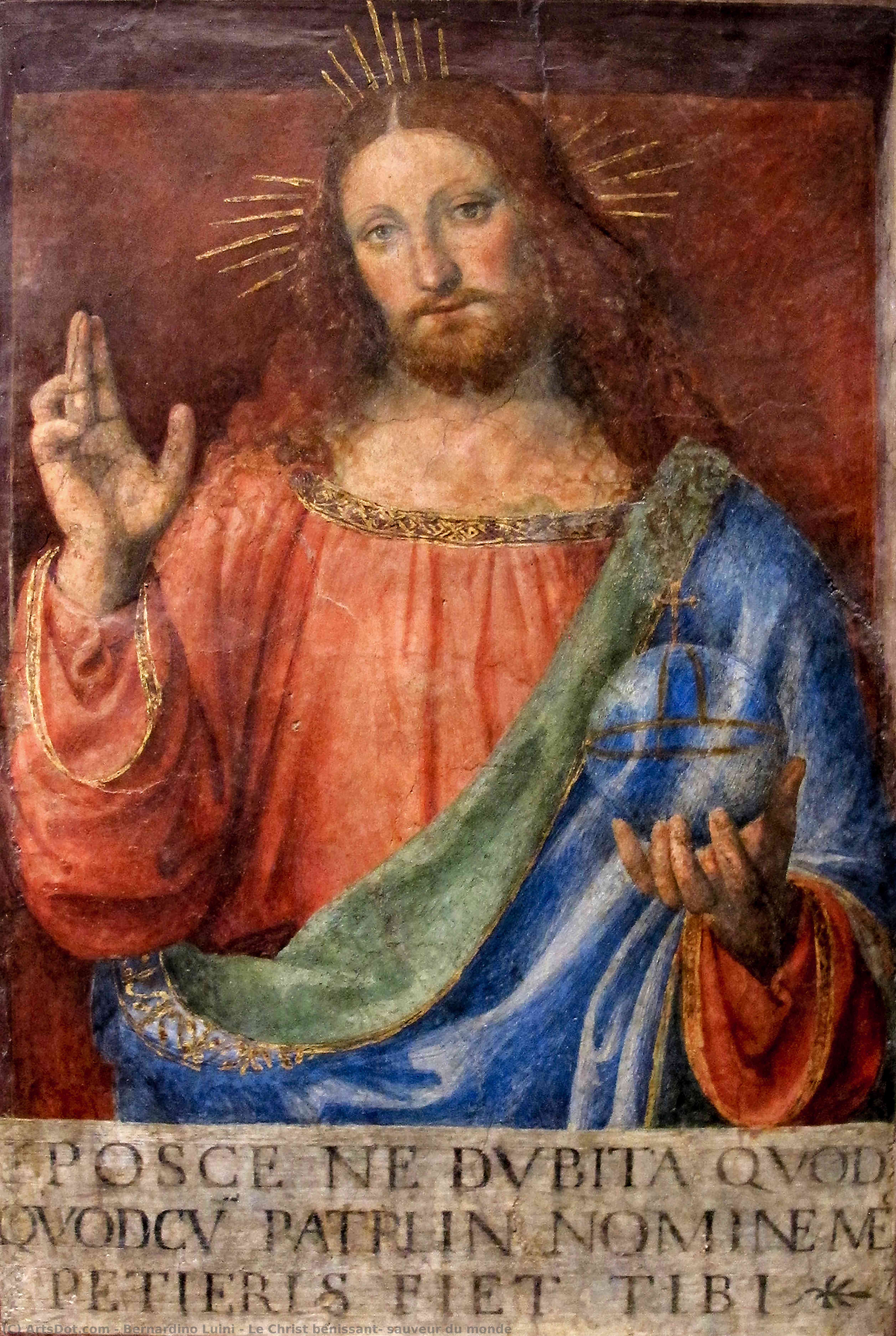
Le Christ bénissant, sauveur du monde


 詳細を見る
詳細を見る




P118B $10

P118H $10

P118W $10

P438Z $10

P508JH $12

P508YH $12

P805H $10

P805Z $10

P919BZ $10

P919G $10

P919XJ $10

P959ZH $10

P968JZ $12

W106C $8

W218G $10

W218JH $8

W218Y $10

W307PJ $10

W316G $10

W316PJ $8

W316Y $10

W398PJ $8

W4111J $10

W500HY $15

W500JH $15

W692G $12

W849H $8

W940BG $15

W953PJ $8




作品のオリジナル比率に合わせた、当店の規定サイズからお選びください。

特定のフレームやスペースに合わせて、ご希望のサイズをご入力いただけます。選択されたサイズが元の画像の比率と異なる場合、アートワークをトリミングするか、手描きで要素を追加して絵画を拡張いたします。デジタルモックアップ を制作し、制作開始前にご確認(承認)をいただきます。
画面上のプレビューは、実際のトリミングや拡張を正確に反映しているものではありません。最終的な構図は、モックアップによってのみ正確にご確認いただけます。
カスタムサイズもご利用いただけますが、元の比率を維持するためには、あらかじめ用意されたリストからサイズを選択することをお勧めいたします。
ご注文後、ArtsDot.com チームより詳細な指示をお送りするとともに、仕上がりイメージ(モックアップ)をご提供いたします。


 ガラスオプションは、110cm未満のサイズでのみご利用いただけます。

Le Christ bénissant, sauveur du monde
複製技法
複製画のサイズ
-


合計金額
$ 263
作品解説
A Divine Radiance: The Serenity of Luini’s Christ
In the quiet corridors of the Louvre Museum, within the hallowed space of Salle 707, resides a masterpiece that commands silence through its profound stillness. Bernardino Luini’s Le Christ bénissant, Sauveur du Monde is not merely a painting; it is an encounter with the divine. Painted around 1500, this work captures the essence of the High Renaissance in Milan, presenting a portrait of Jesus Christ that transcends simple iconography to offer a moment of deep, spiritual intimacy. The composition is striking in its focused intensity, drawing the viewer’s gaze immediately to the luminous blue orb held aloft by the Savior, a celestial element that seems to pulse with its own internal light against the somber, regal backdrop of crimson walls.
The emotional weight of the piece lies in its delicate balance between majesty and tenderness. Luini, a master who breathed the same creative air as Leonardo da Vinci, utilizes a technique that marries anatomical precision with a soft, almost ethereal grace. The way the light catches the intricate folds of Christ's robes and illuminates the subtle, compassionate contours of his face speaks to a profound psychological depth. For the collector or the interior designer, this painting offers more than just visual beauty; it provides an anchor of tranquility. Its presence in a room can transform a space, turning a mere wall into a sanctuary of contemplation and peace.
The Legacy of Milanese Mastery
To understand the brilliance of this work, one must look to the artistic crucible of Milan during the turn of the 16th century. Luini was a prominent figure in the Lombard school, an artist whose style was indelibly shaped by his proximity to the innovations of Leonardo. While he inherited the master's fascination with sfumato—the subtle blurring of edges to create a smoky, realistic transition between light and shadow—Luini infused his work with a distinctively sweet and lyrical quality known as Leonardesque mannerism. This technique is evident in the way the textures of the fresco appear almost tactile, inviting the viewer to linger on the meticulous craftsmanship of the facial features and the vibrant, contrasting palette.
The choice of tempera on canvas allowed Luini to achieve a luminous clarity that remains breathtaking centuries later. The interplay between the deep, saturated reds of the background and the ethereal blue of the orb creates a visual tension that is both dramatic and harmonious. This deliberate use of color serves a higher purpose, grounding the celestial subject matter in a physical reality that feels both ancient and immediate. For those seeking to adorn a home with art that possesses historical gravity and aesthetic elegance, Luini’s work stands as a pinnacle of Renaissance devotion.
Symbolism and Spiritual Enlightenment
Every element within this composition is heavy with theological significance, designed to guide the faithful toward meditation. The blue orb held by Christ is perhaps the most captivating symbol in the work; it represents divine illumination and the encompassing nature of spiritual enlightenment. As Jesus holds this sphere of light, he acts as the bridge between the earthly realm and the heavens. The surrounding red walls, while providing a stark aesthetic contrast, evoke themes of sacrifice, passion, and the blood of redemption, creating a visual metaphor for the weight of Christ's mission on earth.
Scholars often find themselves captivated by the ambiguity of this celestial object—is it the Holy Spirit descending, or does it simply embody the benevolent gaze of the Savior upon humanity? Regardless of the interpretation, the effect is one of overwhelming grace. This painting does not shout its message; it whispers it through soft shadows and radiant highlights. It is an ideal acquisition for those who appreciate art that functions as a window into the soul, offering a timeless sense of protection and divine presence to any curated collection.
関連作品


![Scrovegni - [23] - Baptism Of Christ — ジョット, Early Renaissance](/media/artworks/images-thumb/17/af/17af47626cb93b2000ad3d13e045f189.jpg)
アーティストの略歴
ロンバルディアの光芒:ベルナルディーノ・ルイニの生涯と芸術
ベルナルディーノ・ルイニ(Bernardino Luini、約1480年 - 1532年)という名前は、イタリア・ルネサンス絵画の歴史の中で静かに響き渡ります。彼は、ミラノ湖周辺の美しい地域で生まれました。ルノー(Runo)という小さな集落、ドゥメンツァ近郊での彼の幼少期は謎に包まれていますが、運命が彼を北イタリアの中心地であるミラノへと導いたことは明らかです。1500年頃、彼は父親と共にミラノに移り住み、都市の活気に満ちた創造的エネルギーを吸収しようとしました。彼の初期の訓練については様々な説がありますが、ジョヴァン・ステファノ・スコットやアンブロージョ・ベルゴニョーネが師であったという話もあります。しかし、彼に計り知れない影響を与えたのは、レオナルド・ダ・ヴィンチでした。二人の関係の詳細は議論の余地がありますが、ルイニが巨匠のもとで直接働いたことは広く信じられており、彼の芸術的軌跡を決定づける重要な経験となりました。この弟子入りは単なる技術的なものではなく、繊細な観察、革新的な構図、そして曖昧な表現技法であるスフマートの世界への没頭でした。ルイニはこのスフマートを巧みに自身の独自のスタイルに取り入れていきました。レオナルドの抱擁と様式の誕生
ルイニの芸術的発展は、単なる模倣ではありませんでした。それは、彼自身のロンバルディアの感性を通して濾過されたレオナルドの技法の繊細な同化でした。彼はダ・ヴィンチの知的な厳密さや解剖学的な正確さを再現しようとはせず、むしろ彼の様式のより柔らかく叙情的な側面を受け入れました。これは特に女性の描写に顕著です。優雅な姿で、細長い目を持つ女性たちは、識者のウラジーミル・ナボコフによって“ルイニ風”(Luinesque)と評されています。これらの魅惑的な視線は穏やかな憂いを帯びており、内省を誘います。初期の作品である『 Magi(賢者たちの礼拝)』(約1505年) は、サン・ピエトロ、ルイノに現存しており、すでにこの新たな様式が垣間見えます。光と影の繊細な扱いと構図の習熟度を示しています。彼は聖母マリアの祭壇画や、オルソラ教会(Santa Maria Nuova in Pilastrello)のフレスコ画などの依頼を受け、その名声を確立していきました。ベルナルディーノ・ゼナーレの『カントゥ多翼祭壇画』の影響もまた、『聖アントニウス・パドヴァ』(1510年代)に見られ、多様な影響を統合するルイニの能力を示しています。フレスコ画、宮殿、創造性の開花
16世紀前半の20年間は、ルイニにとって激しい創造活動の時代でした。彼の才能は宗教的な主題に限定されず、世俗的な依頼も数多くありました。セスト・サン・ジョヴァンニにあるペルッカ邸(Villa Pelucca)のために1509年から1514年にかけて制作されたフレスコ画は、彼の多才さの証です。神話の場面を描いたこれらの作品は、洗練された優雅さを持ち、貴族の邸宅の壁を飾りました。現在ミラノのブレラ美術館(Pinacoteca di Brera)に収蔵されているこれらの作品は、古典的な物語のダイナミズムと人間の美しさを捉えることに等しく長けた画家であることを示しています。彼は引き続き名誉ある依頼を受け続け、ロンバルディア各地の教会や宮殿を自身の独特な様式で飾りました。大規模なフレスコ画にさえ親密さと感情的な共鳴を与える彼の能力は、彼が時代の最も求められる芸術家の一人としての地位を確固たるものにしました。遺産と永続する魅力
ベルナルディーノ・ルイニは1532年6月にミラノで亡くなりました。彼の遺産は自身の生涯を超えて受け継がれました。息子のアウレリオ(Aurelio)もまた、家族の芸術的伝統を受け継ぎましたが、より称賛されているのはベルナルディーノであり、優雅な姿、繊細なスフマート、そしてユニークに魅惑的な“ルイニ風”の女性たちとして記憶されています。彼の作品は後世の芸術家たちにインスピレーションを与え、ロンバルディア絵画の発展に貢献し、イタリア・ルネサンス美術の流れ全体に影響を与えました。今日、彼の傑作はイタリア各地の美術館や教会で見ることができます。ブレラ美術館はその中でも特に豊富なコレクションを誇ります。彼の絵画は、その美しさ、優雅さ、そして永続する感情的な力で観客を魅了し続けており、過ぎ去った時代の芸術的感性を垣間見せてくれます。洗礼者ヨハネの首を持つサロメは、例えば、劇的な強度と巧みな表現力で観客を魅了し続けています。そして、聖家族(聖アンナと洗礼者ヨハネとともに)は、彼の穏やかで調和のとれた構図を例証しています。
ベルナルディーノ・ルイニ
1480 - 1532 , イタリア
基本情報
- Artistic Movement Or Style: ルネサンス、マニエリスム
- Artists Or Movements Influenced By This Artist: ['ルイネスク様式の画家']
- Artists Who Influenced This Artist: ['レオナルド・ダ・ヴィンチ']
- Date Of Birth: 1480年頃
- Date Of Death: 1532年
- Full Name: ベルナルディーノ・ルイニ
- Nationality: イタリア人
- Notable Artworks (List Of Titles):
- 魔術師の礼拝
- 聖アントニウス
- ペルッカ家のフレスコ画
- Place Of Birth (City And Country): レノ、イタリア
関連記事

Crimson Threads of Narrative: Exploring Symbolism & Representation in Artworks Featuring the Red Dress
Explore the rich symbolism of the red dress in art history! From ancient power displays to iconic portraits like Cézanne’s 'Madame Cezanne', discover the cultural and artistic significance behind this captivating color. Expert analysis & insights.
フラ・アンジェリコの傑作25選:ルネサンス美術の神髄と至高の装飾 | ArtsDot
フラ・アンジェリコの傑作25選。ルネサンス美術の神髄を紐解き、天使のような静謐な色彩と宗教画の世界へ誘います。壁画やフレスコ画の技法、修道院に息づく祈りの絵…ArtsDotで至高のアートプリントをお手軽に。コレクションを探索する。
Illuminating Surfaces: A Comprehensive Exploration of Tempera on Panel Painting Techniques & Historical Significance
Explore the rich history & techniques of tempera painting! Discover Renaissance masters like Botticelli & Fra Angelico, conservation insights, and the enduring legacy of this captivating art form. Learn more now!
Illuminating History: A Comprehensive Exploration of Tempera Painting Techniques & Artistic Legacy
Explore the rich history & techniques of tempera painting! Discover Renaissance masters like Botticelli & Fra Angelico, conservation insights, and the enduring legacy of this captivating art form.
Mannerism: Bridging Renaissance Harmony & Baroque Drama – A Study of Style & Affectation
Explore the fascinating world of Mannerism! Discover its key characteristics, pioneering artists like Pontormo & Bronzino, and its pivotal role in bridging Renaissance harmony to Baroque drama. A comprehensive guide for art enthusiasts.

